Bojana Nikitovic and the Power of Costume
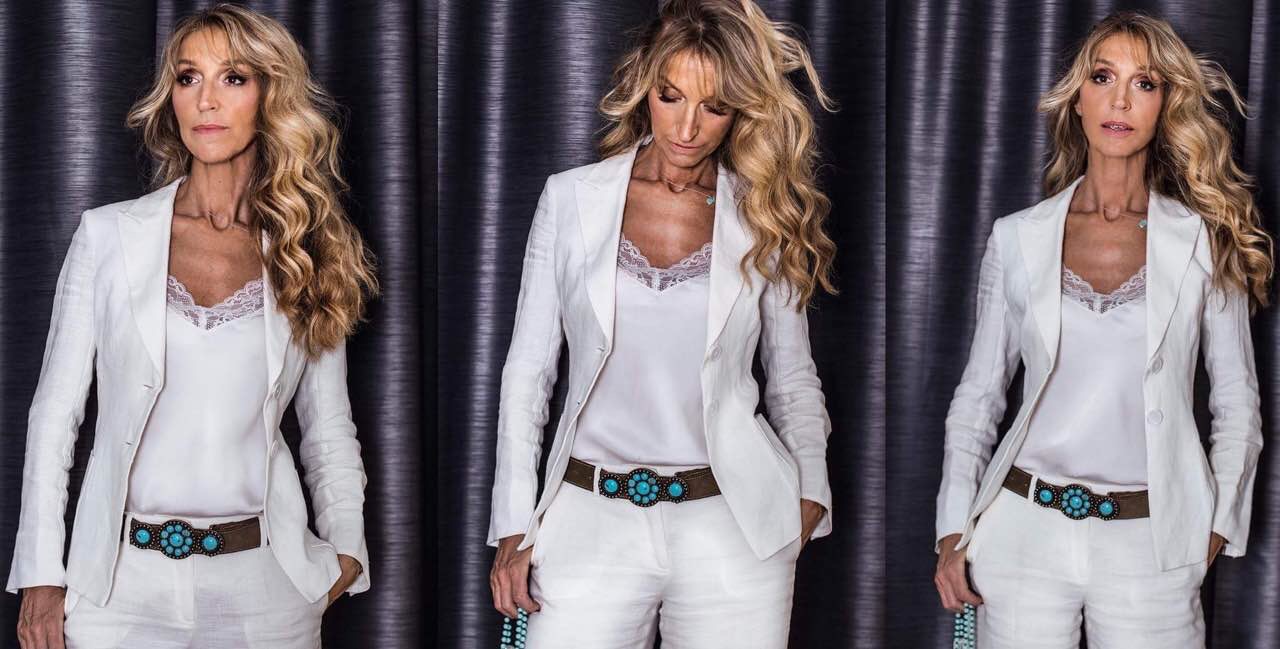
I met Bojana Nikitovic on Mamula Island, where we were both guests. What caught my attention first was the woman herself: her warmth, her smile, her natural charm and an unmistakable sense of personal style. Friendly, gracious and wonderfully easy to talk to, she had the kind of presence that draws people in without ever demanding their attention. At that moment, I had not yet connected the woman standing before me with the remarkable body of work behind her name. It was a lovely reminder that sometimes a first impression opens the door to a much larger discovery.
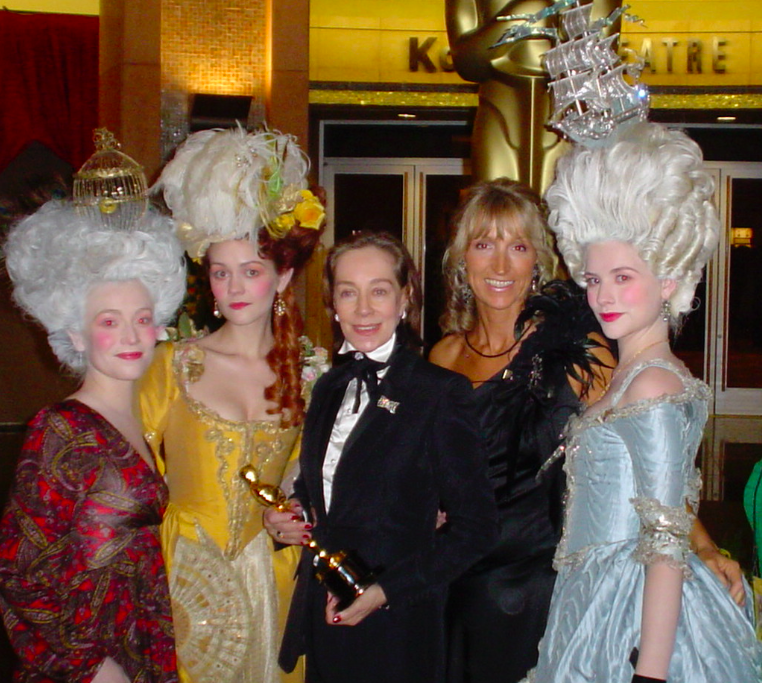
Once I began looking more closely at Bojana's career, the scale of her achievements came into sharper focus. Her work spans theatre, opera, ballet and international film and television, from Sofia Coppola's Marie Antoinette, on which she worked as assistant to four-time Academy Award-winning costume designer Milena Canonero, to HBO's Dune: Prophecy. In 2025, Nikitovic won the Costume Designers Guild Award for Excellence in Sci-Fi/Fantasy Television for Dune: Prophecy and received a Primetime Emmy nomination for Outstanding Fantasy/Sci-Fi Costumes. These international honours sit alongside a distinguished career in theatre, recognised with multiple Sterija Awards and Ardalion Awards, among other professional distinctions.
For Nikitovic, working alongside Canonero on Marie Antoinette was an important chapter in an international career that has continued to evolve across historical drama, science fiction and large-scale productions.
Yet Bojana's own artistic identity was formed long before Hollywood entered the picture, on theatre stages where the relationship between costume, actor and character is immediate and deeply physical. That foundation remains central to her approach. Speaking with her, I was struck by how naturally she moves between the grand scale of contemporary productions and the intimate details of her craft. There is no unnecessary mystification of the process, nor any attempt to separate the creative vision from the practical work required to realise it. For Nikitovic, imagination is only the beginning. What follows is research, experimentation, collaboration and an extraordinary amount of making.
A Theatre Education That Never Leaves
"I am very happy that I started my career in theatre," Bojana tells me. Those early years taught her to follow a production from rehearsals through the gradual development of each character, building relationships with directors and actors along the way. She was fortunate to work with leading theatre directors and performers in the region during a period marked by sanctions and international isolation. The circumstances were difficult, but the experience gave her confidence and prepared her for the demands of international film productions.
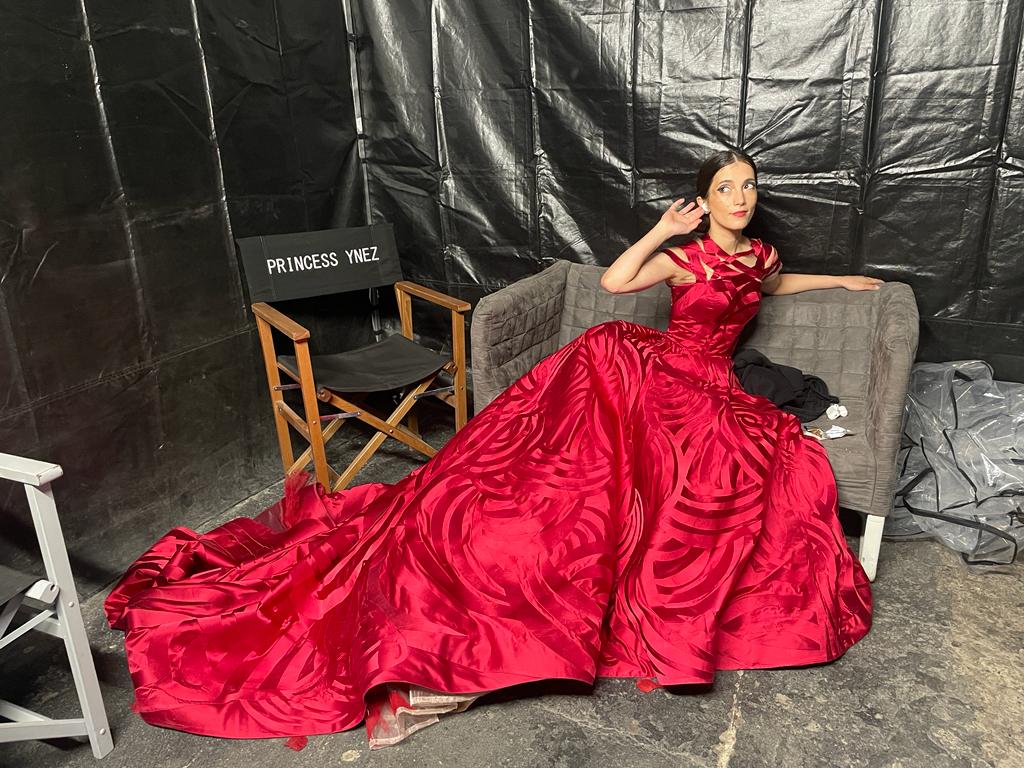
Theatre also established something fundamental in her understanding of costume: clothing has to belong to the person wearing it. A design may be visually compelling on a sketch or a mannequin, but its real purpose emerges when an actor inhabits it. The fabric has to move with the body; the silhouette has to support the character; the smallest detail must feel as though it belongs to the world of the story.
This is why research occupies such an important place in her process. Before beginning a design, she wants to understand the subject, the setting and the period as thoroughly as possible. Historical references, cultural context and seemingly minor details all contribute to the final result. Preparation, she explains, gives her the confidence needed to navigate the scale and complexity of major productions.
A costume, in her view, should reveal a character's story. Its purpose extends beyond appearance, allowing the actor to feel at home in a different skin. It is an idea that connects her theatre work to everything she has done since, regardless of genre, period or budget.
Building a Universe, One Texture at a Time
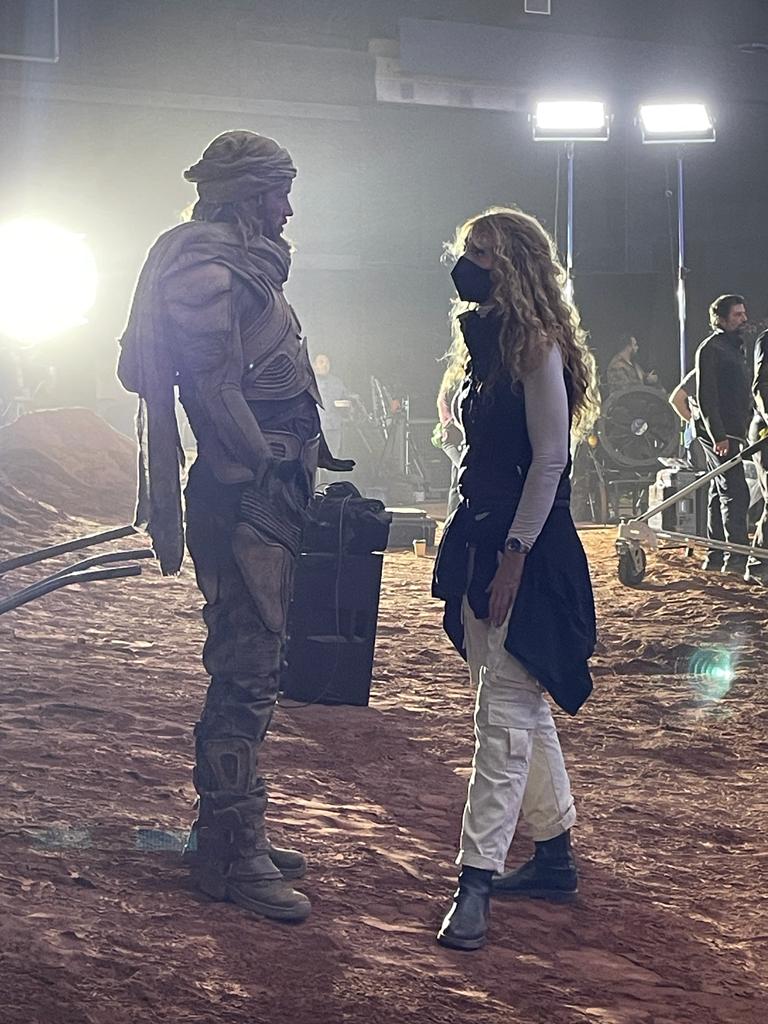
With Dune: Prophecy, Nikitovic faced a challenge of considerable proportions. The series draws on the universe created by Frank Herbert and developed further by Brian Herbert and other writers, while telling a story set 10,000 years before the events familiar to audiences from the original Dune films. The task was to honour a world with an intensely devoted following while establishing a distinct visual identity of its own.
The freedom to create was exhilarating, she recalls, but it came with responsibility. The audience knows the Duneuniverse intimately, and its expectations are correspondingly high. At a certain point, however, the team had to trust its instincts and commit to a new interpretation.
That decision required a remarkable degree of invention. Costume design in an imagined universe cannot rely on the historical wardrobe archives that might inform a period drama. Every choice, from the architecture of a silhouette to the treatment of a surface, contributes to the audience's understanding of a society that exists outside our own experience.

For Nikitovic, fabric is one of the most expressive tools available. She considers its sheen, weight, volume and movement in relation to the camera, knowing that a material which appears extraordinary in a workshop may behave very differently under studio lighting or in motion. Colour and texture often require extensive experimentation, including dyeing, printing, laser cutting, gluing and ageing.
On Dune: Prophecy, her team explored new ways of building surfaces by layering fabrics and creating raised textures that would catch the light. Traditional techniques and modern technology became partners in the process. The result was the development of materials that could communicate the atmosphere and identity of this fictional universe.
Such work also reveals the relationship between costume design and cinematography. A dark garment, for example, must retain its structure and character when photographed in low light. Surface detail, the way a fold catches illumination, or the contrast between two materials can determine whether a costume feels dimensional on screen. These decisions are rarely accidental. They emerge from a close understanding of how the image will ultimately be seen.
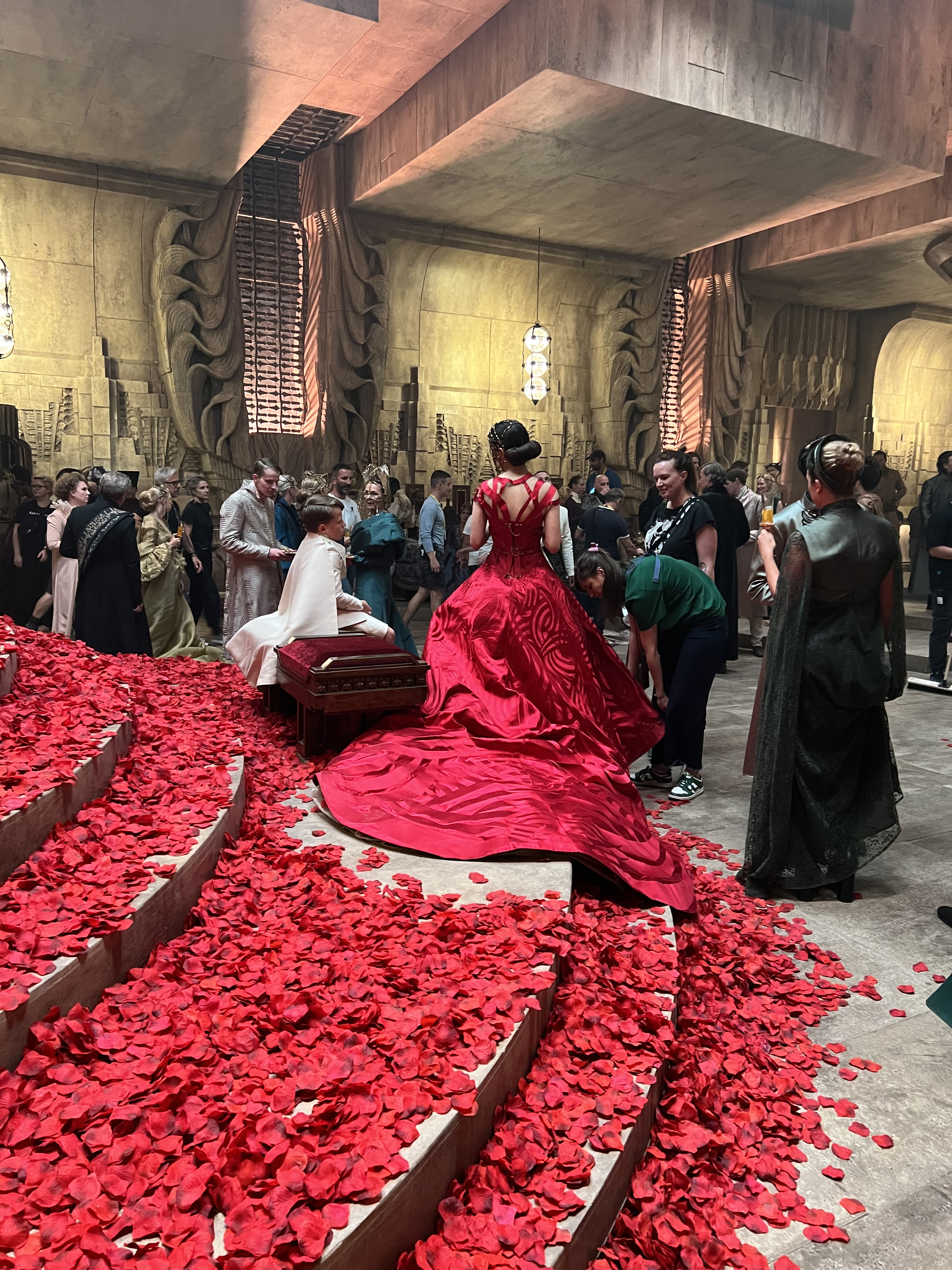
The scale of the undertaking is considerable. On a major production, Nikitovic may find herself overseeing a costume department of more than a hundred people. She describes the experience with characteristic candour: at times, she feels less like a designer than someone running a factory.
Her working day begins early. She likes to arrive before the rest of the team, allowing herself an hour of quiet to review the work and plan what lies ahead. Drawings are discussed, solutions are tested and apparently impossible ideas are brought into the realm of the achievable. She is quick to acknowledge the people around her, whose skill and dedication make the work possible.
Collaboration with the production designer and cinematographer is equally essential. Costume, set and image must function as parts of the same visual language, each informing the others. Even when a garment appears briefly, or much of its detail is lost in a close-up of an actor's face, Nikitovic approaches it with the same care. She works as though every element will be seen.
The Character Inside the Costume
For all the technical sophistication involved in her work, the actor remains at its centre.
Nikitovic has learned from theatre how sensitive performers can be to what they wear. A costume changes posture, movement and sometimes the way an actor understands a character. The fitting room, therefore, becomes a place of discovery rather than simply the final stage of production.
She listens to the actor's thoughts and considers what might be adjusted to make the costume feel right. Sometimes, a fitting changes the design entirely. Seeing an actor genuinely happy in a costume is one of her greatest satisfactions; the difference is immediately visible in the way the person moves or looks at themselves in the mirror.
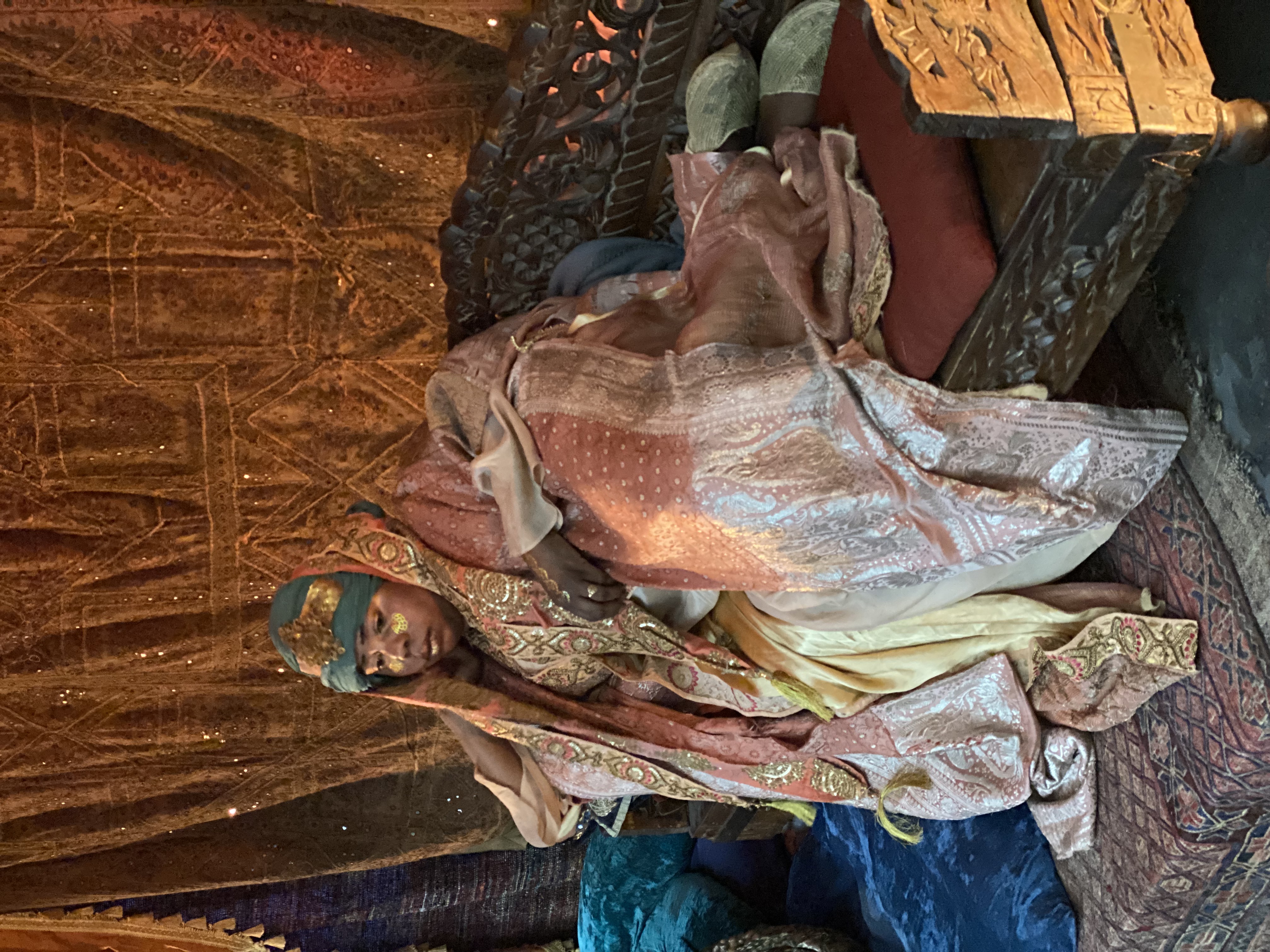
It is a process that requires both conviction and openness. A designer must arrive with a clear vision, yet remain willing to recognise something unexpected when the garment meets the person who will bring it to life. In this exchange, the character begins to take shape through a combination of research, design and performance.
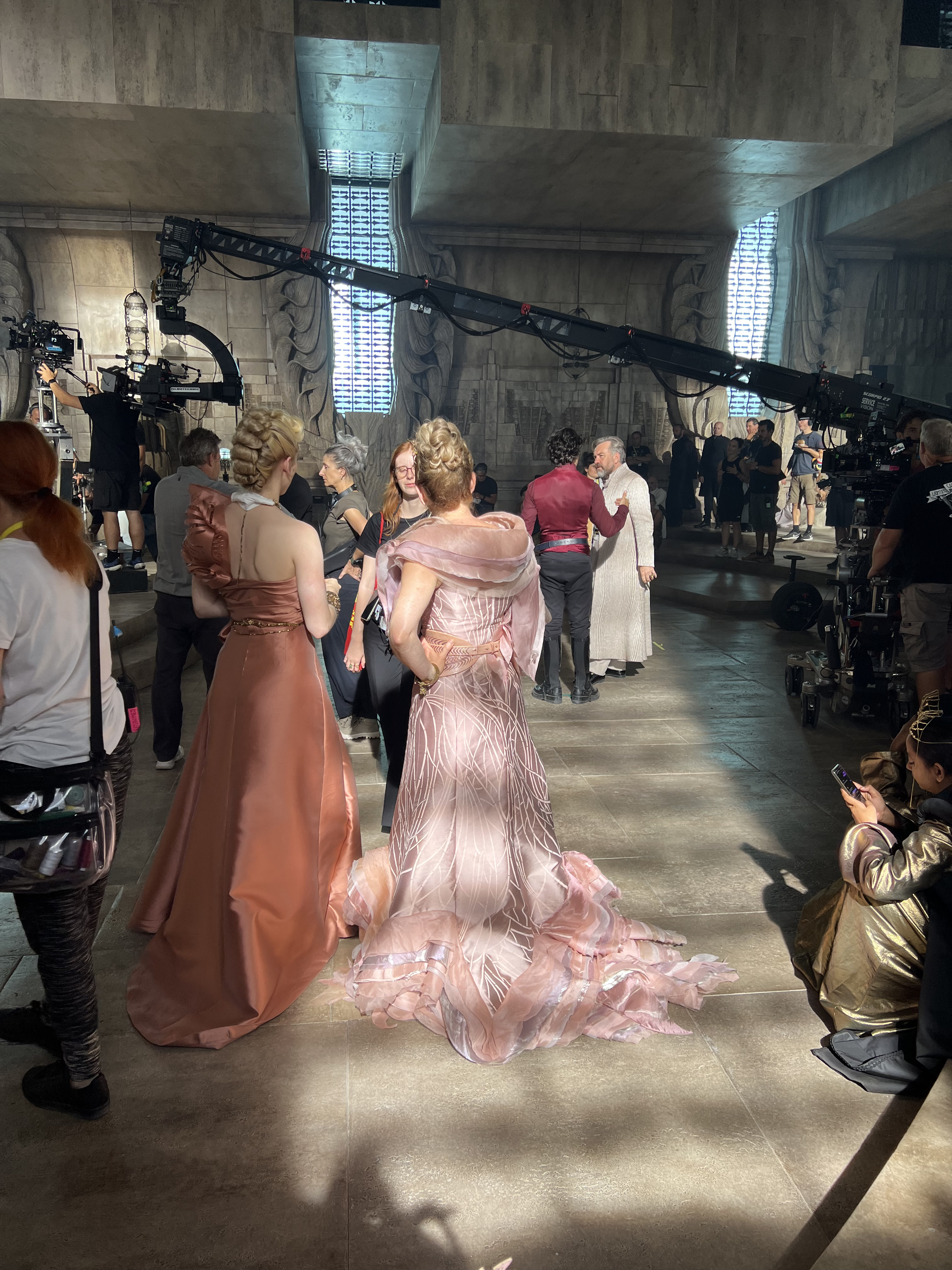
The same principle applies to historical productions, where the temptation to treat clothing as a display of period detail can be strong. Nikitovic is drawn to the nineteenth century, with its dramatic changes in silhouette, but she also finds inspiration in more recent decades. The 1980s, once contemporary, now offer the pleasures and challenges of a period setting in their own right.
What interests her is the opportunity to explore a particular world through clothing, especially when costume has a meaningful role in the storytelling. She remains enthusiastic about the work itself, whether the project takes place in a recognisable historical setting or an entirely imagined future.
From Marie Antoinette to the Arabian Desert
Nikitovic's professional journey has taken her through markedly different cinematic landscapes. Her work as assistant costume designer to Milena Canonero on Marie Antoinette, directed by Sofia Coppola, placed her within a production whose visual identity is inseparable from its interpretation of eighteenth-century France. Canonero's costumes helped shape the film's distinctive world, balancing historical references with Coppola's highly individual sensibility.
Working alongside a designer of Canonero's stature offered an important experience of international filmmaking. Canonero's four Academy Awards, including those for Barry Lyndon, Chariots of Fire, Marie Antoinette and The Grand Budapest Hotel, reflect a career of extraordinary range. For Nikitovic, the experience of contributing to a production within that creative tradition forms part of a journey that has continued to take her into new visual territories.
Her connection with the Middle East brings another dimension to this story. On Desert Warrior, directed by Rupert Wyatt and filmed in Saudi Arabia, she was responsible for creating the costumes for a historical epic made on a scale that presented unfamiliar challenges. The landscape itself became an essential part of the experience.
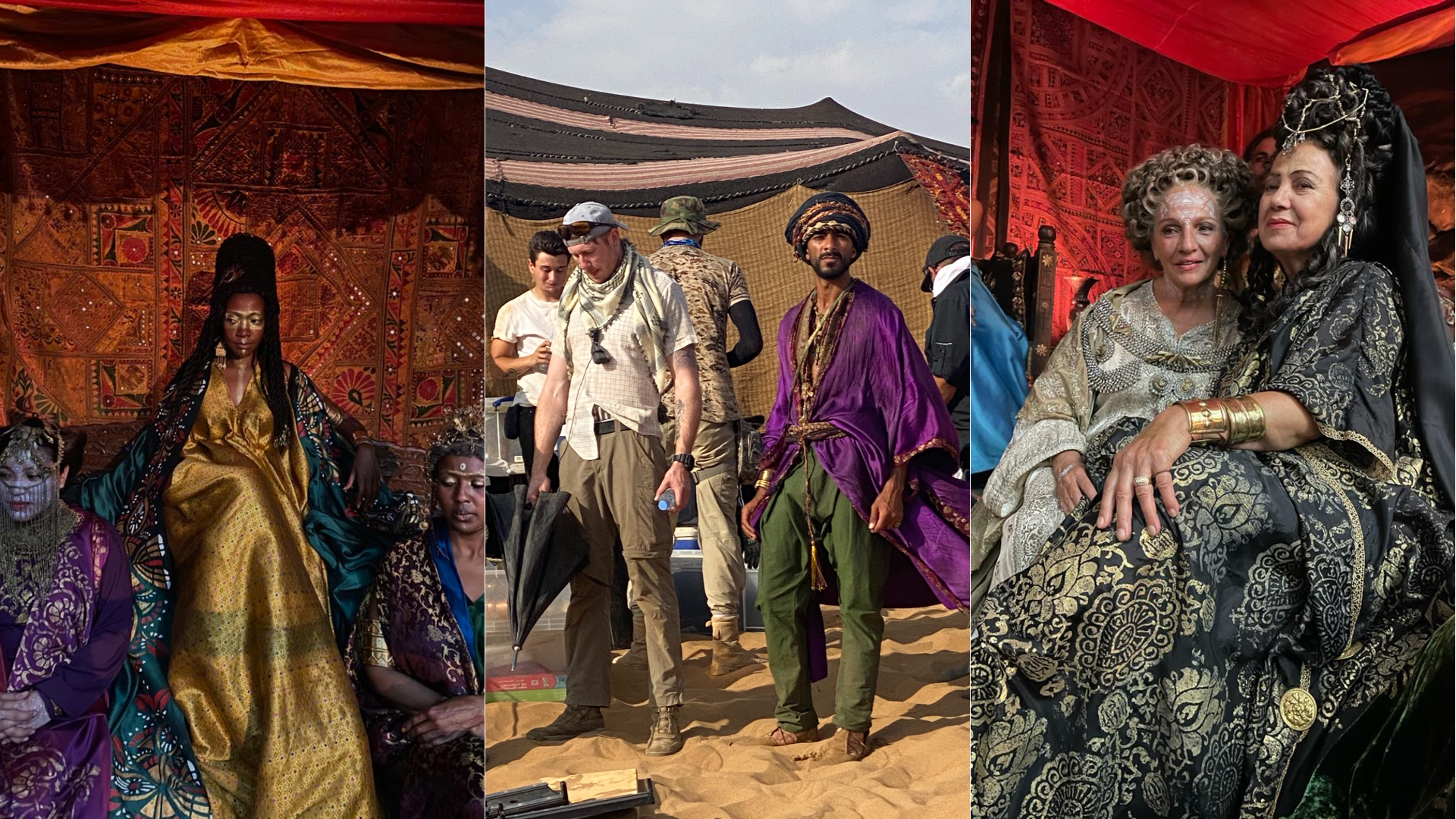
"I fell in love with Saudi Arabia while working on Desert Warrior," she says. She remembers the desert as one of the most magical places she has experienced, and recalls how the entire crew shared a fascination with the country and its people. She is particularly proud to have been part of a pioneering production in the Kingdom, and speaks warmly of the friends she made there and her hope of returning.
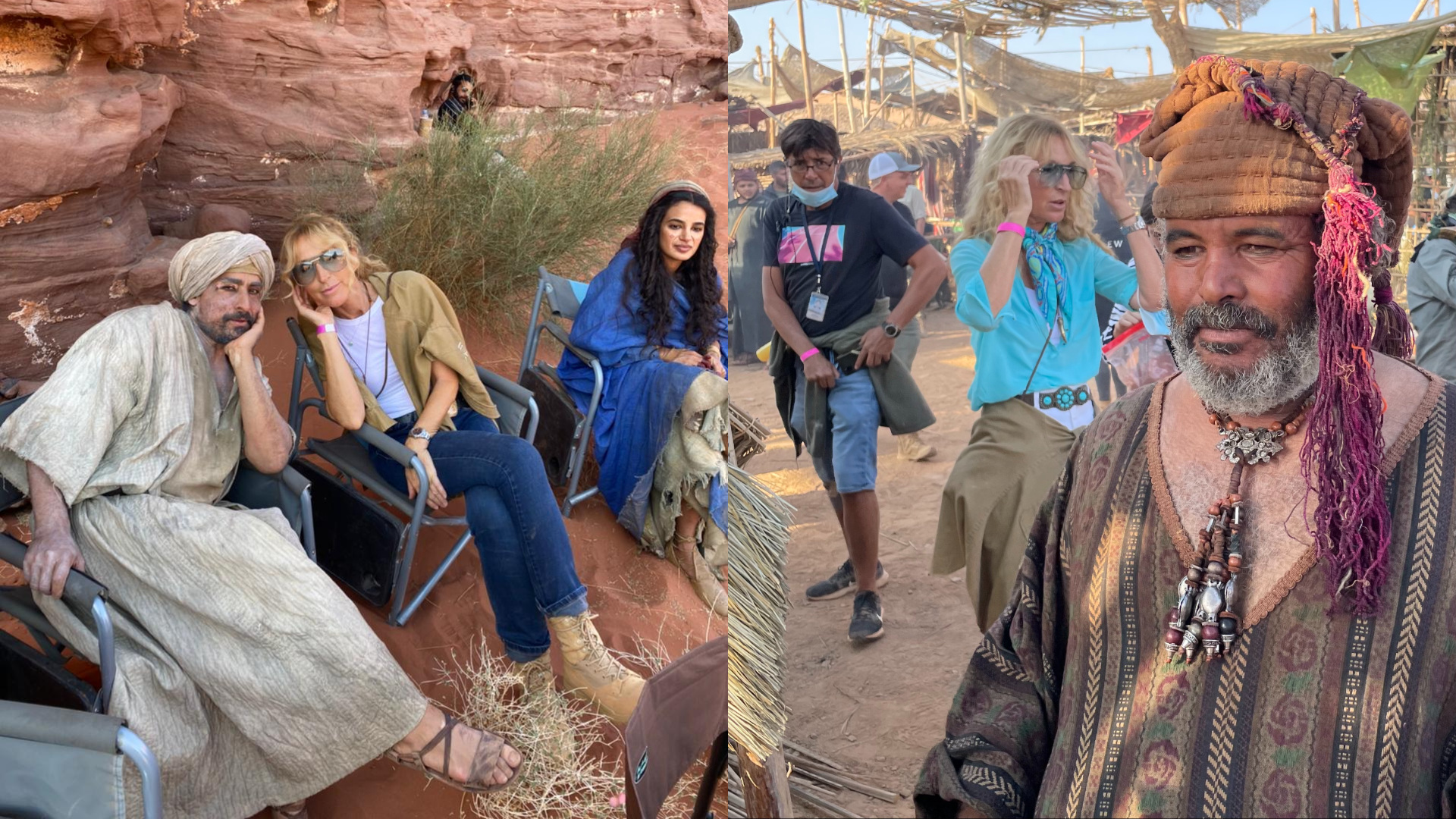
The project required her to work in a different environment while creating a visual world appropriate to the film's historical setting. It also offered the experience of working within a major production in a country where filmmaking on that scale was still developing. For a costume designer, the landscape, climate, materials and cultural context all become part of the creative equation, influencing both the research and the practical decisions made on set.
There is a compelling connection between this experience and her work on Dune: Prophecy. One draws on a historical setting and the physical presence of the Saudi desert; the other asks its audience to believe in a distant future through the language of invented societies, distinctive silhouettes and carefully constructed materials. Both depend on the same underlying principle: a world becomes convincing when its details belong together.
The Unseen Art of Cinema
Costume design occupies an unusual position within filmmaking. It is immediately visible, yet its work often goes unnoticed. When it succeeds, the audience accepts a character's appearance as an intrinsic part of the story, rarely pausing to consider the research, construction, fittings, hand-finishing and collective effort behind it.
Nikitovic understands this paradox. She knows that a costume may appear on screen for only a moment, but that its success depends on decisions made long before the camera begins to roll. A garment can suggest power, vulnerability, social standing or a character's place within a particular culture without the dialogue having to explain any of it. Its shape and texture can establish a world before a single word is spoken.
This is where her background in theatre and her experience in international cinema meet. Both disciplines demand an understanding of the person inside the clothing, while film introduces its own particular relationship with the camera, light and movement. The work is collaborative at every stage, but it also requires a designer to retain a clear sense of what each costume must communicate.
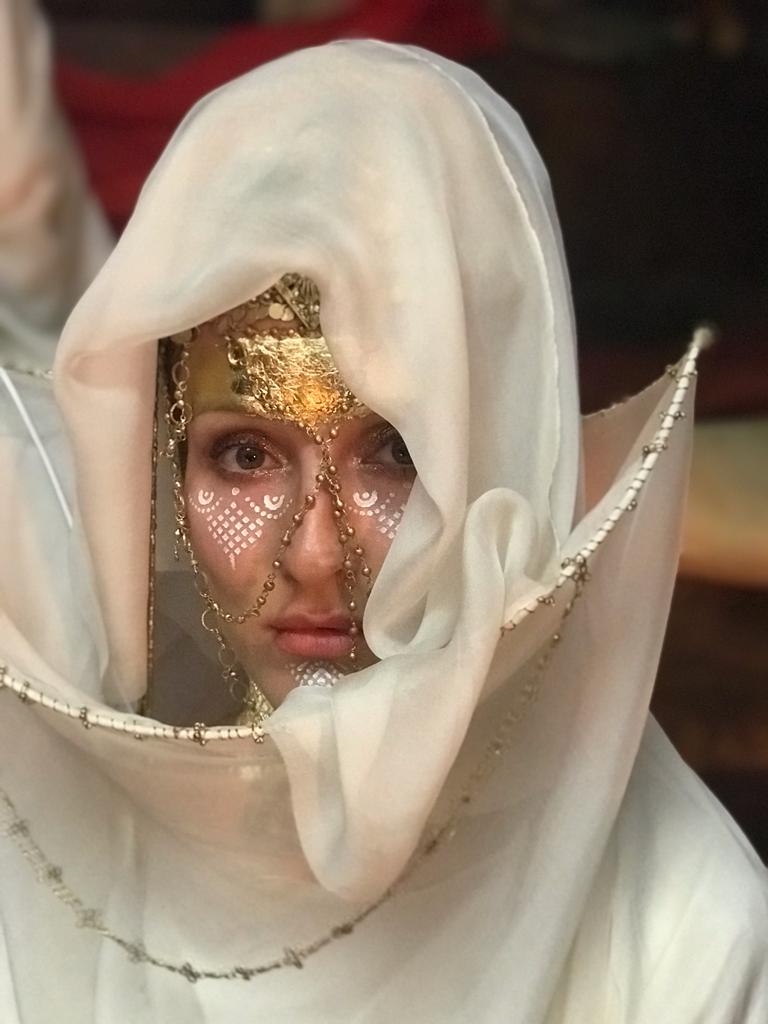
When I think back to Mamula Island, I remember the warmth and charm that first drew me towards Bojana. Learning more about her work has added another dimension to that first impression: the discipline behind the creativity, the practical intelligence behind the visual imagination, and the generosity required to build something with a large team while remaining attentive to the individual actor.
Her career is a reminder of how much costume contributes to the emotional and visual life of a film or theatrical production. The garment may be made of fabric, leather, metal or carefully constructed layers of unfamiliar materials, but its purpose is ultimately human. It helps an actor inhabit a life, gives a fictional society its identity and allows an audience to enter a world that might otherwise remain beyond its reach.
For Bojana Nikitovic, that is the enduring fascination of the work. Whether she is dressing a character in an eighteenth-century court, building the visual codes of an imagined civilisation or exploring the vast landscapes of Saudi Arabia, the essential question remains the same: what does this person wear, and what does it tell us about who they are?