Conversation with Özlem Sahin, CEO of Modest Fashion Weeks by Think Fashion
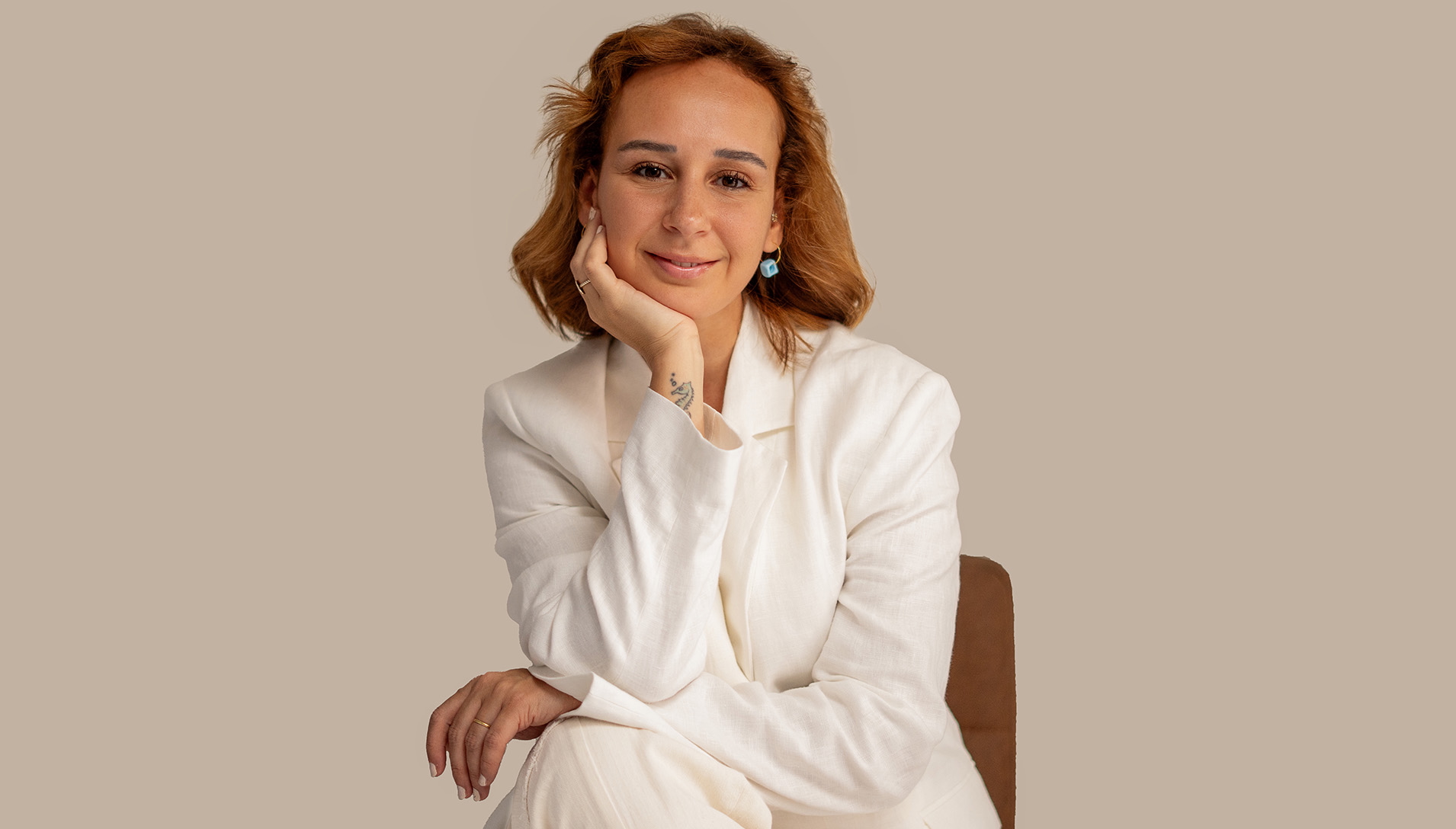
As modest fashion continues to expand across international markets, Özlem Sahin has positioned herself among the leading figures shaping its global direction. As the CEO of Modest Fashion Weeks by Think Fashion, she has built a platform that connects designers, retailers, buyers, and creative professionals from different parts of the world, while opening new opportunities for brands that previously had limited international exposure.
With a background in industrial engineering and years of experience in fashion business development, Sahin approaches the industry with a combination of strategic planning and practical execution. Her work focuses not only on fashion presentations and events, but also on building long-term structures that support sustainable business growth. Through Think Fashion Trade and its expanding network, she continues to create spaces where creativity can develop alongside commercial opportunity.
In this conversation, Sahin discusses the origins of Global Modest Fashion Weeks, the growing influence of modest fashion within the international industry, and the challenges brands still face when addressing sustainability and inclusivity. She also reflects on the importance of authenticity in today’s market and shares her perspective on how fashion is moving toward a more connected and culturally aware future. For Sahin, the next phase of fashion will be defined not only by products, but by values, responsibility, and the ability to build meaningful global connections.
Tanja Beljanski: How did the idea for Global Modest Fashion Weeks originate, and what was the biggest challenge in launching it on a global scale?
Özlem Sahin: The idea came from observing modest fashion brands with strong identity, authenticity, and untold stories, yet limited global visibility, not only in my country, but worldwide. I saw that modest fashion can naturally connect different groups, cultures, and social backgrounds through shared values. That realization shaped the foundation of Global Modest Fashion Weeks by Think Fashion. The biggest challenge was building a truly global platform from the ground up, earning trust across different markets, aligning diverse stakeholders, and proving that modest fashion is not a niche, but a global movement with real business potential.
How does Think Fashion Group successfully connect creativity with commercial growth through platforms like Think Fashion Trade?
At Think Fashion, creativity and commerce are never separate. Through Think Fashion Trade, we create structured opportunities where designers can turn creativity into business. This includes connecting brands with the right retailers, buyers, and markets, while supporting them in positioning, pricing, and scaling. Our strength comes from understanding both sides, creative vision and commercial reality, and building a bridge that allows brands to grow sustainably with a solution-focused approach. We aim to support the industry by solving real challenges.
Modest fashion is gaining increasing global attention. What do you believe is driving its growth and shaping its future?
Its growth is driven by inclusivity and relevance. Modest fashion speaks to different ages, body types, and lifestyles, making it naturally adaptable. At the same time, it aligns with the shift toward conscious consumption, where people are more mindful about what they wear and why. For us, modest fashion was never a trend. It has always existed and continues to grow steadily through authenticity and consistency. Looking ahead, its future will depend on how the industry strengthens supply chains, embraces innovation, and continues to reflect diverse voices.
How have your background in industrial engineering and leadership influenced the way you build and scale fashion businesses?
Industrial engineering trained me to think in systems, efficiency, and long-term planning, with a focus on optimization. In fashion, this translates into building structures, not just moments. Every project I lead is designed with scalability, sustainability, and measurable impact in mind.It also helps me stay solution-oriented. In a fast-moving industry, having a structured and multitasking mindset allows you to navigate complexity while staying focused on growth.
Regarding sustainability and inclusivity, what are fashion companies still getting wrong today, and how can they improve?
Many companies still approach sustainability and inclusivity as surface-level concepts rather than long-term commitments. These values cannot exist only in campaigns; they must be embedded across the entire supply chain and reflected in brand positioning, from design and production to hiring and business strategy. Improvement starts with building trust and consistency. Brands need to align their actions with their messaging and invest in systems that support real change, not just perception.
What is your long-term vision for the Think Fashion ecosystem, and how do you see the future of the global fashion industry evolving?
My vision is to position Think Fashion as a global ecosystem that connects creativity, culture, and trade in a meaningful way, while pioneering new and original projects. The future of fashion will be more diverse, more conscious, and more driven by authenticity. It will not be only about products, but also about what brands stand for. It will move away from one-directional trends toward a more inclusive and globally connected system, and we aim to play an active role in shaping that future.
related posts
Fashion Weeks
#MFW: Ferragamo AW23 Collection
Fashion Weeks
Rahul Mishra Couture Fall 23 collection

.JPG)