Corinthia Rome Opens its Doors
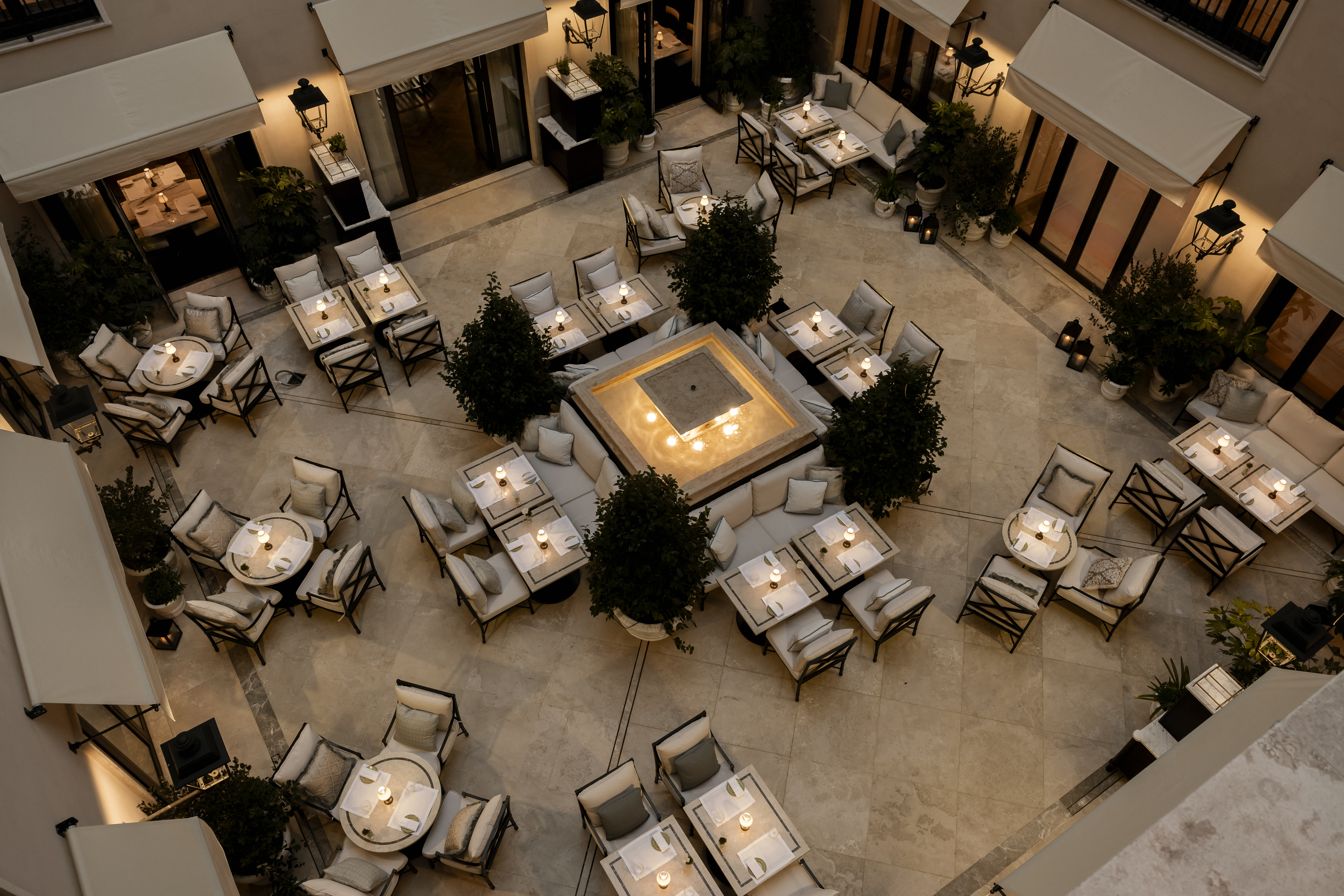
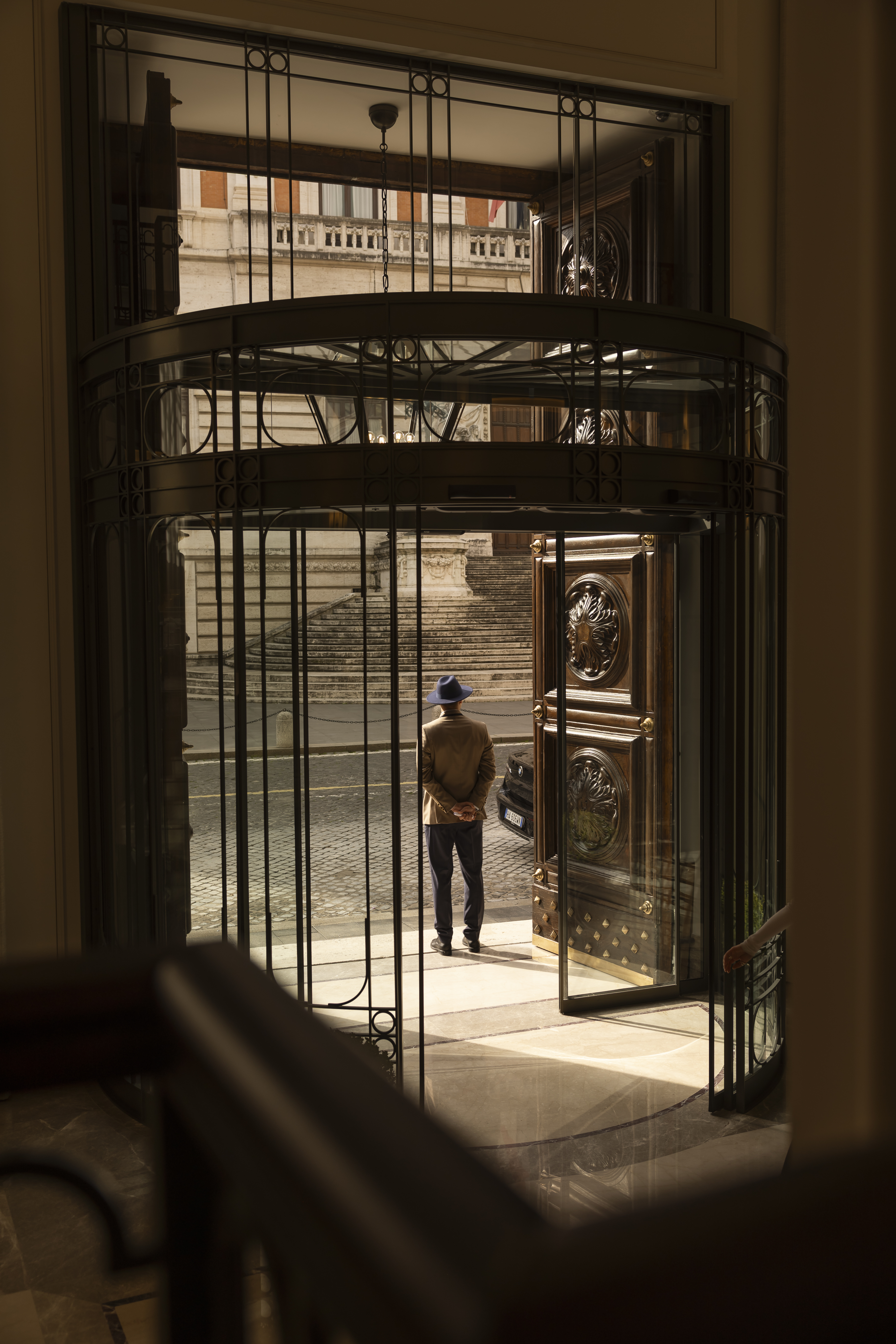
Some buildings hold their history so beautifully, that when you walk in, you feel like you’ve truly arrived. At Corinthia Rome, this happens the moment you step onto the Piazza del Parlamento and look up at the neoclassical facade of a building that spent the better part of a century guarding Italy's financial reserves. The weight of that history is still there. You can feel it in the stone, in the proportions, in the silence that somehow holds its own against the noise of one of the world's most visited cities. What has changed is everything else.
Corinthia Hotels' Italian debut is not a renovation in the conventional sense. It is a considered act of revival - of a 1913 palazzo designed by Pio and Marcello Piacentini, stripped of its later interventions, and returned, painstakingly, to its original self. The hospitality design studio GA led the restoration through what can only be described as forensic devotion: mosaics uncovered, stuccoes restored, painted ceilings brought back into the light, marble detailing allowed to speak again. The building did not need to be reimagined so much as it needed to be heard.
.jpg)
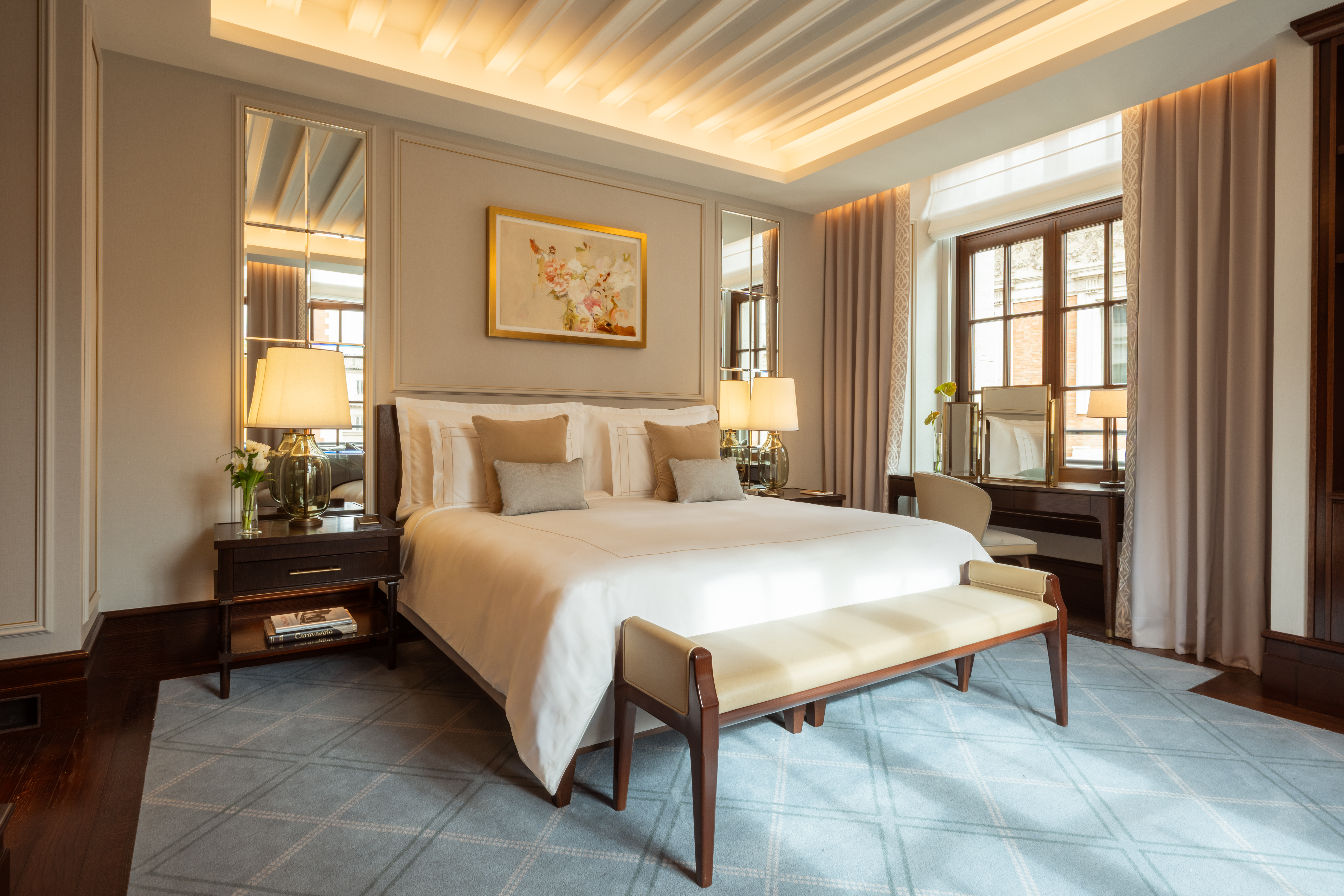
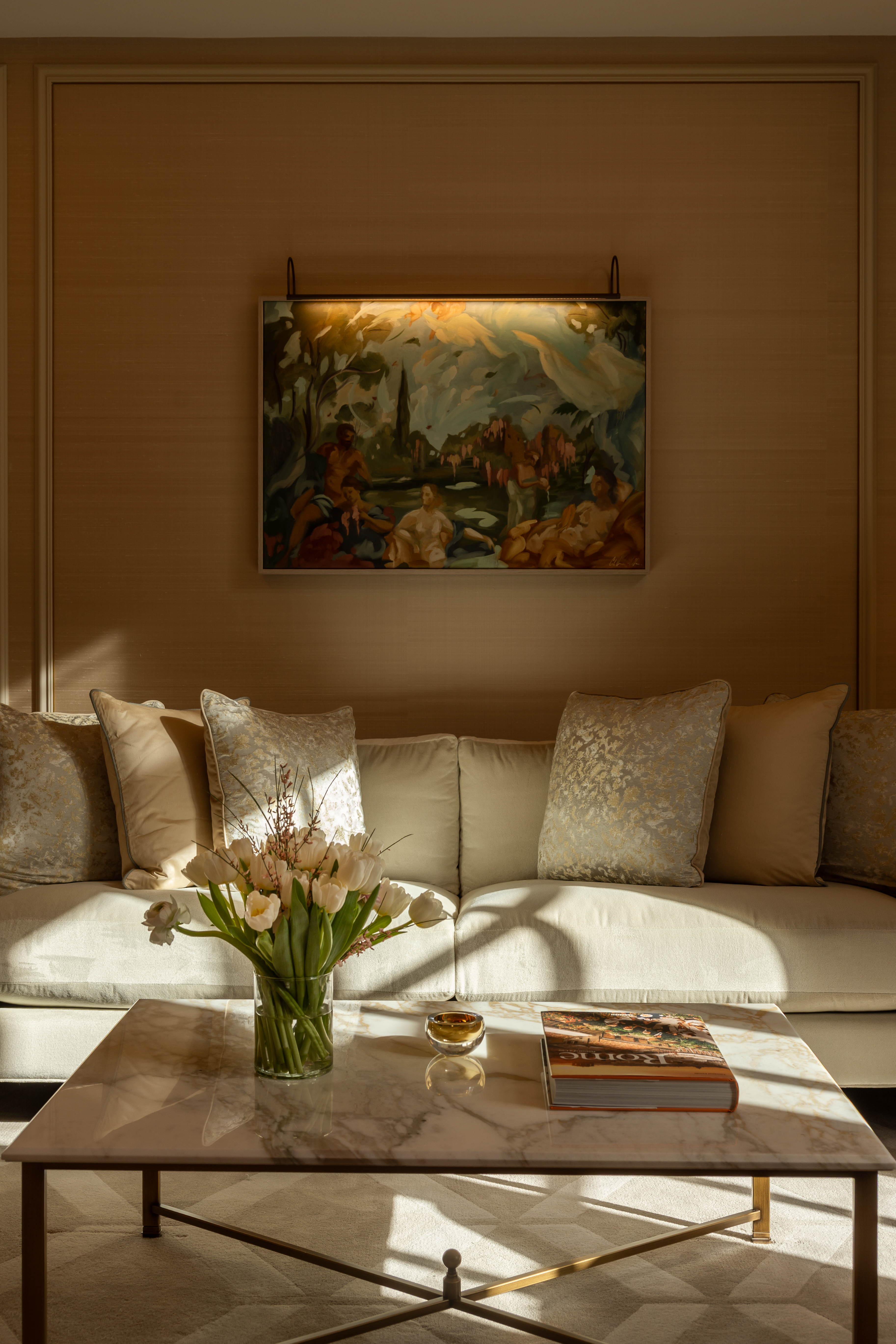
Sixty rooms and suites occupy this grand structure - a number that, against the scale of the architecture, feels deliberately, almost defiantly, intimate. The rooms are residential in spirit: high ceilings, large windows giving onto Rome or the inner courtyard, restored details paired with contemporary furnishings in a balance that never tips into pastiche. These are spaces that feel inhabited rather than staged.
The suites take that spirit further. The duplex Campo Marzio Suites, the Chigi Suite with its rooftop terrace, the Arte Suite - each carries its own interpretation of Roman character. But the room that stops you entirely is the Theodoli Heritage Suite, built within the palazzo's former Council Chamber. Above the bed, original 1920s frescoes by Giulio Bargellini and a ceiling by Guglielmo Janni - an allegorical map tracing the history of Italian currency, remain exactly as they were. Where Italy's financial decisions were once made, guests now sleep beneath painted civic virtues and symbolic processions.
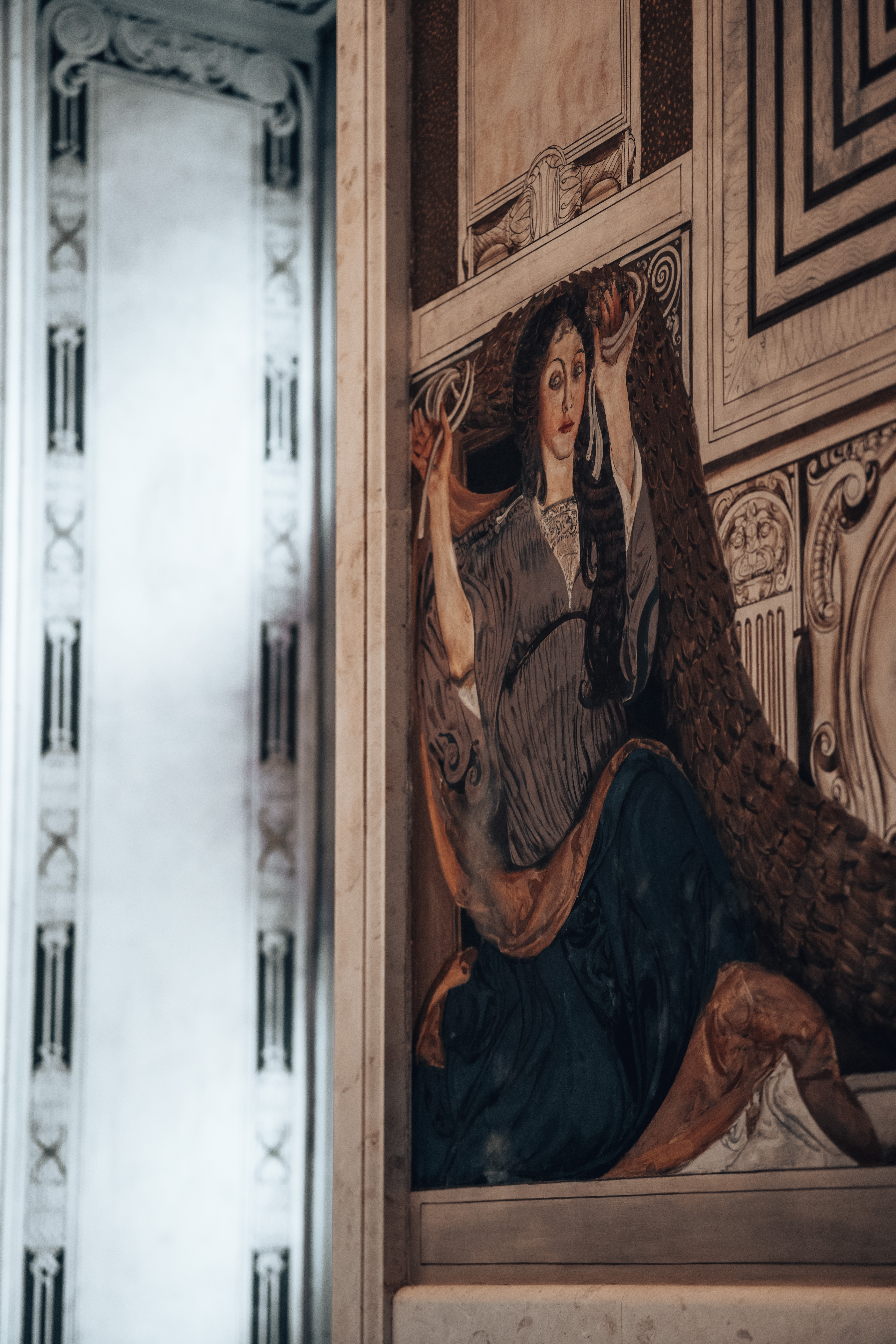
The art collection, curated by international consultancy VISTO, carries this dialogue through every corridor. Italian artists including Elisa Grezzani - whose monumental tapestry anchors the collection - alongside Francesca Longhini, Alice Faloretti and Maddalena Negrone have created new works for the building, displayed alongside their preparatory sketches. The effect is of a living archive, a place still in conversation with the tradition of artistic patronage that Rome has always understood better than anywhere else.
Downstairs, where the bank vault once safeguarded financial reserves, the Corinthia Spa now offers something the original architects could not have anticipated: the ritual of Roman bathing, reinterpreted in mineral stone and softened light. The treatment menu, developed with Italian brand Seed to Skin and 111Skin London, brings Tuscan botanicals into conversation with clinical innovation, a pairing as considered as the building around it.
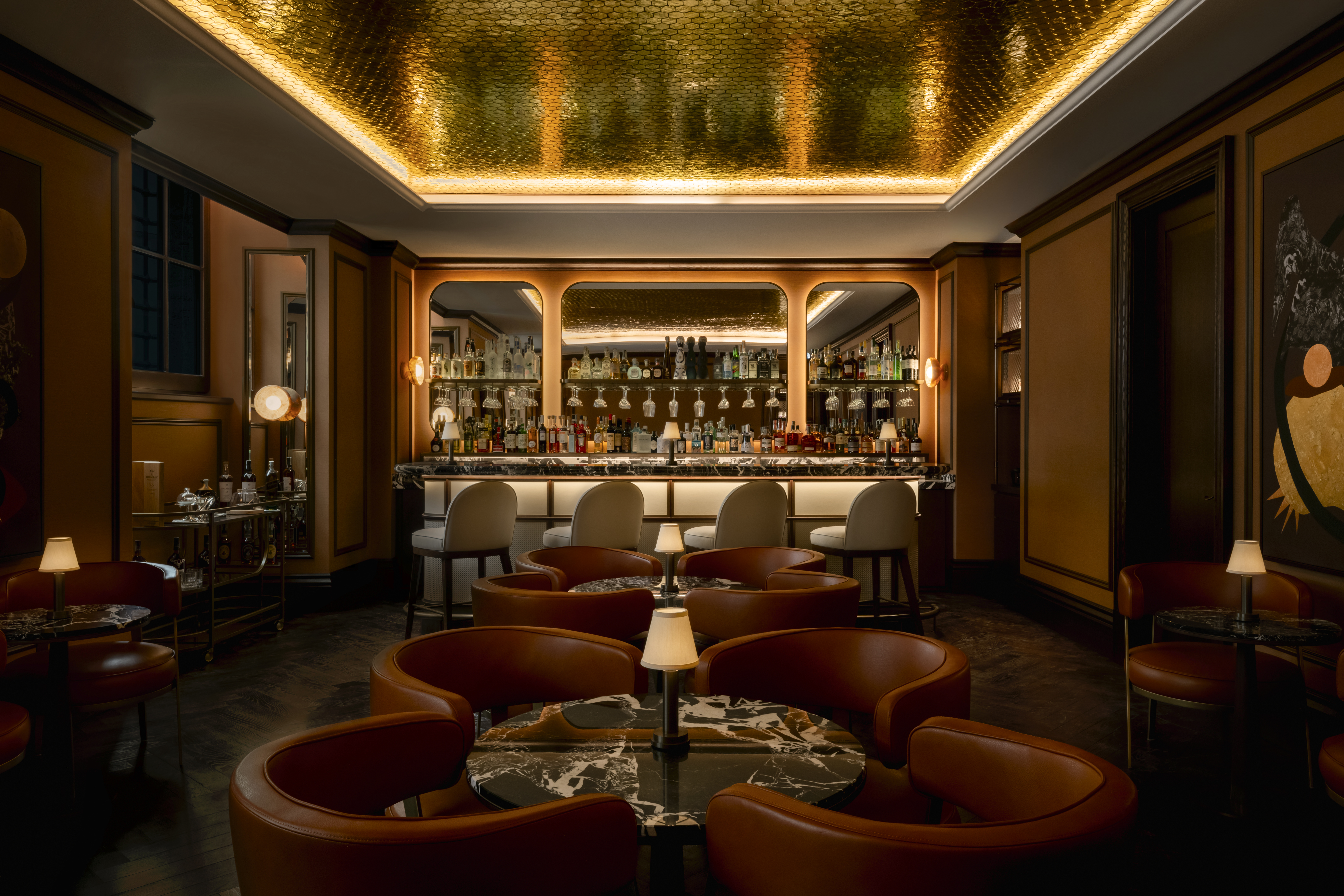
The social life of the hotel is in the hands of Carlo Cracco, Italy's celebrated chef, making his Roman debut here. At Viride, overlooking the interior garden, the menu is built on seasonal Italian produce expressed with quiet refinement. Piazzetta carries the louder, more generous spirit of Roman hospitality. Ocra Bar, warm and nocturnal, is where the evening properly begins.
"Corinthia Rome was created to be experienced," says Managing Director Danilo Zucchetti. "The authentic connection with Rome and its inhabitants is what matters most." It is the kind of statement that can sound like marketing until you're standing in a room where the frescoes are original, the light is afternoon gold, and the Pantheon is a short walk away. Then it simply sounds true.
An Easter package runs from 1 to 12 April 2026, including daily breakfast, early check-in, late check-out, room upgrade and a hotel credit.
www.corinthia.com
related posts
Travel & Living
Travel Sets For Him
.jpg)