Forty Minutes to Champagne
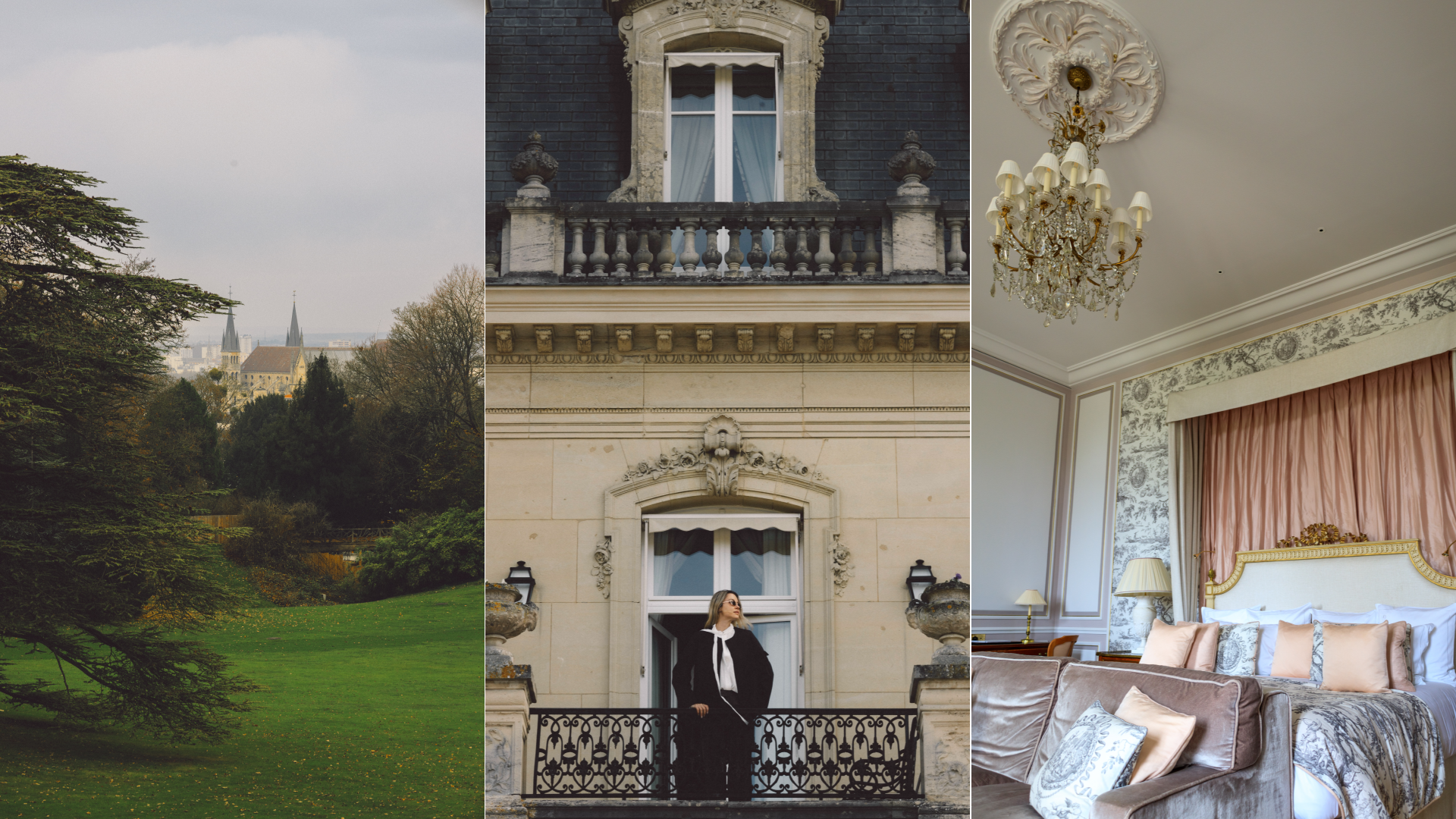
Paris-based fashion photographer Marta Romashina @wheremartawent , www.wheremartawent.com explores Champagne as an intimate extension of Parisian living, uncovering the region’s understated luxury through a mother–daughter escape to Reims.
There is something quietly subversive about Champagne. So close to Paris it barely registers as travel, yet far enough to loosen the city’s grip almost immediately. The journey begins at Gare de l’Est — coffee in hand, a small suitcase rolling behind — and ends forty minutes later in Reims, where time, like the wine, seems to move at a gentler pace.
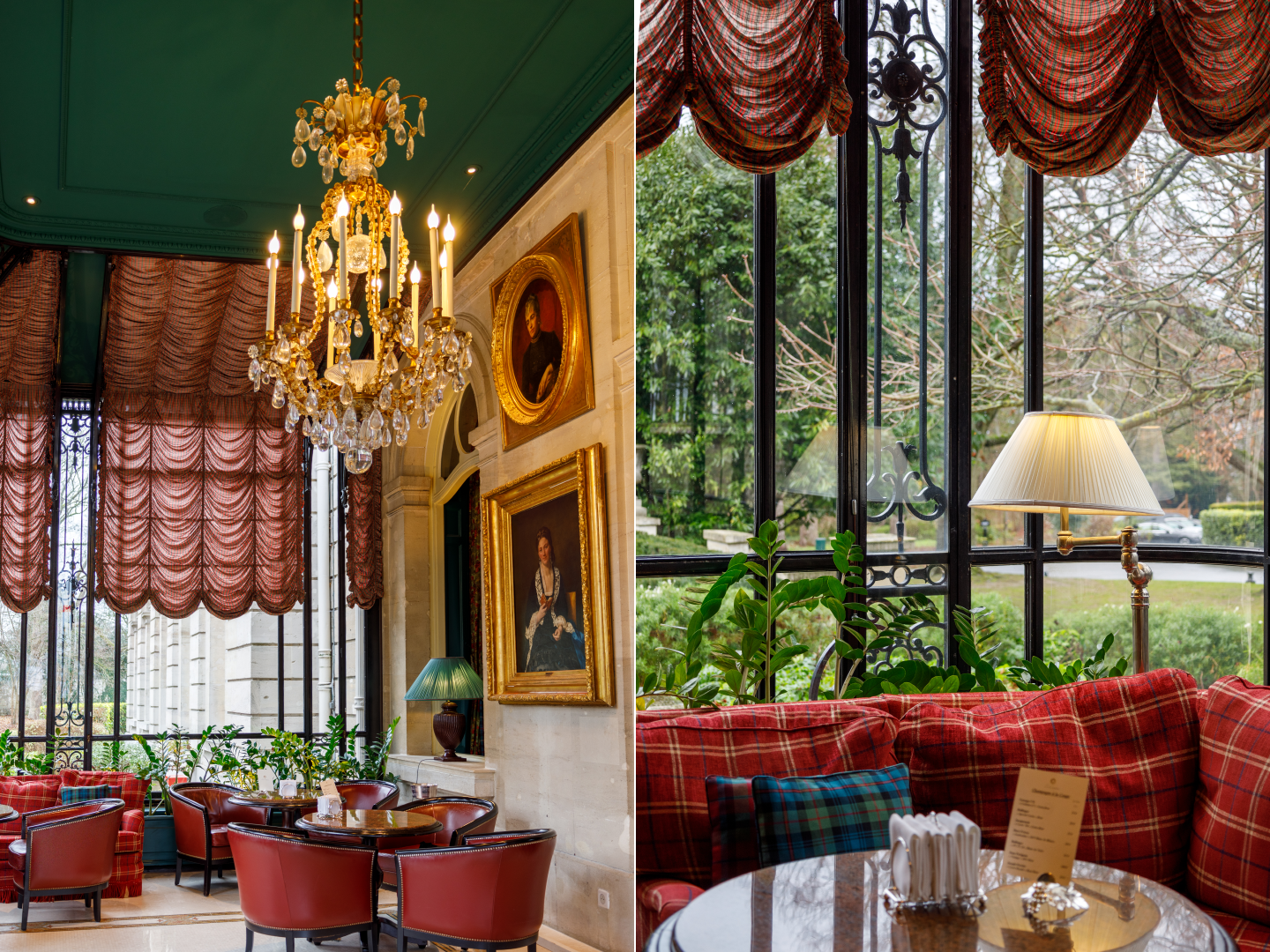
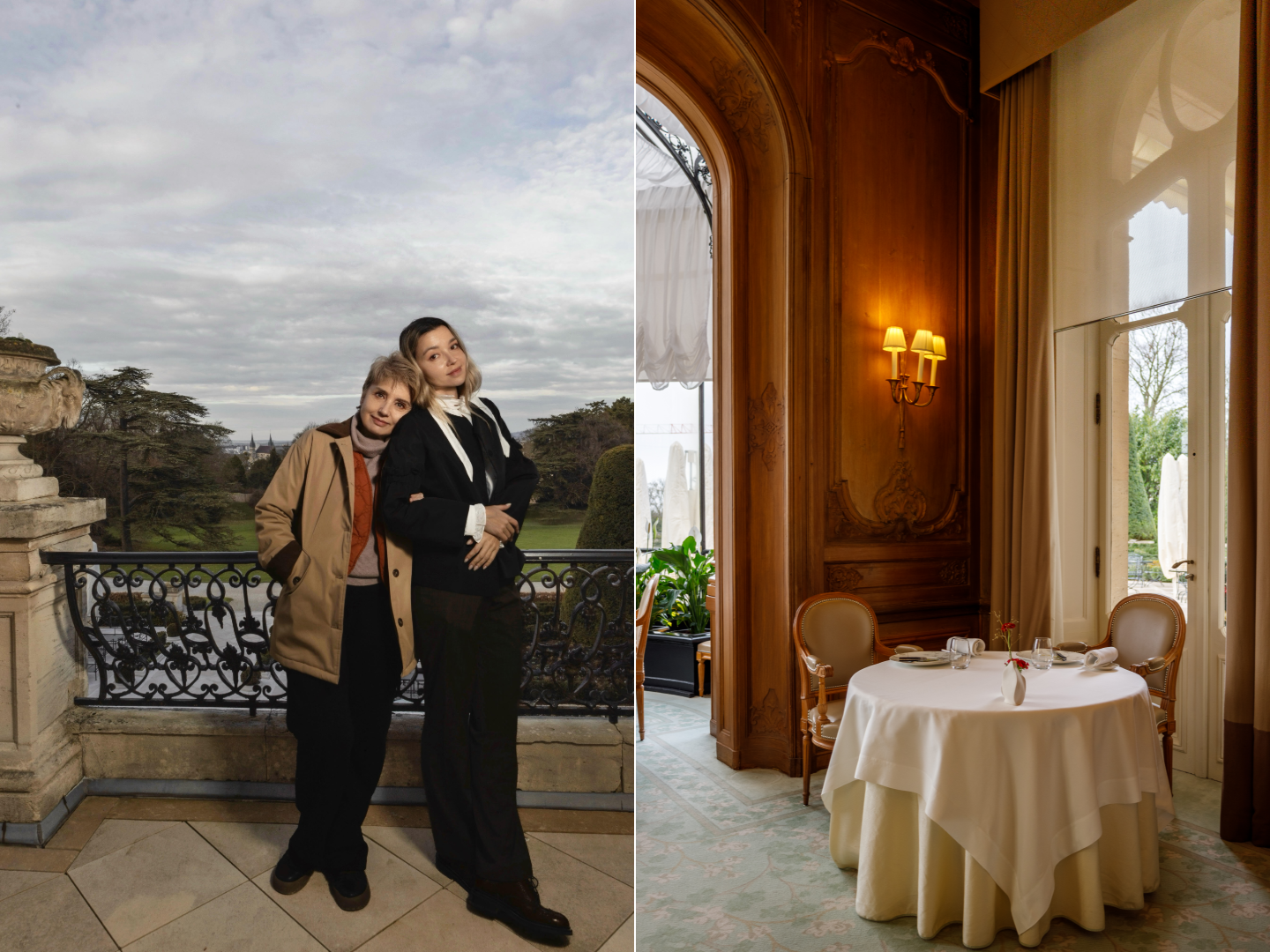
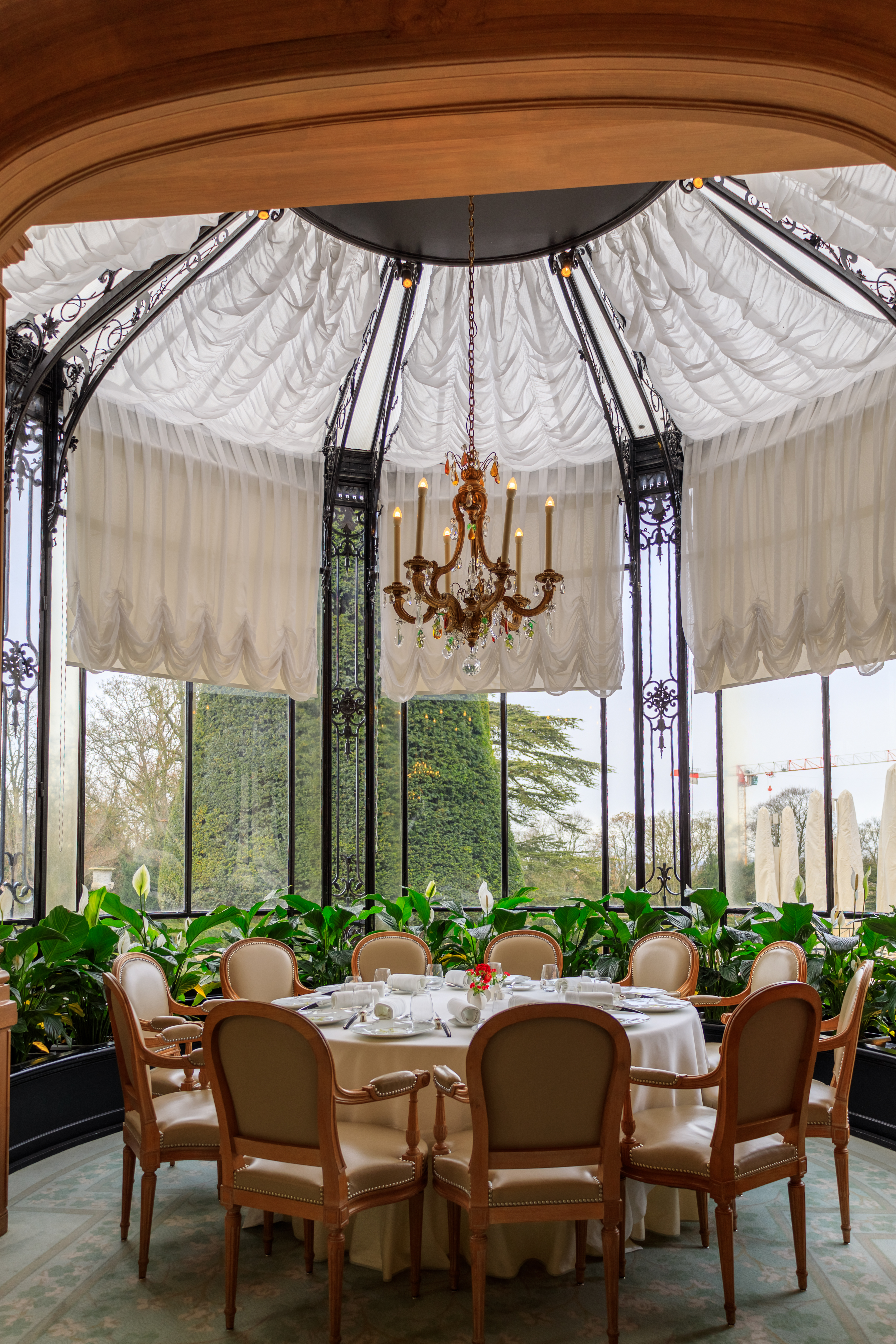
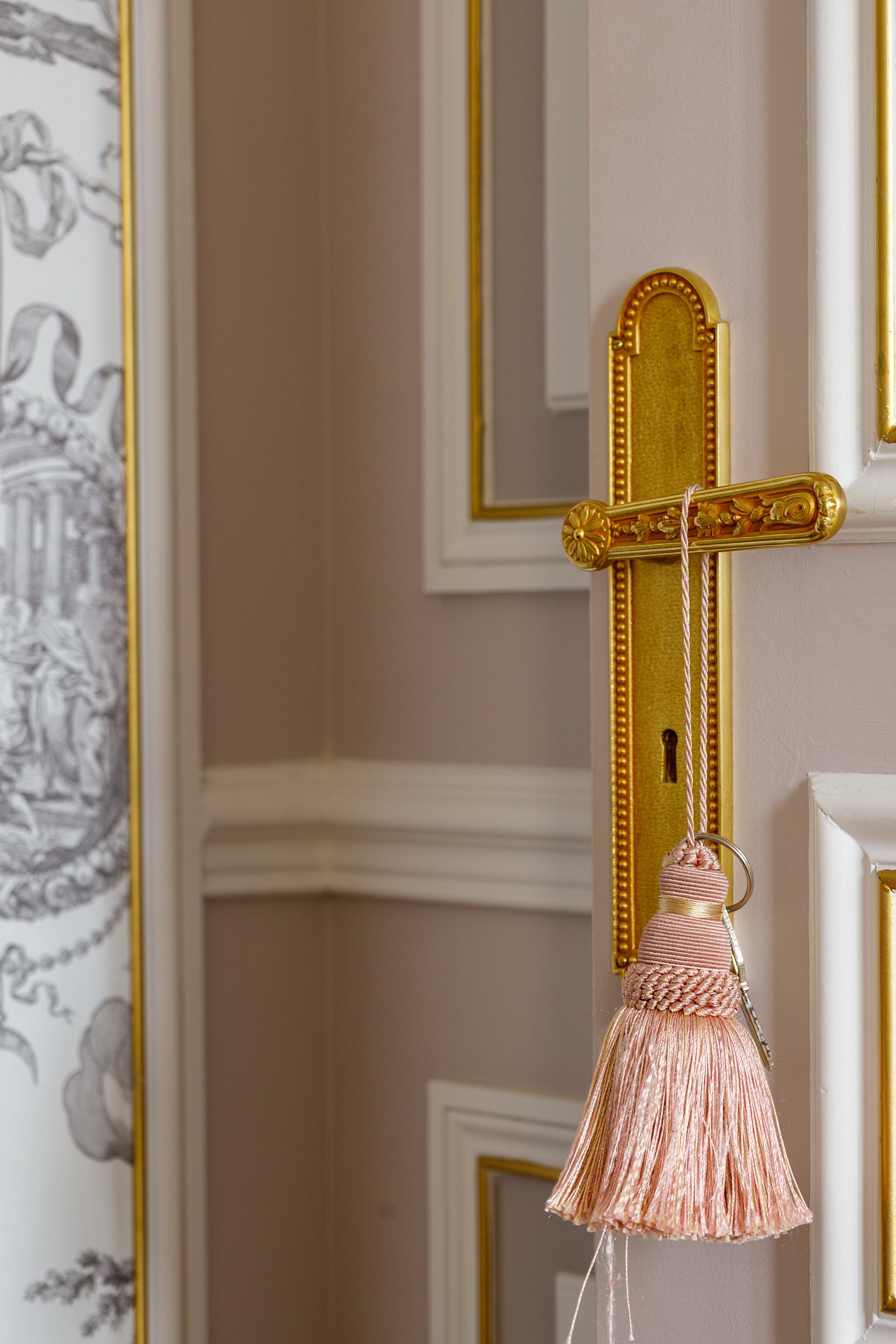
I travelled with my mum, a companion who appreciates beauty but values calm above all else. Domaine Les Crayères felt instinctively right. In an era of maximal travel and over-programmed itineraries, it offers something increasingly rare: containment. With just twenty rooms, the former residence of the de Polignac family has the intimacy of a private home rather than the performance of a grand hotel. Part of Relais & Châteaux, it embodies that rare balance of elegance without stiffness, luxury without insistence. Reimagined by Pierre-Yves Rochon, its interiors feel lived-in rather than staged — high ceilings, soft light, furniture that invites you to sit, not admire from afar.
We were met on the Reims platform by a porter from the hotel, waiting quietly beside a discreet car. It felt less like arriving somewhere new and more like being gently retrieved.
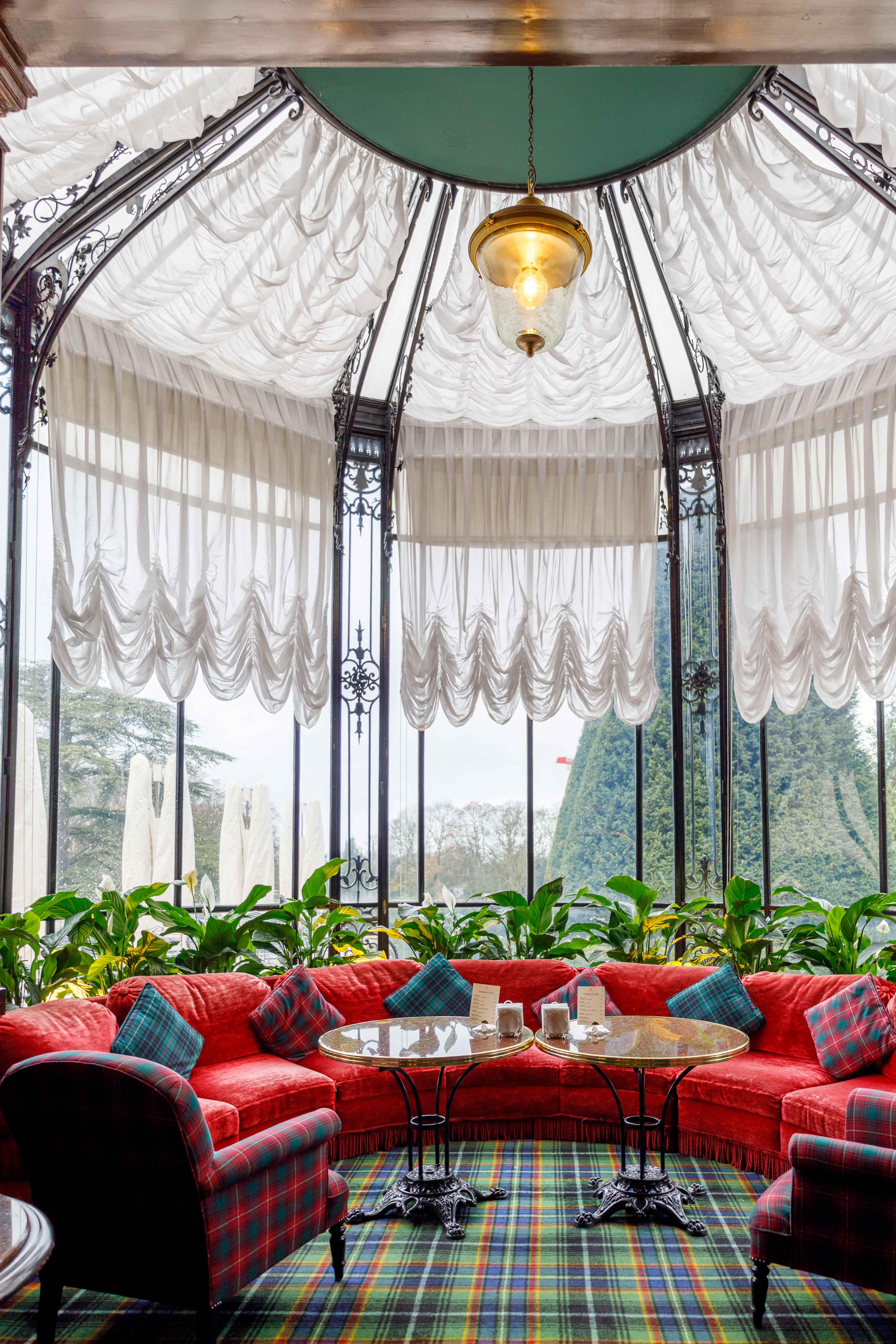
Before keys or formalities, Champagne appeared — poured with the unspoken confidence of a place that knows precisely where it stands. Bar La Rotonde is the kind of room that encourages pause: curved lines, muted tones, an atmosphere that suggests lingering rather than consumption. It was early, my mum raised an eyebrow, and then her glass. In Champagne, even hesitation feels out of place.
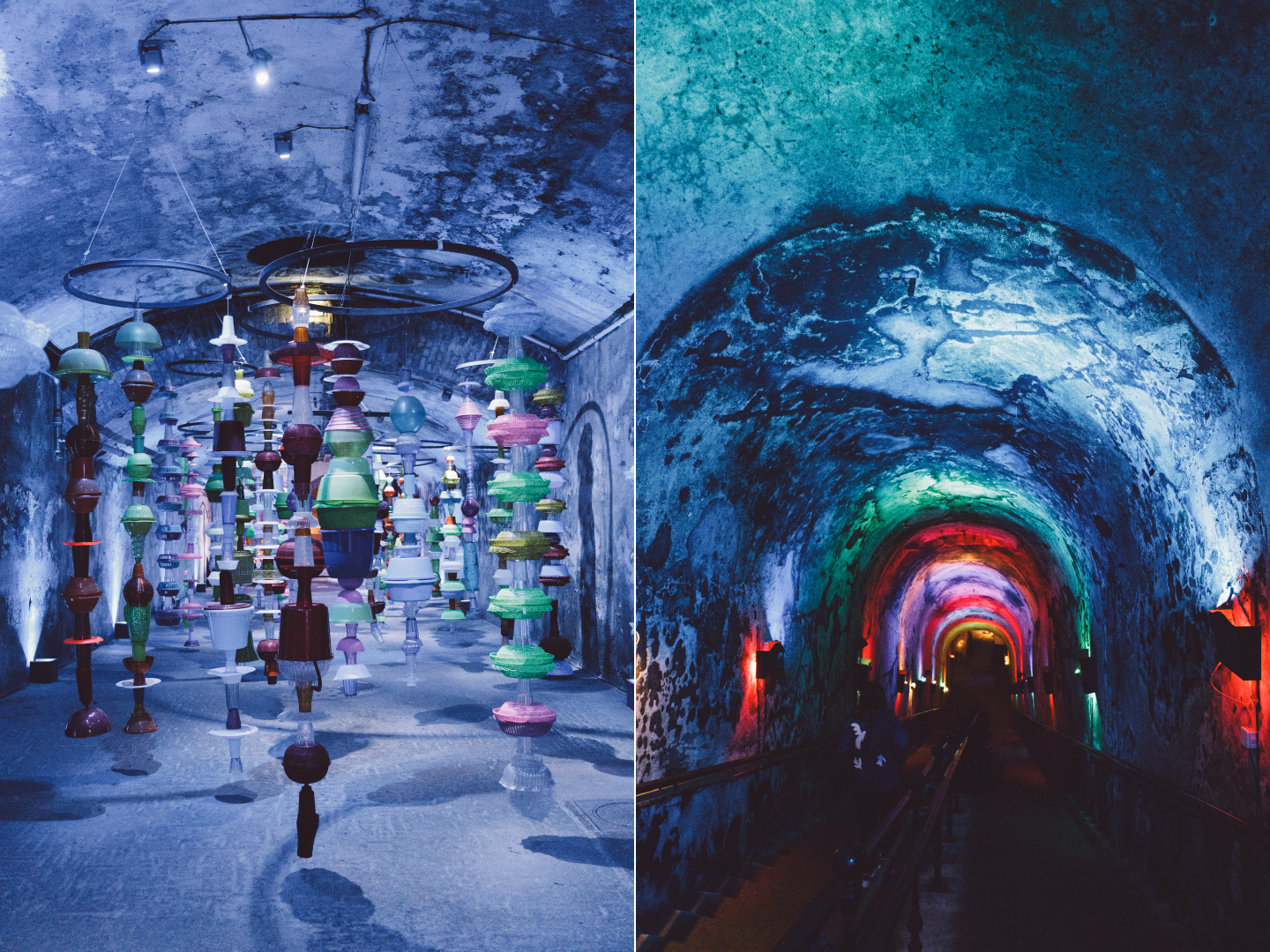
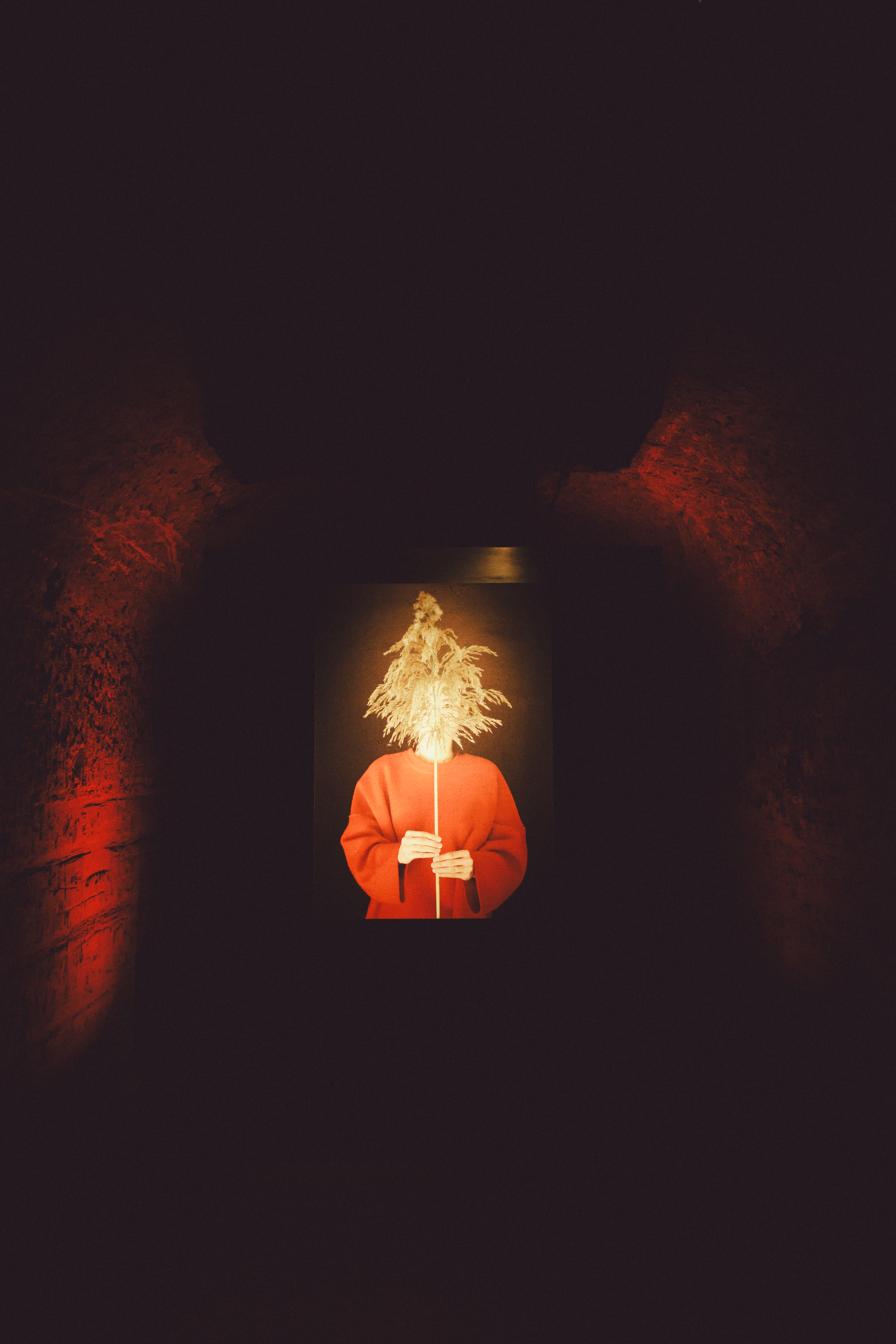
With the hotel fully booked, our room wasn’t yet ready. Instead, the team arranged a private visit to Champagne Pommery, just minutes away. From the gardens of Les Crayères, its neo-Elizabethan silhouette is already visible — a quiet prelude. Underground, the cellars unfold like a curated dreamscape: historic chalk walls punctuated by contemporary art installations, modern works breathing against centuries of silence.
The tasting followed. At eleven in the morning. French living, my mother later observed, appears to be a full-time occupation.
Our luggage was waiting in the Empress Eugénie Suite when we returned — light-filled, expansive, opening onto a terrace overlooking manicured gardens, with the Basilique Saint-Remi rising gently in the distance. It felt less like a hotel room and more like borrowing someone’s extremely well- maintained life.
Dinner that evening was deliberately uncomplicated at Brasserie Le Jardin. Festive French classics, executed with confidence: salmon gravlax, foie gras, scallops, duck cooked just right. Desserts leaned seasonal — chestnut, pear — while the wine pairings enhanced rather than announced themselves.
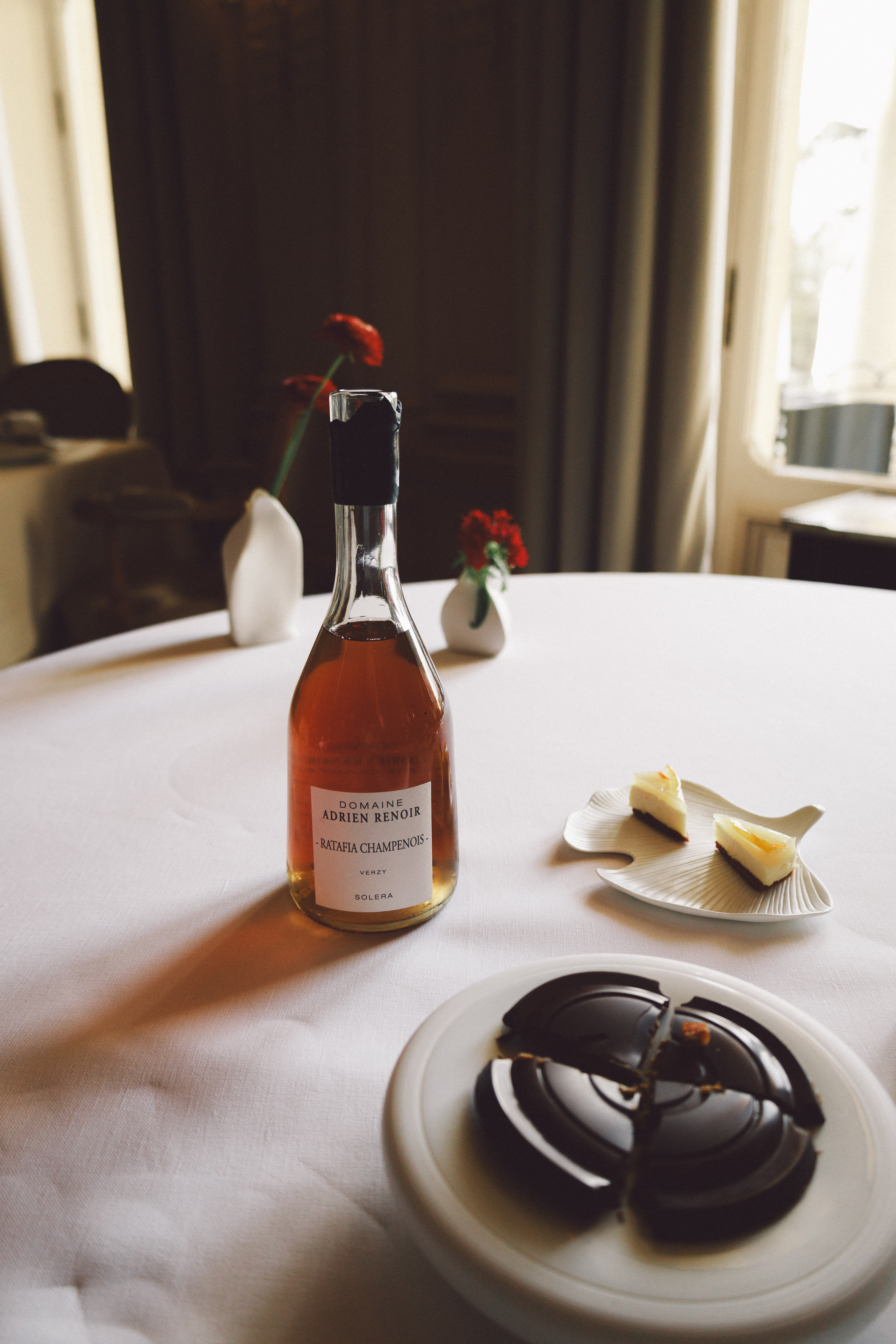
Morning at Domaine Les Crayères is designed for indulgence without excess. Breakfast unfolds in a Belle Époque–inspired room washed in pale light, where rosé Champagne appears as naturally as coffee. Viennoiseries arrive warm, Eggs Benedict with salmon follow, alongside local yoghurts and the kind of French butter that quietly ruins you for all others. Lunch, however, was the true centrepiece.
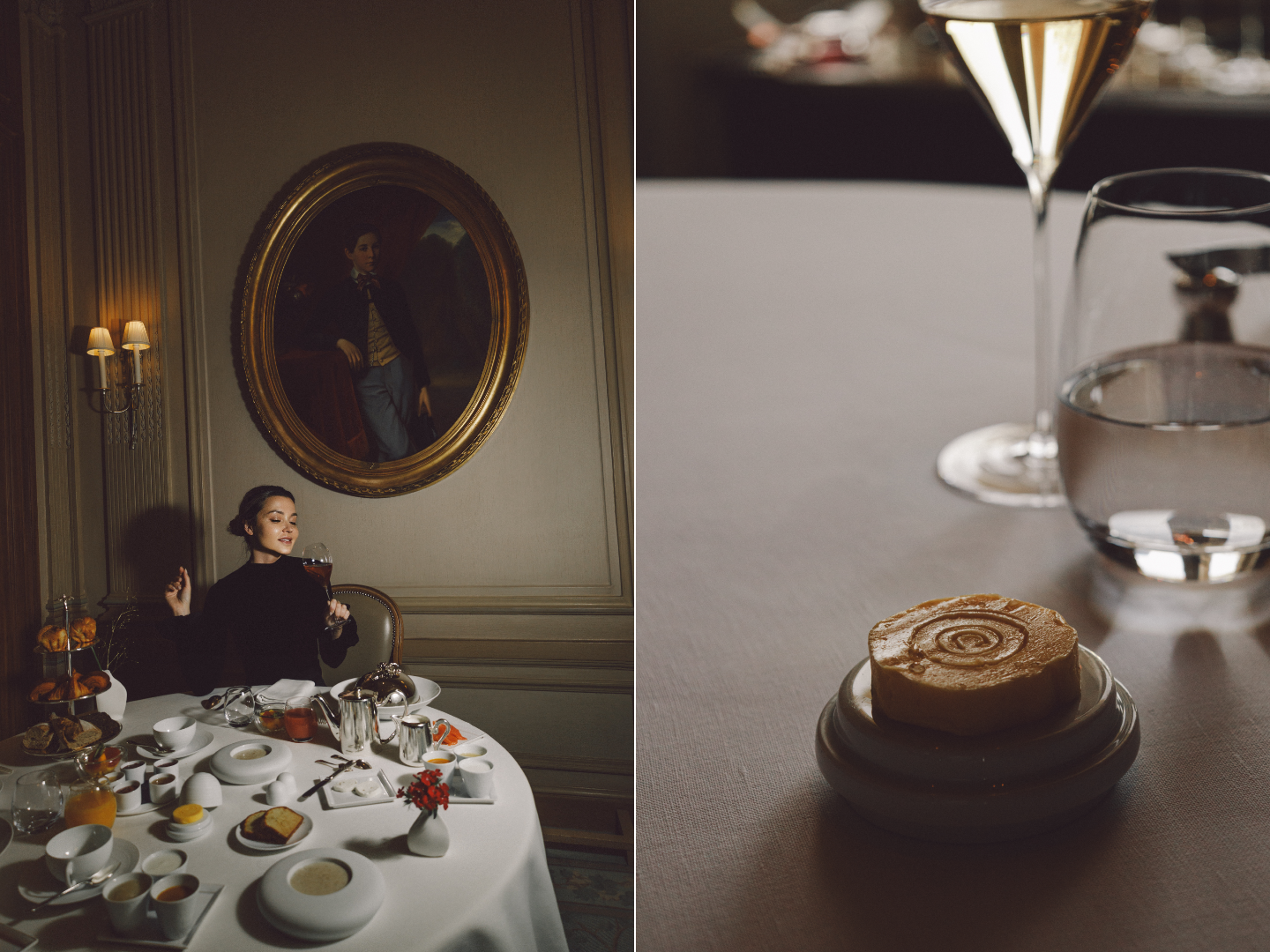
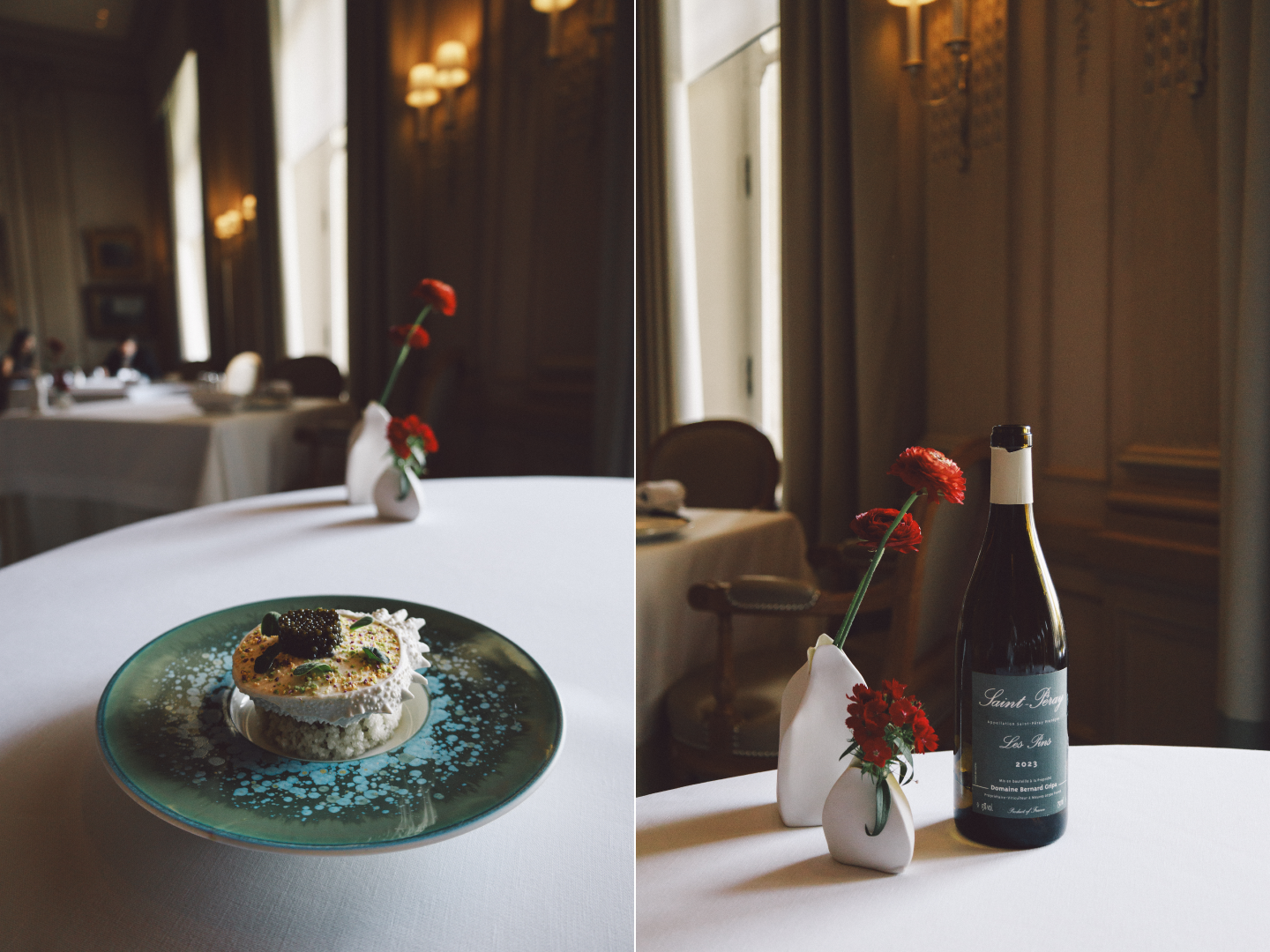
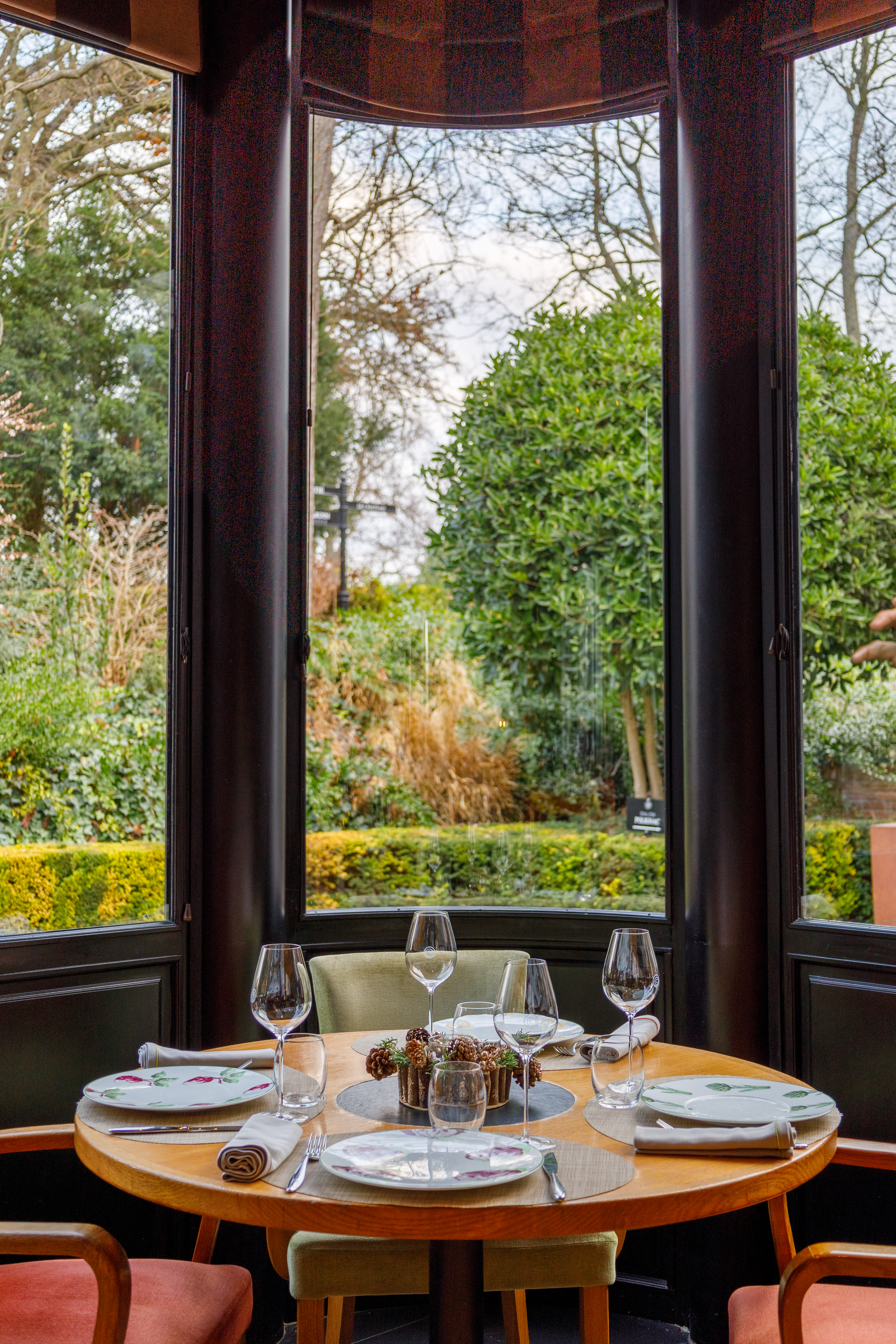
Le Parc, the hotel’s two-Michelin-starred restaurant, offers several menus. We chose Inspiration — a blind trust placed entirely in chef Christophe Moret. Six courses arrived, each a surprise, each paired with Champagne or wine chosen with precision rather than predictability. A quenelle crowned with Alba truffles. Sea urchin and caviar, lifted by a Riesling whose salinity mirrored the dish perfectly. Red mullet paired — improbably, brilliantly — with a Côte Roannaise red that should not have worked and absolutely did.
What stood out as much as the food was the service: knowledgeable without theatre, warm without familiarity, delivered with humour and ease. By the final course, my mother leaned back, contentedly overwhelmed, and declared that the French truly know how to live.
Chef Moret later came to greet us himself — unforced, generous, human. It was a gesture that felt sincere rather than ceremonial.
We spent the afternoon on foot, letting the meal settle. Reims reveals itself quietly: the Basilique Saint-Remi, where Clovis was baptised; streets that feel contemplative rather than curated. At Notre-Dame de Reims Cathedral, conversation naturally fell away. Inside, centuries of French history unfold in stone and light — coronations, power, devotion — all echoing softly beneath vaulted ceilings.
That evening, a call from reception. The chef had left something for us. Waiting downstairs was a handwritten menu from our lunch, signed, with personal notes — one for me, one for my mother. A small detail, but the kind that transforms an experience into memory.
The following morning passed gently. Breakfast, one last walk through the gardens, then the return to the station — Paris reclaiming us almost too easily.
Champagne doesn’t announce itself as escape. It simply reminds you that indulgence can be woven into the everyday, that transformation doesn’t require distance or drama. Sometimes it takes only a short train ride, a shared table, and a glass raised slightly earlier than planned.
And sometimes, the most unexpectedly joyful journeys are the ones taken with a parent.
related posts
- Excelsior Hotel Gallia, a Luxury Collection Hotel, Milan- Facade.jpg)
Travel & Living
Excelsior Hotel Gallia, Milan
Travel & Living
Mandarin Oriental, Doha Blossoms in the Middle East