Germany’s Seasonal Magic
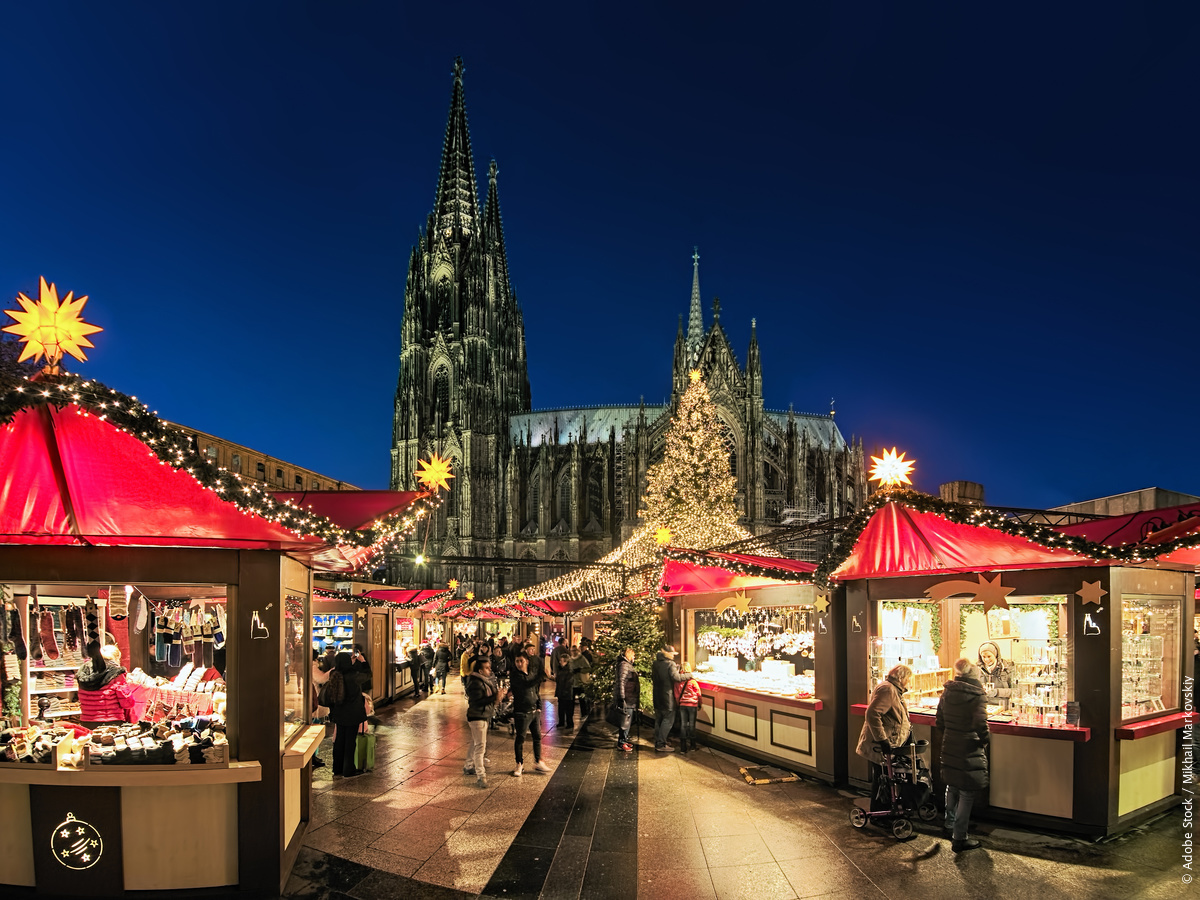
Germany has long mastered the art of winter enchantment, and for 2025, the country extends a warm invitation to travellers from the GCC to explore its festive markets—an annual celebration where heritage, craftsmanship, and contemporary culture come together in an atmosphere unlike anywhere else in Europe.
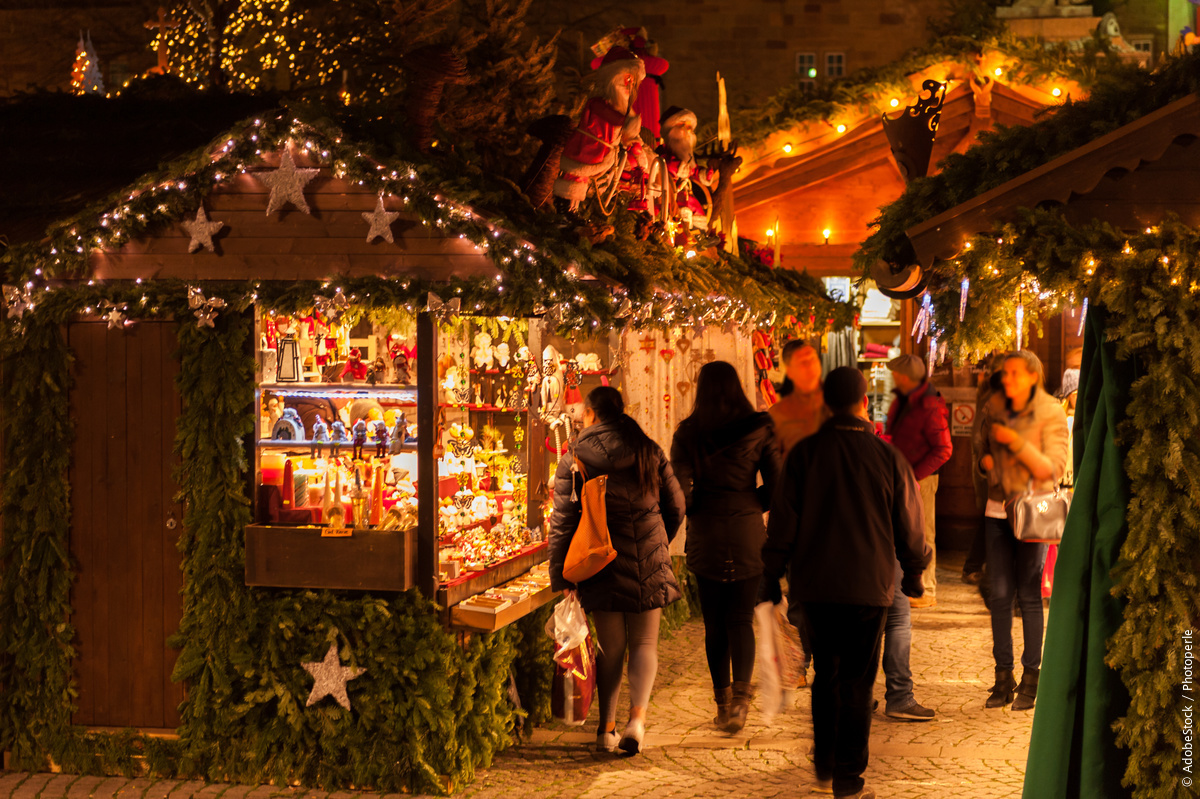
Every winter, Germany’s Weihnachtsmärkte transform the country into a glowing patchwork of culture and celebration. These markets carry centuries of tradition while remain deeply connected to modern tastes. For GCC visitors seeking refined seasonal experiences—romantic winter escapes, family-focused adventures, or culturally rich journeys—Germany offers an itinerary that feels both familiar and wonderfully new.
A Journey Through Germany’s Festive Season
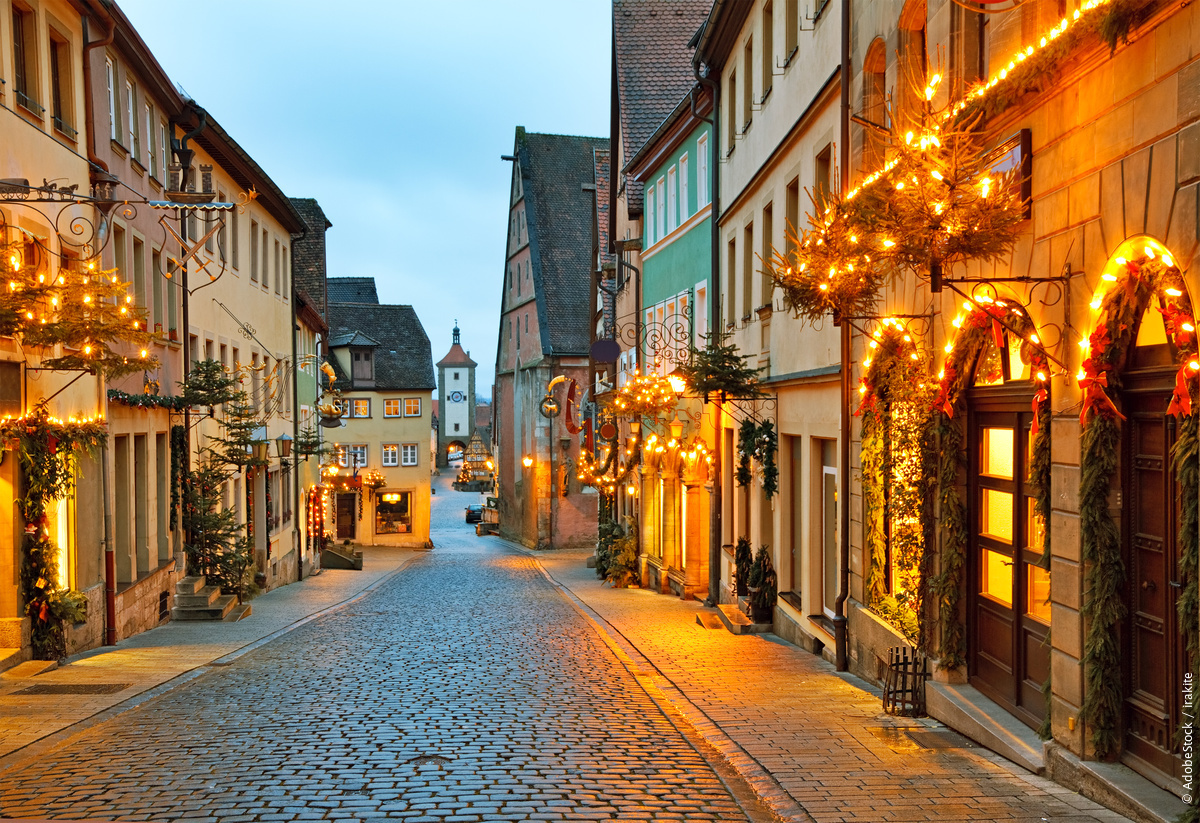
Bavaria’s storybook appeal sets the tone in Rothenburg ob der Tauber, where the Reiterlesmarkt (21 November–23 December 2025) lights up medieval lanes with lanterns, music, and the nightly unveiling of “Advent windows,” each revealing a curated display.
To the east, Dresden’s Striezelmarkt stands as one of Germany’s most treasured winter traditions. Dating back to 1434, it welcomes visitors with a soaring wooden Christmas pyramid, intricate woodcrafts from the Ore Mountains, and the celebrated Stollenfest honouring the city’s iconic fruitcake.
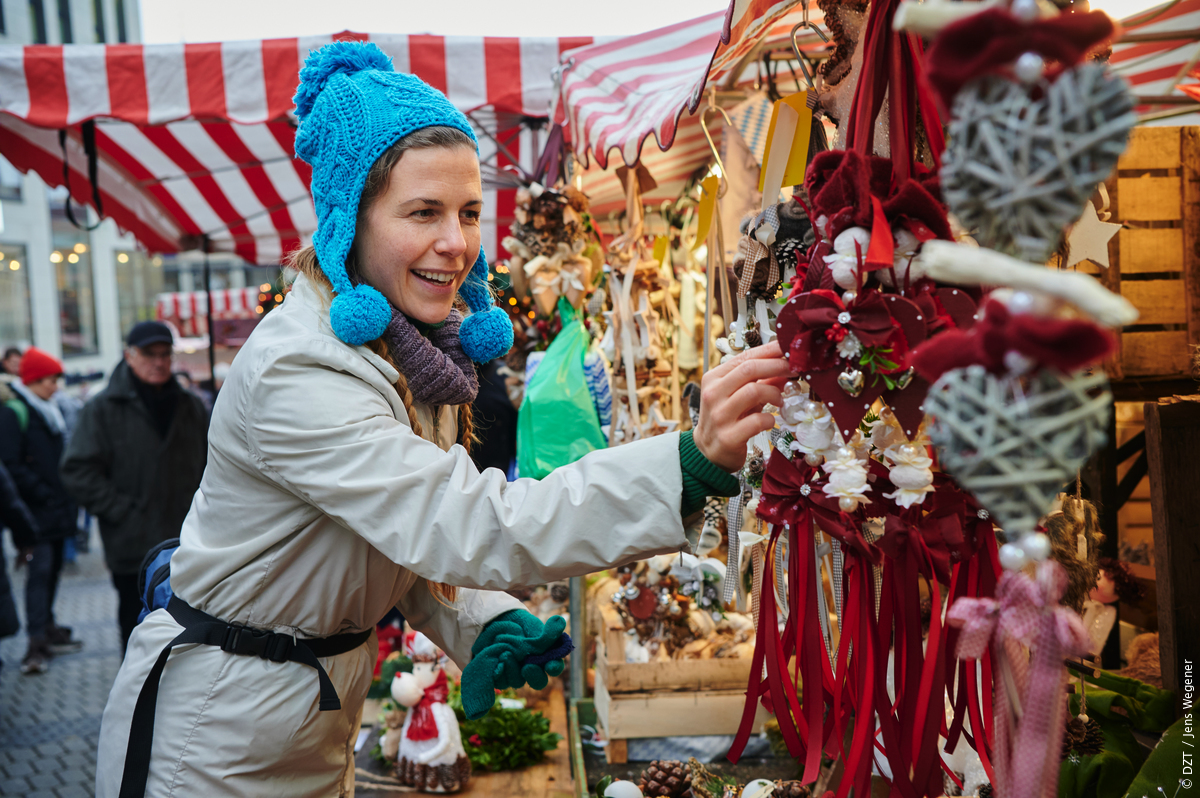
Further south, Nuremberg’s Christkindlesmarkt (28 November–24 December) fills its grand Hauptmarkt Square with aromas of spiced nuts, gingerbread, and roasted almonds—an irresistible pull for culinary-minded travellers. Just a short train ride away, Leipzig unfolds a market (25 November–23 December) shaped by more than five centuries of history, enriched today with a Finnish village, fairy-forest installations, and a Ferris wheel overlooking Augustusplatz.
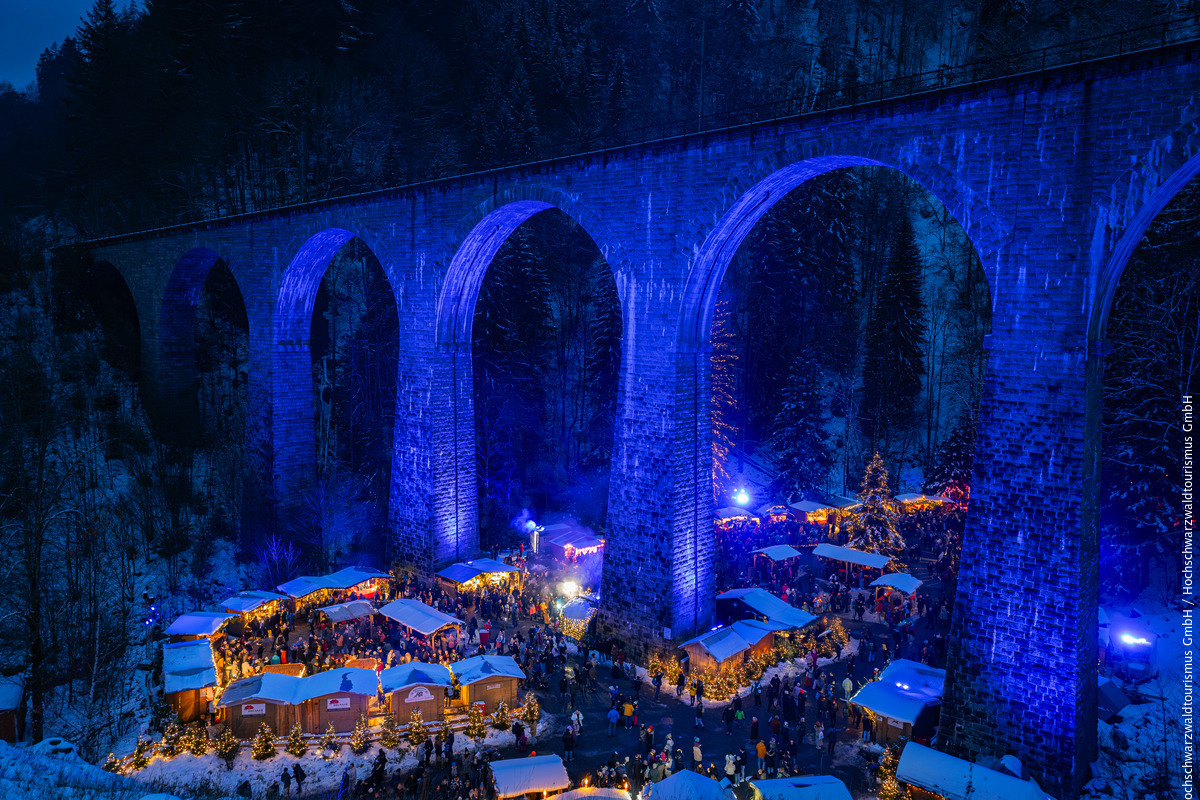
For those who prefer markets surrounded by nature, the Ravenna Gorge Market in the Black Forest (28 November–21 December, weekends only) creates a dramatic winter setting under a 40-metre viaduct illuminated in soft light, offering one of the most atmospheric festive experiences in the region.
City Lights, Design, and Seasonal Style
Germany’s major cities bring a contemporary flair, blending winter tradition with design-forward installations, gastronomy, and cultural showcases.
In Berlin, the WeihnachtsZauber at Gendarmenmarkt (24 November–31 December) turns one of the capital’s most elegant squares into a refined winter village featuring gourmet cuisine, live performances, and artisanal studios.
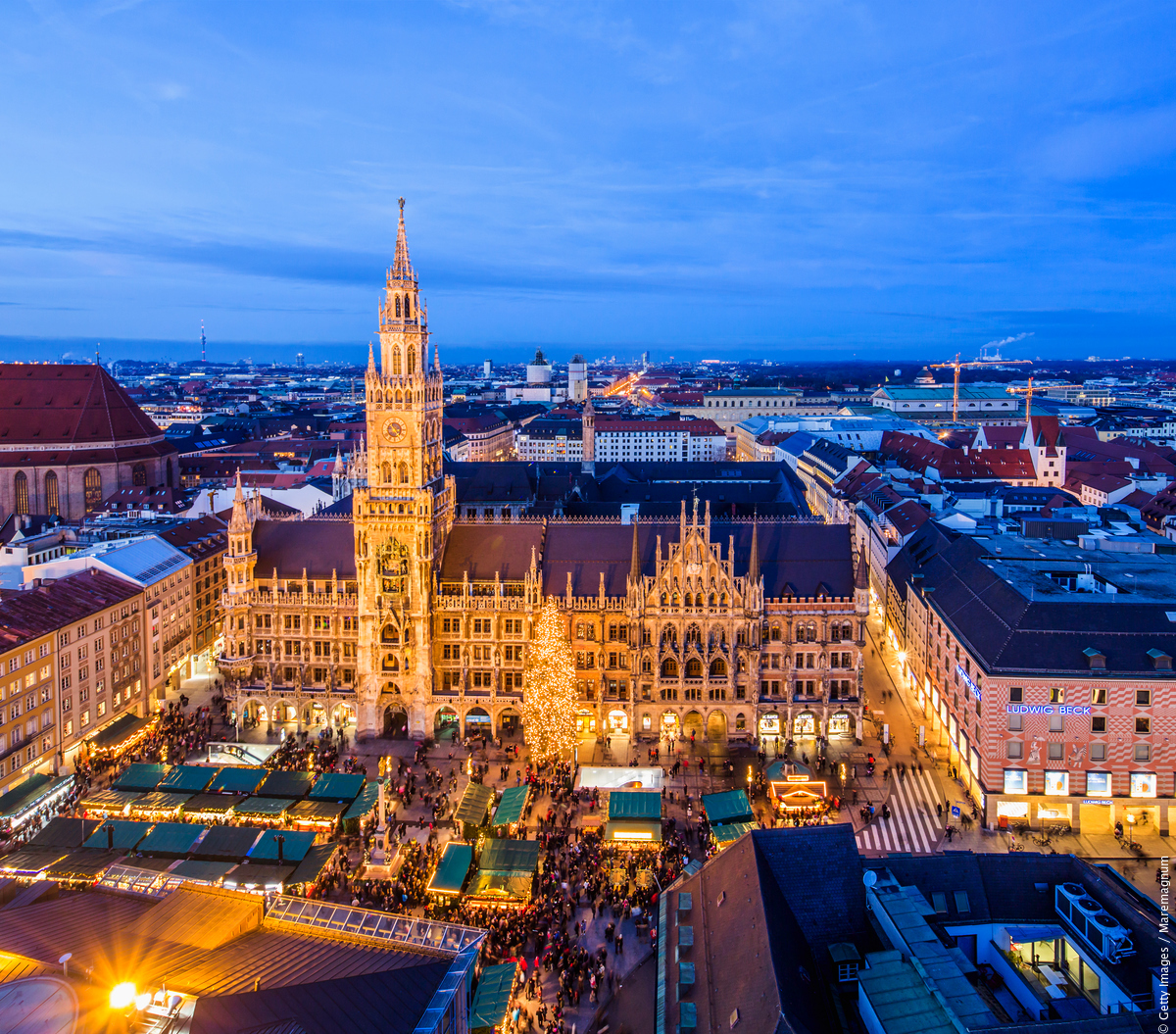
Munich presents its own interpretation of festive culture with the Christkindlmarkt (24 November–24 December), centred around Marienplatz, under a 25-metre illuminated tree and surrounded by the acclaimed Kripperlmarkt—Germany’s largest nativity market.
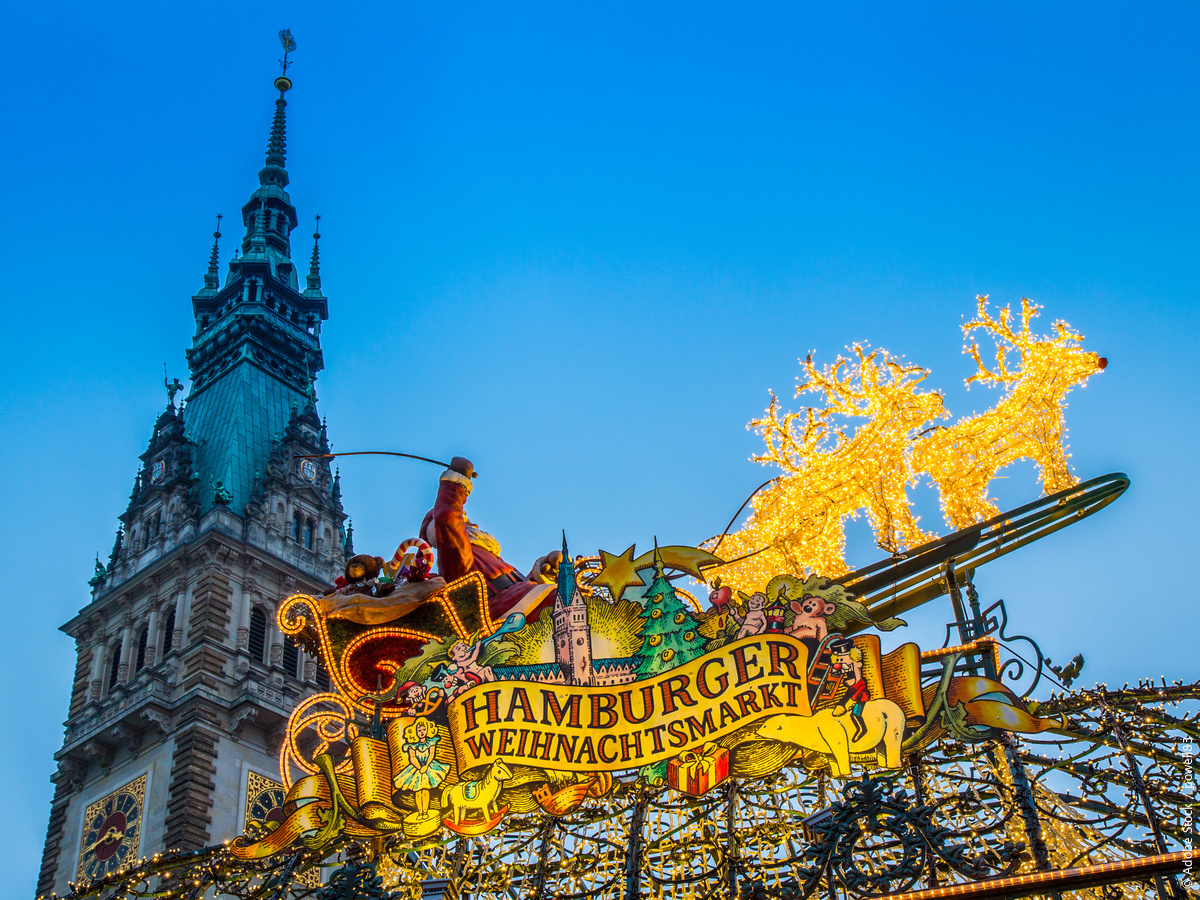
In the west, Cologne’s Cathedral Market (17 November–23 December) glows beneath one of Europe’s tallest Christmas trees, with a strong emphasis on sustainability through locally sourced gifts and low-impact installations. Meanwhile, Hamburg adds a maritime twist with its Historic Festive Market (24 November–23 December), complete with the crowd-favourite “Flying Santa” performance above the Rathausmarkt.
Closing the seasonal line-up, Stuttgart’s Festive Market (26 November–23 December) spans two central squares with 300 artistically decorated stalls and an annual competition celebrating the finest rooftop designs—a visual treat in its own right.
Designed for GCC Guests
Germany’s hospitality ecosystem continues to evolve with the needs of GCC travellers in mind. Across major cities, visitors will find Halal dining options, family-friendly accommodations, wellness-oriented facilities, and prayer rooms integrated into key venues. The experience is smooth, welcoming, and aligned with regional travel preferences—making Germany one of Europe’s most appealing winter destinations for families and multi-generational travellers.
As Yamina Sofo, Director of the GNTO GCC Office, notes: “Germany’s festive markets represent the heart of our winter season, where heritage and innovation come together in ways that inspire every visitor. From historic towns to cosmopolitan centres, each market offers something unique for travellers from the GCC.”
A Celebration of Craft, Culture, and Conscious Travel
Many of Germany’s festive markets now embrace environmentally responsible practices through local production, reusable materials, and thoughtful energy management. This commitment ensures that seasonal celebrations retain their magic while fostering a more sustainable future.
From medieval lanes in Rothenburg to the creative pulse of Berlin, Germany’s markets feel curated for travellers who appreciate culture, craftsmanship, and shared experiences. For visitors from the GCC, the 2025 season promises a winter escape filled with light, flavour, and a deep sense of connection.
*For travel planning and more information, visit the official Christmas Markets campaign page on Germany Travel.
related posts
Travel & Living
Seven Destinations to Visit for a Perfect Instagram Page
 Castel Fragsburg, Castel-Fragsburg-in-autumn.jpg)
Travel & Living
Castel Fragsburg