Giorgio Armani Designs the Opening Ballet Costumes for the 2026 Vienna Opera Ball
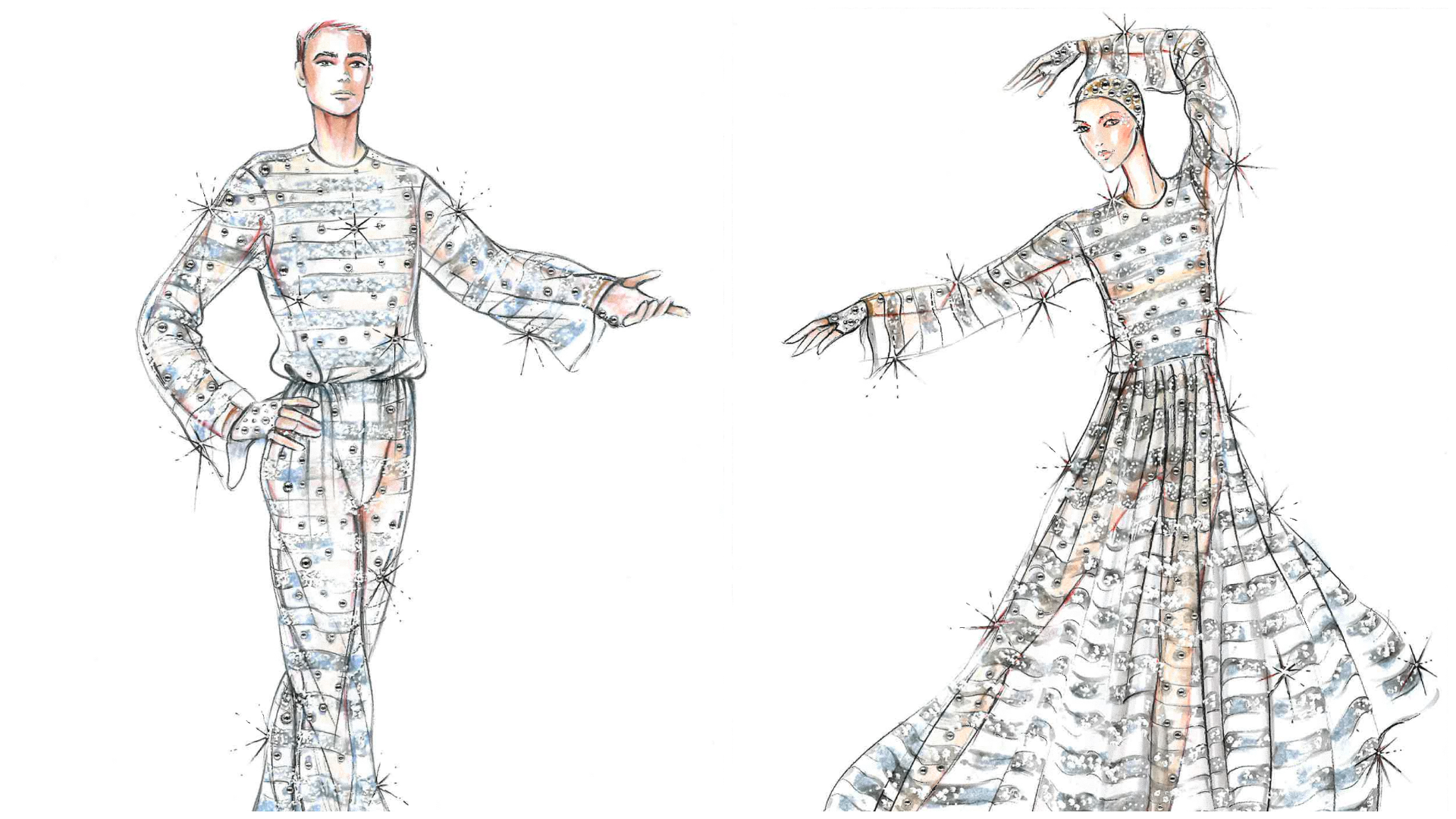
Each year, the Vienna Opera Ball transforms the Wiener Staatsoper into a stage of ceremony, diplomacy and spectacle. The 2026 edition adds a distinct fashion dimension: the sixteen pairs of dancers performing the opening ballet appear in creations by Giorgio Armani. The collaboration places the Italian designer at the centre of an event that blends heritage, artistry and social prestige.
The Vienna Opera Ball remains one of the world’s most renowned cultural gatherings. Broadcast internationally and attended by figures from politics, business and the arts, it represents a carefully preserved tradition within Austrian society. The opening ceremony, led by young debutantes and their partners, is its defining image. White gowns sweep across the parquet floor, black tailcoats frame choreographed bows, and the hall’s chandeliers illuminate a scene that feels suspended in time.
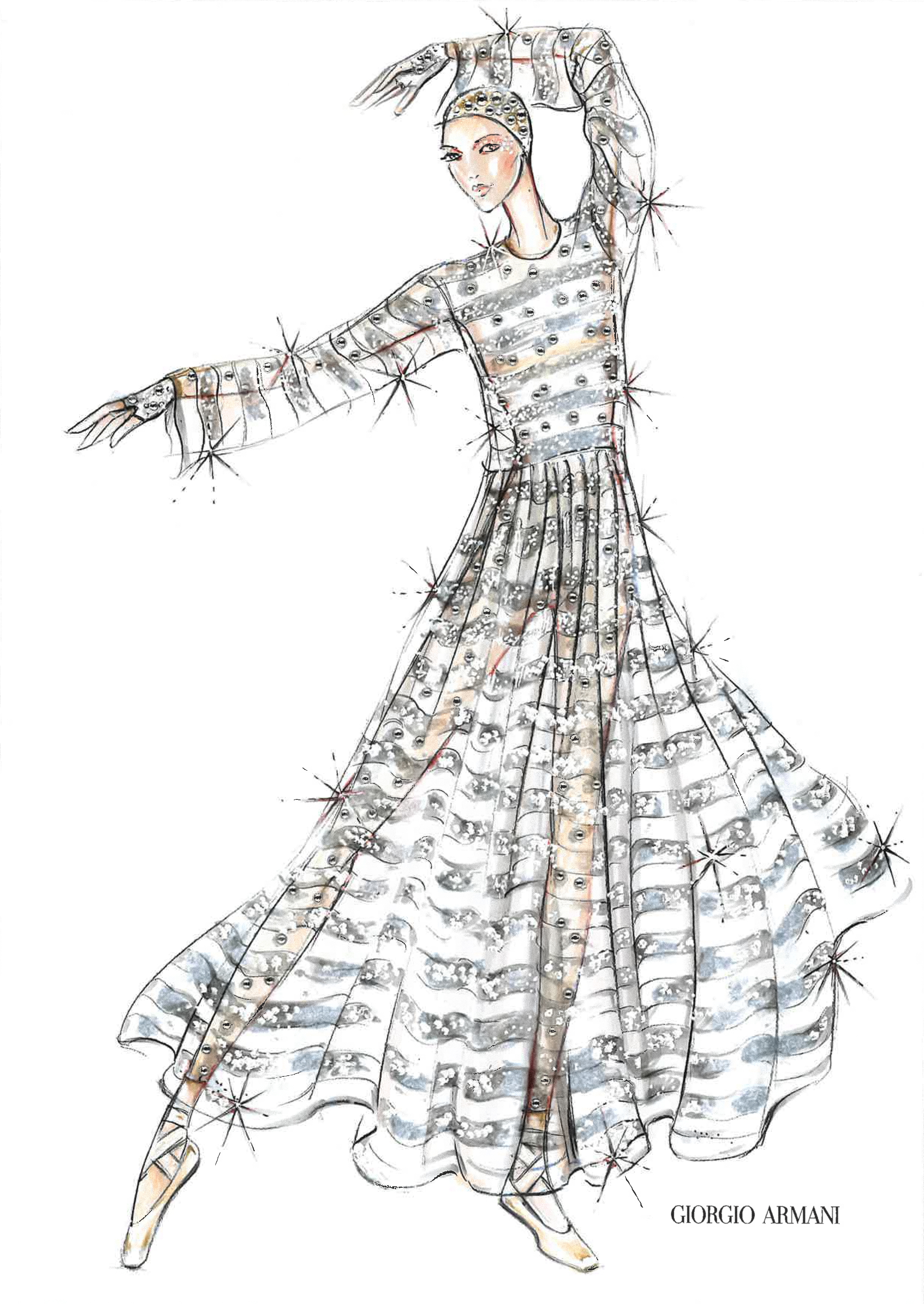
For 2026, that image carries Armani’s unmistakable signature. This project stands among the final initiatives personally curated by the designer, and it emerged from his connection with Alessandra Ferri, the artistic director of the Wiener Staatsballett. Ferri, an icon of international dance, brings depth and precision to the ballet segment, which includes a choral performance by the company. Her artistic dialogue with Armani underscores a shared commitment to discipline, clarity and emotional resonance.
Armani’s long-standing relationship with the performing arts makes this partnership feel organic. Throughout his career, he has designed for film, opera and stage, approaching costume as an extension of character and movement. In Vienna, that philosophy aligns seamlessly with the formal choreography of the Opera Ball. The garments must respect tradition while supporting the physical demands of dance.
Though specific design details remain discreet until the evening’s unveiling, Armani’s aesthetic codes offer insight. Known for clean tailoring, fluid construction and a restrained palette, he has consistently favoured proportion over ornament. Within the ornate architecture of the Staatsoper, such restraint creates balance. The costumes are conceived to harmonise with gilded balconies and grand staircases rather than compete with them.
In the context of the opening ballet, fabric becomes an instrument. A skirt must respond to a turn with precision. A jacket must maintain structure through each formal gesture. Armani’s mastery of cut ensures that elegance and movement coexist. The visual effect is one of quiet authority, where every line appears intentional.
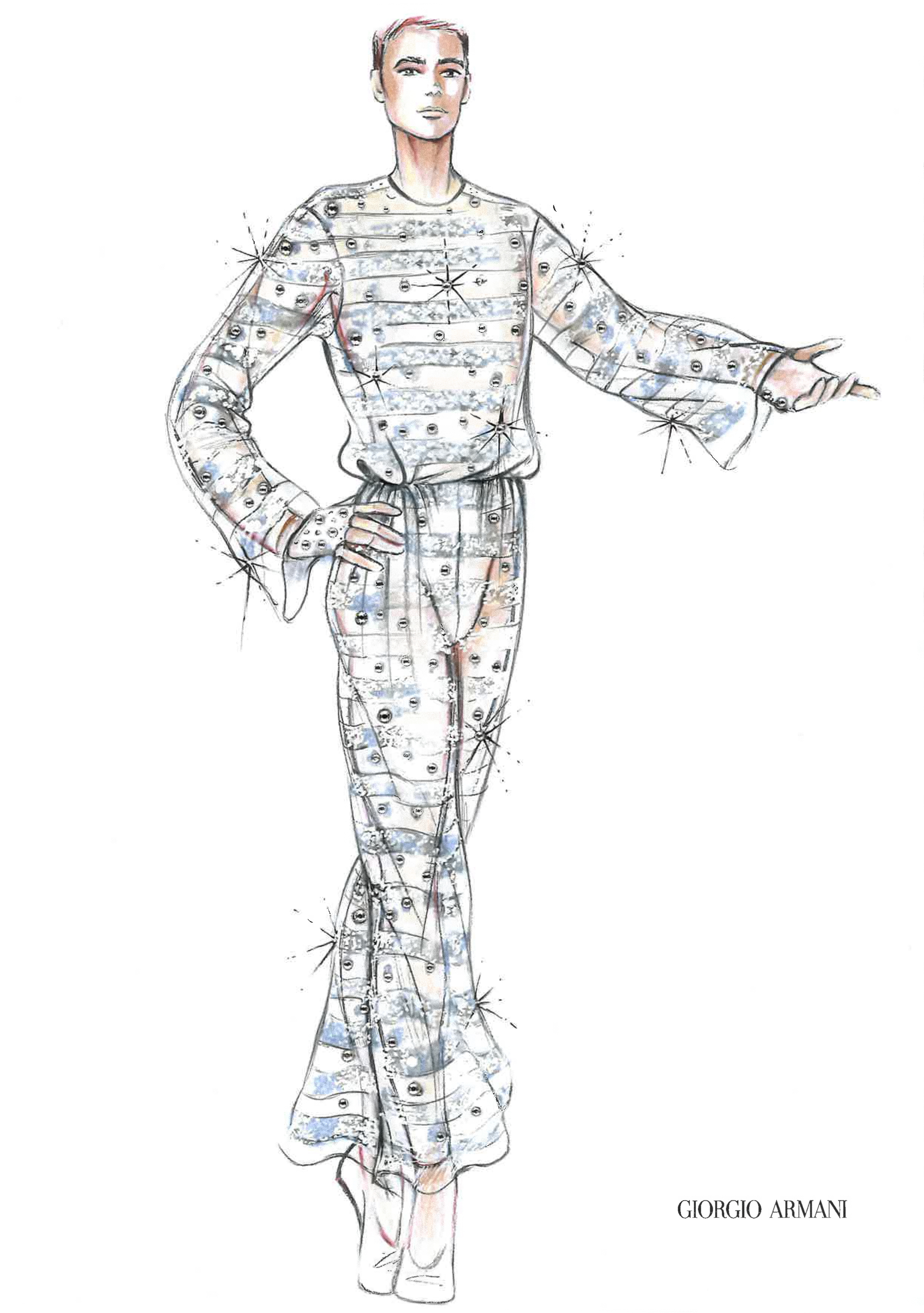
This collaboration also reflects the broader cultural positioning of the Armani house. Since its founding in 1975, the brand has shaped contemporary notions of sophistication. Its influence extends beyond runway presentations into cinema, red carpets and global cultural institutions. Dressing the Vienna Opera Ball affirms that reach, linking Italian design heritage with Austrian ceremonial tradition.
For the Wiener Staatsballett, costume functions as a narrative layer. Under Ferri’s direction, the dancers embody both youthful anticipation and classical discipline. The Opera Ball opening is not a conventional performance; it is a symbolic rite of passage. Armani’s involvement elevates that symbolism, reinforcing the idea that fashion participates in cultural storytelling.
The 2026 Opera Ball arrives at a time when historic events seek relevance amid rapid change. Yet its format remains resolutely formal. White tie attire, rehearsed choreography and strict protocol define the evening. Inviting Armani into this framework demonstrates that continuity and contemporary vision can coexist.
As the orchestra begins and the dancers glide across the floor, the audience will witness a convergence of design and tradition. Giorgio Armani’s costumes do not seek spectacle for its own sake. They refine an already iconic tableau, ensuring that the opening ballet of the Vienna Opera Ball continues to embody grace, discipline and enduring style.
related posts
 and Mette Degn-Christensen, Director of Downtown Design.jpg)
.jpg)
.jpg)