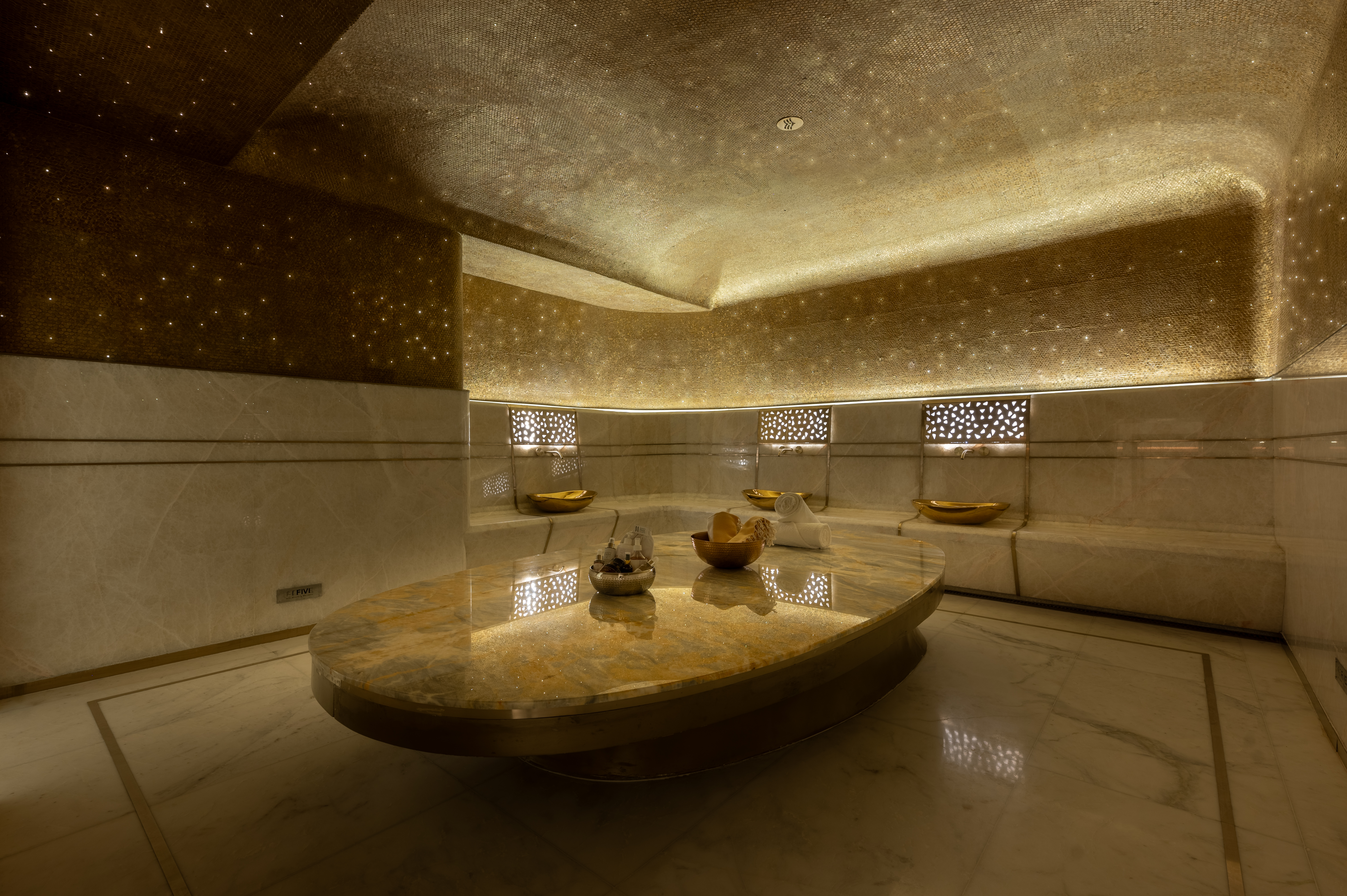
#INTERVIEW: Salah Sardouk, Founder of Apex Atlas Global
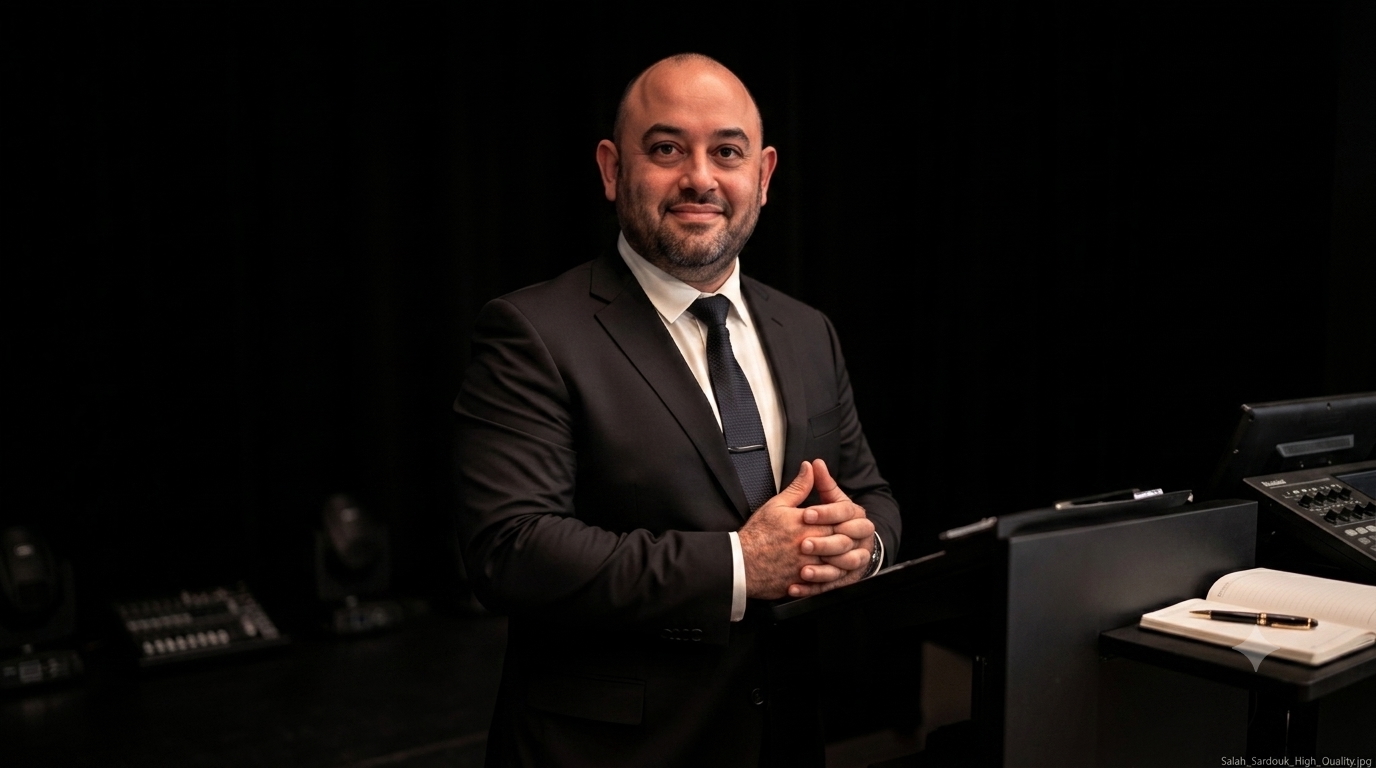
As the definition of luxury continues to evolve, protection is becoming an increasingly sophisticated part of the way we live. Salah Sardouk, Founder of Apex Atlas Global, explores the quiet convergence of design, resilience and security, revealing how the spaces of tomorrow may be defined as much by what they discreetly protect as by what they visibly present.
Tanja Beljanski: Luxury living is increasingly defined by more than aesthetics; it now encompasses wellness, privacy, and peace of mind. How do you see resilient design reshaping the future of high-end residential and mixed-use developments?
Salah Sardouk: Luxury today is no longer measured solely by architecture or premium finishes. Discerning homeowners and investors are placing greater value on environments that provide comfort, privacy, security, and long-term confidence. True luxury is about creating spaces where people can enjoy everyday life knowing they are protected without that protection becoming visually intrusive.
Resilient design allows developers to seamlessly integrate advanced security, operational continuity, and intelligent planning into sophisticated environments. Features such as discreet protective spaces, secure access systems, and resilient infrastructure can be incorporated without compromising architectural elegance or the overall lifestyle experience.
Across the UAE and wider region, luxury developments are increasingly being designed with a long-term vision that extends beyond aesthetics alone. I believe the future of high-end residential and mixed-use developments lies in creating communities that are not only beautiful but also adaptable, secure, and thoughtfully designed to support the well-being of residents for years to come.
As cities become smarter and more connected, how do you see intelligent technologies transforming the way we design safer, more resilient, and future-ready environments?
Technology is becoming an essential part of creating environments that are both intuitive and resilient. Intelligent building systems can enhance security, improve operational efficiency, optimize energy use, and simplify the everyday experience for residents and businesses alike.
However, technology should always complement thoughtful design rather than define it. The most successful developments will combine intelligent systems with resilient infrastructure that quietly supports safety, continuity, and convenience without disrupting the aesthetics or comfort of a space.
For me, future-ready environments are those where innovation works seamlessly in the background, allowing people to focus on living, working, and enjoying their surroundings with confidence.
.png)
Dubai has become synonymous with visionary architecture and bold urban innovation. How do you see the UAE leading the way in creating future-ready cities where design, sustainability, and resilience work hand in hand?
The UAE has consistently demonstrated its ability to transform ambitious ideas into world-class developments. What distinguishes the country is its willingness to embrace innovation while maintaining a long-term vision for growth and quality of life.
As cities continue to evolve, resilience is becoming just as important as sustainability and architectural excellence. Developments that integrate intelligent planning, resilient infrastructure, and future-focused design will be better equipped to meet changing environmental, operational, and societal needs.
I believe the UAE has a unique opportunity to become a global benchmark for cities that successfully combine exceptional design with preparedness, innovation, and long-term sustainability. Its ability to integrate visionary architecture with resilient infrastructure will continue to shape the future of urban living, not only in the region but internationally.
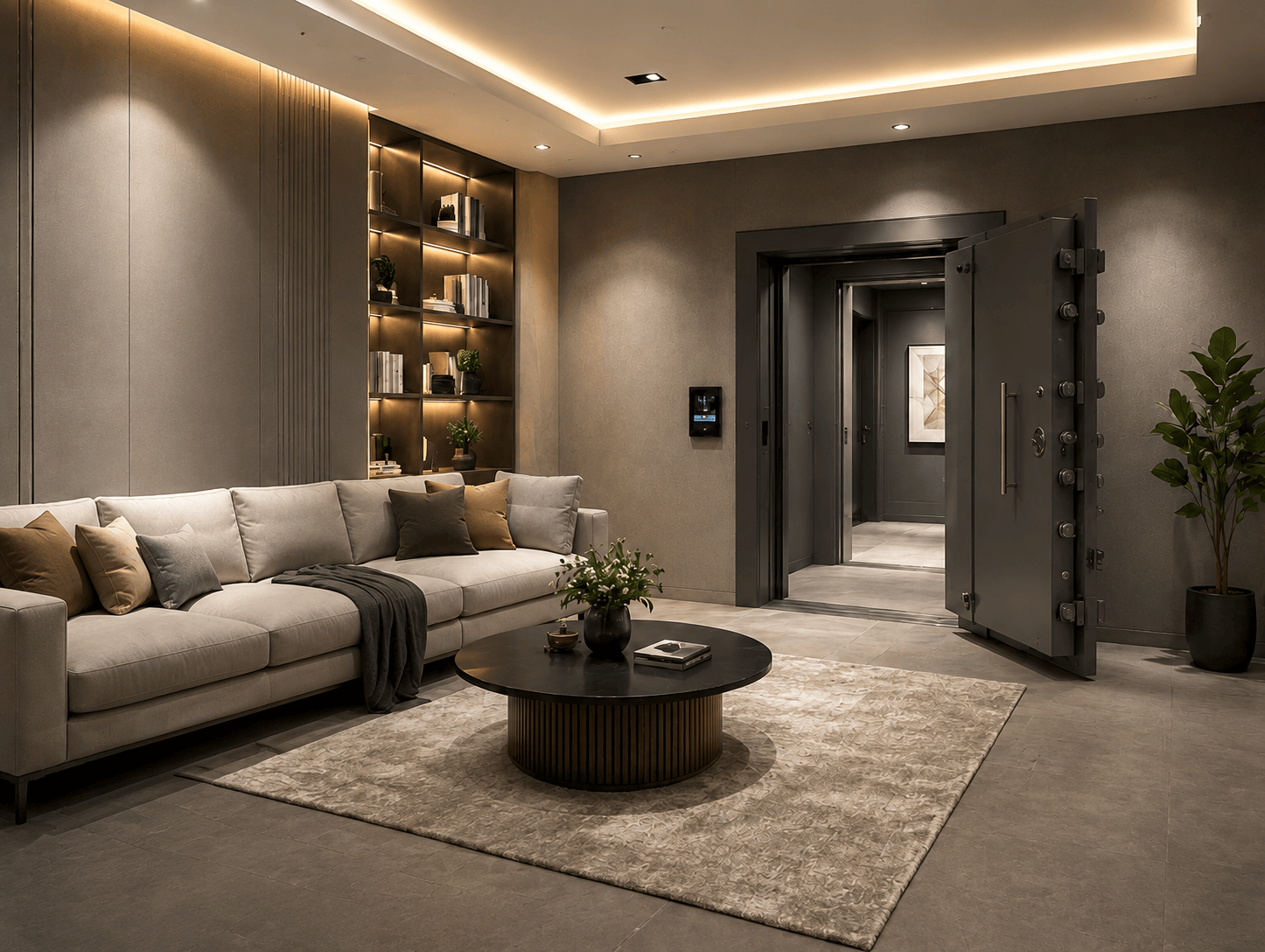


Security is often associated with functionality rather than design. How is Apex Atlas redefining this perception by integrating features such as elegantly designed safe rooms, bulletproof cabins, and ready-made bunkers into luxury developments without compromising aesthetics?
One of the biggest misconceptions about protective infrastructure is that it has to be visible or compromise the design of a space. At Apex Atlas, we believe security should be integrated so naturally that it enhances the environment rather than dominates it.
Whether it is a designer safe room, a discreet bulletproof cabin, or a modular bunker, our approach is to work closely with architects, designers, and developers to ensure every solution complements the overall vision of the project. Materials, finishes, layouts, and detailing are all carefully considered so these spaces feel like a natural extension of the property.
The objective is to provide homeowners and businesses with greater peace of mind while preserving the elegance, comfort, and sophistication expected in luxury developments.

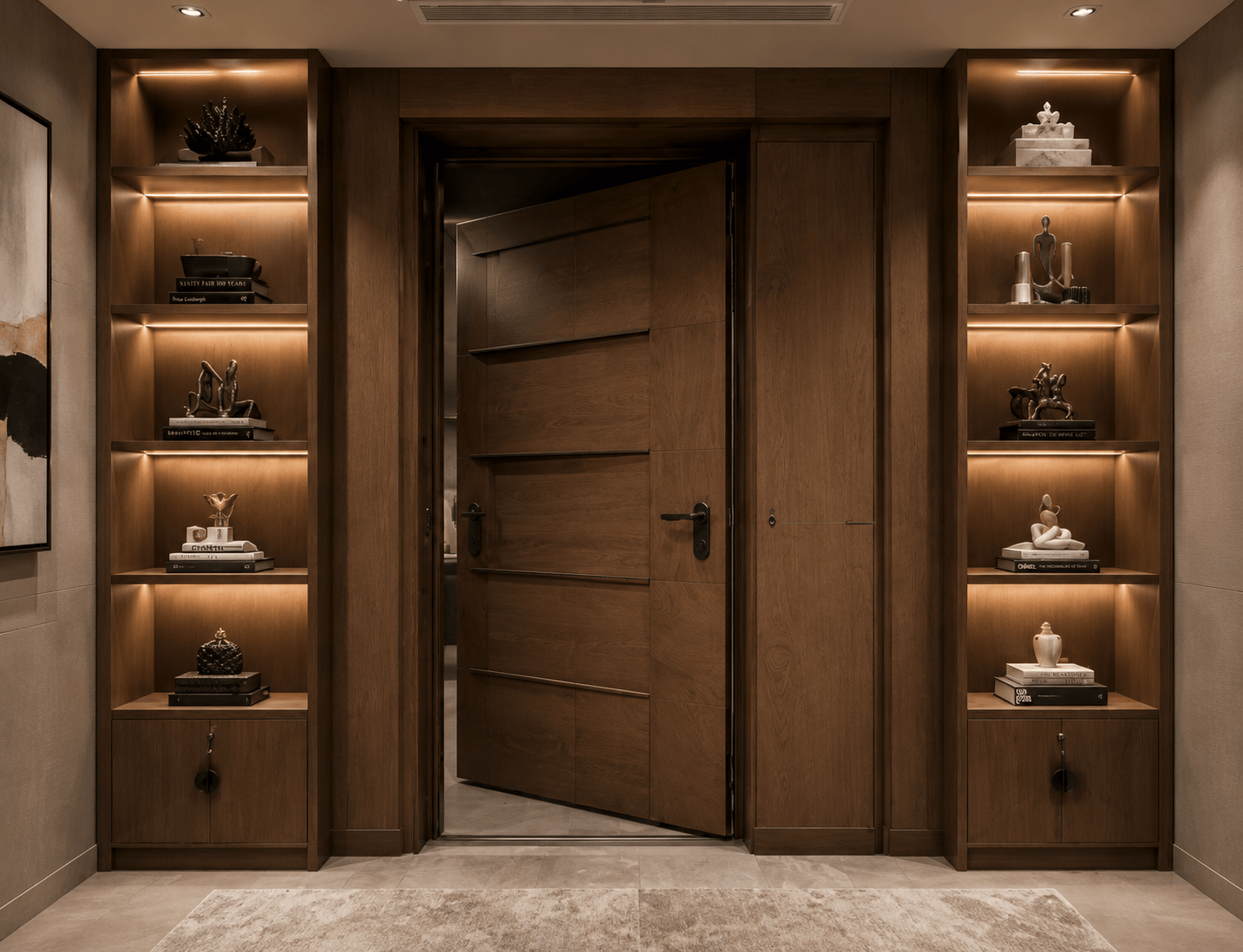
Climate resilience is becoming a defining consideration in architecture and urban planning. Beyond sustainable materials and energy efficiency, how can developers design communities that are better prepared for environmental and unforeseen challenges through resilient infrastructure?
Preparing for the future requires thinking beyond sustainability alone. While energy efficiency and environmentally responsible design remain essential, resilience is about ensuring that communities continue to function safely and effectively during unexpected events.
This involves designing infrastructure that supports operational continuity, protects critical systems, and adapts to changing environmental conditions without disrupting everyday life. Flexible planning, durable engineering, and integrated preparedness measures all contribute to stronger, more resilient communities.
Ultimately, resilient infrastructure enhances not only safety but also long-term value, creating developments that inspire confidence among residents, investors, and future generations.
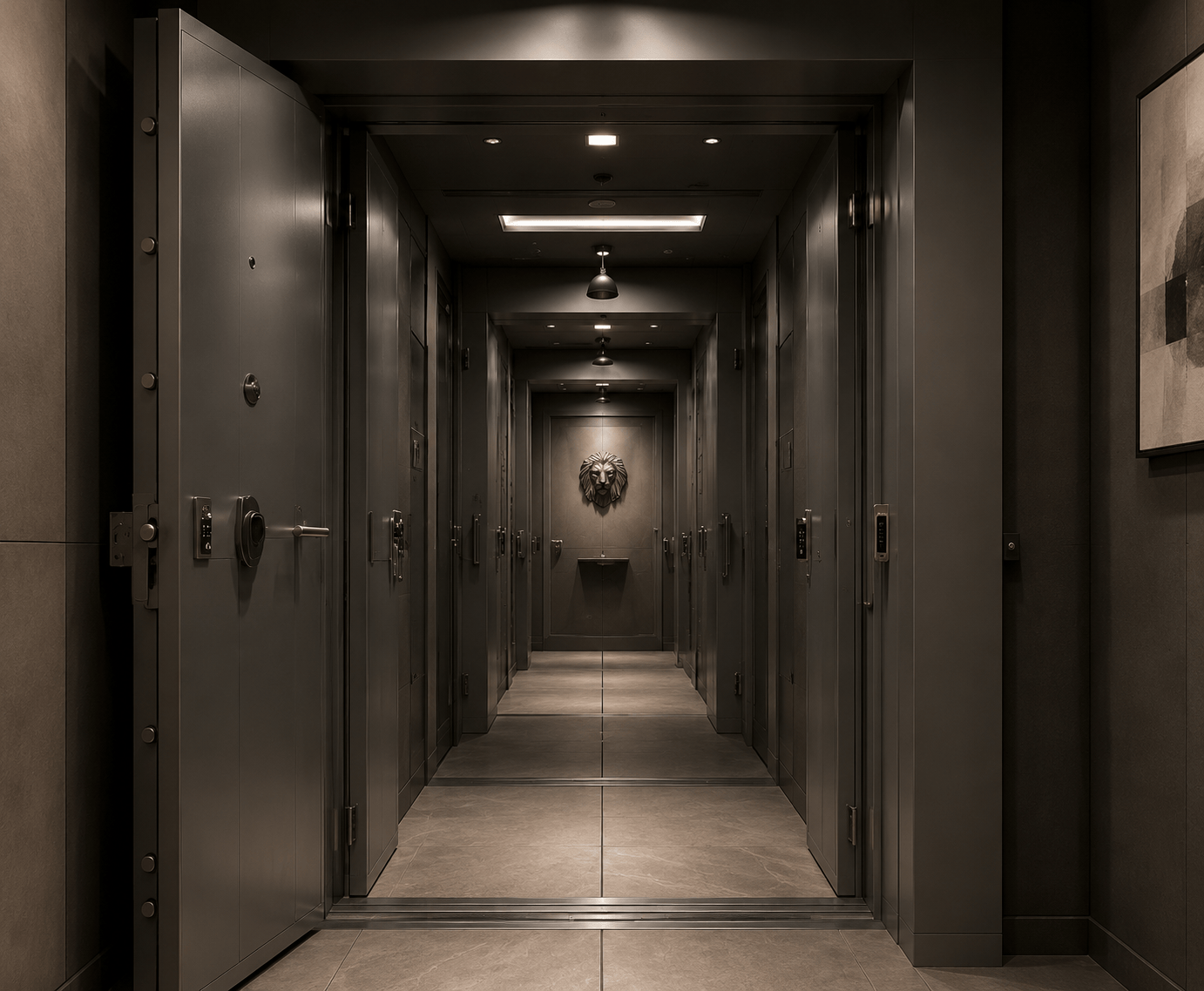
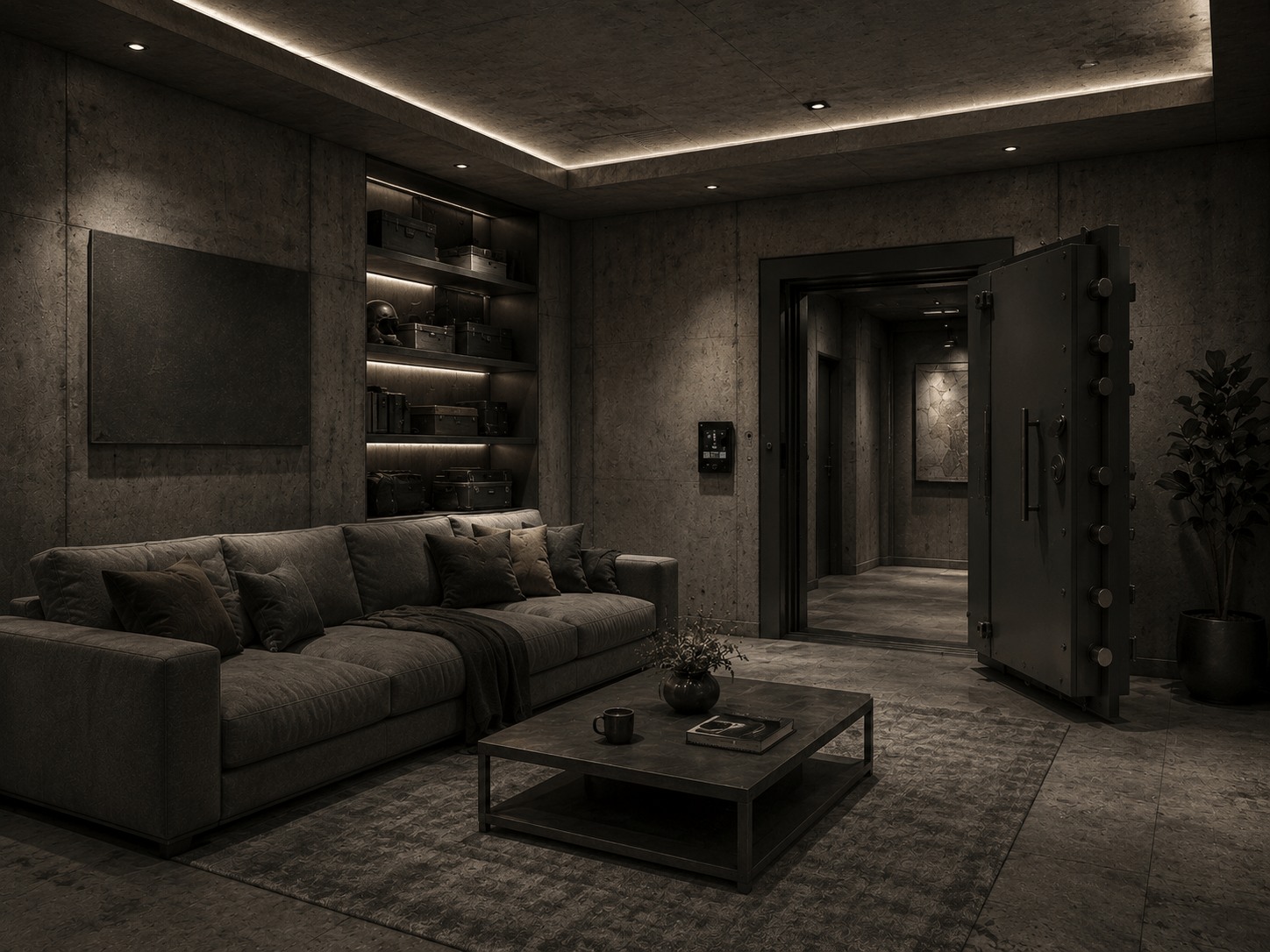
Looking ahead, what innovations do you believe will have the greatest impact on protective architecture, and how do you see solutions such as designer safe rooms, bulletproof cabins, and modular bunkers evolving to meet the needs of future developments?
The future of protective architecture lies in making resilience both intelligent and discreet. Homeowners and developers increasingly want solutions that provide exceptional levels of protection while blending seamlessly into contemporary architecture and interior design.
I believe we will continue to see greater integration between protective engineering, smart building technologies, premium materials, and bespoke design. Safe rooms, bulletproof cabins, and modular bunkers will become more customizable, aesthetically refined, and adaptable to different types of developments rather than being viewed as specialized additions.
As luxury developments continue to evolve across the region, I believe protective infrastructure will become an expected element of premium design rather than a specialist addition. Safe rooms, bulletproof cabins, and modular bunkers will become more customizable, aesthetically refined, and seamlessly integrated into residential and commercial projects, enhancing confidence, supporting business continuity, and contributing to a lifestyle where safety, comfort, and exceptional design coexist effortlessly.
Photos: Courtesy of Apex Atlas Global
.JPG)