Inside the Arrival of Art Basel Qatar 2026
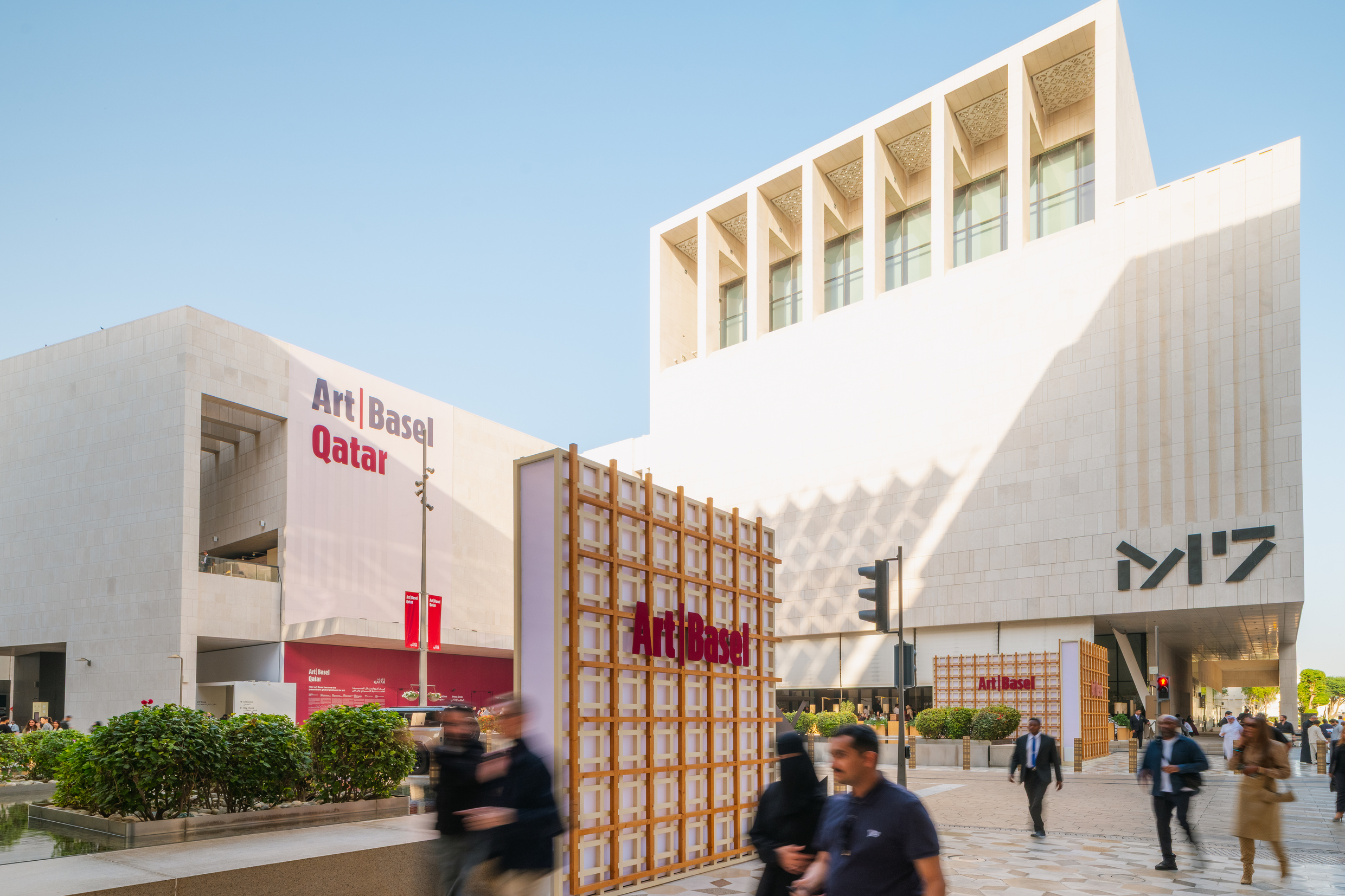
Every once in a while, the art and design world surprises us with a collaboration that brings together a heritage institution and a visionary city. This time it was Doha’s turn, with the inaugural edition of Art Basel Qatar.
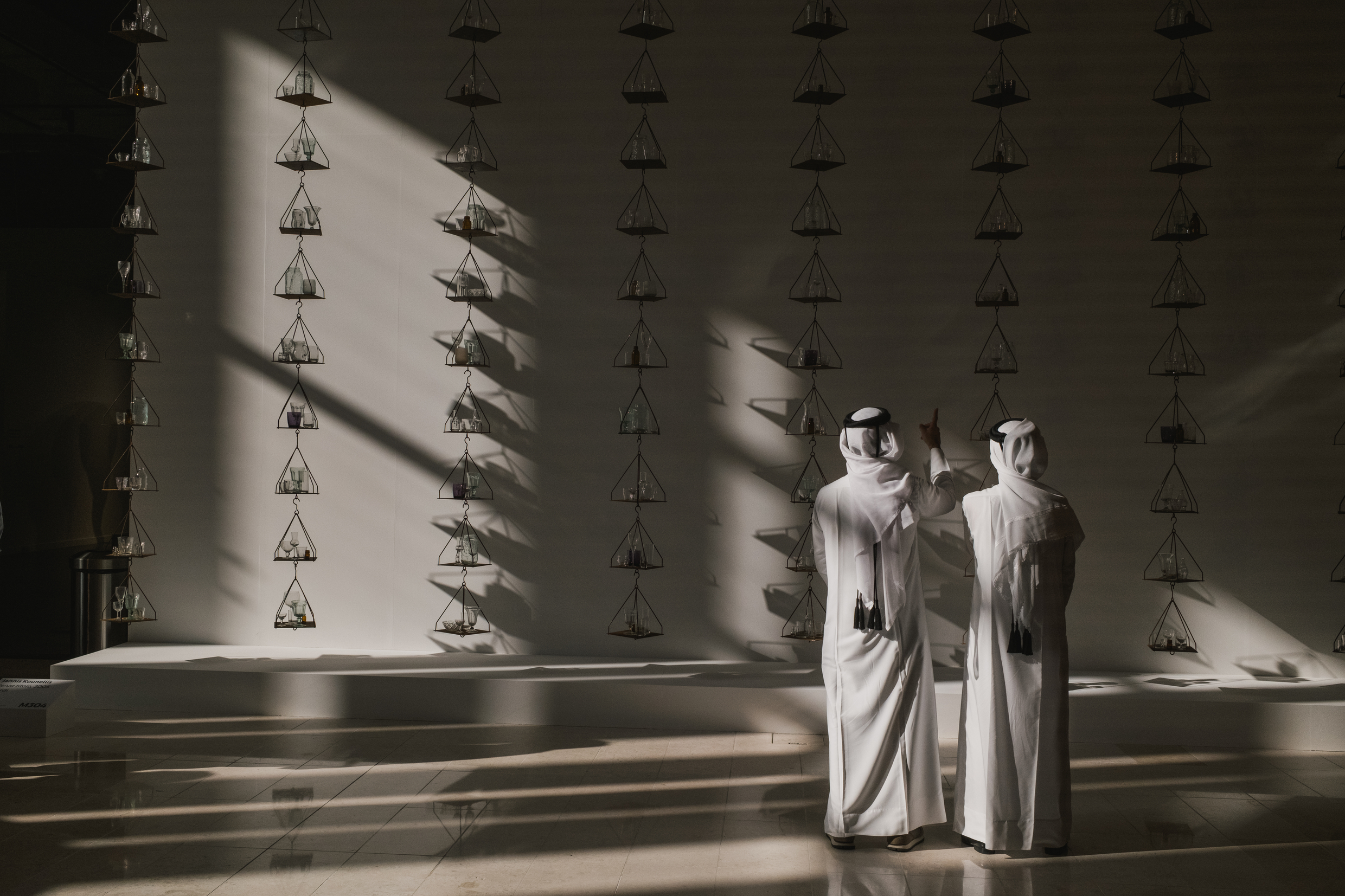
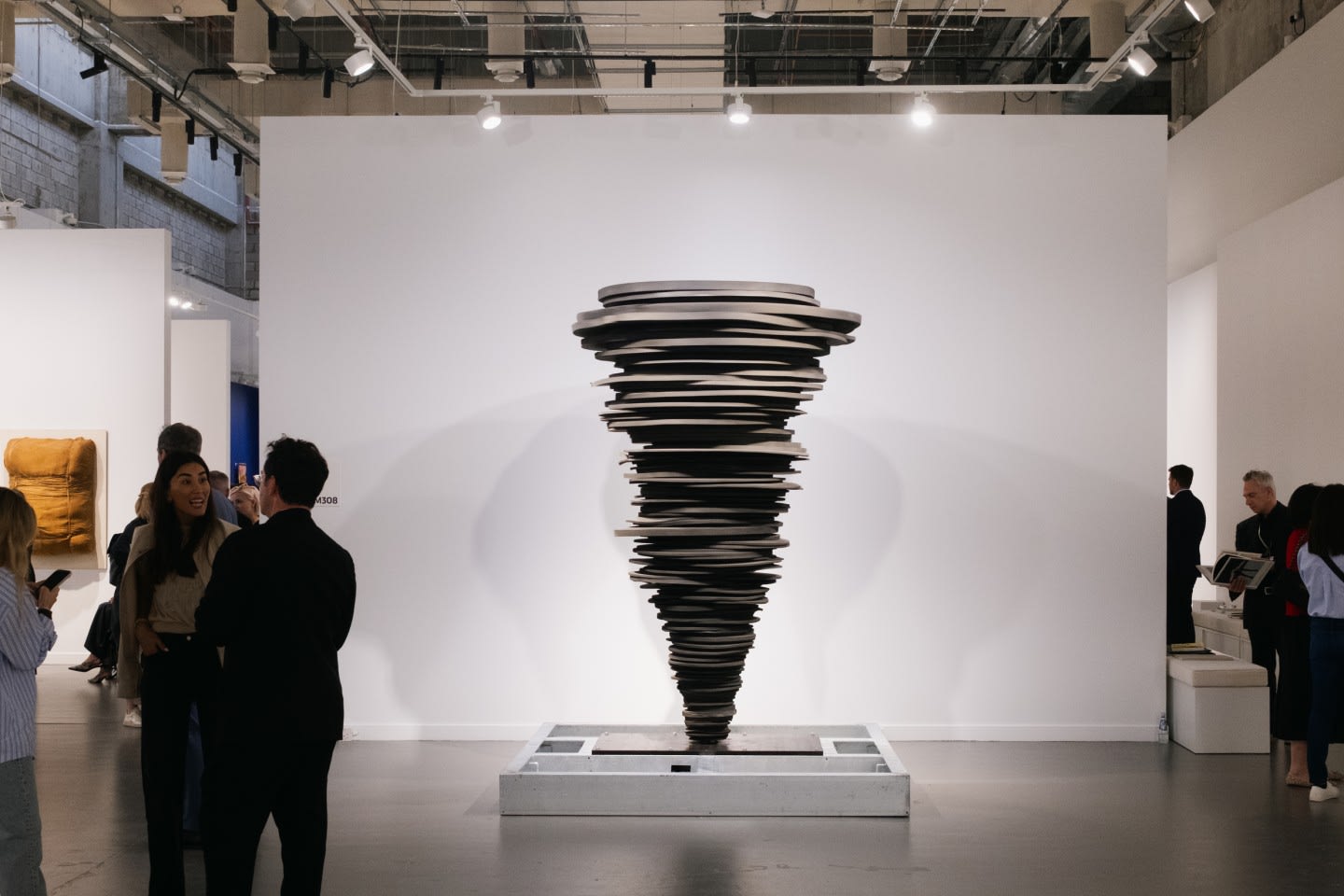
Across M7 and Msheireb Downtown Doha, more than 17,000 visitors visited the fair over three days. Collectors, curators, artists and institutions brought the city to life. The presence of over 85 museums and foundations, including the Tate, MoMA, the Solomon R. Guggenheim Museum and the Pinault Collection, is a testament to the fact that Doha is taking its rightful place on the global platform.
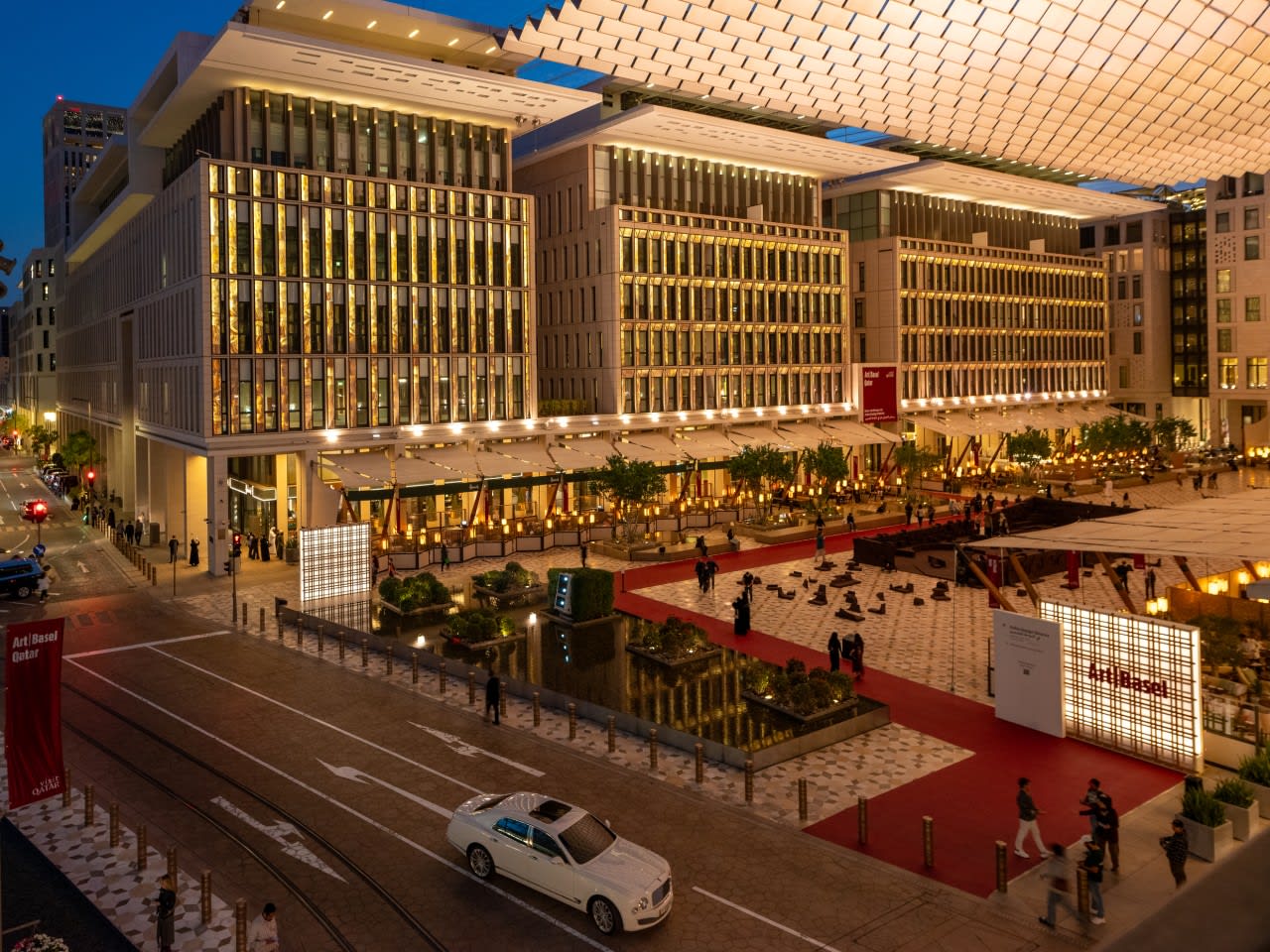
The tone was set early, with the fair being graced by His Highness The Amir Sheikh Tamim bin Hamad Al-Thani, alongside Her Highness Sheikha Moza bint Nasser and Her Excellency Sheikha Al Mayassa bint Hamad bin Khalifa Al-Thani. Their presence reflected a steady and serious national commitment to culture and marked a distinguishing moment in Doha’s creative landscape.
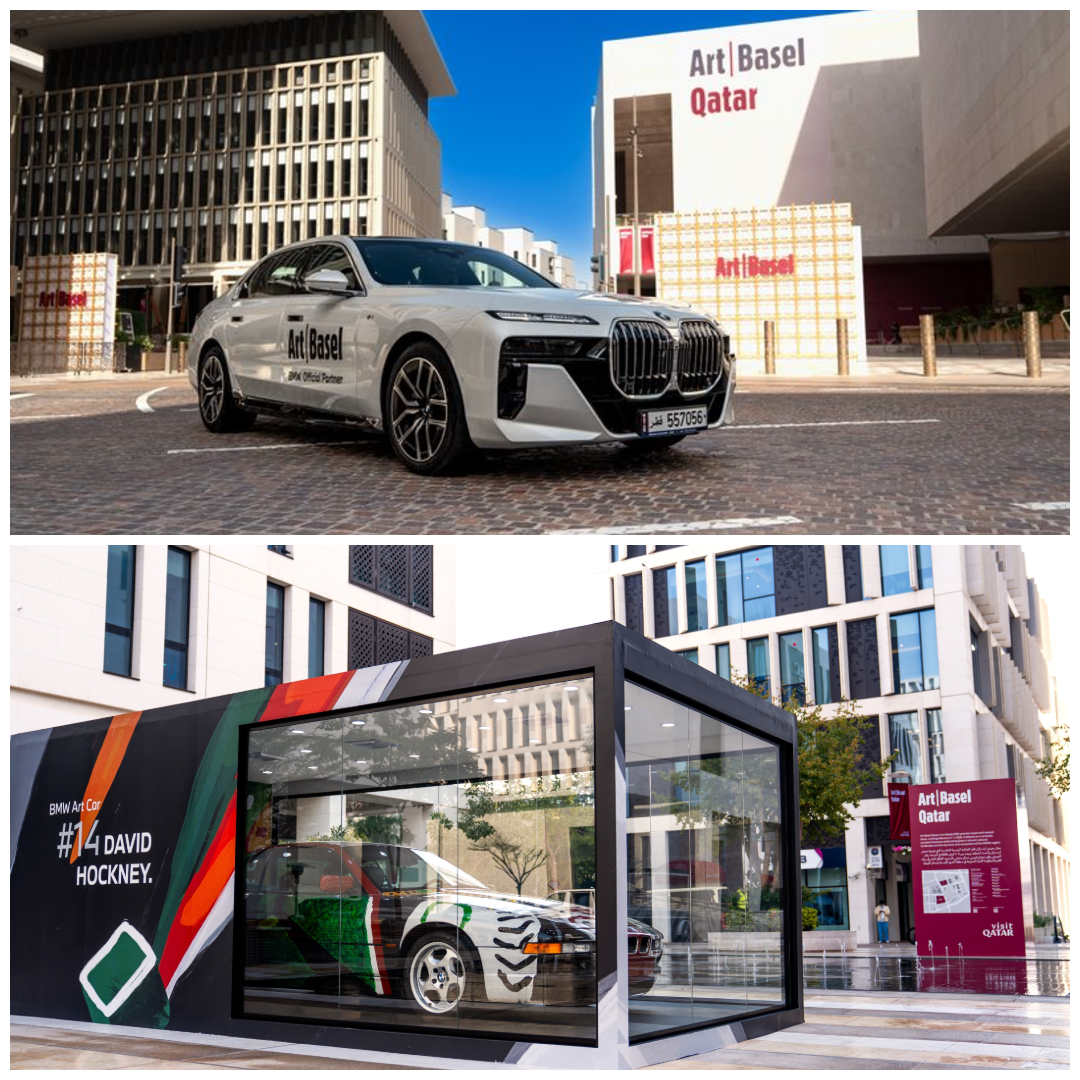
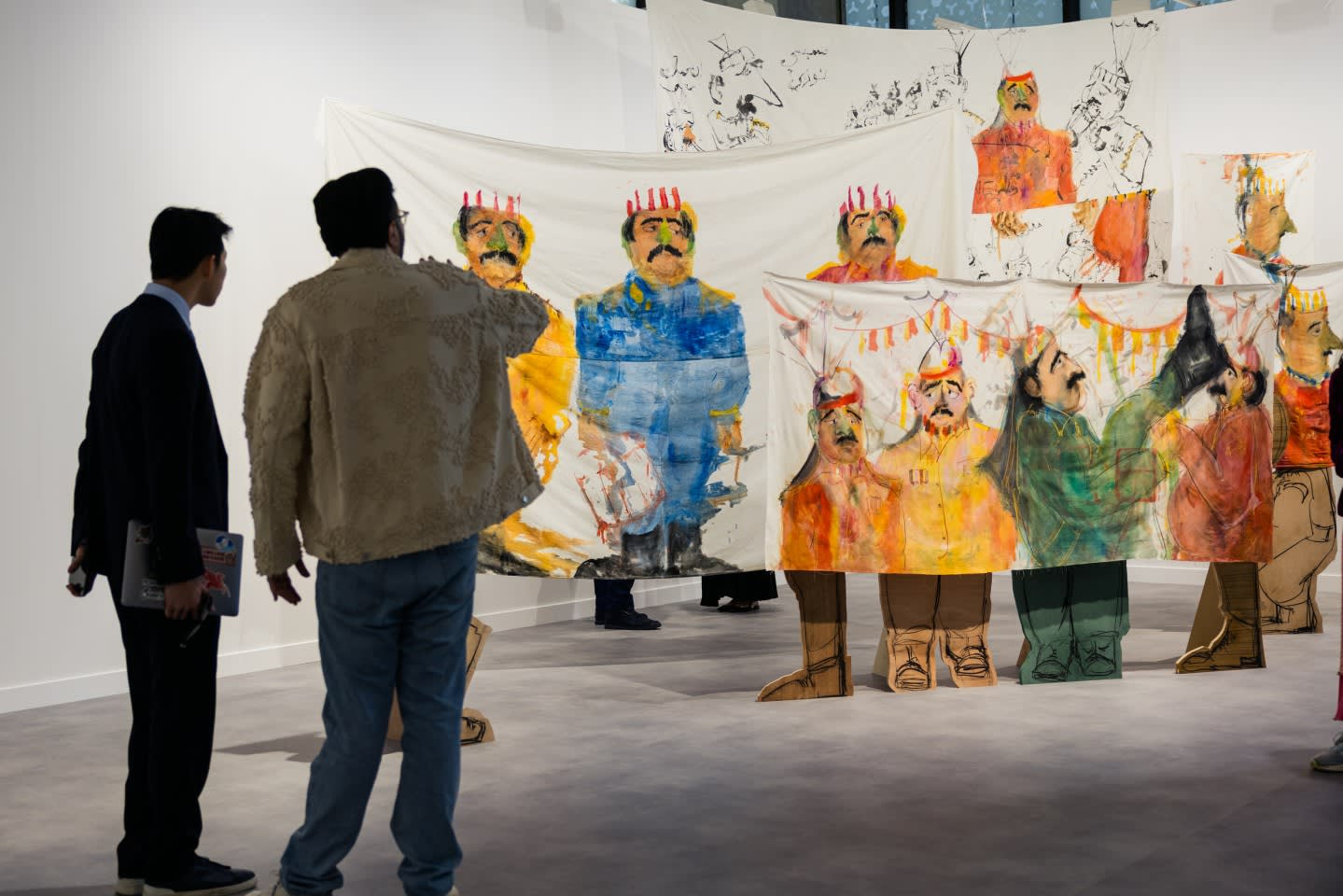
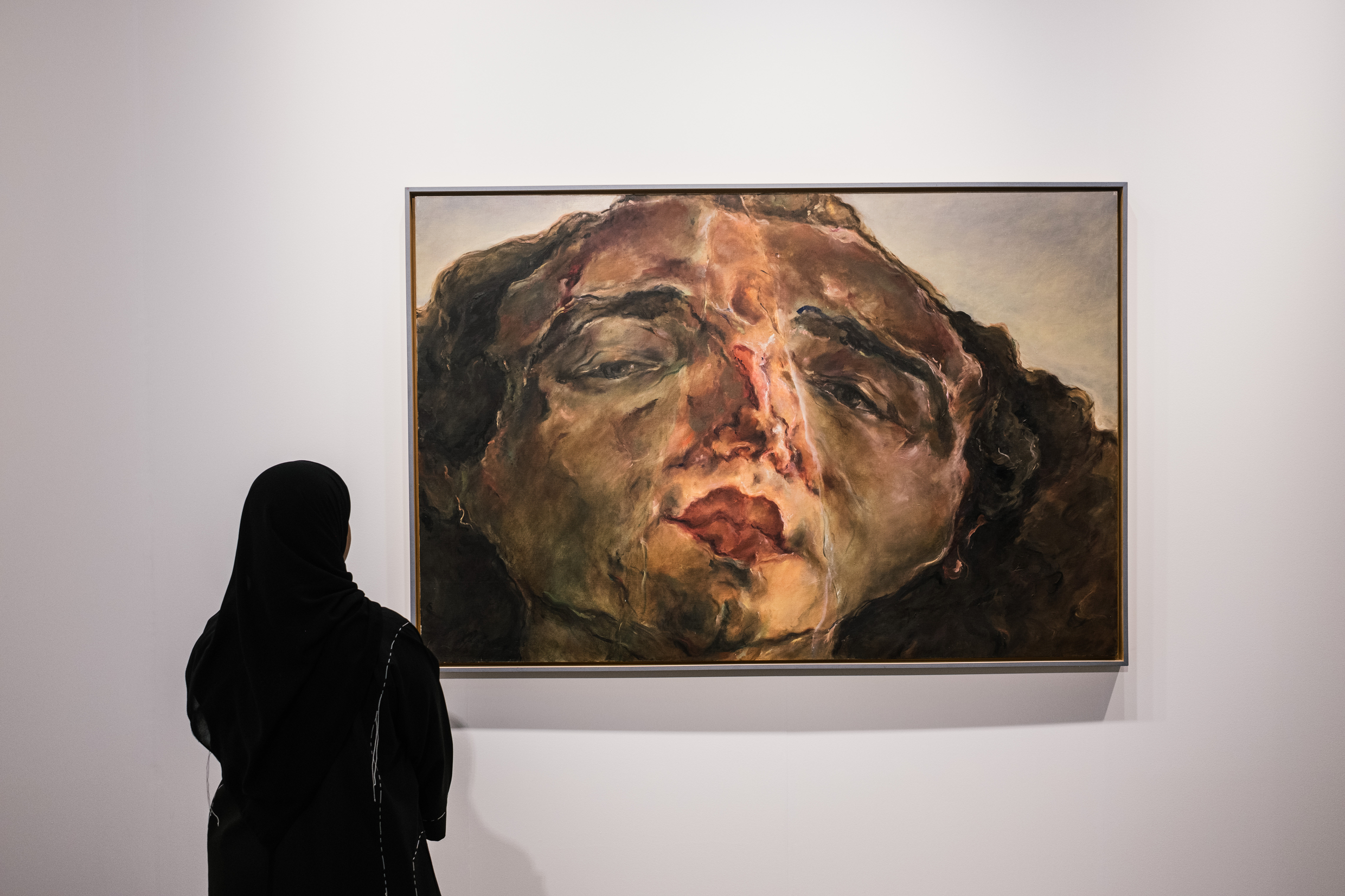
Under the artistic direction of Egyptian artist Wael Shawky, the fair stepped away from the overwhelming sprawl that often defines major international art fairs. Instead, it adopted an artist-led format. Eighty-seven galleries from thirty-one countries presented focused, often solo-driven showcases, making the experience more intimate.
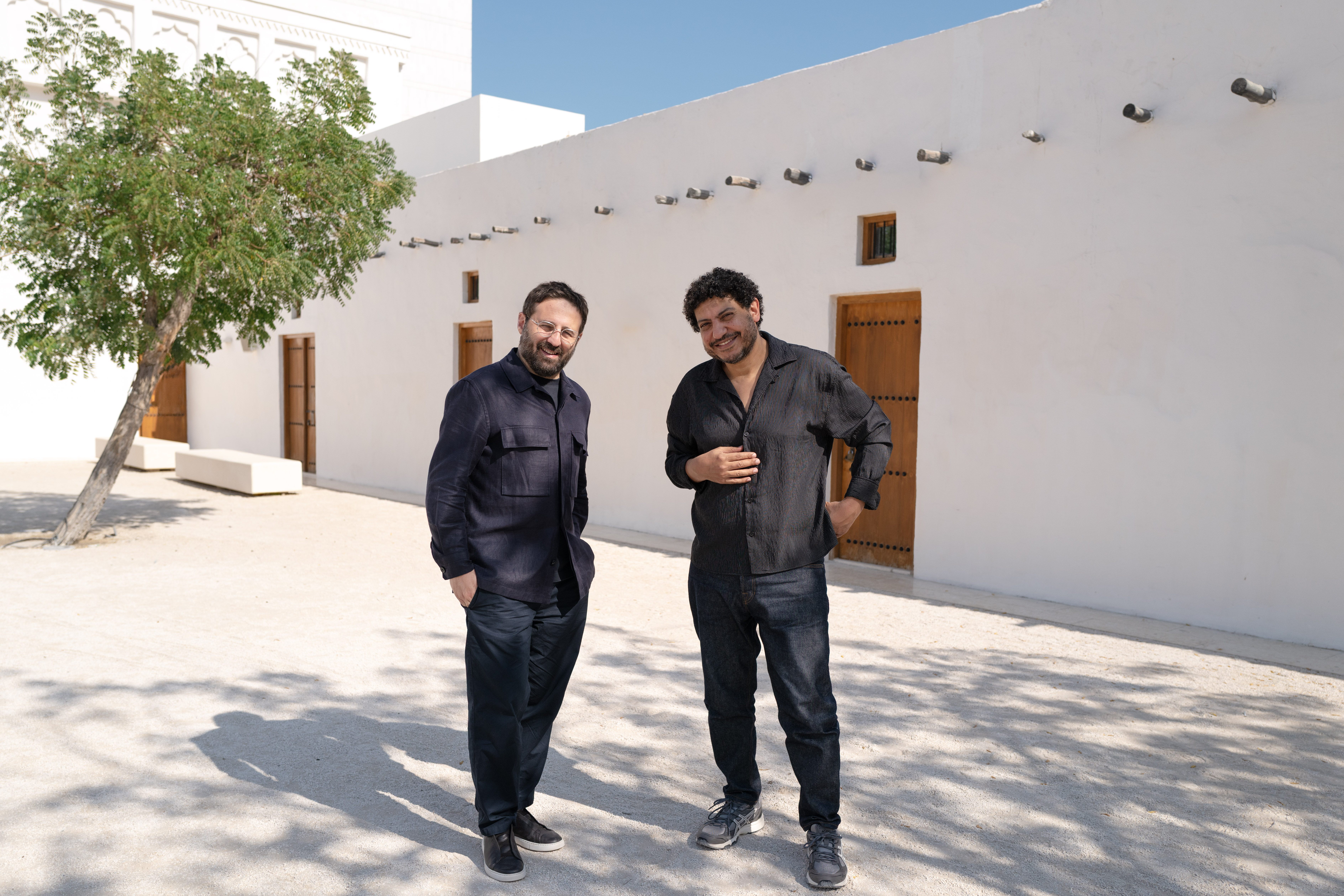
Throughout the three-day fair, conversations unfolded slowly, and narratives from the Global South held space alongside established Western voices. Nearly half of the private collectors in attendance came from the MENASA region itself, a telling shift that speaks to the growing confidence and maturity of the regional art ecosystem. Sales followed organically, with galleries reporting steady engagement from patrons across Qatar, Saudi Arabia, the UAE, and Europe.
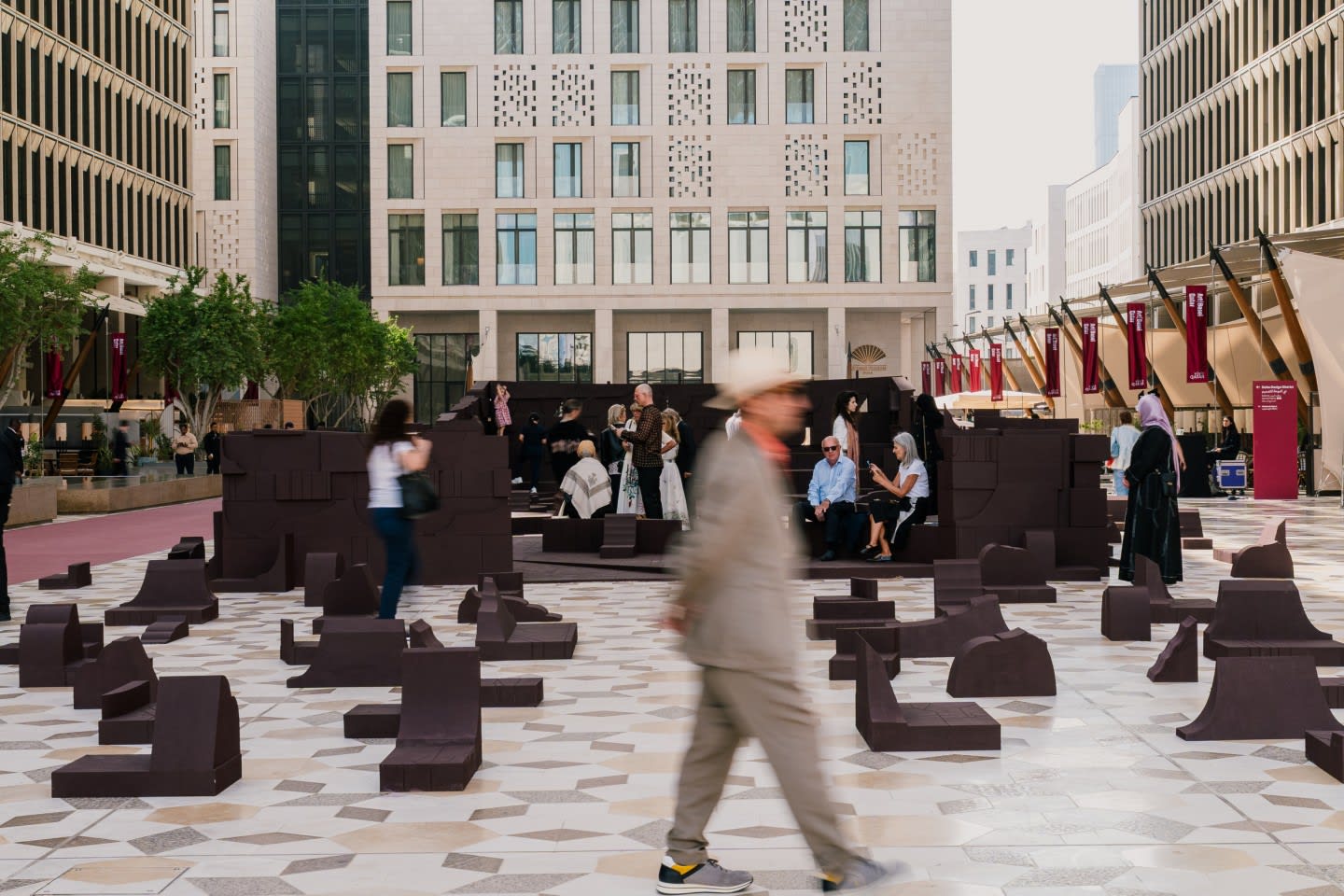
Beyond the booths, the city itself became part of the art experience. Ten large-scale installations formed the Special Projects programme, stretching art into public space and everyday movement. Most striking was Jenny Holzer’s SONG, which lit up the façade of the Museum of Islamic Art each night.
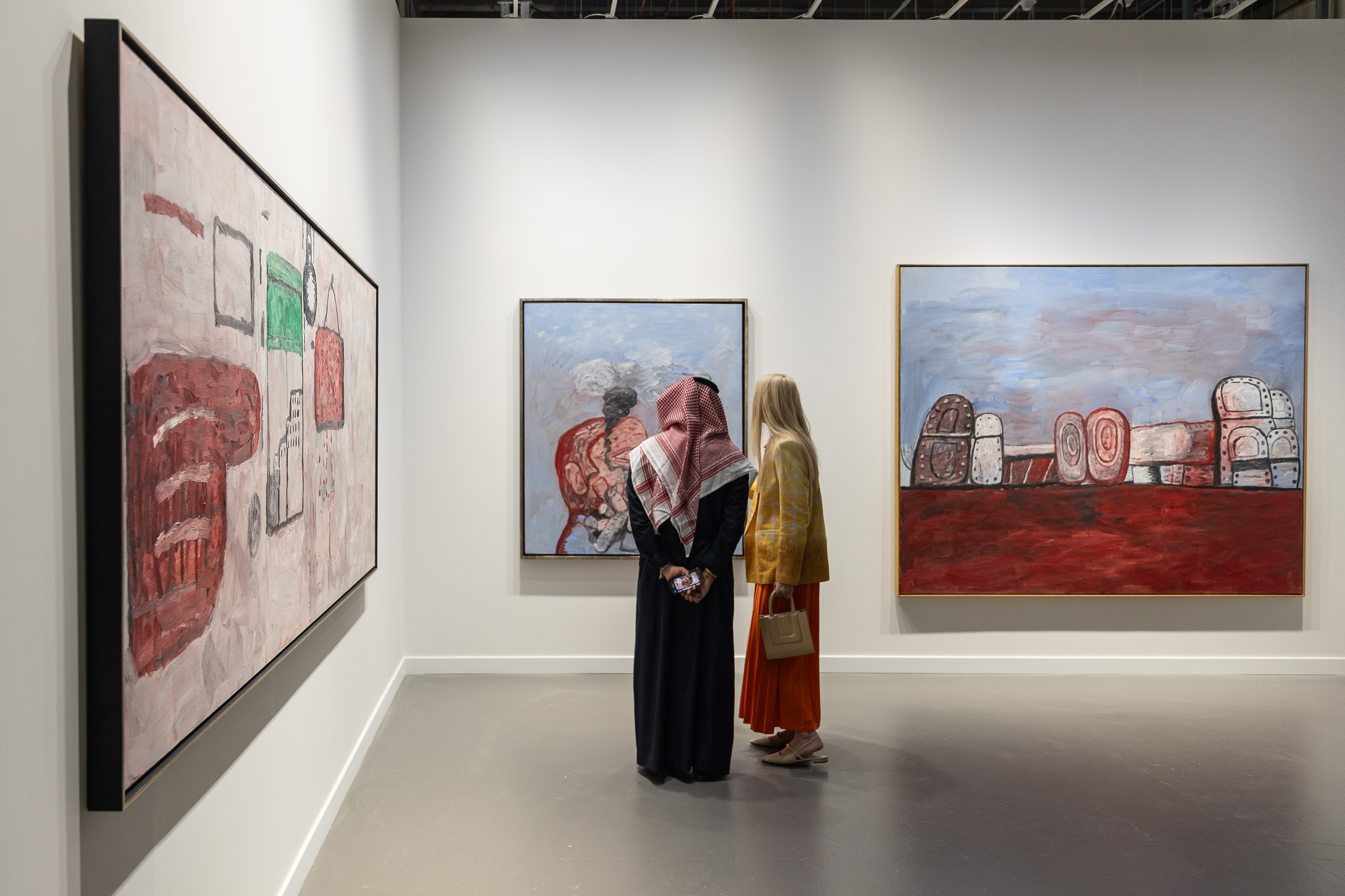
As part of this wider cultural activation, BMW, a global partner of Art Basel for over two decades, marked the fair’s inaugural Qatar edition by presenting David Hockney’s iconic BMW Art Car (1995) at Sahat Wadi Msheireb Plaza. The presentation extended into M7 with the BMW Lounge, offering visitors a curated insight into the brand’s long-standing dialogue with contemporary art, innovation, and mobility.
Inside, the Conversations programme brought together some of the most influential voices shaping contemporary culture. When figures like Hans Ulrich Obrist and Sheikha Al Mayassa took the stage, the room filled to capacity. Nearly 2,500 attendees joined the sessions, marking the highest average attendance in Art Basel’s history. This made the appetite for dialogue evident, showing that the region is ready to lead, host, and showcase.
What stood out most was the sense of clarity, as this was not positioned as a one-off project but as a platform with structure and long-term vision. As Art Basel CEO Noah Horowitz described it, the fair represented a powerful validation of a shared belief that this region has something important to contribute to the global art landscape.
For Doha, the impact goes beyond the fair itself. It finally owns the larger narrative that has been building for years. Investments in museums, design districts, and cultural programming
are shaping a new creative infrastructure, and Art Basel Qatar played a role in making this work visible to the world.
As the first edition closes, what remains is not just the memory of a successful debut, but the sense that a new chapter has begun. One where Doha stands as a meeting point between heritage and artistic vision.
Though the dates for the next edition have not yet been announced, the art world looks forward to being welcomed again to Art Basel Qatar in 2027.
Images Courtesy: Art Basel

.gif)