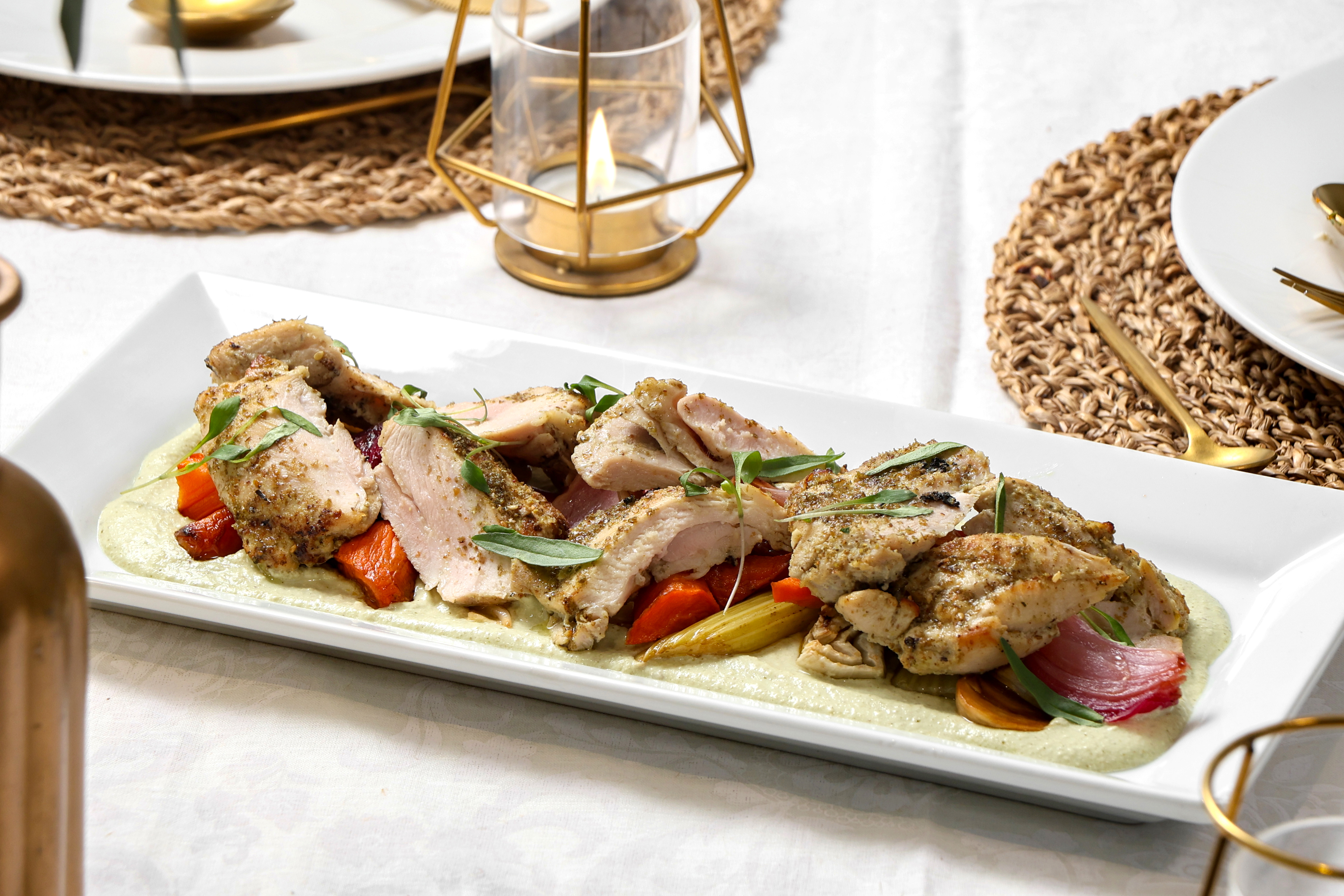
In Italy, Christmas is a season of traditions, flavors, and moments shared around the table. Among all festive treats, panettone stands out as an unmistakable symbol of Italian holiday culture. Originating as a rich, leavened sweet bread in Milan, panettone has transcended its regional roots to become a national and even global emblem of Christmas. Its iconic dome-shaped loaf, studded with candied fruit and raisins, evokes warmth, family, and celebration. Beyond its taste, panettone embodies centuries of craftsmanship and a cultural narrative that binds generations. Across Italy, gifting or sharing a panettone is a ritual that unites past and present, home and table, memory and festivity.
A Milanese Story That Became Universal
The origins of panettone are deeply rooted in Milan, with references appearing as early as the 15th century. During this period, enriched Christmas breads were reserved for festive occasions and wealthy households, as wheat, sugar, and butter were luxury items. One of the most enduring legends involves Ludovico il Moro, Duke of Milan, whose court demanded a special bread for a Christmas banquet. Legend tells of a young nobleman named Toni, who improvised a sweet bread enriched with butter, eggs, sugar, and candied fruit to save the feast from disaster. The name “panettone” is believed to derive from “pan de Toni” (Toni’s bread), immortalizing the baker who created it.
By the 18th century, panettone had become central to Milanese Christmas traditions, documented by writers and diarists noting the lavish preparation of these festive loaves. Its transformation into a national symbol occurred in the early 20th century, thanks to industrial bakers such as Angelo Motta, who perfected the tall, domed shape, natural leavening, and long fermentation process. Subsequently, other industrial producers like Galli and Melegatti helped panettone reach homes across Italy and eventually the world, making it synonymous with Christmas itself.
In recent decades, panettone has undergone a renaissance. Artisanal bakers have reclaimed its soul through sourdough starters, long fermentations, and careful selection of ingredients. Today, it is both a symbol of tradition and a canvas for creative interpretation, offering a glimpse of Italy’s culinary sophistication to international audiences.
Contemporary Interpretations: Craft Meets Innovation
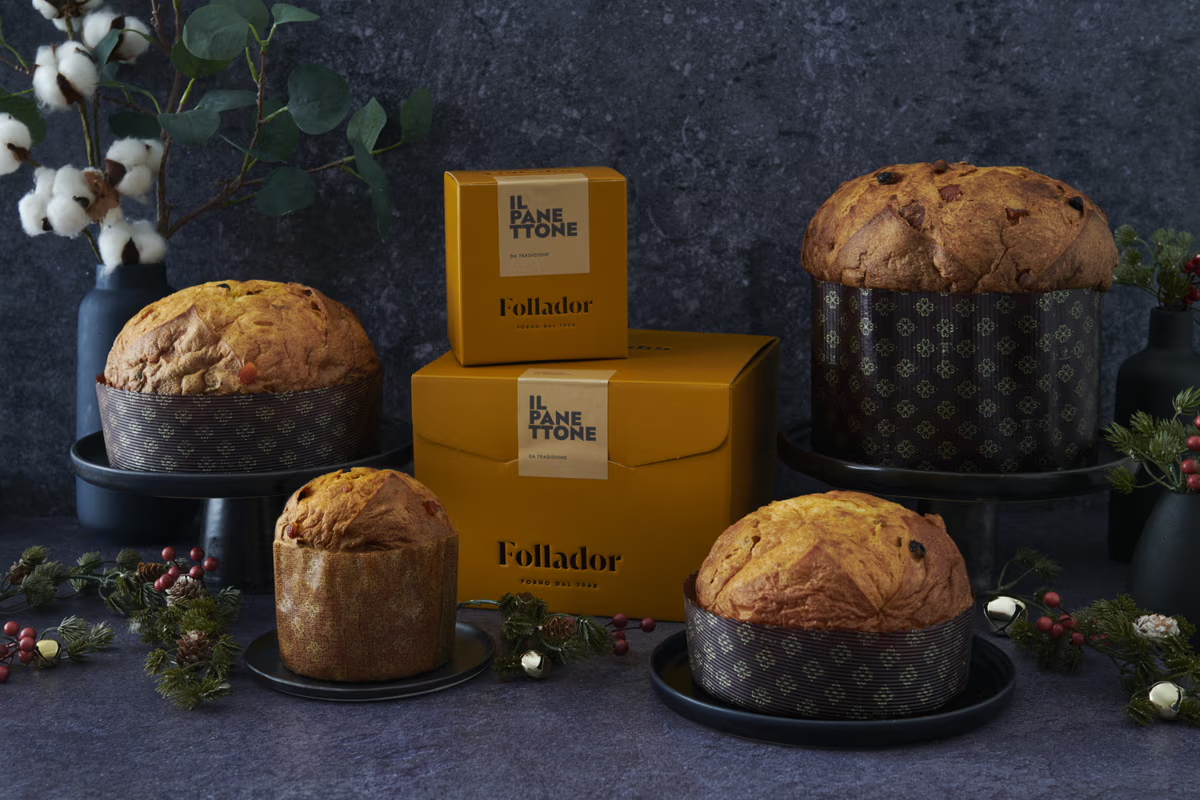
Forno Follador
In Pordenone, Antonio Follador nurtures his sourdough starter as a living organism, giving character and life to every loaf. Follador’s panettoni are nationally awarded, and his pandoro remains the heart of his Christmas offerings. Centrifuged butter, fresh cream, and Madagascar Bourbon vanilla create an unmistakable softness and fragrance. The new 500 g pandoro format introduces everyday indulgence, while the classic “Tradizione” and the tiramisù-inspired “L’altro Pandoro” demonstrate an elegant balance between heritage and modernity.
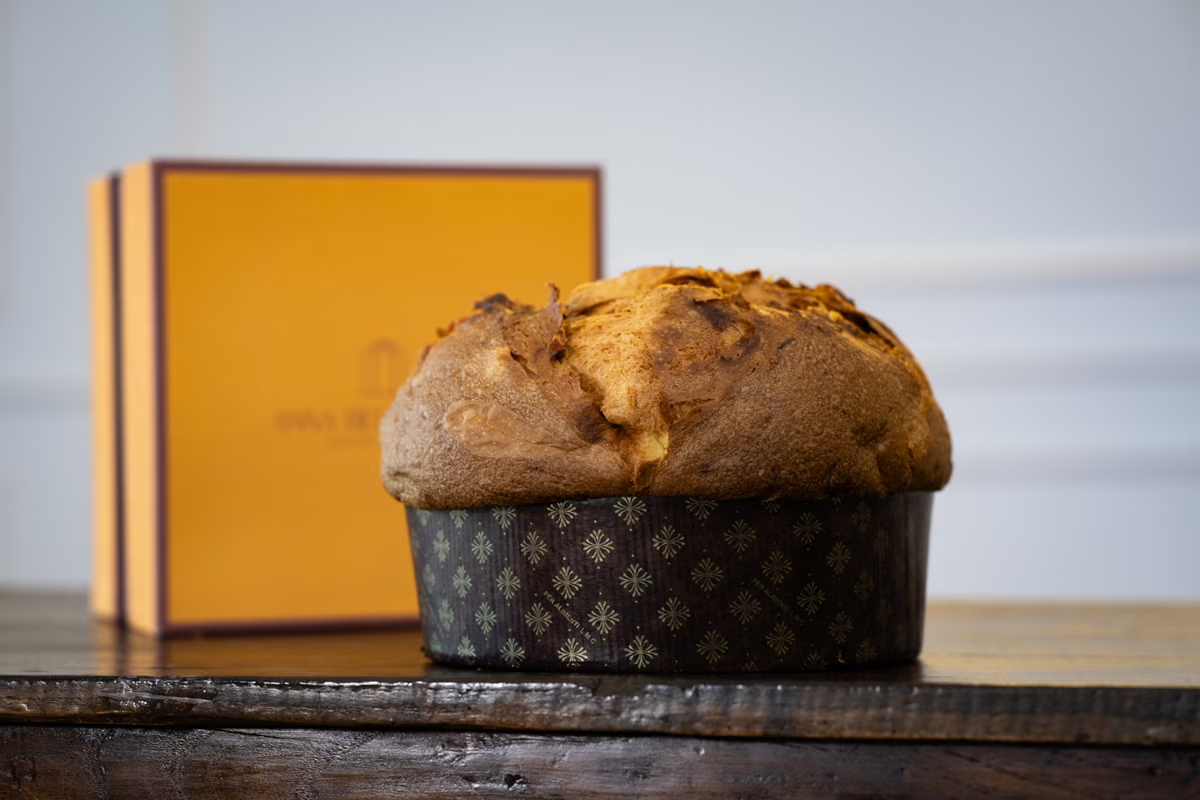
Anna Belmattino
Anna Belmattino presents a collection defined by restraint and balance. Traditional recipes coexist with contemporary flavors-sour cherry and chocolate, three chocolates, apple and cinnamon, pistachio and red fruits-in a narrative built on sourdough, house-made candied fruits, and thoughtful sugar management. Her panettoni are understated, elegant, and precise, reflecting her philosophy that every ingredient has a role, and nothing is left to chance.

Andrea Aprea
Two cities, two identities. Andrea Aprea, chef of his two-Michelin-star restaurant, brings Milanese precision and Neapolitan warmth to his panettoni. The Traditional Panettone with Candied Fruit pays homage to Milan, while the Vesuvian Apricot Panettone evokes the aromas and memories of Naples. High cuisine meets festive bread, with eco-conscious packaging crafted from recycled coffee paper, highlighting a modern, conscious approach to luxury pastry.
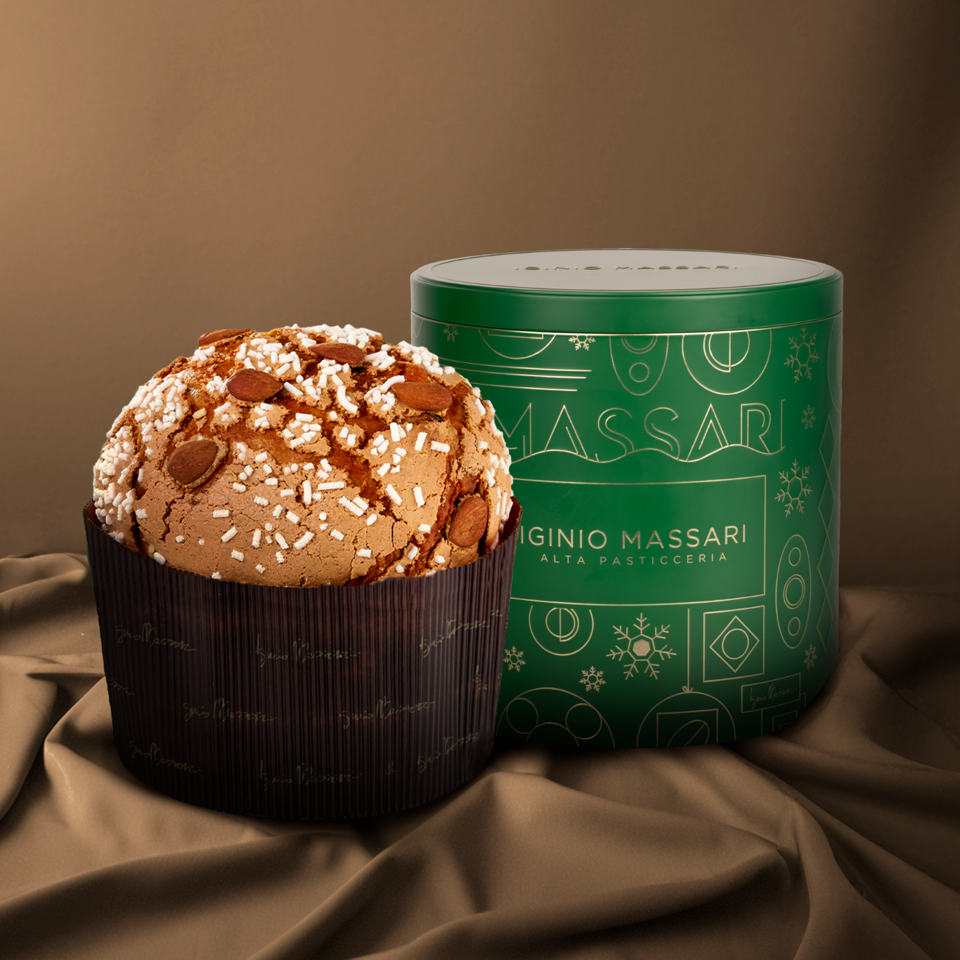
Iginio Massari Alta Pasticceria
Iginio Massari exemplifies mastery in panettone. His process spans 65 hours, including four fermentation stages and two separate doughs. Signature creations include the Classic Almond-Glazed Panettone, the Chocolate and Cocoa Panettone, limited-edition varieties, and the collector’s Three-Dough Edition. Massari’s panettoni move hearts through aroma, texture, and flavor, celebrating both heritage and innovation.
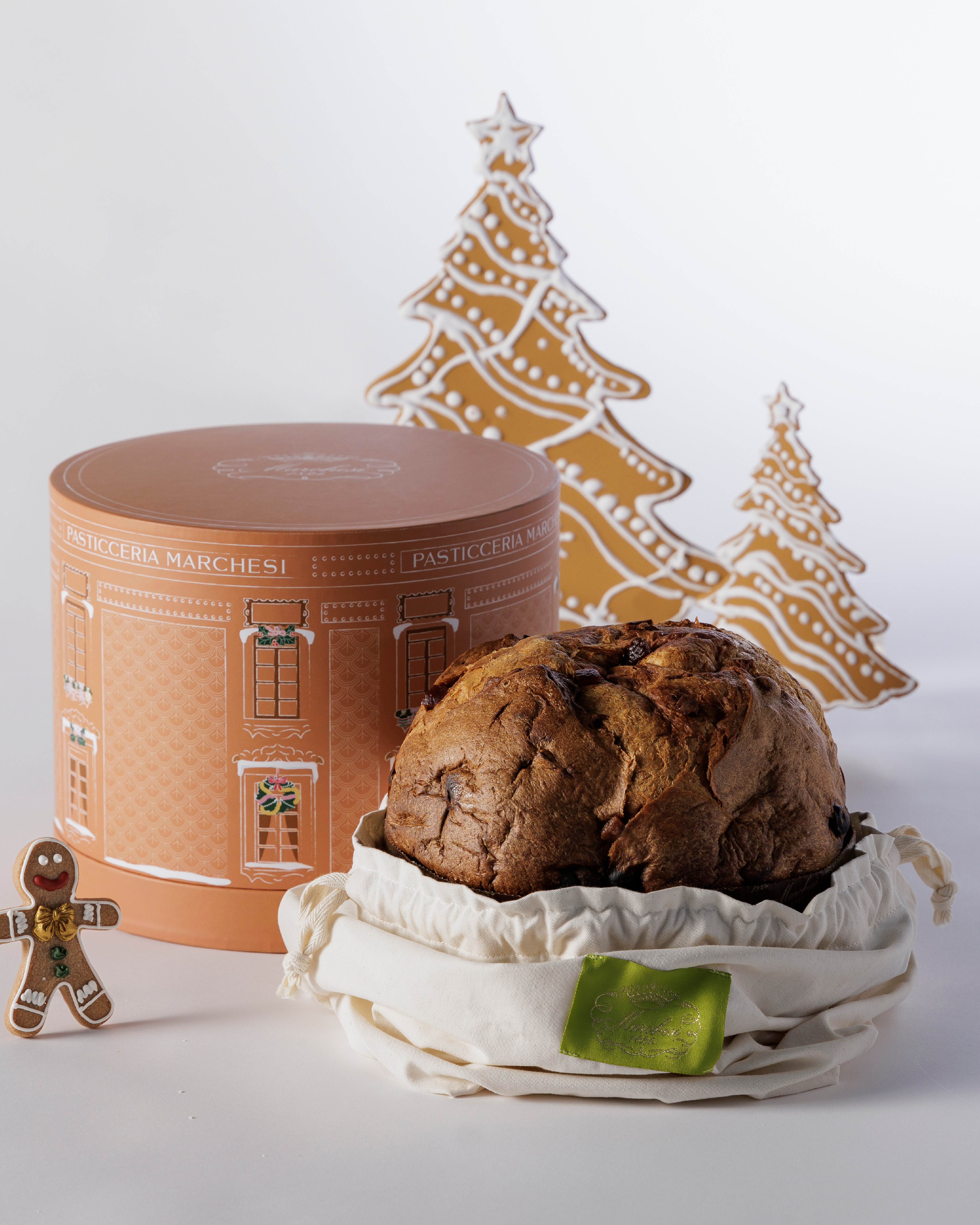
Marchesi 1824
Marchesi 1824 combines craftsmanship and imagination. Milan’s streets are illuminated by a “Gingerbread City” in their windows, while the Classic Panettone is joined by special editions and the new Meneghino with Grand Marnier, a refined nod to Milanese elegance. Marchesi turns panettone into a complete sensory experience, from display to taste, redefining luxury pastry in the contemporary era.
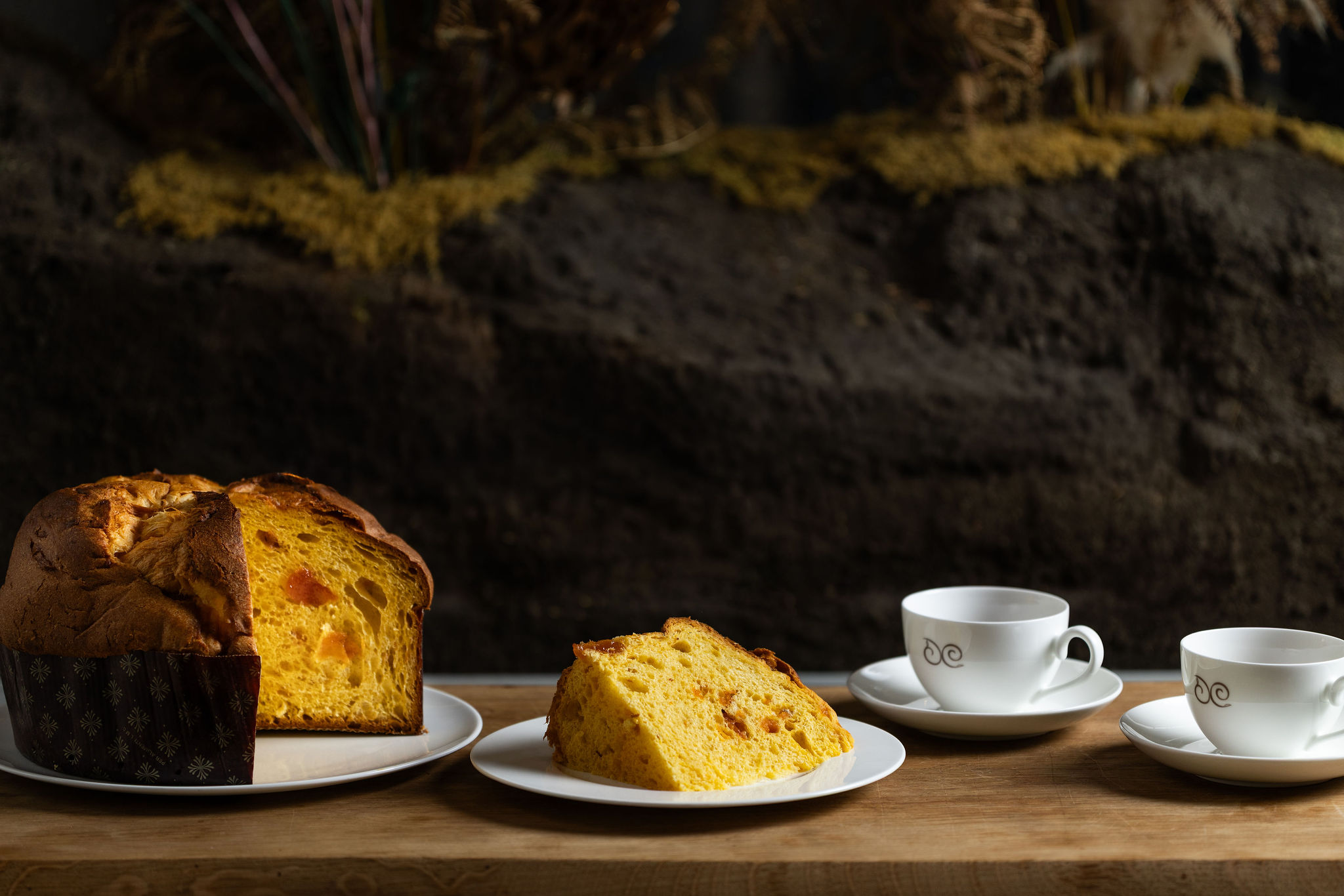
Daniel Canzian
MI.O, MassaBon, and the renewed Traditional Three-Dough Panettone illustrate gastronomy in festive bread. Roasted oranges and apricots, slow processes, and carefully paired herbal teas transform tasting into a ritual of pause, conversation, and mindful indulgence.
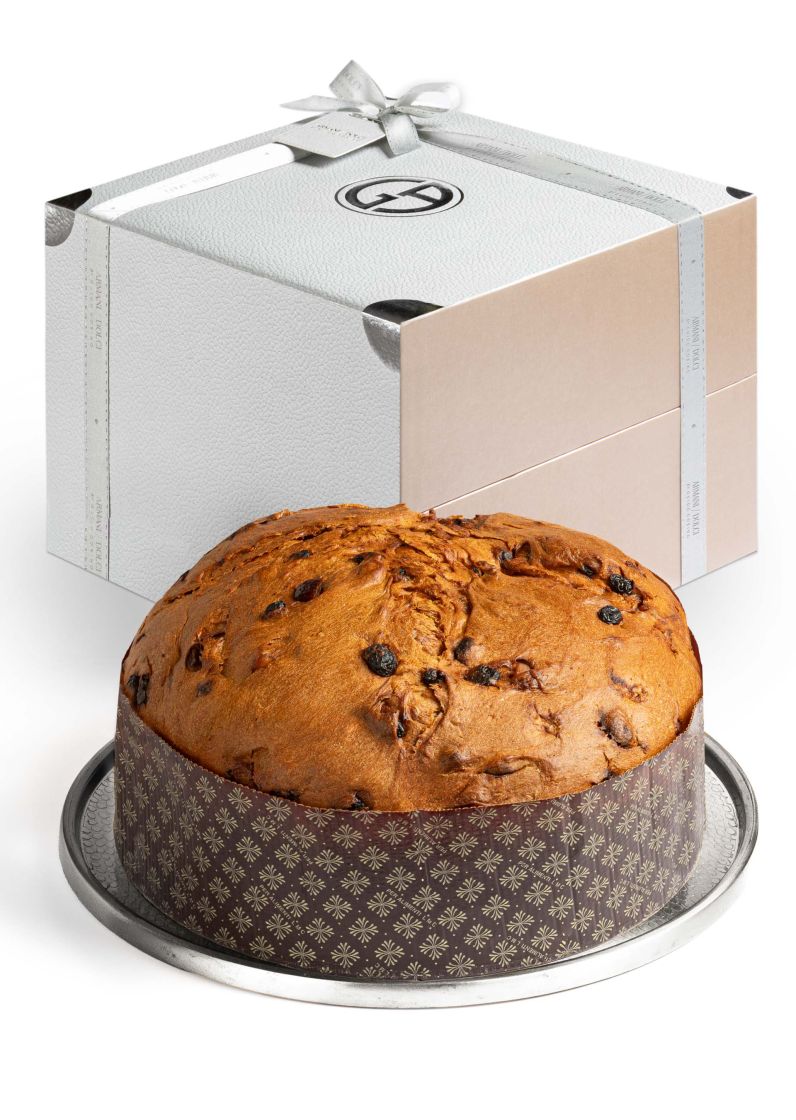
Armani/Dolci
Armani/Dolci’s panettone epitomizes refined simplicity. Made with slow natural leavening and only natural ingredients-flour, milk, eggs, butter, raisins, and candied peel-it contains no preservatives or artificial coloring. The result is a luxury panettone that embodies purity, balance, and quiet elegance, perfect for gifting in cosmopolitan markets.
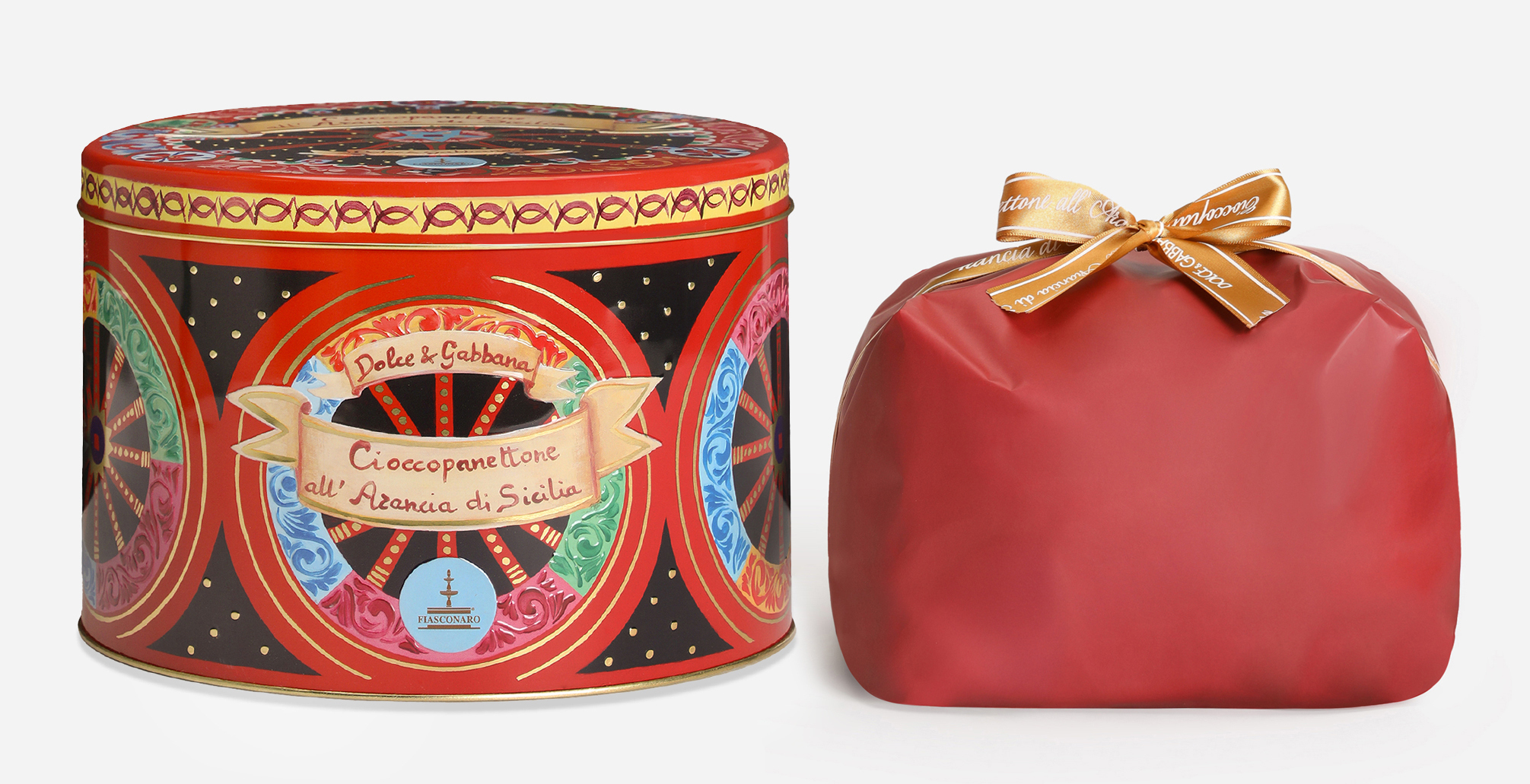
Dolce & Gabbana
Dolce&Gabbana once again joins forces with Fiasconaro to reinterpret the Milanese panettone through the vibrant flavors of Sicily. The Sicilian Orange Cioccopanettone features a cocoa-based dough enriched with candied Sicilian oranges, where the depth of chocolate meets the bright, citrusy notes of the island. Made with carefully selected regional ingredients and slow, natural leavening, it offers exceptional lightness and fragrance. The experience is completed by an elegant cylindrical tin inspired by Sicilian artistic heritage: multicolored Carretto motifs reimagined on a black background with gold details and embossed finishes. A refined celebration of Italian craftsmanship, taste, and visual storytelling, this creation invites the holidays to be savored with all the senses.
Panettone as a Global Symbol
Beyond Italy, panettone has become a gourmet symbol worldwide, appearing in luxury stores, high-end hotels, and festive dinners across Europe, North America, and the Middle East. Its versatility allows for pairing with coffee, tea, and dessert drinks. In Dubai, it resonates with connoisseurs seeking authentic, artisanal products that carry cultural stories and craftsmanship, reflecting Italy’s culinary heritage in a cosmopolitan context.
Panettone also embodies ritual and celebration. Families warm it lightly in the oven before serving, share it with friends and colleagues, and display it as part of elaborate festive tables.
Today, panettone mirrors the contemporary world: conscious, identity-driven, refined, yet playful. Interpretations evolve, but its role remains unchanged: a symbol of Christmas, a centerpiece for family gatherings, a canvas for artisans and chefs alike.
At the table, shared and awaited, celebrated and gifted, panettone reigns supreme. Every Christmas needs a king. And its name, timeless and resonant, remains the same: panettone.