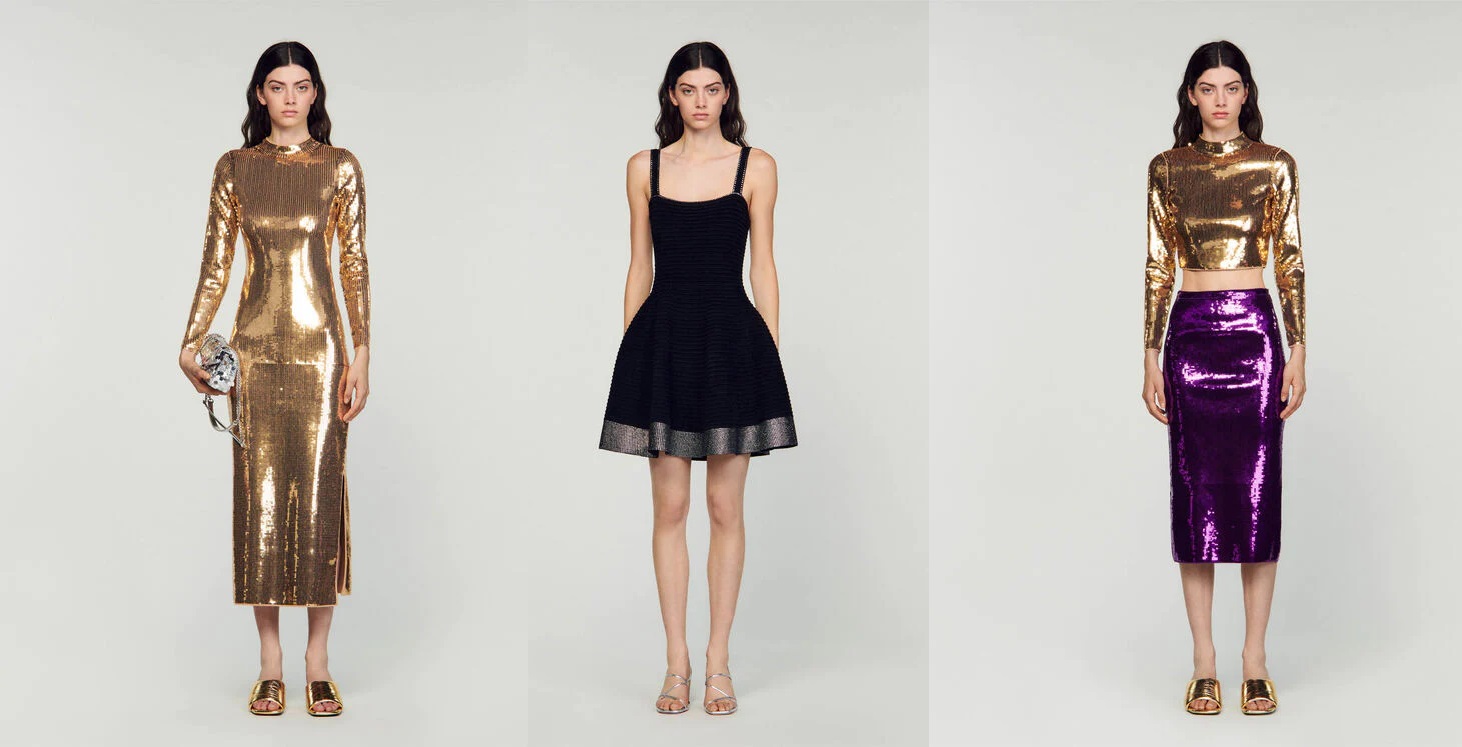
Milan Fashion Week F/W26: The return of lavish in the kingdom of black
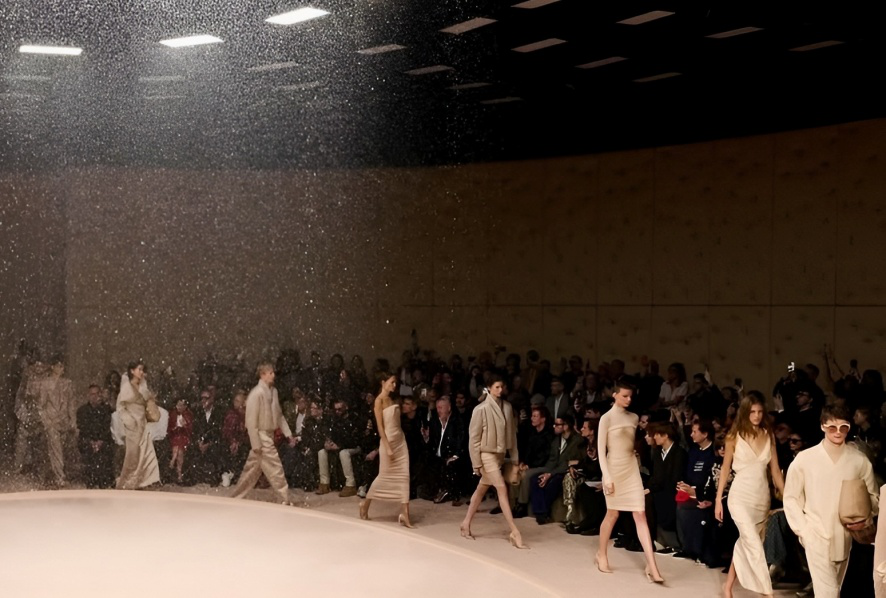
Milan Fashion Week is always one to promote Italian craftsmanship and vivid temperament. Houses are more into glam and express style in a more sumptuous way. This season there were three occasions the fashion world was looking forward to. The return of Maria Gracia Chiuri to Fendi, the first collection of Demna Gvasalia for Gucci and the debut of Silvana Armani after Giorgio’s passing. There was also the debut in Marni but it got so little attention compared to these major events.
Black was the ultimate winner of the season. Not only was it present in most collections but it totally prevailed. Houses preferred to play the card of seduction and dark romanticism and present collections that have higher sales potential. The ones that didn’t go down that road still went for wearable. There was of course the exception of Gucci which unfortunately was not a bright under any circumstances.
Fendi
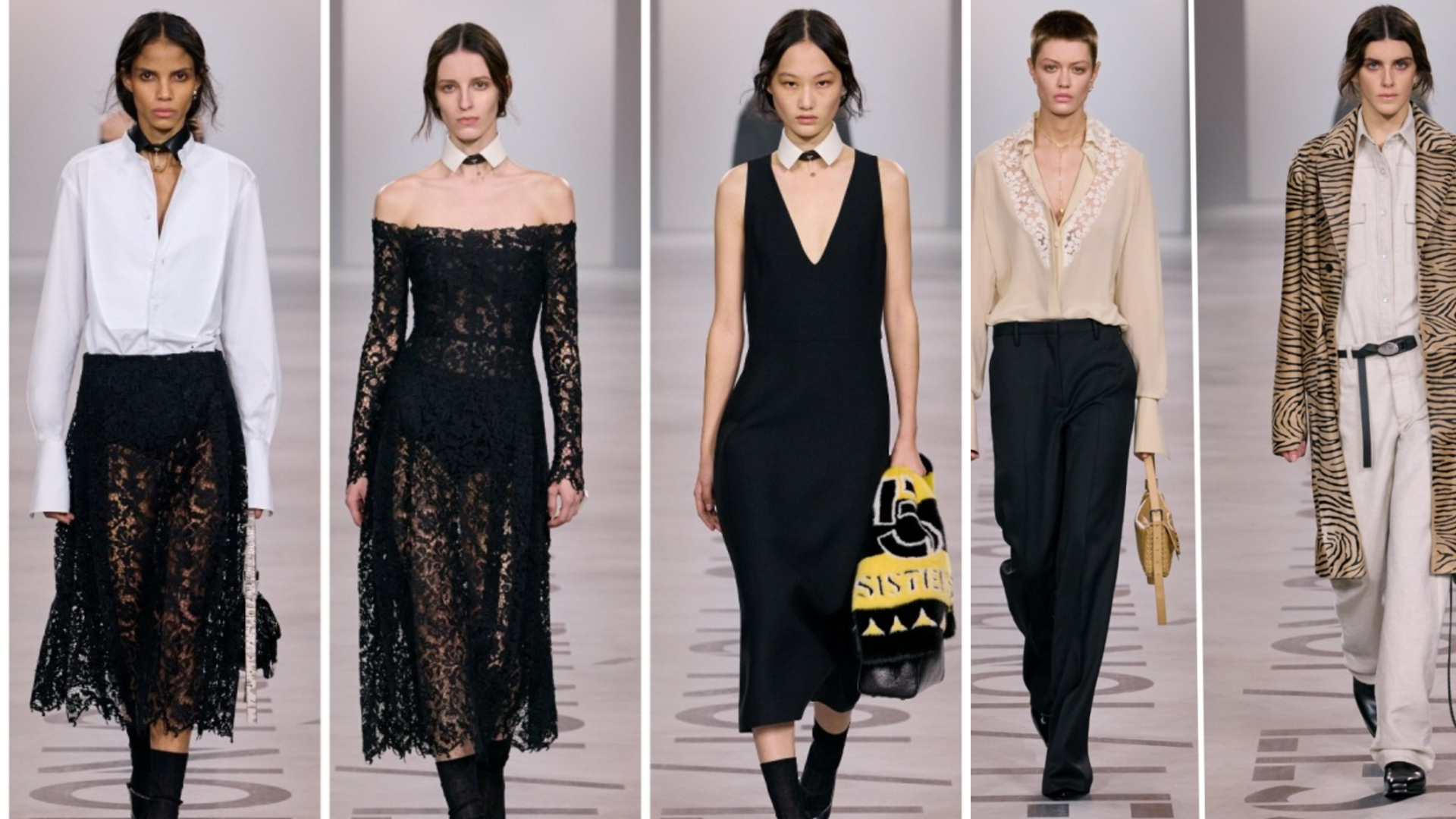
Maria Grazia Chiuri returned to Fendi where she had initially begun her career in 1989. Her collection entitled “Less I, More Us” delivered garments that felt personal and purposeful. A dominant palette of deep blacks and muted neutrals set a mood of sophistication, punctuated by red and denim. Sheer lace gowns and satin slip dresses celebrated the female form while suits and shirts added a more androgynous touch. Fur in coats, vests, collars and patchwork pieces honored the house’s artisanal legacy.
The reimagined Baguette bags played a central role: richly detailed in beadwork, animal prints, crystal and shearling, they reminded of the brand’s roots. We couldn’t help but notice quite a few Dior references which is not surprising for Chiuri but it triggered a hot debate on social media. We can totally understand though that the designer’s main goal was for her first collection to be a success in the real world of sales. Without a doubt, this was the right thing to do.
Gucci
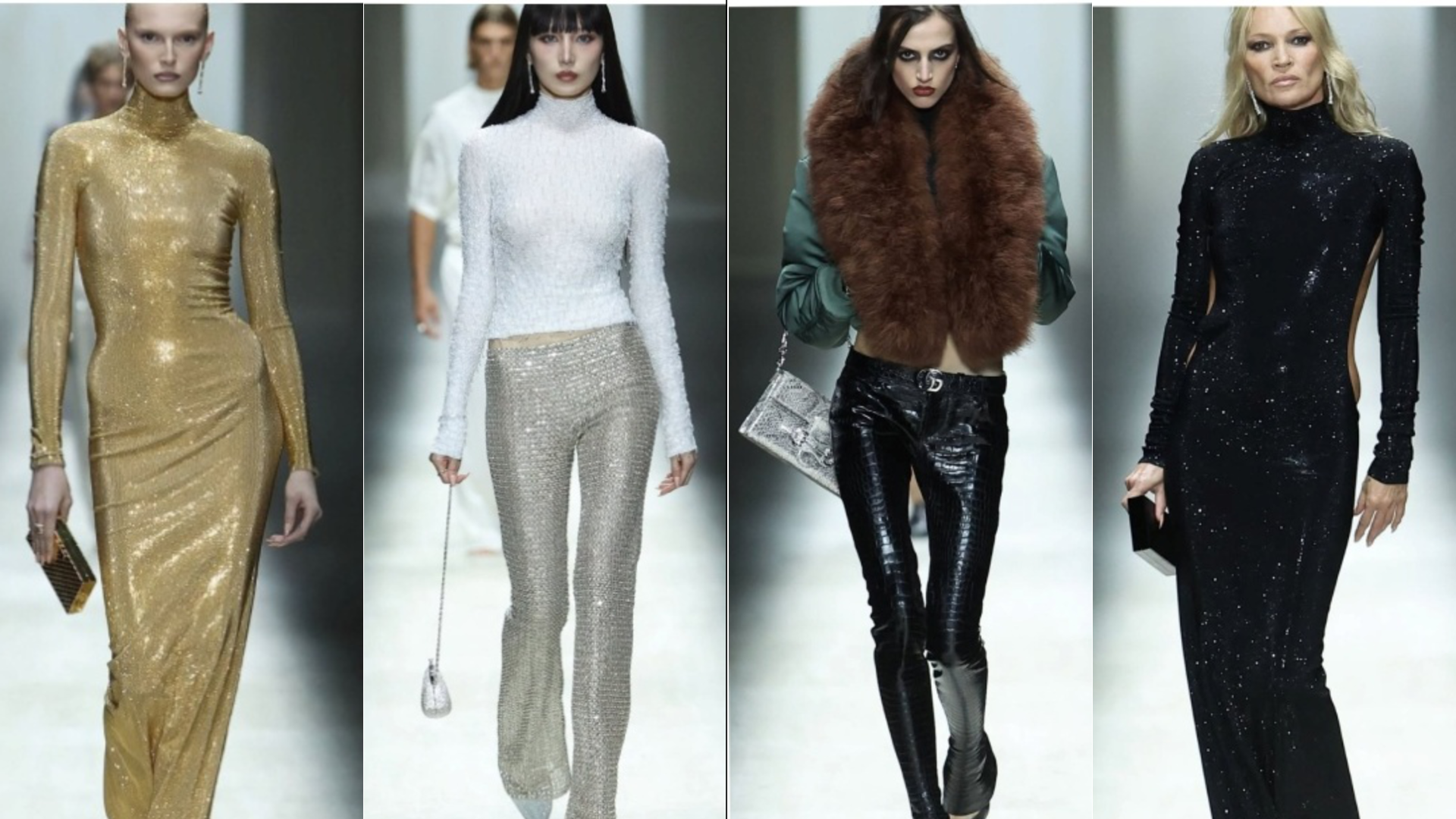
The most talked-about debut was the most contradictory one. Demna Gvasalia presented a collection that was very Gucci, very very Tom Ford Gucci to be precise. The clothes were not the only issue on the list though. The models adopting a 90s-like skinny style and a very “unique” posture were also largely commented on. The collection presented Gucci as glamorous, playful, and bold, aiming to capture a modern sense of freedom and excitement.
Staged in a monumental museum-like set inspired by Florence’s artistic legacy and the Uffizi Gallery, the show symbolically placed Gucci within the wider context of Italian cultural history, echoing the influence of Renaissance masters. Demna chose a direct and sensual aesthetic, emphasizing body-conscious silhouettes. Models appeared in muscle tees, tight polos, denim, and stretchy tube dresses. Sky-high stilettos and daring eveningwear featuring slits, embellishments and revealing backs as well as fluid suits cut in glossy fabrics reminded of the Tom Ford era. The show culminated in a memorable finale with Kate Moss closed in a daring backless dress revealing not only her back. But that was Tom Ford too. We believe have to wait until next season to see what Demna himself can do for the house of Gucci. Until then…
Giorgio Armani
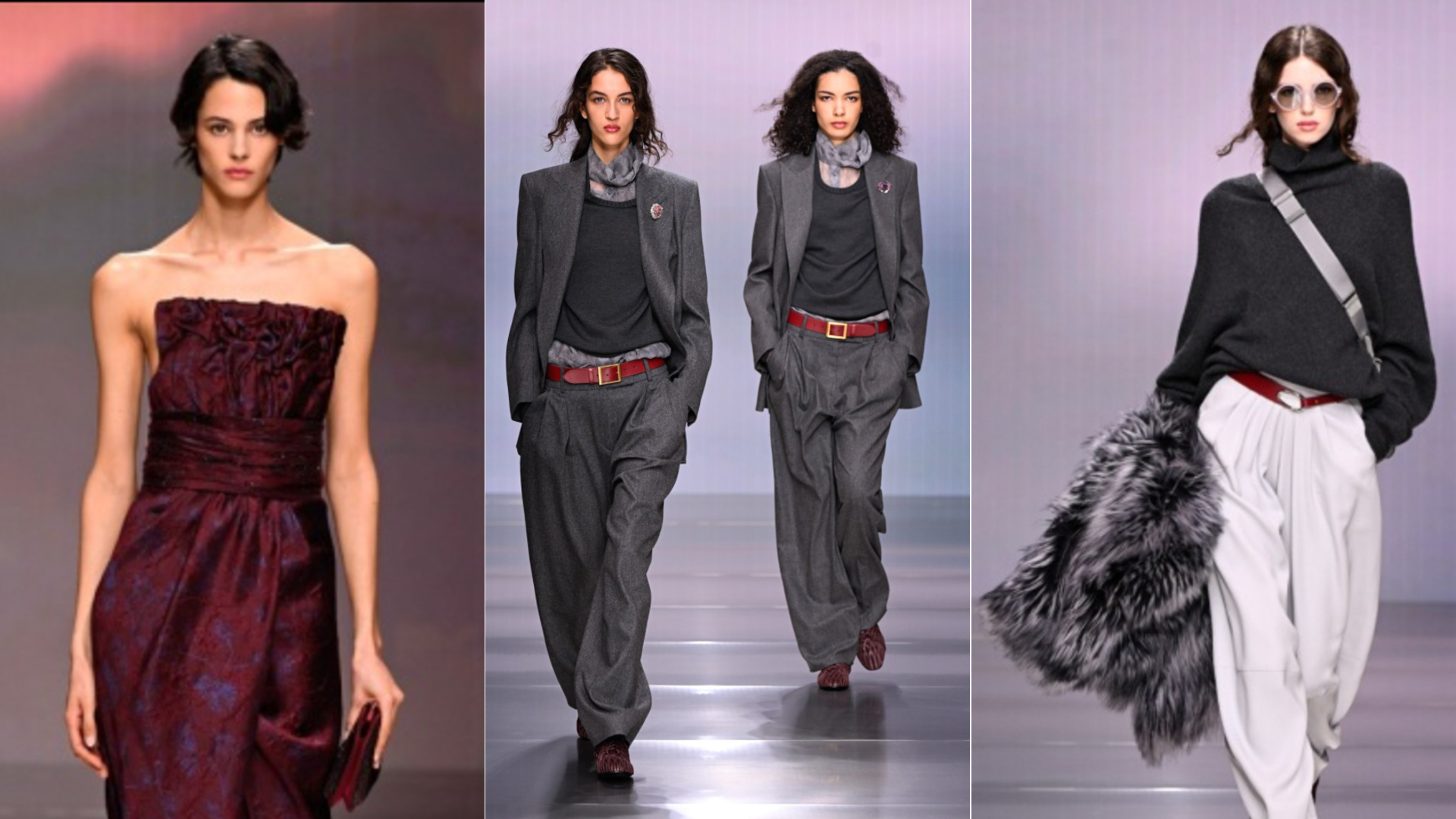
It was the first collection directed by Silvana Armani, marking a transition after the passing of the brand’s founder, Giorgio. Focused heavily on sophisticated tailoring, which has always been a signature element of Armani with relaxed trousers, elongated jackets, and soft gray flannel fabrics, the designer presented a modern version of the classic power suit. Silvana incorporated thoughtful details such as asymmetrical closures, carefully placed pleats, and luxurious materials like cashmere and shearling.
All outfits but one included trousers, emitting a strong sense of confidence in women’s dressing. In the middle part of the show, the designer explored additional influences, blending elements of military uniforms with references to East Asian clothing through kimono-style collars, quilted silk-satin pieces and embroidery. It gave us a sense of continuation but we still miss mr Armani so much.
Prada
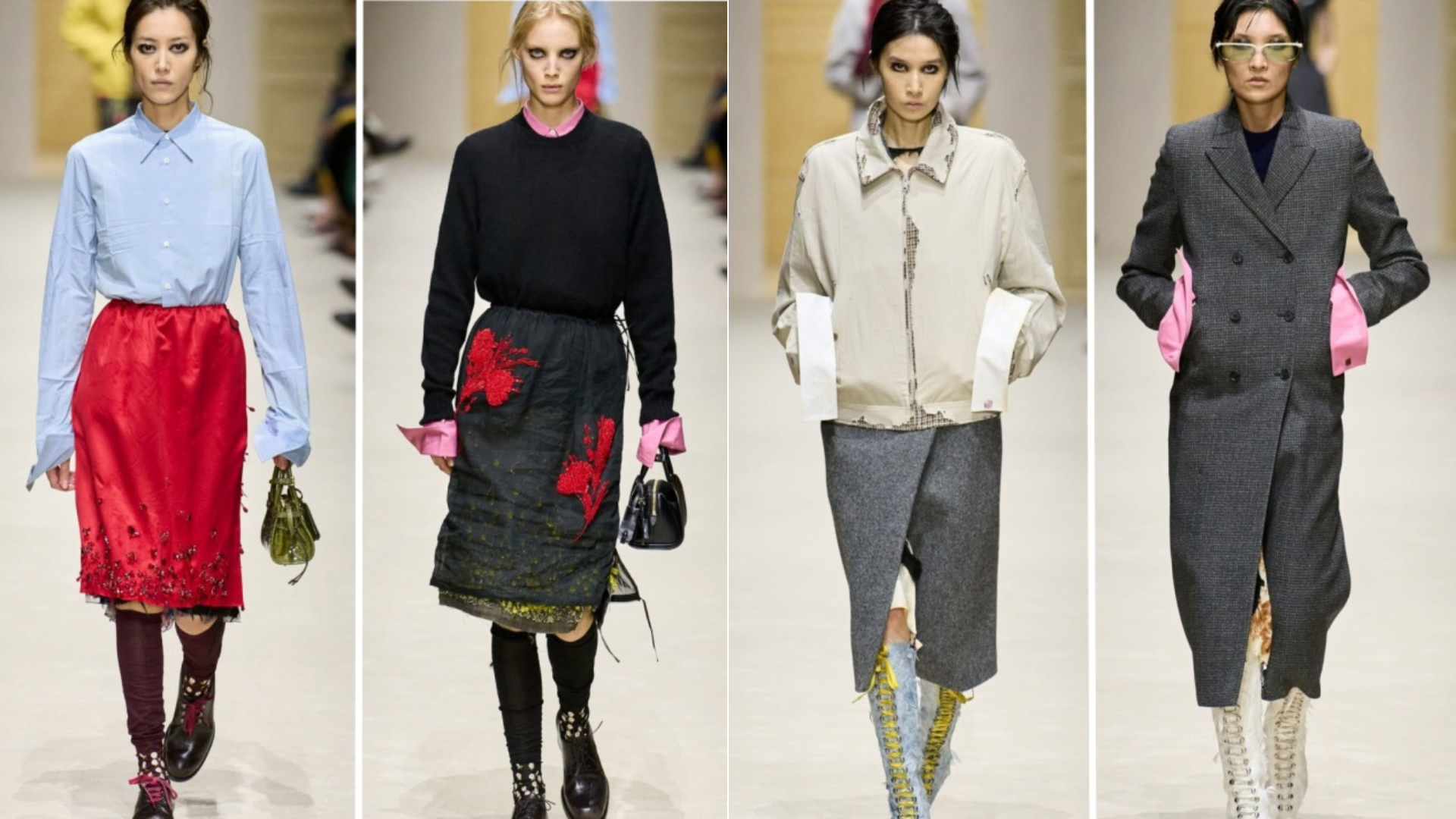
Prada presented a very interesting and intriguing game of wardrobe management. How did Miuccia Prada and Raf Simons make it? Instead of announcing what women “should” wear for the season, the designers focused on the everyday reality of getting dressed and with items already in one’s closet. To illustrate this concept, the show featured only fifteen models who each appeared on the runway four times, gradually changing or removing layers to reveal different looks, creating a total of sixty outfits from a relatively small number of garments.
This process stressed the creative possibilities of layering and re-styling. It challenged us to experiment with our personal style. Another interesting point was that many pieces were intentionally designed to appear slightly worn suggesting authenticity and the growing popularity of secondhand and vintage fashion. It was by all means, one of the smartest concepts we have seen in a fashion show lately which was fresh, playful but also thought-provoking.
Bottega Veneta
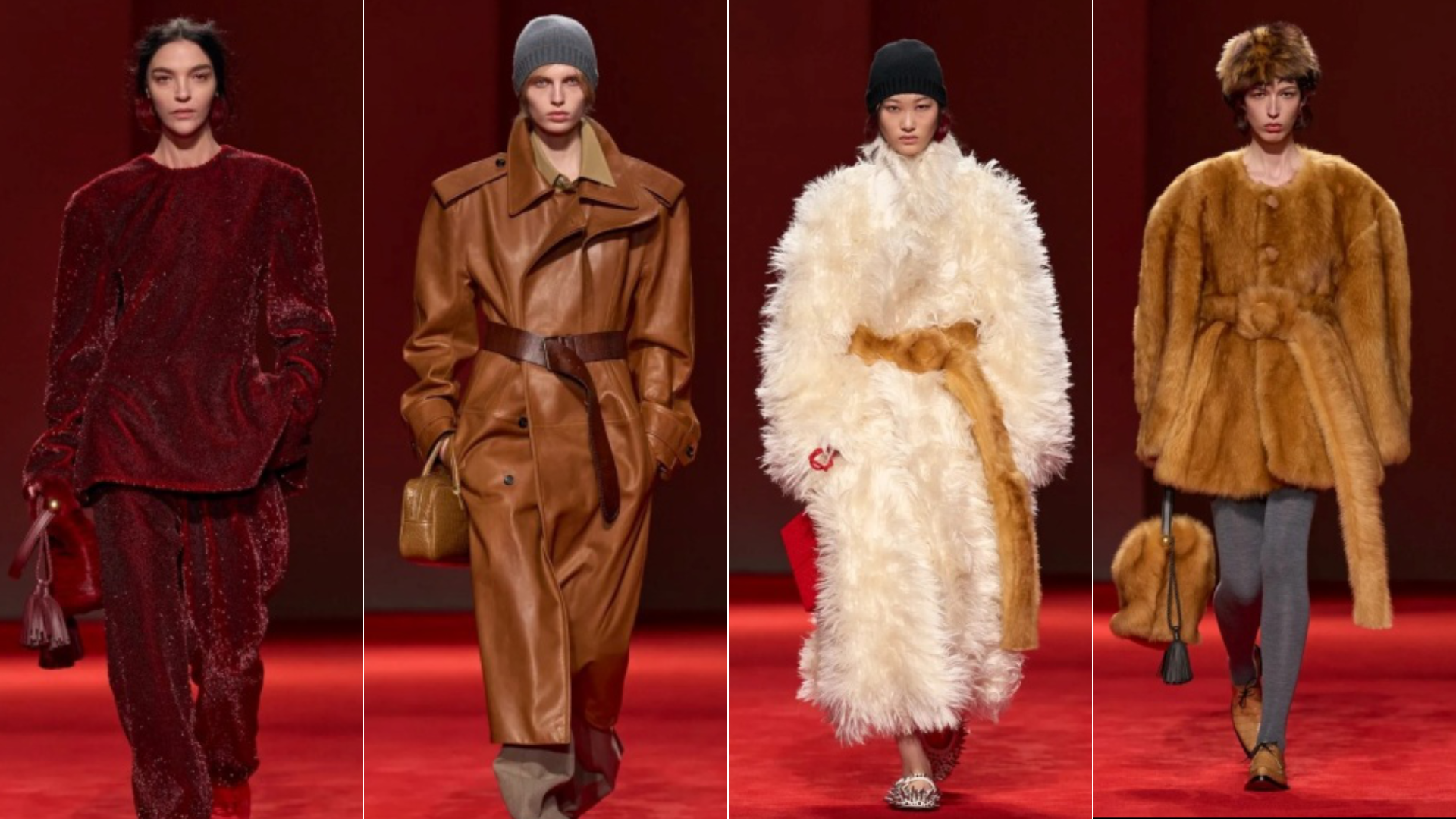
Louise Trotter did it again. Her second collection for Bottega Veneta was like taking a glimpse of her diary with her notes of the city since moving there from the United Kingdom. The opening looks focused on tailoring, with structured jackets featuring gently rounded shoulders, a softer update from her previous season. These pieces were paired with roomy trousers or wrap skirts attached to sturdy leather belts, referencing the construction techniques traditionally used in Bottega Veneta’s leather goods. As the show progressed, Trotter played with textures. Peacoats appeared in matte crocodile leather, intrecciato weaves were extended with furry fringes, and velvet was carved to resemble astrakhan fur.
Other pieces featured silk threads manipulated to mimic curly shearling, while actual shearling was brushed to evoke the softness of fox fur. Dresses and skirts introduced more fluid movement and vibrant tones, culminating in standout pieces such as an asymmetrical black-and-white fringed skirt styled with a minimalist knit tank. Taking into account how little time the designer has been in the city of Milan and the house of Bottega Veneta, she seems to have already made herself at home.
Dolce & Gabbana
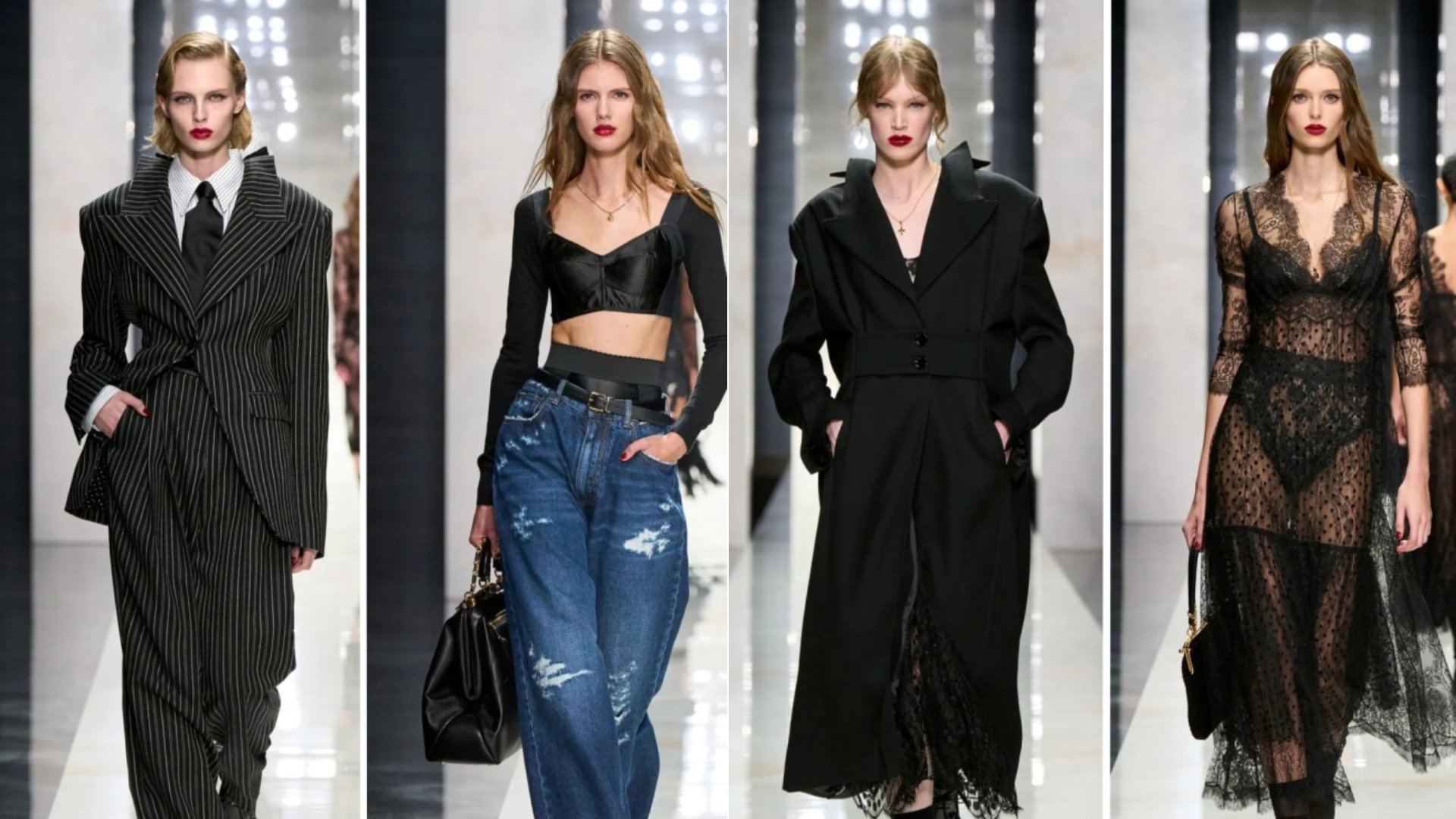
Designers Domenico Dolce and Stefano Gabbana celebrated the brand’s four-decade legacy by revisiting the Sicilian-inspired tailoring that helped define their early success in the 1980s. The collection was dominated by black, a color that allowed the designers to solely focus on structure and craftsmanship. Strong hourglass silhouettes played a central role with sharply cut jackets and coats sculpting the waist. One of the collection’s most notable technical details was that the back of certain garments mirrored the front, complete with matching lapels and buttons running along the spine. Models were actually asked to pause and twirl midway down the runway to showcase this unique feature.
While most outfits remained within the monochromatic black theme, the final section introduced micro-print dresses inspired by a famous 1975 picture by photographer Helmut Newton featuring model Lisa Taylor. The presence of Madonna, a longtime collaborator of the brand highlighted Dolce & Gabbana’s influence in both fashion and pop culture. And while all eyes were on her, the runway was awash in elegance, mystery and seduction. What a night!
Roberto Cavalli
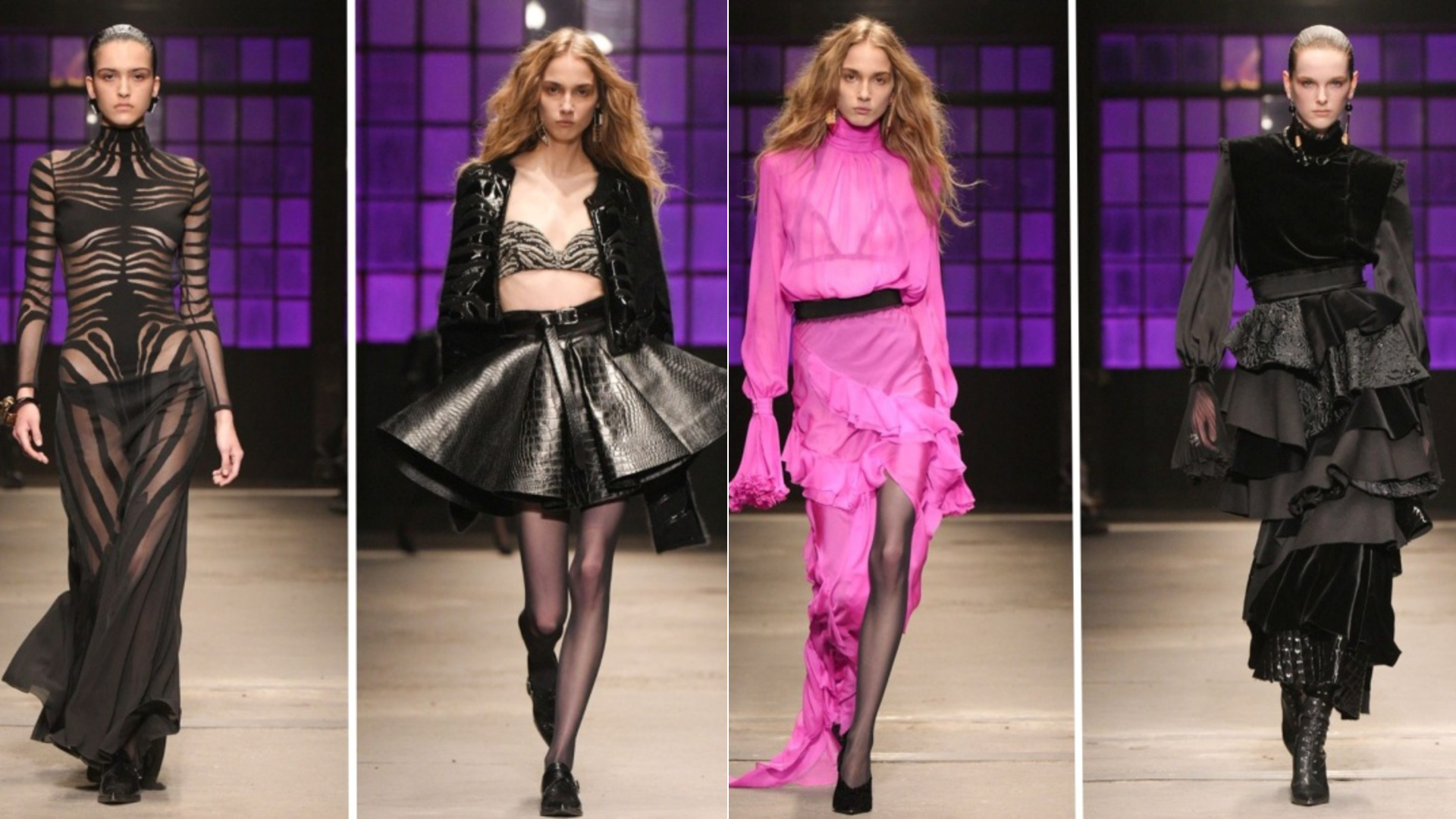
The Roberto Cavalli collection designed by Fausto Puglisi was a very welcome surprise compared to what defined the house until now. No more extravagant leopard prints. Excess belongs to the past. Inspired by the world of dance, the looks had an unprecedented energy. A black leather pantsuit paired with a sparkling bra top, a playful A-line tutu skirt, and sleek, cocktail dresses. The prints were there but in black and silver tones. The core was left untouched yet everything was new.
Brief moments of color appeared through richly embroidered floral details reminiscent of Caravaggio’s paintings and through pleated jeans painted with bold blossoms. Despite these flashes of vibrancy, black remained the star of the show, reflecting the designer’s fascination with gothic elegance and dark romanticism. The collection balanced drama and sensuality, offering a vision of fashion that only Cavalli can bring to life.
Ferragamo
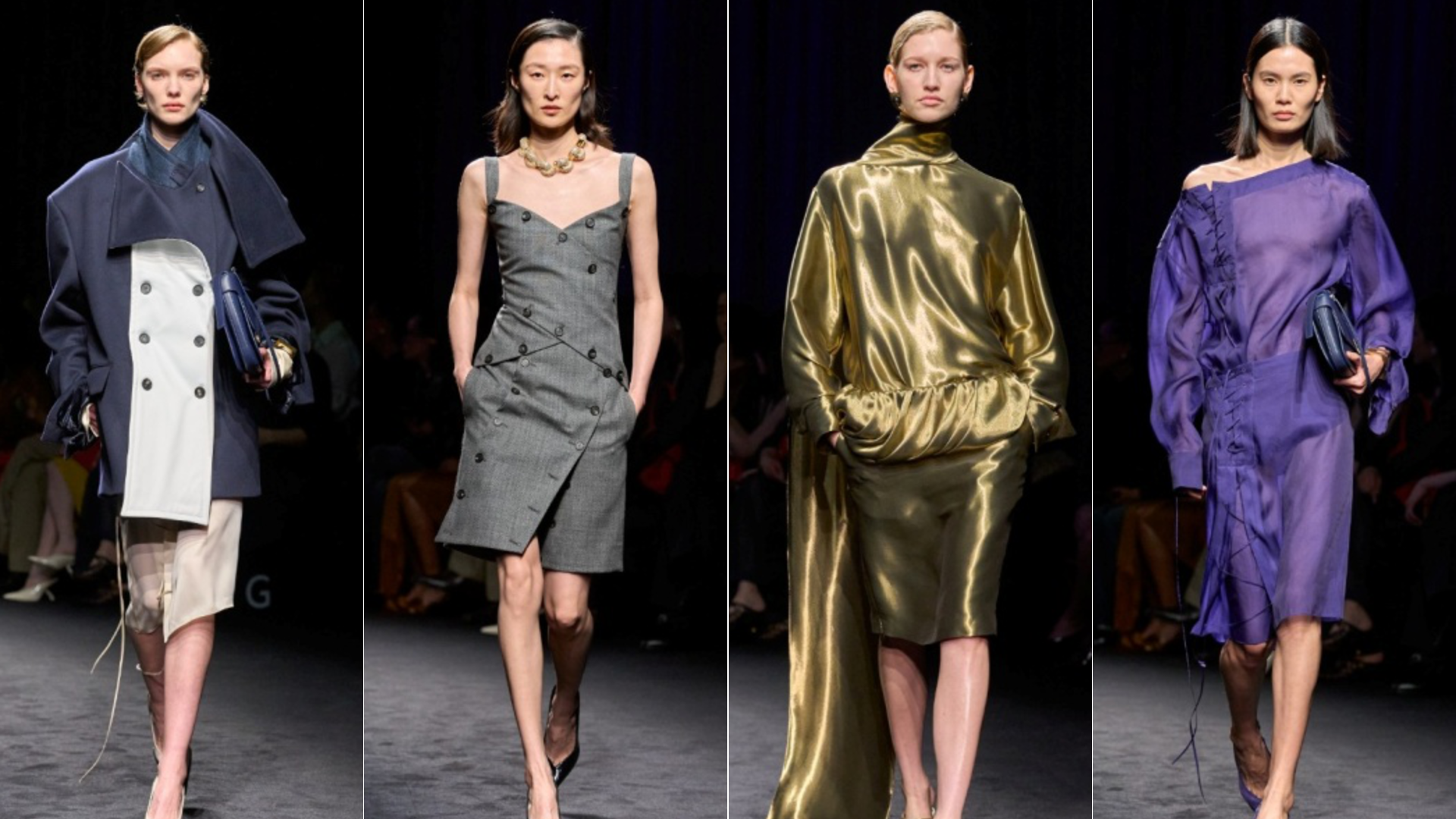
Maximilian Davis presented a sophisticated narrative based mainly on maritime references. The opening looks featured oversized navy cashmere peacoats and coats with buttoned-in ivory silk panels that produced a Cubist sense of deconstruction. Knitwear followed with sweaters in navy and white, their raised collars unbuttoned and relaxed around the neck, suggesting a casual reinterpretation of nautical heritage. Maritime references became more explicit through an ivory satin blouse and matching shirt-and-skirt ensembles, where the classic sailor placket lacing was extended from shoulder to knee.
Textural richness emerged through sculptural ruffle dresses in gold lamé and jacquard fabrics colored in purples. The tailoring emphasized narrow waists and fuller trousers often paired with sleek leather blousons. Flowing georgette dresses featuring mid-calf accordion pleats ended this very unique-themed collection in a charming vibe leaving us with the most positive impressions of the week.
related posts
Fashion Weeks
Genny Dreamscape FW24/25

Fashion Weeks
Carolina Herrera Fall 2023 Collection
.jpg)