They say Italians do style but French know elegance like nobody else. Paris Fashion Week FW 2026 was a feast of creativity. Our great expectations were fulfilled, even though some houses went for low-key. While most runways were all about anticipation and spectacle, the most memorable moments emerged from careful attention to detail.
Chanel: Fly high, butterfly
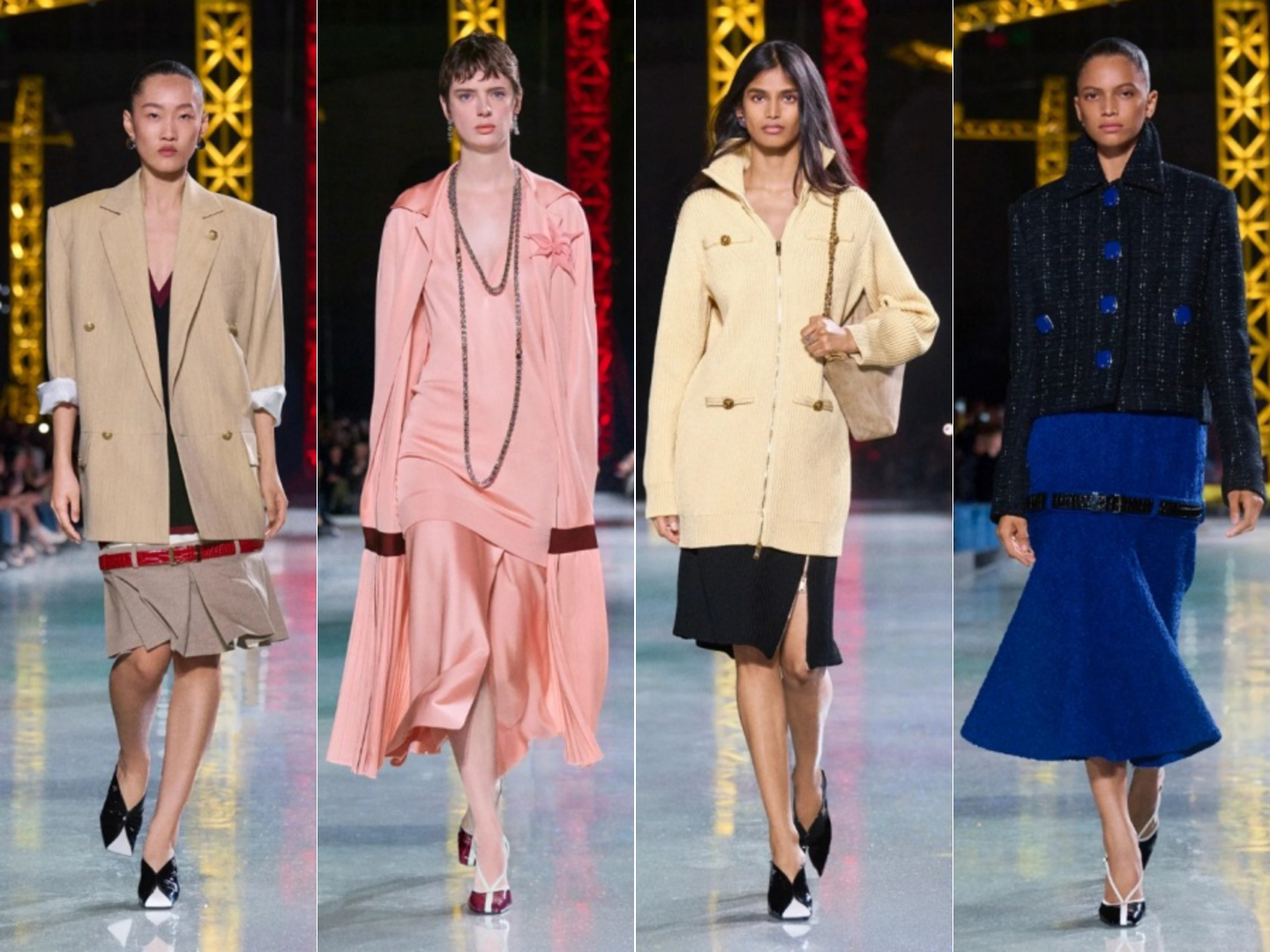
Matthieu Blazy’s collection for Chanel marked an evolution in the designer’s approach to the house’s legacy. Moving past the pressure of “firsts”—his inaugural ready-to-wear, Μétiers d’Αrt, and Couture collection—Blazy embraced a whimsical sensibility this season. The collection was a visual metaphor for transformation, using the butterfly and caterpillar motif as a lens to reinterpret Chanel’s perpetually evolving femininity.
The details were nothing short of breathtaking. Iconic Chanel skirts were reimagined in shimmering chainmail while a variety of elegant two-toned pumps offered a fresh take on timeless silhouettes. Even the buttons, each seemingly unique, evoked the charm of a Parisian marché aux puces. The bags were the absolute show-stoppers with double flaps becoming our new obsession. From his very beginning, we were very impressed with his approach. Bold and imaginative, Blazy balanced delicately Chanel’s heritage and the philosophy of a designer fully confident in his vision.
Dior: In the garden of Eden
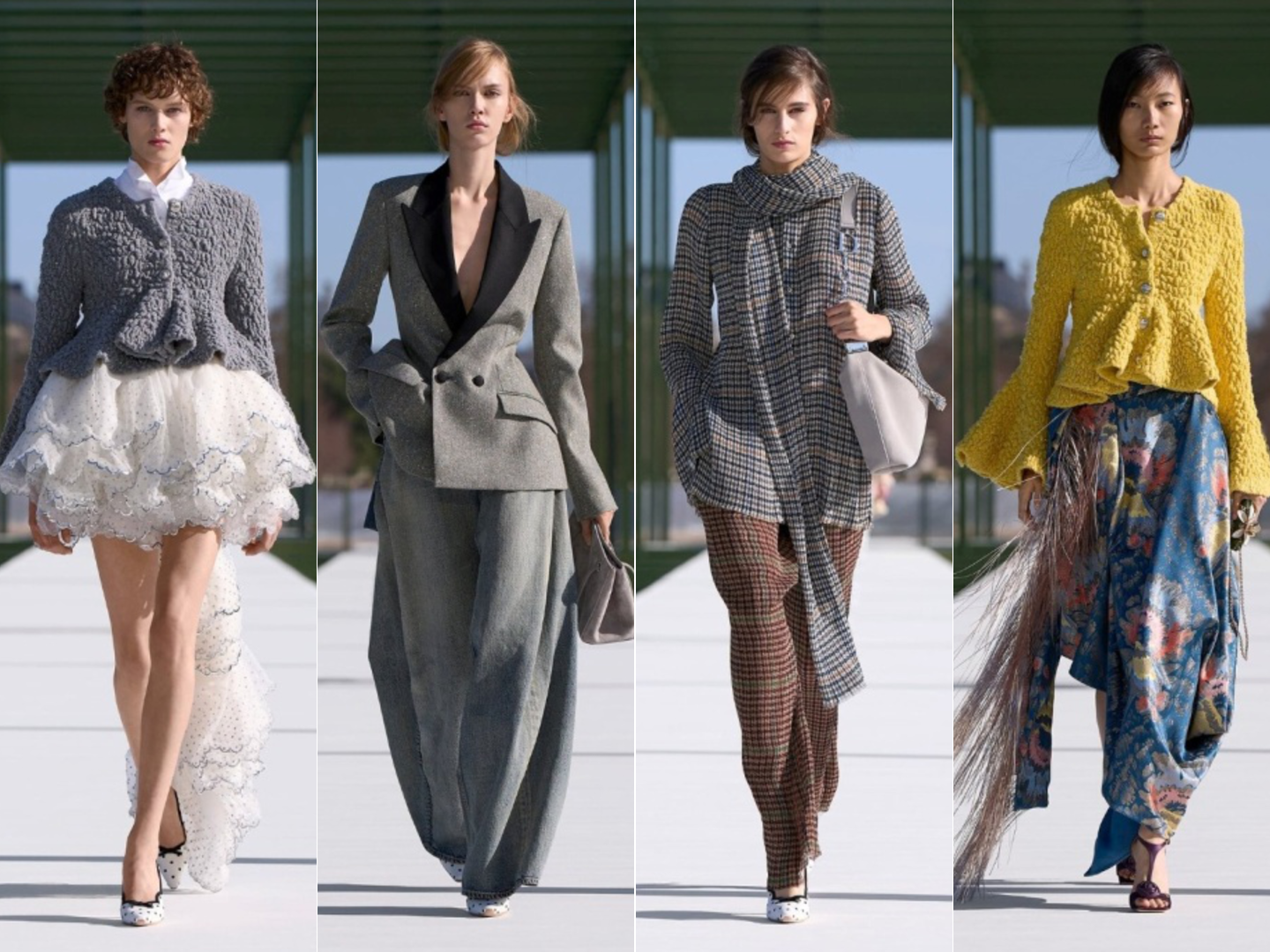
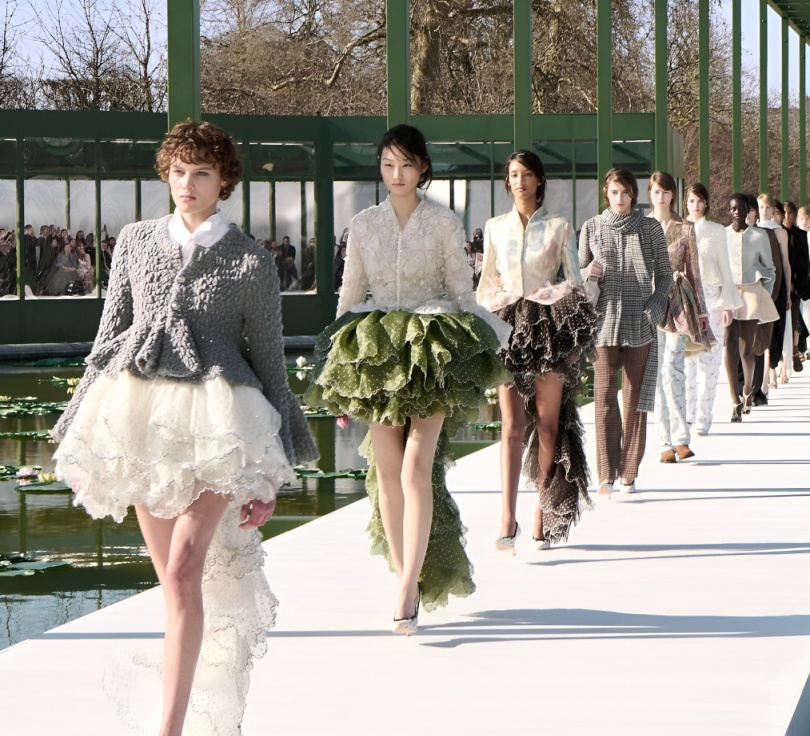
At Dior, Jonathan Anderson continued to push boundaries while honoring the maison’s past. On one of the rarely seen sunny mornings in Paris, he invited us to Jardin de Tuileries, his personal Garden of Eden. The collection revolved around the iconic Bar jacket, presenting an array of reinterpretations. From cropped peplum styles to fuzzy, layered high-low jackets paired with petticoats, Anderson’s genius lay in his ability to remix classic references with a twist.
Accessories further punctuated the collection’s playful yet sophisticated aesthetic. Water lilies—rendered as oversized brooches with fluttering metal petals, printed motifs, and three-dimensional designs on bags —offered a delicate nod to Dior’s floral heritage while simultaneously reflecting Anderson’s personal fascination with natural forms. The shoes, designed by Nina Christen, his close friend and collaborator since he was still in Loewe were just superb, as if out of fairytale. By far his best collection for Dior so far, giving us the sense that “good, old” Anderson is back.
Balenciaga: Welcome to Euphoria
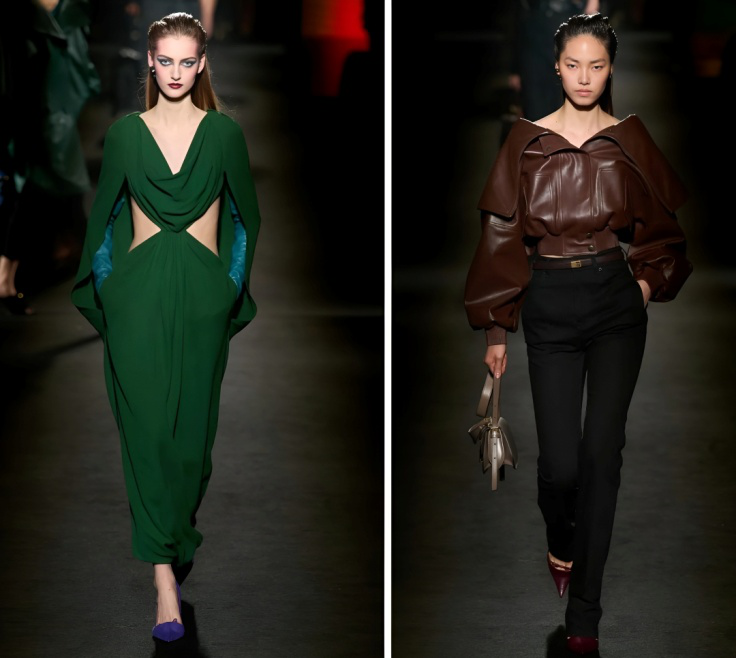
Balenciaga’s fall 2026 show delivered one of the season’s most buzzworthy moments. Opening with a voiceover by Danielle Deadwyler, a former W cover star who also attended in the front row, the presentation highlighted the house’s collaboration with HBO’s hit series Euphoria. Pierpaolo Piccioli’s designs were infused with a sense of dramatic narrative, bridging television storytelling and high fashion. While full details of the collaboration remain under wraps, the fusion of media and runway underscored the increasingly cross-disciplinary nature of contemporary fashion.
Saint Laurent: The never-aging “Le Smoking”
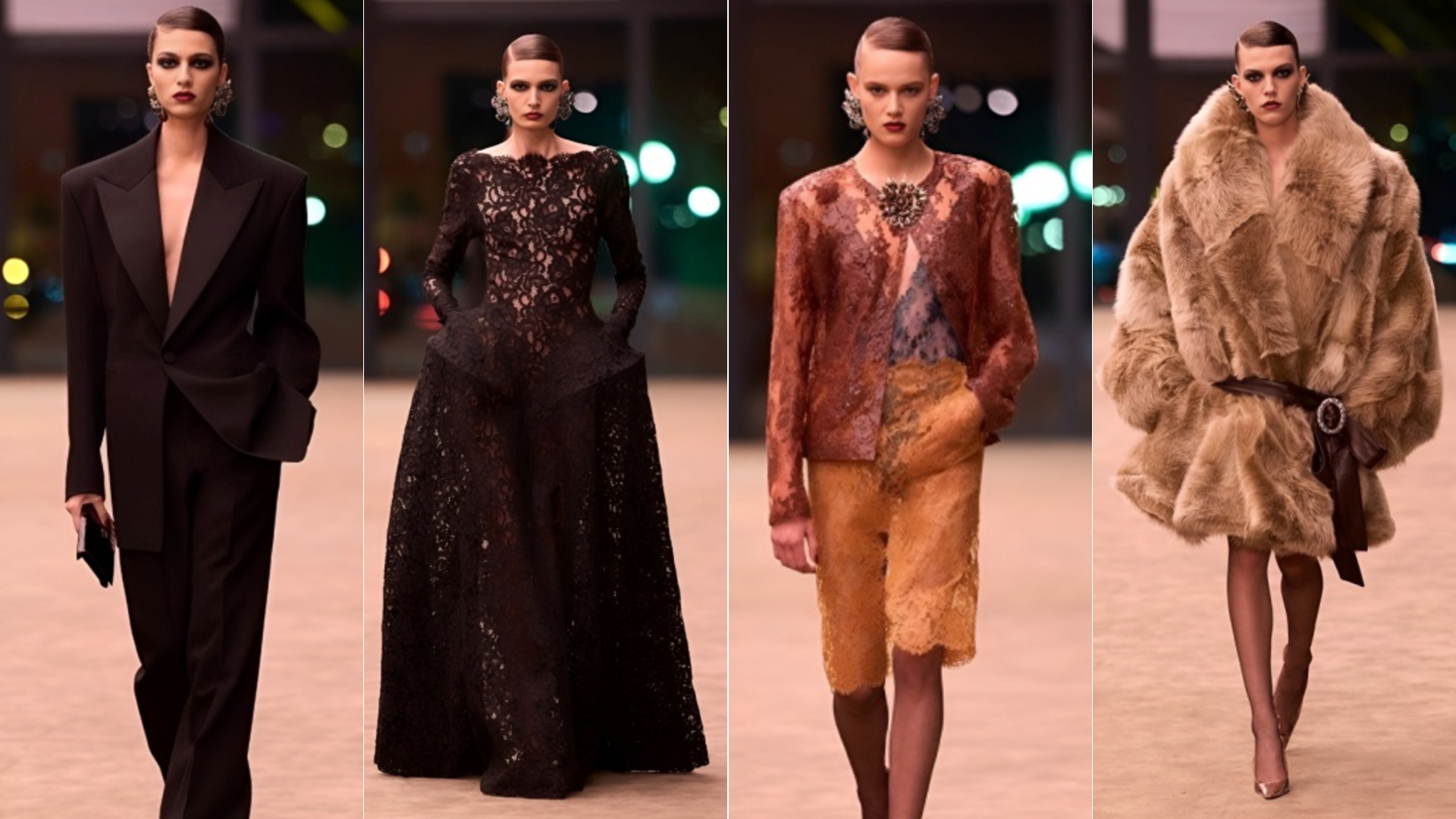
For Fall 2026, Saint Laurent distills its identity to a single concept: the tuxedo. Sixty years after its introduction, the house revisited this emblematic piece with precision and respect. Black trouser suits, worn bare beneath structured jackets, moved in quiet succession. The silhouettes are exacting yet fluid. Sloped shoulders, softened construction and an absence of excess drew attention to line and posture. Repetition was strategic. Each look reinforced the last, building a rhythm that felt almost obsessive in its clarity.
As the collection unfolded, the narrative changed. Lace dresses encased in silicone clung to the body with a high-gloss finish, while rubberized coats reflected light. Where the tailoring concealed, these pieces revealed. This tension defined the collection. Vaccarello amplified the opposition between discipline and desire. The Saint Laurent woman exists between these poles, navigating strength and sensuality without compromise. The collection is a study in precision where every line and every detail serves a purpose.
Tom Ford: Futurism and an ‘80s touch
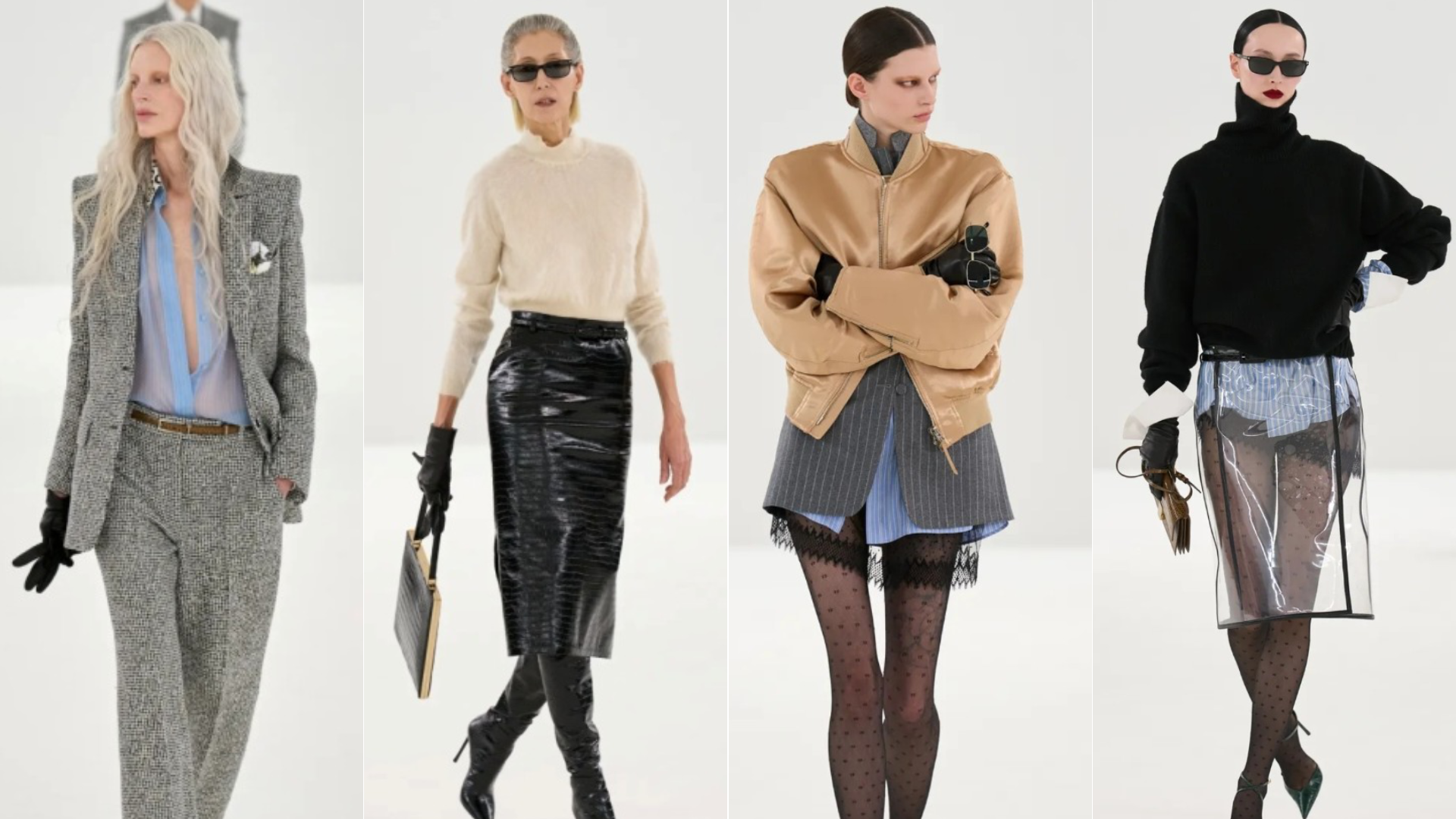
For Fall 2026, Haider Ackermann gave us a strong shot of the brand’s signature mix of sleek elegance and daring sex appeal. Trousers hung low, slouchy and relaxed, often secured with thin belts that seemed to defy gravity. Ackermann’s material choices were striking. See-through plastics became a medium for experimentation. Trench coats and blazers exposed lacy details and stockings in a provocative way. Denim was given new life through pre-fading and deep creasing, appearing in both slouchy and structured cuts that balanced casual ease with tailoring.
Black dresses with delicate tendril-like straps emitted elegance, a counterpoint to last season’s boldness. The runway itself was a stage; models prowled, vamped, and played with intensity, creating a performance that was as much about attitude as it was about fabric. Ackermann’s collection confirms that Tom Ford remains a force in contemporary fashion. By blending theatricality with innovative materials Ackermann made the most of his skills crafting a collection that is modern, confident and genuinely Tom Ford.
Alaïa: The Swan Song
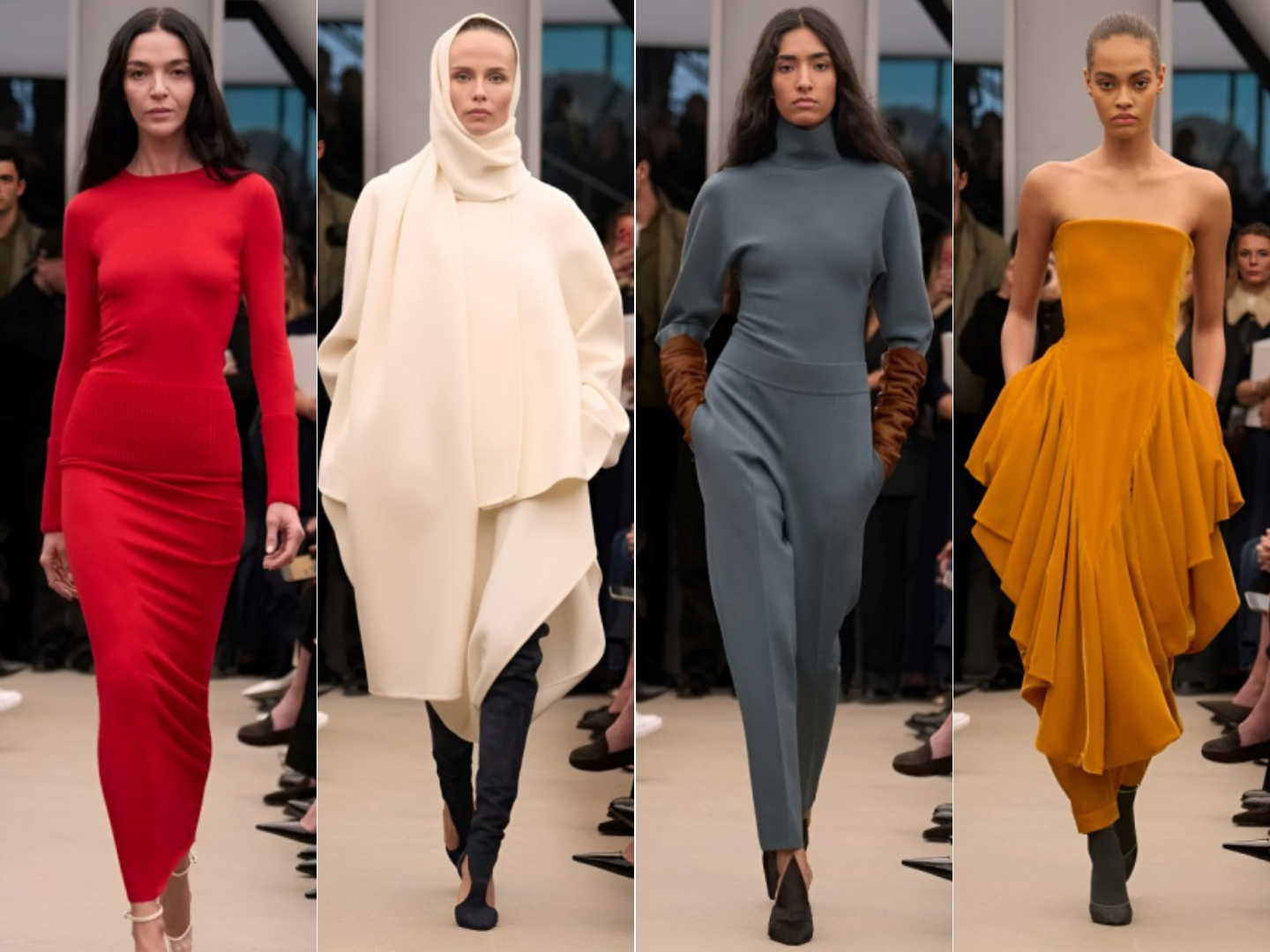
Pieter Mulier’s final collection for Alaïa, focused on “clothes for real people,” stripping the presentation down to essentials, omitting accessories and presenting only impeccably cut garments and minimalist shoes. Scoop-neck engineered jersey dresses, double-breasted coats, leather blazers and velvet pantsuits gave us the sense that Alaïa was “guiding” the designer. Eveningwear adhered to the same principle, with long column skirts paired with matching jackets, proving that elegance lies in simplicity.
Knitwear, a house signature, played a prominent role, from waterfall skirts and flounces to a striking high-necked matte jersey jumpsuit. Mulier also revisited his own innovations, including ankle-tethered cutaway skirts. As he departs Alaïa for Versace, Mulier paid tribute to his team with a video slideshow of portraits and a printed book, honoring their contributions and the lessons learned. It felt like both a farewell and a celebration. And was, indeed, both.
Hermès: Timekeeping in Style
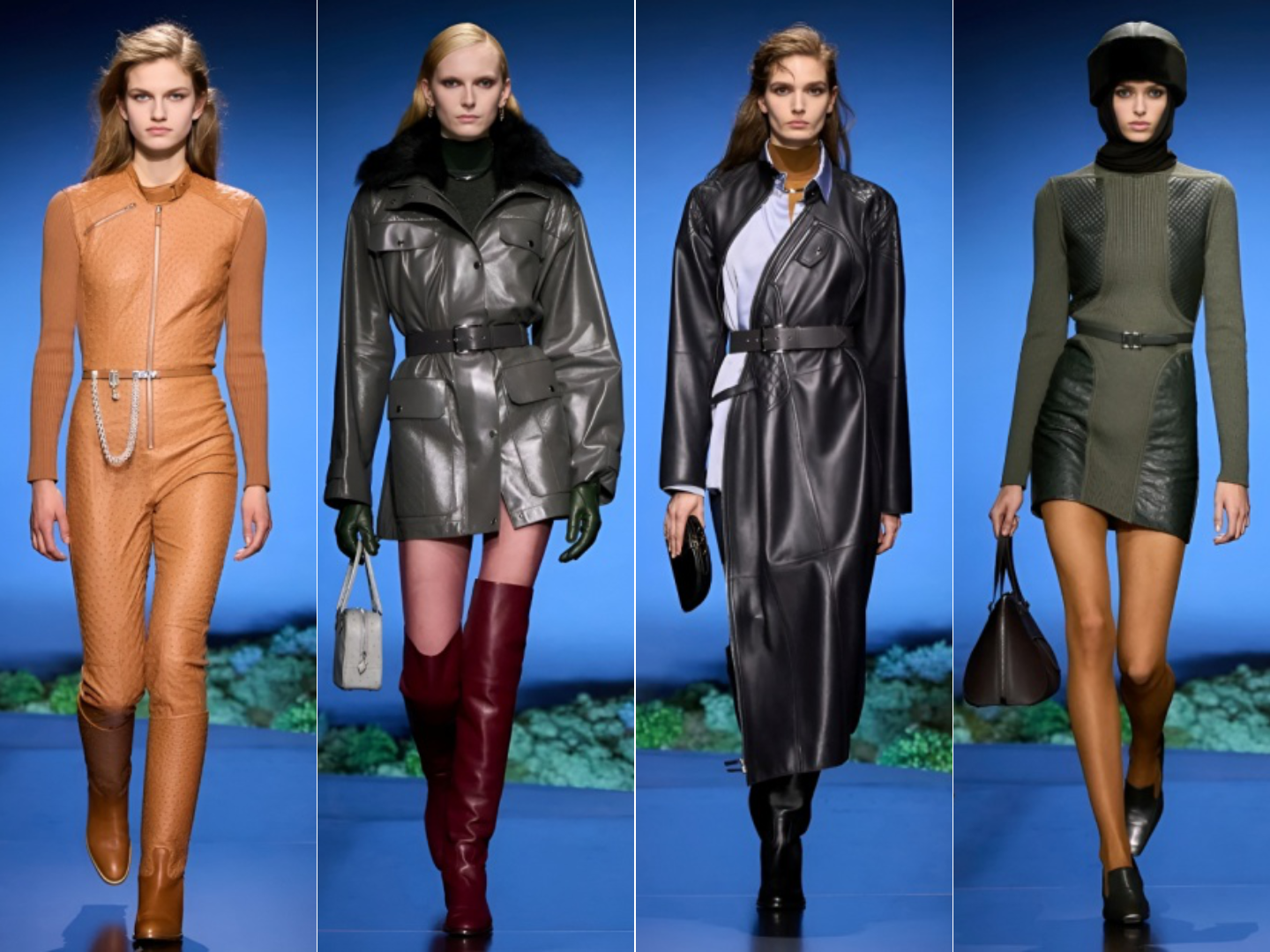
At Hermès, Nadège Vanhée proposed a wardrobe between romance and utility, concealment and revelation, stillness and movement. Vanhée built her narrative around twilight, the time when day dissolves into night. Colors transitioned like a slow-burning horizon with warm sunset hues deepening into reds, flickering briefly into a surreal green, eventually settling into inky blues and charcoal blacks.
That sense of transition was also mirrored in the silhouette. The lines were lean, aerodynamic. Zippers traced unexpected paths across coats, sometimes spiraling around the torso, while pockets were integrated with precision. A miniskirt layered over stretch shorts allowed freedom of movement without sacrificing structure. Outerwear came with removable shearling collars, adapting to mood as much as climate. Hermès offered more than clothing this season. It offered a framework where the wearer is not passive, but active.
Paris Fashion Week emphasized individuality, attention to detail and a willingness to go beyond stereotypes. Fashion is not only about what we wear but how we experience it. French elegance has never let us down and this season was no exception to the rule. On the contrary, there were many moments worth our attention and many trends bound to make the coming winter a very stylish one.
related posts
Fashion Weeks
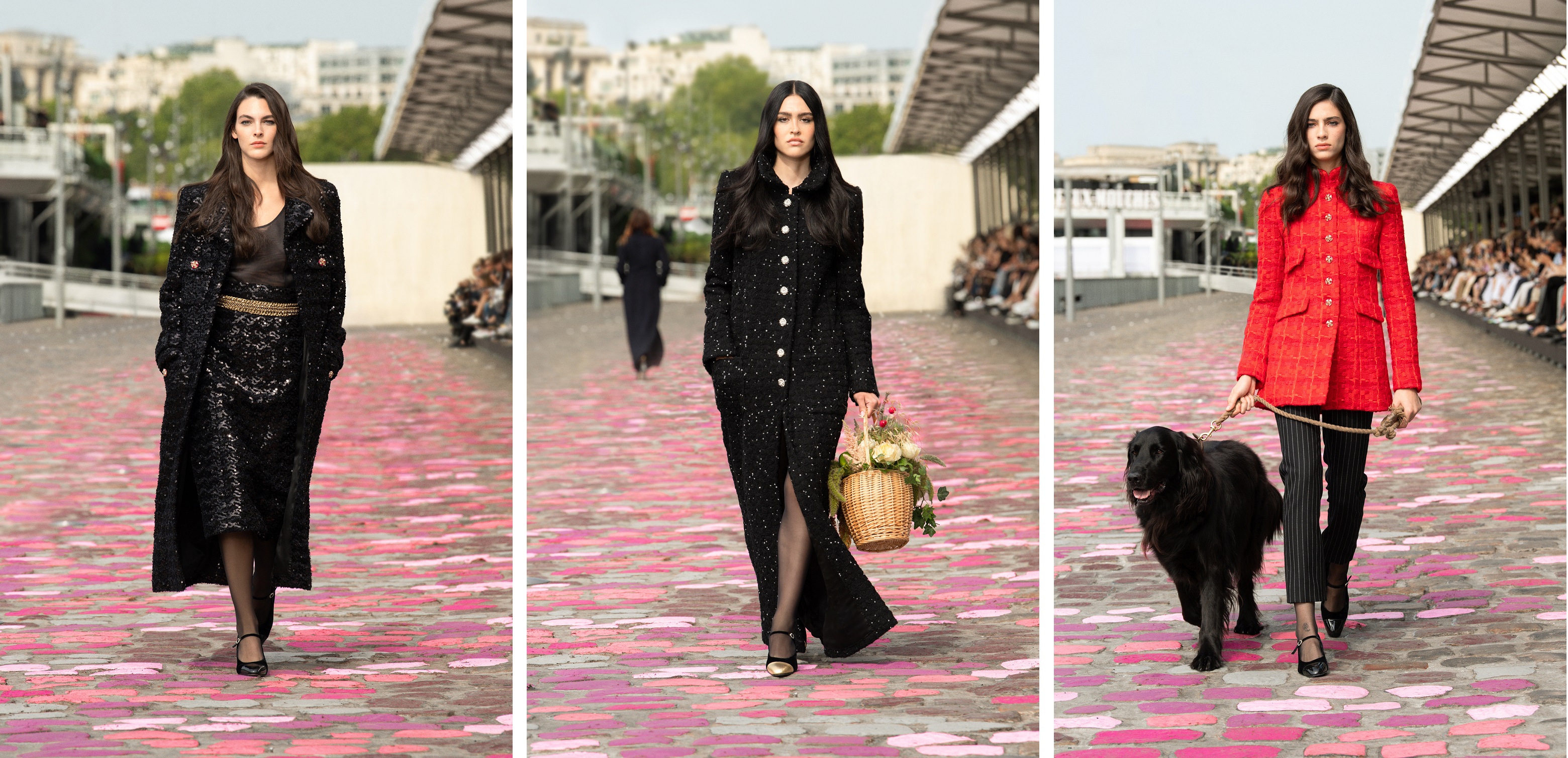
CHANEL F/W 23-24 Haute Couture Collection
Fashion Weeks
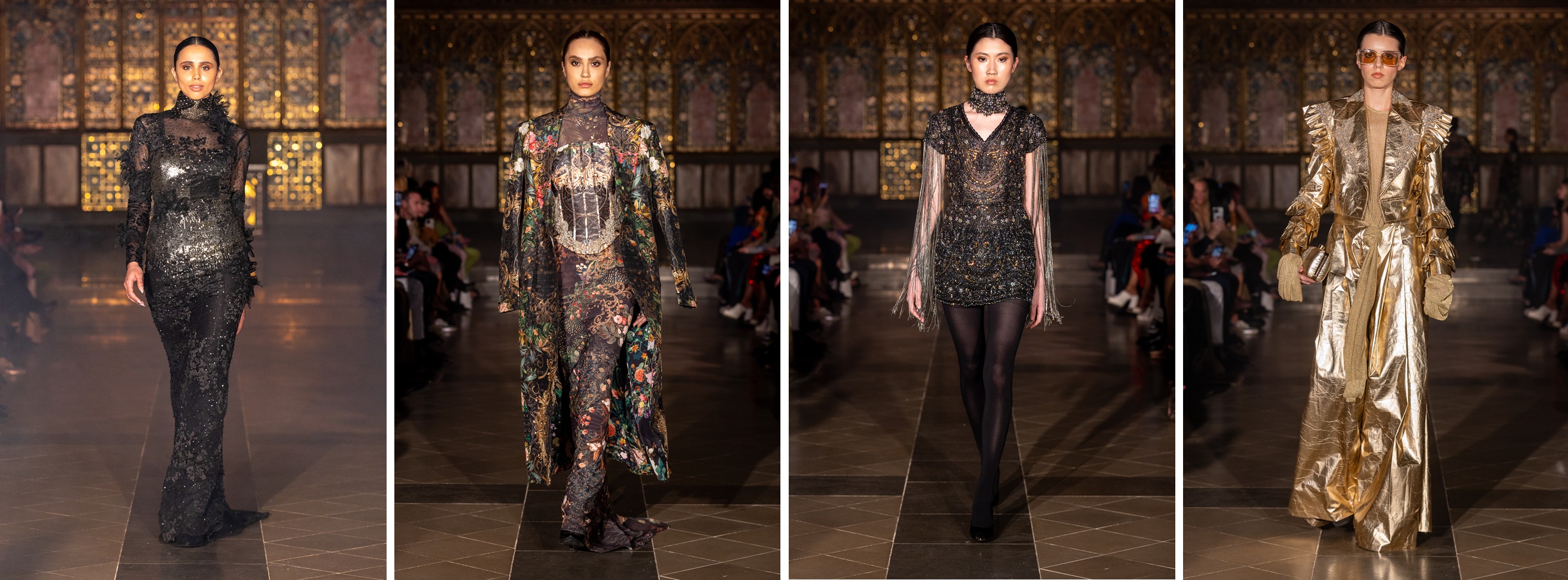
Rocky Star AW24

.jpg)