Reading as Reflection: In Conversation with Purva Grover
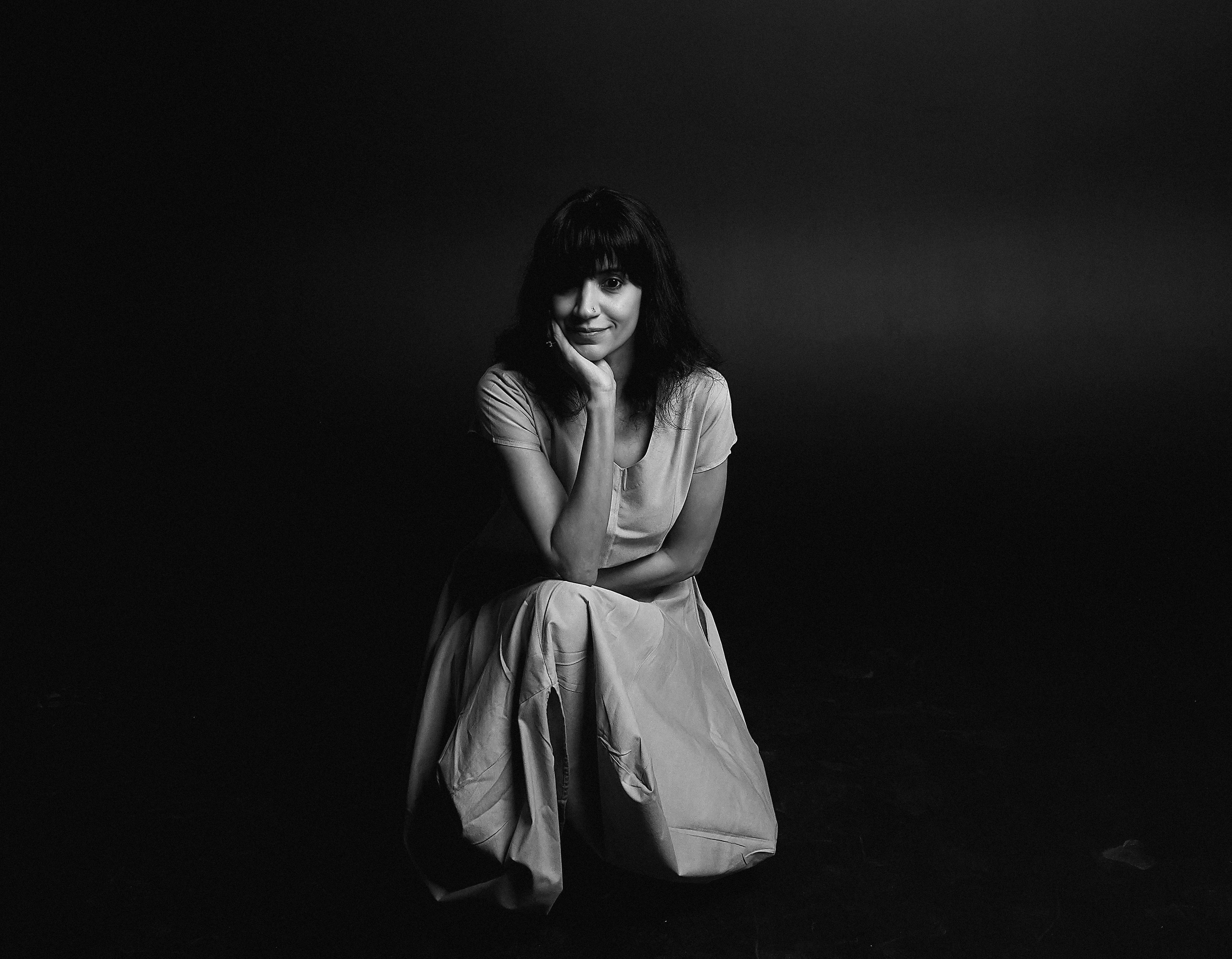
When I asked author and longtime journalist Purva Grover to write about reading during Ramadan, it felt instinctive. Few writers understand the emotional architecture of silence and reflection the way she does. In a city defined by ambition and acceleration, Purva has consistently written about pause: about memory, meaning, and the quiet rebellion of paying attention.
For nearly two decades, Purva has shaped conversations across the UAE and beyond. An author, poet, playwright, stage director, TEDx speaker, and creative entrepreneur, her body of work spans books, journalism, theatre, and community-building. Her titles: The Trees Told Me So, It Was the Year 2020, She (translated into seven languages), and #icouldhavebeenaninstapost , explore identity, womanhood, displacement, and the deeply personal negotiations we make with ourselves in a world that rarely slows down.
Her career in journalism, including her tenure as Associate Editor at Khaleej Times, reflects a storyteller deeply attuned to cultural nuance. In 2021, she was awarded the UAE Golden Visa under the People of Culture and Art category; recognition not only of her literary contributions but of her role in shaping creative discourse in the region.
Beyond the page, Purva is the founder of The Reading Village, a Dubai-based community where books become bridges and conversations stretch beyond the margins. She also founded The Indian Trumpet and Once Upon A Table, platforms rooted in memory, culture, food, and connection; themes that feel particularly resonant during Ramadan.
Reading, for Purva, is not productivity. It is not performance. It is presence.
In a month dedicated to spiritual recalibration, restraint, and intention, she invites us to reconsider what we feed not only our bodies, but our minds. What follows is her meditation on why Ramadan may be the perfect time to build a reading ritual; not as a goal, but as a quiet act of devotion.
.jpeg)
Why Ramadan is the perfect month to build a reading ritual
The quiet hours between iftar and suhoor are for more than scrolling. When you sit with a book during Ramadan, you are not consuming content; you are allowing your mind to stretch and resisting the reflex to check your phone.
Authored by: Purva Grover
None of us were built for the hustle. Not even those in the 5 a.m. clubs. Not those who keep homes and offices immaculate. Not those who walk into boardrooms, or Mars, with a coffee mug in hand. Not those who run after children all day. Not the “young-ish.” Not the ones forever chasing what’s next: a trend, a new eatery, a breakthrough. We were never meant to spend our days running. We were certainly never meant to multitask our way through life — binge Netflix series while eating, listen to a podcast while walking, fold laundry during Zoom calls, answer emails while waiting for a Careem. And yet, life caught up. Hustle became routine — knowingly and unknowingly. Even as our feeds reminded us to slow down, to listen to our bodies, to return to nature, we postponed what mattered. To “tomorrow”, to “next quarter,” to “when things calm down.” To that mythical phase of life when we’ll finally have enough time.
Let’s be honest: that utopian stage isn’t coming. Especially not in Dubai, a destination powered by ambition and adrenaline. There is never enough time. And now, in the middle of all this, when you barely have time to scroll through this piece, how dare anyone suggest you pick up a 100-200-page book? It sounds unreasonable. Daunting. Almost offensive. And yet, here I am, insisting: there couldn’t be a better time to build a reading ritual than during Ramadan.
Every year, I notice a rhythm shift during Ramadan. The mornings feel softer. The roads are kinder. The calendar breathes. Working hours are shortened. Invitations become more intentional. Even conversations feel less rushed. Whether you’re fasting or simply living alongside those who are, the rhythm changes. There is restraint in the air. Reflection becomes less of an idea and more of a practice. As nature reminds you to slow down, it is a time when Allah ensures you actually do. And in that altered rhythm, something opens up: time. Not vast, utopian stretches of it. But pockets. Minutes between iftar and suhoor. Quiet after taraweeh. Early mornings before the day gathers speed. Pockets we often fill with scrolling. But those hours are made for more.
For me, Ramadan is the perfect time to gently return to reading or to even explore it for the first time, not as a goal, not as a challenge, but as a ritual. There is something beautifully aligned about pairing a month of spiritual reflection with reading. To read is to pay attention. And attention, in many ways, is devotion. When you sit with a book during Ramadan, you are not-consuming content; you are allowing your mind to stretch and resisting the reflex to check your phone.
You can even find the courage to set up a little corner in your home — a reading corner — and announce to the family that everyone must set aside just 20 minutes a day to read. Research tells us that even six minutes of reading can significantly reduce stress (by 68 per cent!). Imagine reading for 20 minutes; you need no study to prove what it will do to your mind and body. You would feel almost superhuman.
And while you are at it, be kind to yourself. Don’t be rigid about how reading should look. Some evenings, it could be a paperback with a cracked spine. Some days, just a few pages on your Kindle. Some nights, when your eyes are tired, an audiobook can play softly. It all counts.
Ramadan is already a month of rituals. We break our fast with dates. We gather around large plates of biryani. We dress up for iftars. We carve time for prayer. We become deliberate about what enters our bodies — and ideally, our hearts. Why not also become deliberate about what enters our minds?
You don’t need to read ten books. You don’t need a trending title or a “must-read-before-you-turn-50” list. You don’t need to announce it on social media. You simply need one book, the one gathering dust on your nightstand, the one you bought at the airport and never opened, the one you loved as a child and haven’t returned to.
Let the habit arrive quietly. It doesn’t have to come with fanfare. Let it tiptoe in. Some days your attention will wander. Some days you will feel bored. Stay anyway. They say it takes 21 days to build a habit. Ramadan gives you nearly 30.
By the time Eid arrives, you may not just have finished a book. You may have remembered a version of yourself, one that could sit still, imagine freely, and think without interruption.
Perhaps that is the real gift of the month. Not only to fast from food. But to fast from frenzy.
And in the hush between iftar and suhoor, when the city exhales, and the sky feels closer somehow, opening a book will not be an extra task on your list; it will be an act you look forward to. Brownie points if you end up winning the title of the family’s favourite storyteller.

.jpg)



.jpg)