Ristorante Berton: poetry of taste
Some restaurants impress you with a dish. Others remain in your memory because the entire experience feels considered. Ristorante Berton belongs to the second category.

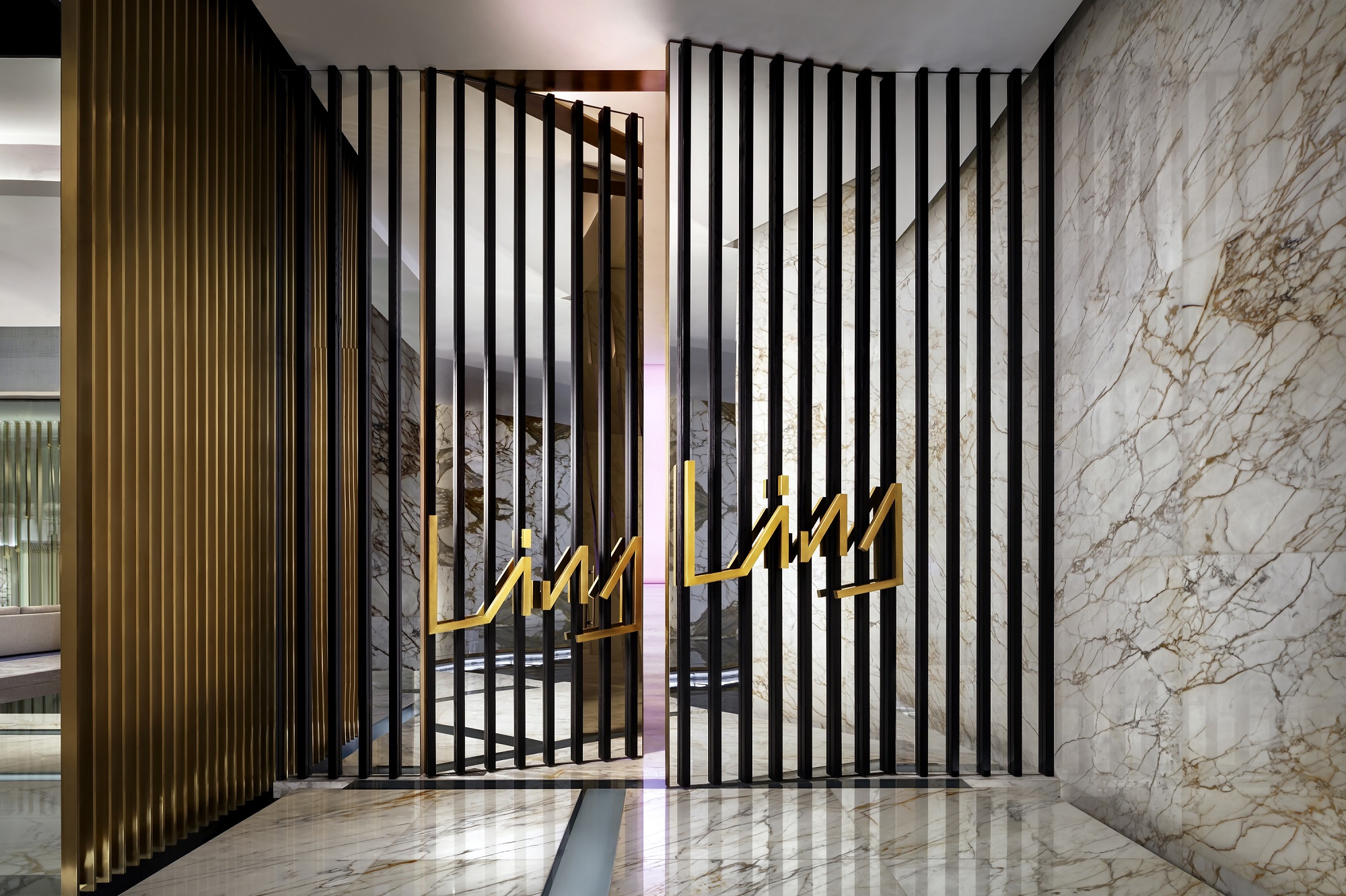
During Milan Fashion Week, when the city becomes a continuous dialogue between fashion, architecture, design, and contemporary culture, Berton feels almost like a natural extension of that world. Located in the Porta Nuova district, the restaurant reflects the architectural language of its surroundings: contemporary, precise, and sophisticated. Its interior, designed by a Milanese design studio, and the new exteriors by architect Franco Driusso, combine wood, paper, metal, and glass with a restrained palette and large windows overlooking the futuristic neighbourhood.
The design immediately caught my attention.
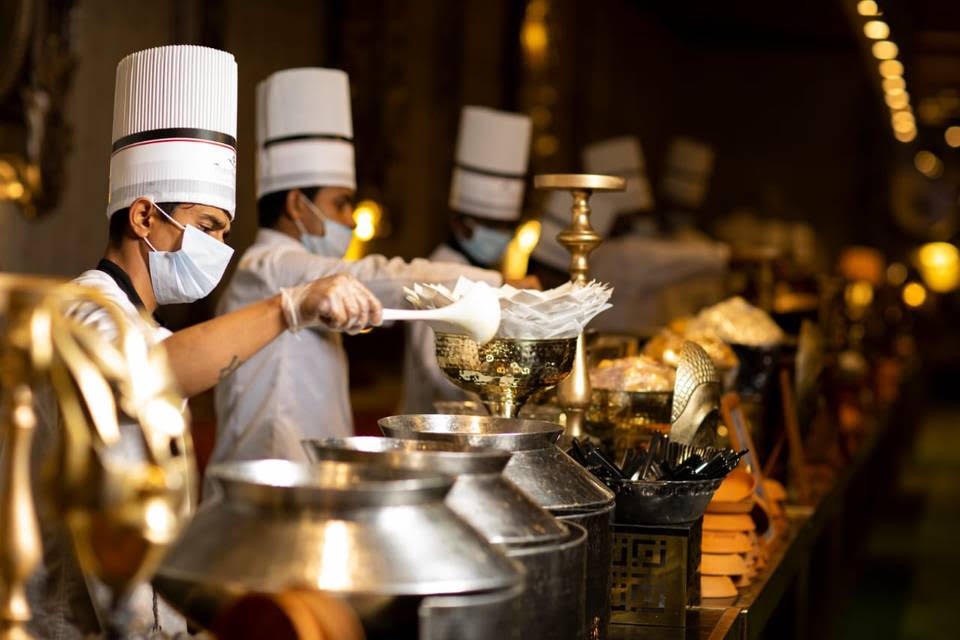
There is nothing excessive about it. Everything feels measured, from the materials to the lighting, from the geometry of the room to the relationship between the dining area and the kitchen. The glass wall separating the two allows the movements of the brigade to become part of the experience without turning the kitchen into a spectacle.
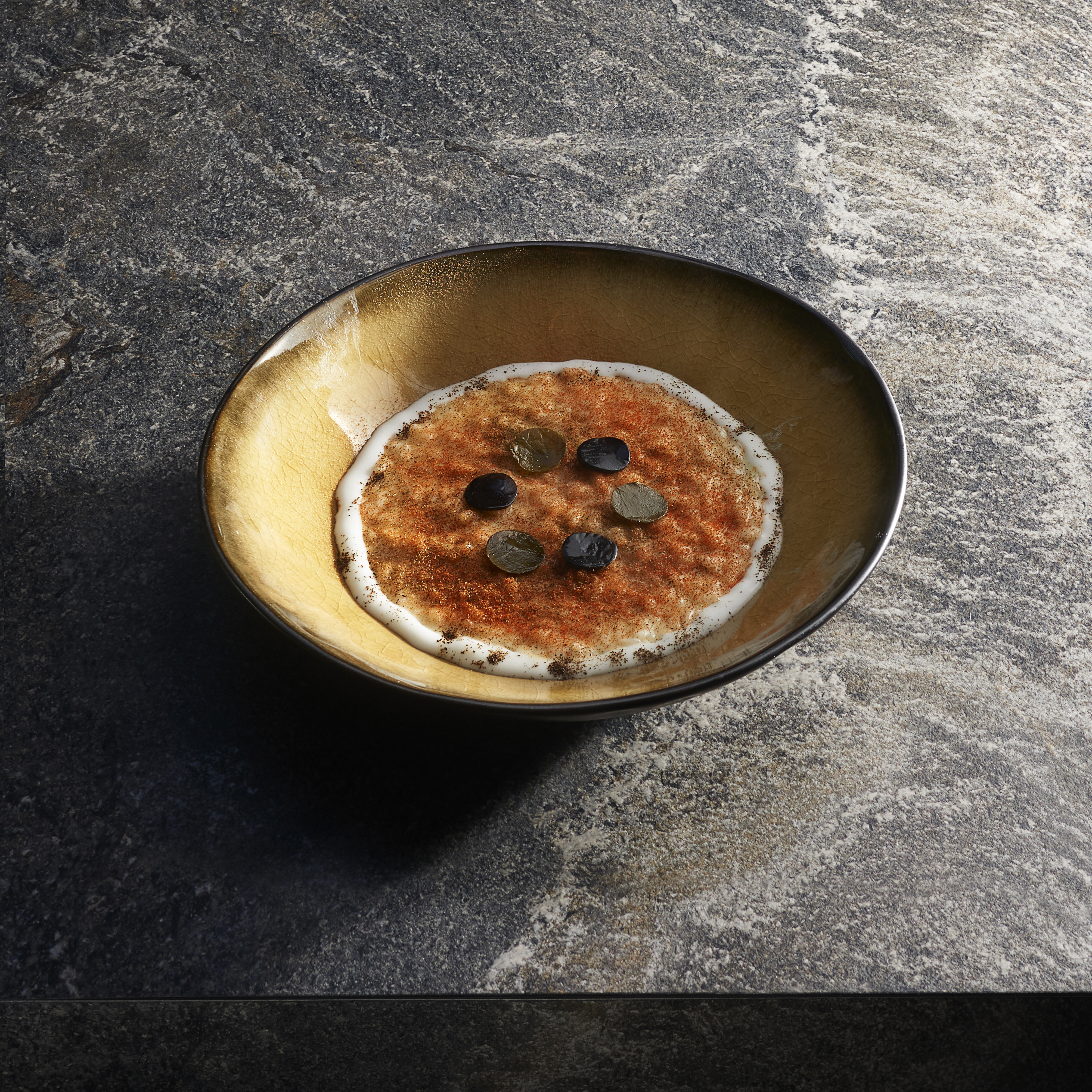
But what made the experience particularly memorable for me was the way design continued onto the table.
The porcelain used for the dishes, including pieces by Broggi and Serax, became almost an extension of the restaurant’s architecture. Rather than functioning simply as a support for the food, the plates contributed to the visual composition of each course. Shapes, textures, and proportions created a dialogue with what was placed on them.
And then came the cuisine.
Andrea Berton’s cooking is modern and immediate, with a strong focus on the ingredient and on keeping flavours recognisable.
What I particularly appreciated during the tasting was its ability to reveal something unexpected without losing clarity.
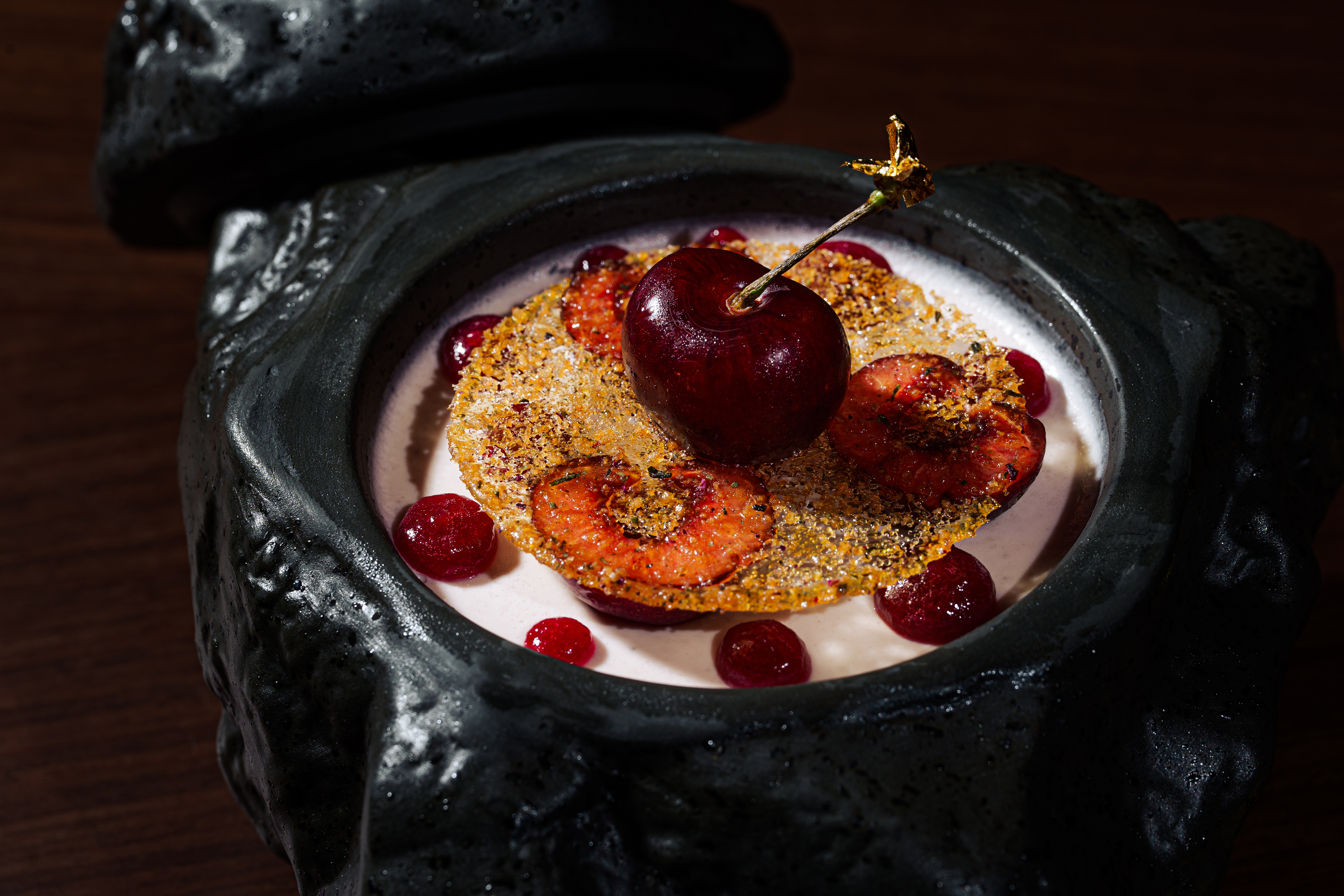
The dishes seemed to open the door to additional flavours of both the sea and the land. An ingredient could remain recognisable while being surrounded by nuances that changed its perception, creating layers of flavour without turning the dish into an intellectual exercise.
That balance is what makes Berton’s cuisine so satisfying.
The sea and the land seem to converse throughout the experience. Familiar ingredients acquire new dimensions, combinations create contrasts, and the cooking manages to surprise without losing its sense of direction.
It is also where the restaurant’s design and cuisine meet most successfully. Everything feels edited, and nothing appears accidental.
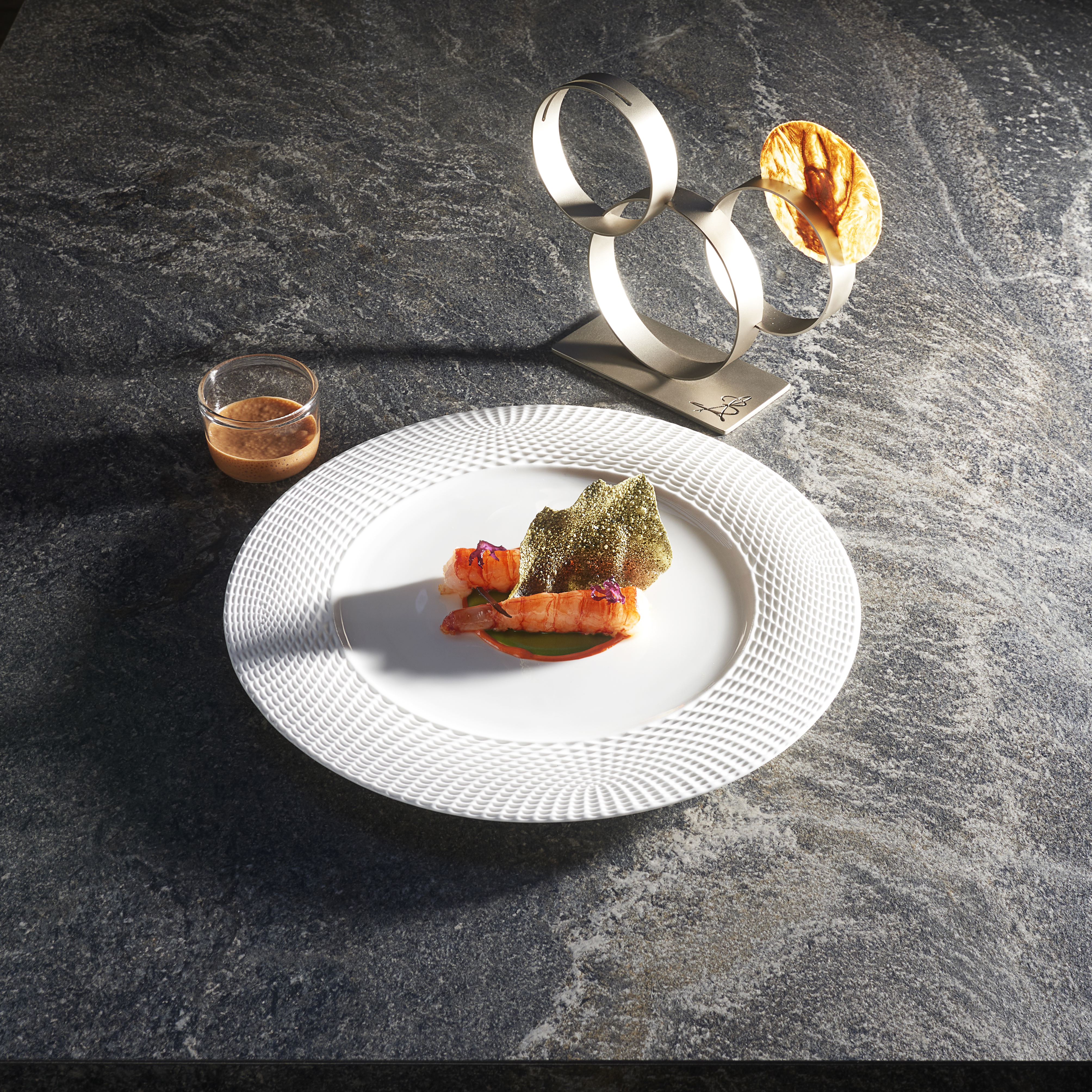
The architecture, the tableware, the presentation, and the food all belong to the same contemporary language that values precision without sacrificing pleasure.
For Milan Fashion Week, that makes Berton particularly fitting. Fashion and fine dining share an obsession with proportion, composition, and detail. At Berton, those principles simply move from the runway to the table.
What remains after the meal is therefore not just the memory of individual dishes, but of an experience in which design and flavour seemed to speak the same language: sophisticated, precise, and quietly surprising.
.jpg)