Structure & Identity: Yiorgos Eleftheriades
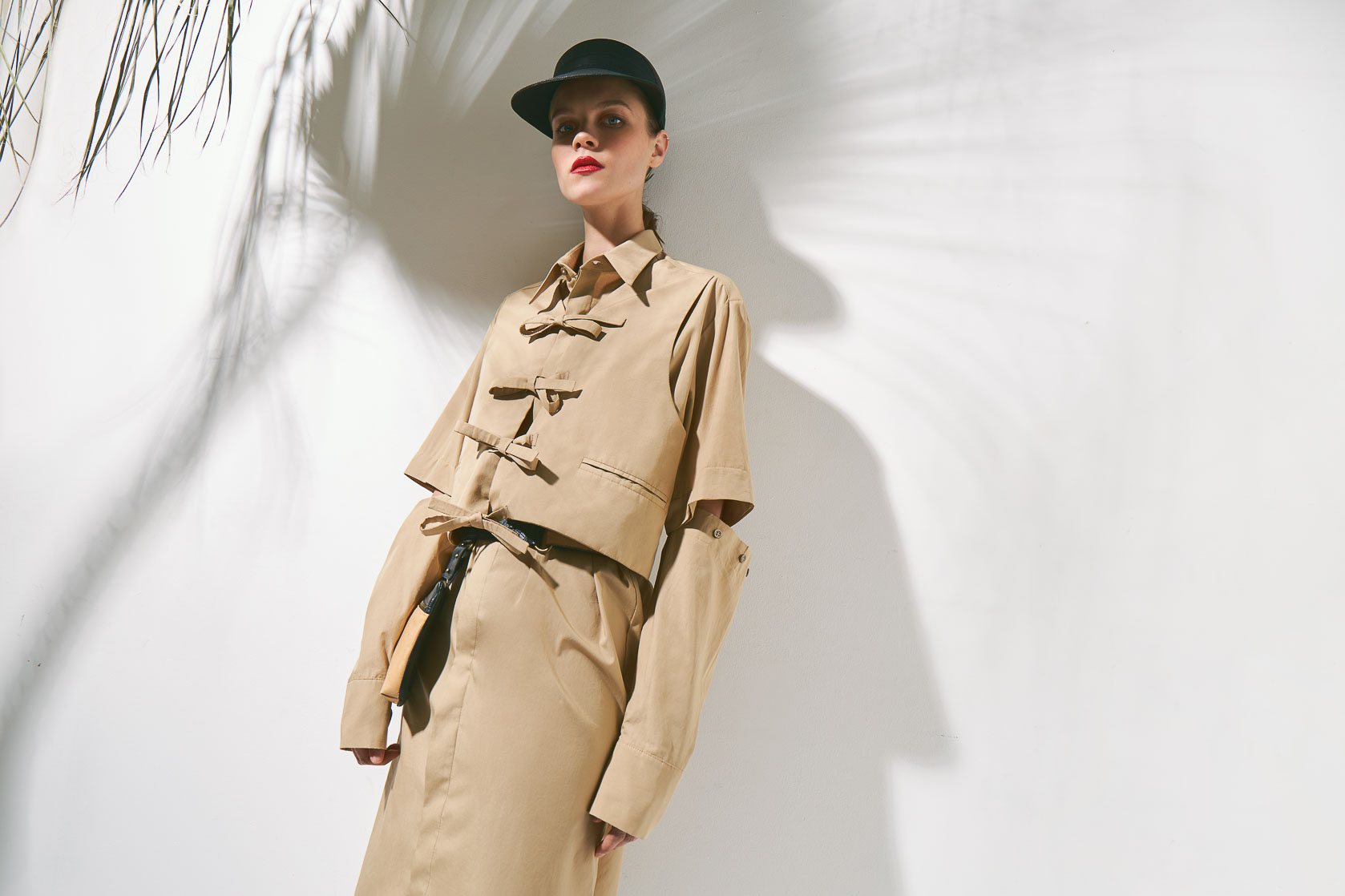
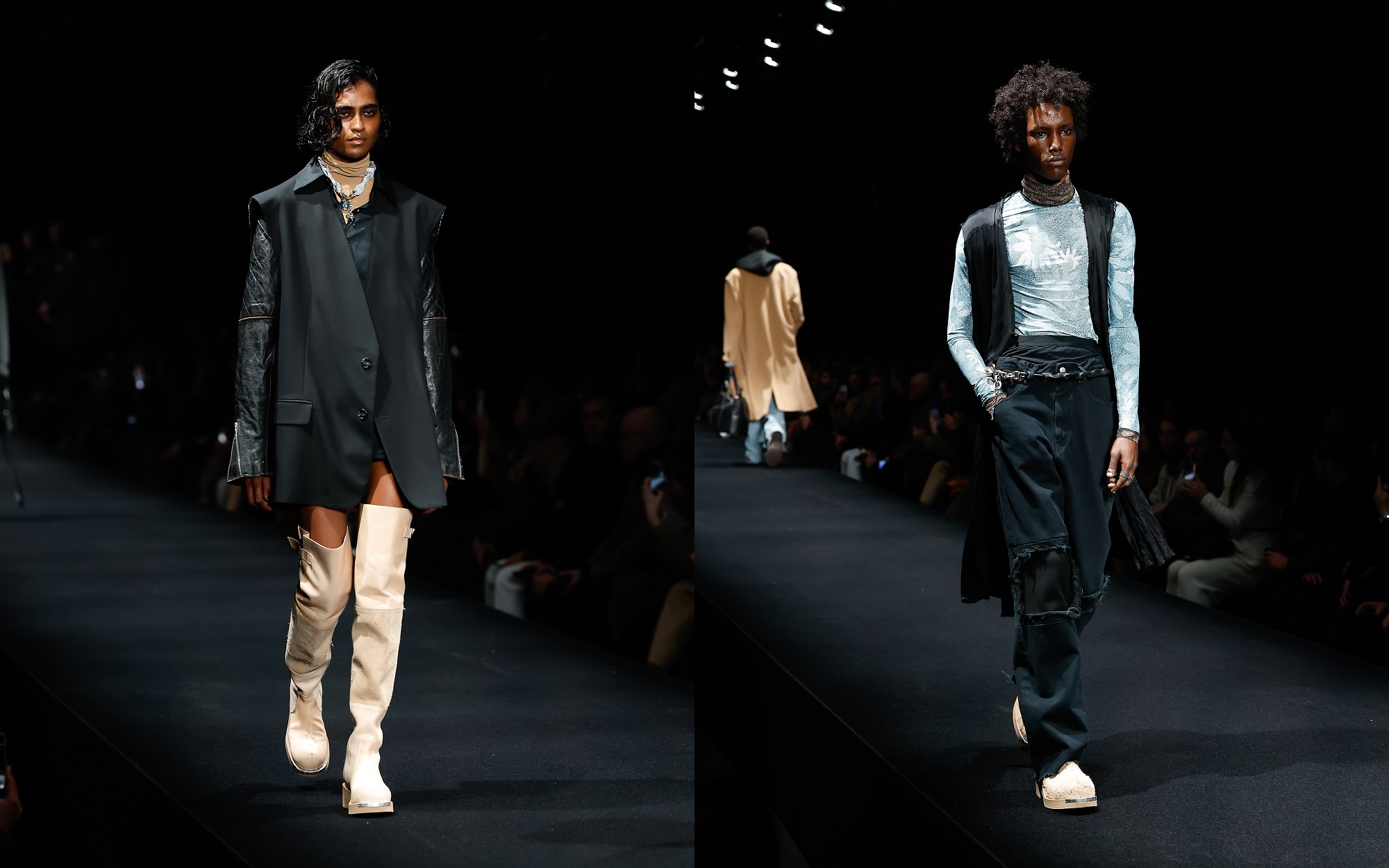
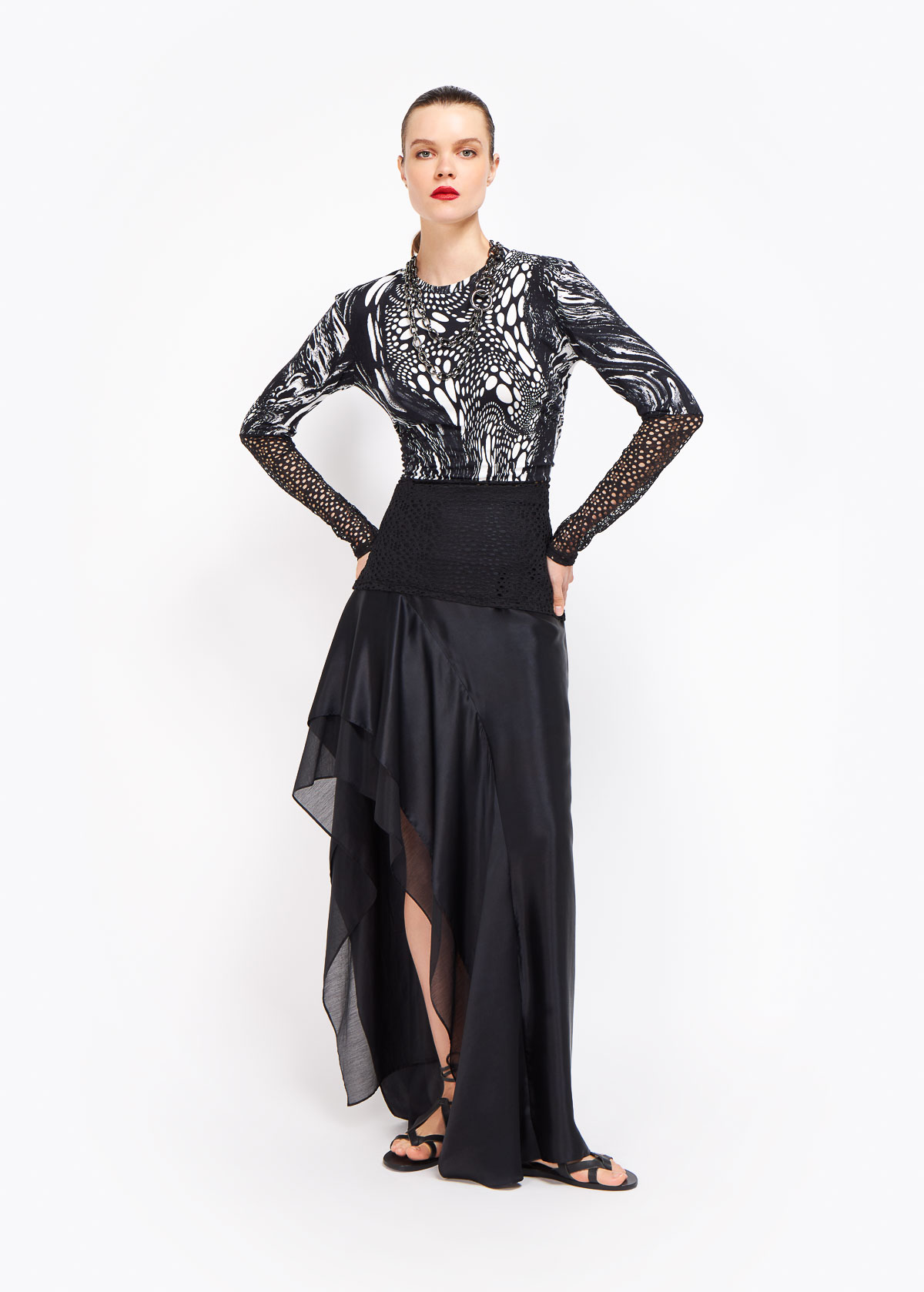
For over three decades, Yiorgos Eleftheriades has built a distinct position within Greek fashion through a design language shaped by precision, architectural form, and thoughtful construction. Based in Athens, his work moves between fashion, art, and functionality, often exploring how garments adapt to everyday life while maintaining a strong emotional presence. His collections are recognised for modular elements, restrained silhouettes, and a focus on garments designed to evolve with the wearer rather than follow short-lived trends.
Throughout his career, Eleftheriades has remained committed to craftsmanship, limited production, and conscious design practices. He has also supported emerging creatives through collaborations, shared platforms, and mentorship, encouraging younger designers to develop a clear identity in an increasingly fast-moving industry.
In this conversation, he reflects on the evolution of his creative process, the responsibility of designers today, and the balance between artistic freedom and commercial reality. He also discusses sustainability, transformation in design, and why identity remains the strongest foundation for a young designer entering fashion today.
Tanja Beljanski: After 30 years in fashion, how has your creative vision changed, and what keeps you motivated today?
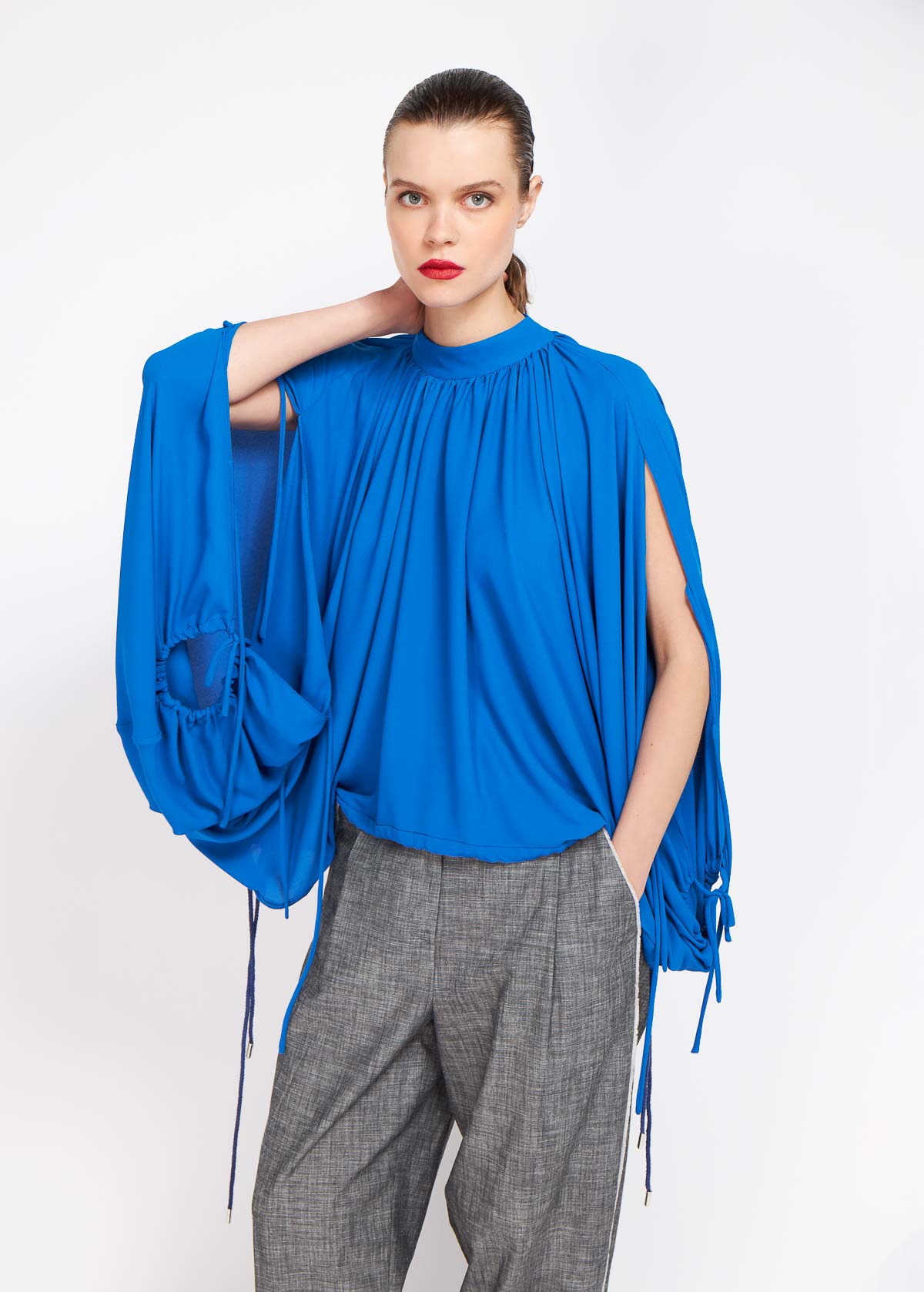
Yiorgos Eleftheriades: My vision has become more precise and essential. In the beginning, I wanted to prove ideas. Today, I want to reveal identity quietly, with clarity. Over the years, I moved from “more” to “meaning”: fewer gestures, stronger structure, better construction, and a deeper respect for time. What keeps me motivated is transformation, both of the garment and of the person wearing it. I still get excited when a piece can shift from day to night, from formal to relaxed, from one mood to another, without losing elegance. I am also motivated by responsibility: designing with consciousness, limiting waste, using archival materials, and creating pieces that can live for years rather than seasons.
You often treat fashion as a form of communication. What do you think designers should be expressing in today’s social and cultural climate?
Design today should express truth and responsibility. We live in a time of noise, speed, and imitation, so I believe designers should communicate clarity: who we are, what we stand for, and what we refuse to compromise. Fashion can also express empathy. It can offer dignity, strength, and calm confidence, especially now, when many people feel unstable. For me, the message is not “look at me,” but “this is me.” A designer should communicate values through choices: materials, production scale, transparency, and respect for the human body and the human story.
When you begin a new collection, what comes first for you: the concept, the material, or the form, and how do you develop it into a final piece?
For me, it begins with a question, an idea about identity and use. Concept and function arrive together: What should this piece allow you to do? How should it make you feel?
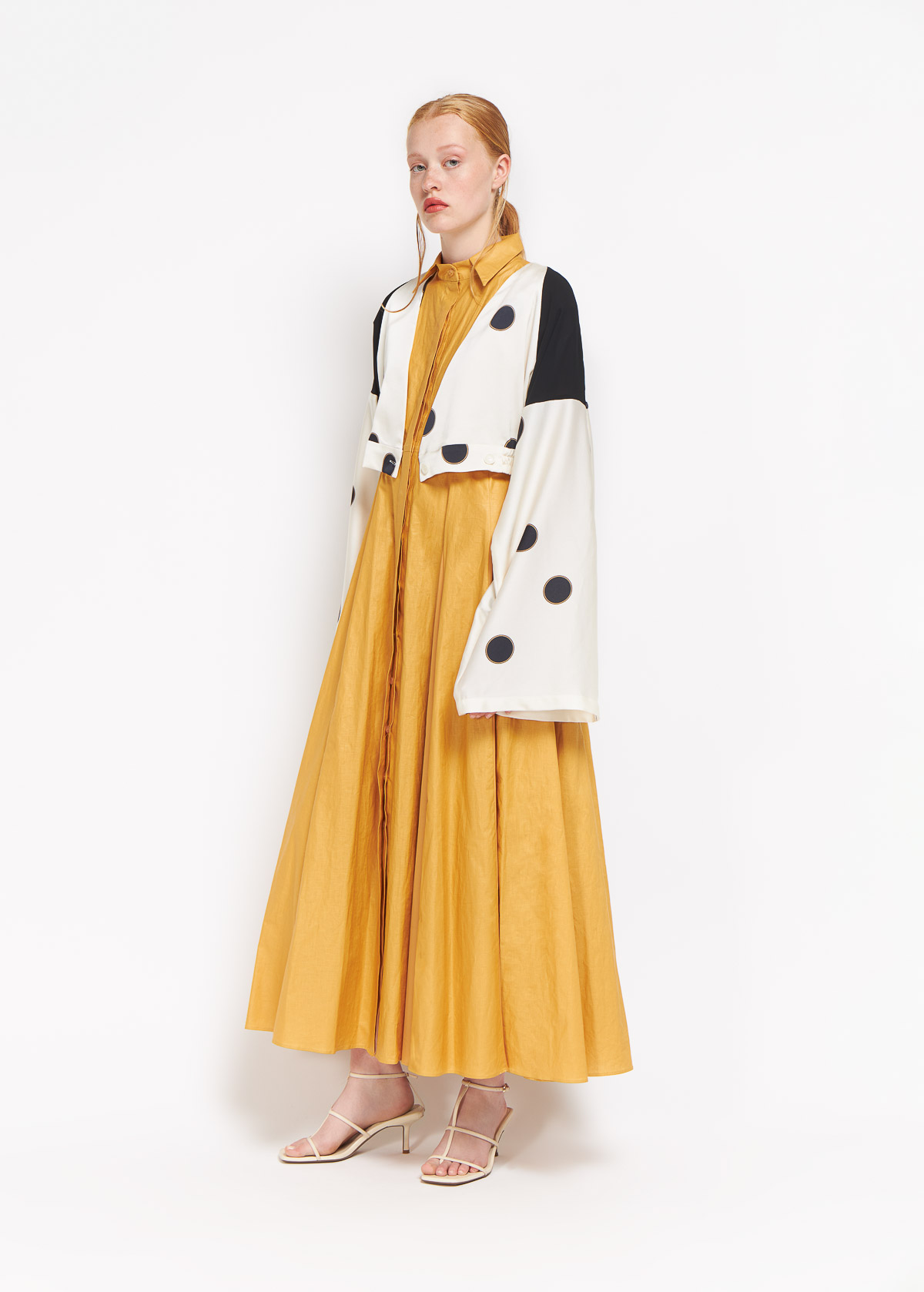
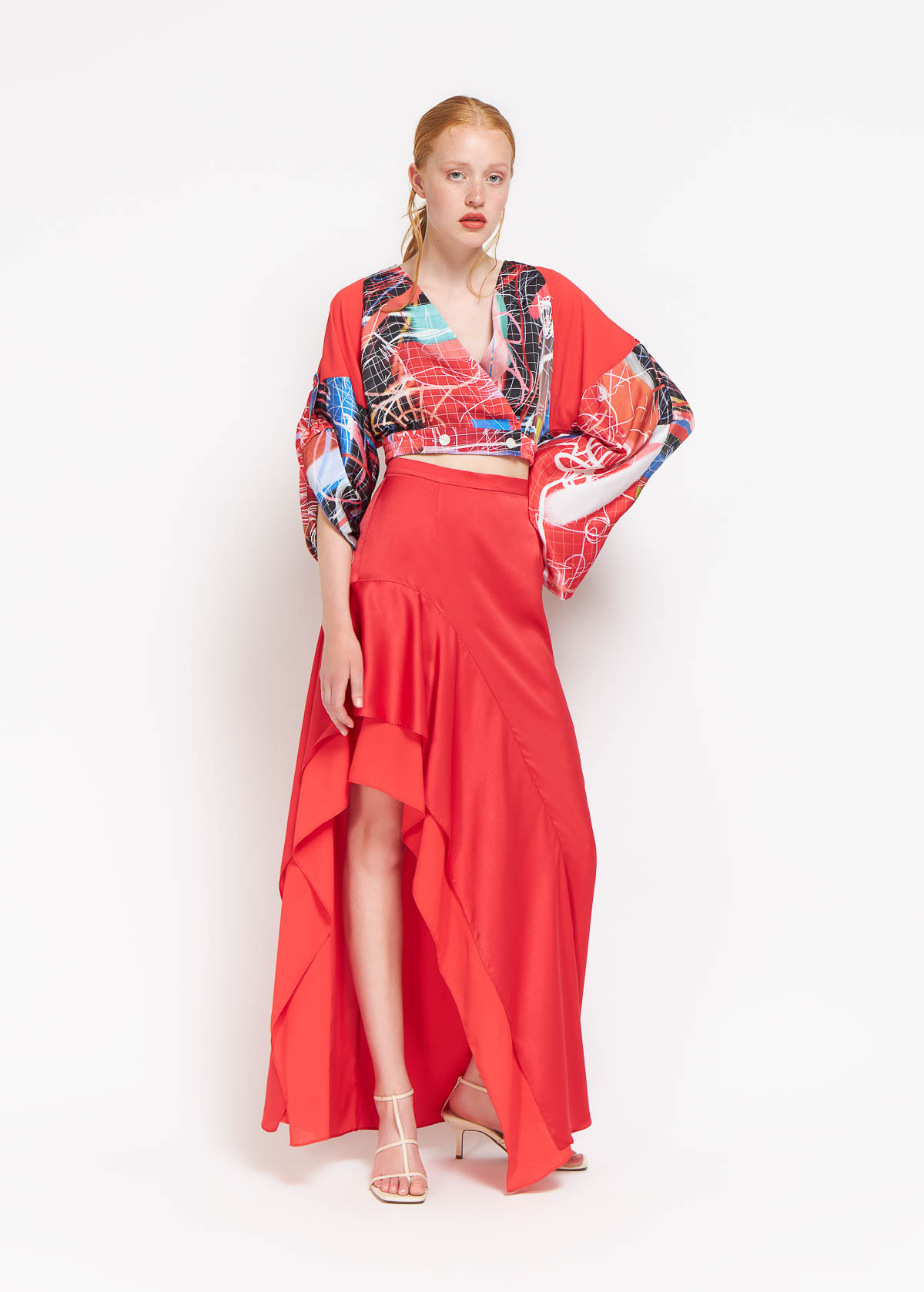
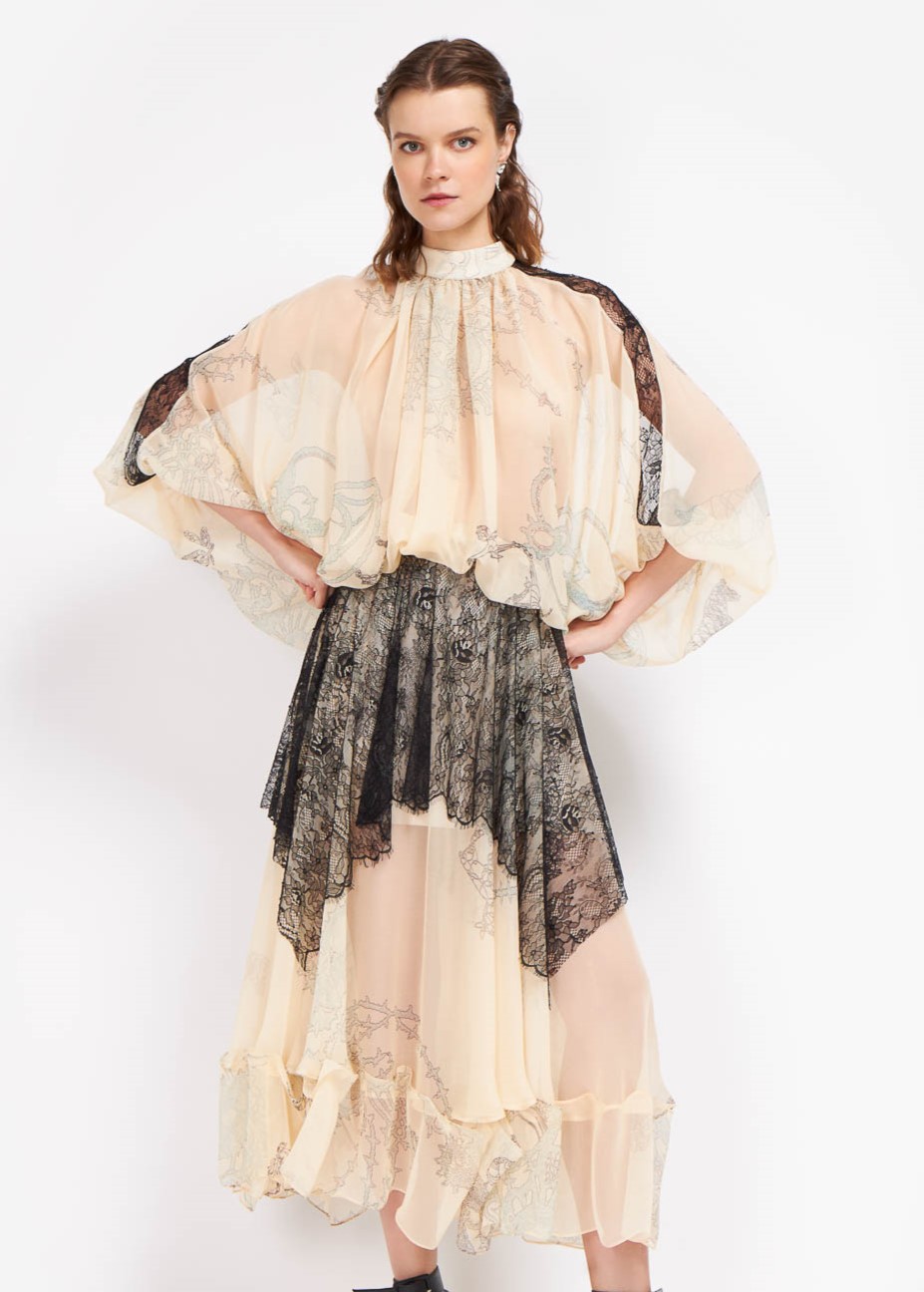
Then I move to form: architecture, pattern, proportion, and the “system” of the garment, how it opens, closes, transforms, detaches, and reattaches. Material comes next, but it is never decorative; it is structural and ethical. I often start from what already exists: archival fabrics, leftovers, or materials with history, and I design around them. The final piece is developed through fittings and real-life testing. I want the garment to perform: to be comfortable, intelligent, and versatile while remaining refined. The goal is a limited-edition object with a clear purpose and a strong emotional signature.
You have supported emerging designers and given space to new voices. What challenges do young designers face today, and how can established designers help them grow?
Young designers face a difficult contradiction: they are asked to be original, but also instantly commercial and visible. Social media accelerates everything: image, pressure, and comparison, while production costs and sustainability demands are higher than ever.
Established designers can help by offering real frameworks, not just advice:
• Mentorship on process, from concept to pattern to production
• Access to networks: suppliers, ateliers, photographers, and press
• Space for experimentation: pop-ups, shared platforms, and collaborations
• Honest education about pricing, margins, quality control, and brand positioning
Most importantly, we can help them protect their voice. A strong identity is the only long-term advantage.
Fashion is often seen as creative, but also very demanding and commercial. How do you personally balance creative freedom with the realities of the industry?
I balance it by designing as a system. Creative freedom is not chaos, it is structure with intention. When a collection has a clear DNA, decisions become easier: what belongs, what does not, and what is necessary. Commercial reality is also a design problem. I do not chase trends; I build value through limited editions, quality, and versatility. A piece must justify its place in someone’s life.
When you design for longevity and multiple uses, you also design for sustainability and smarter consumption. I also keep the business small on purpose. Limited production protects quality, protects the atelier, and keeps the relationship with the client personal.
If you were starting your career today, what would be your first step as a young designer?
I would start by building a clear personal language before building a “brand.”
My first step would be a capsule of 6–10 pieces that function like a manifesto:
• One strong silhouette
• One transformative element: detachable, reversible, or modular
• One signature material approach: new and archival
• One clear message: why this exists
Then I would test it in the real world, on real bodies and real clients, collect feedback, refine fit and construction, and communicate consistently. Visibility is important, but identity is everything. If you know who you are, the right audience will recognise you.
related posts
.jpg)