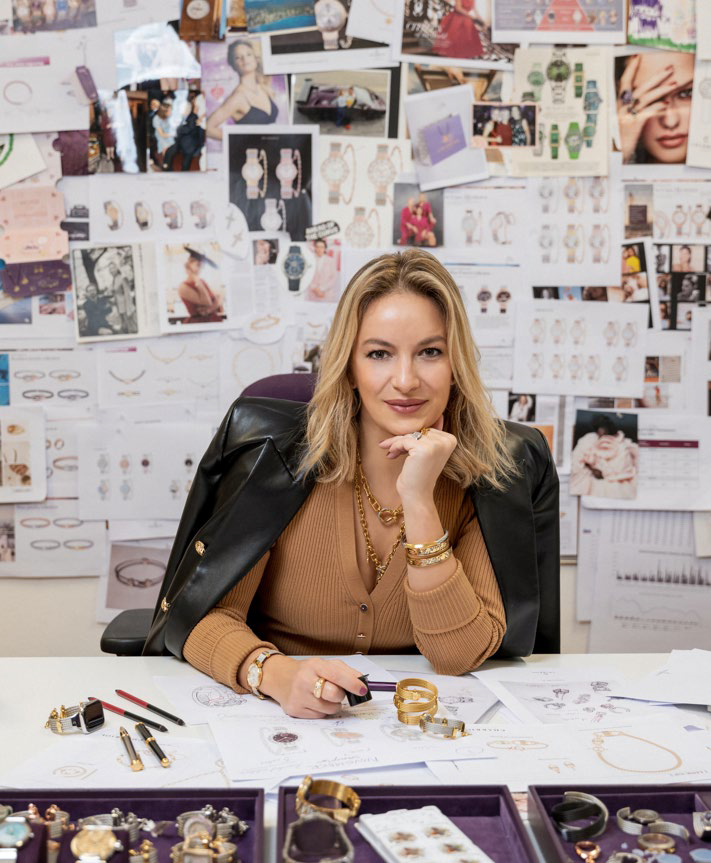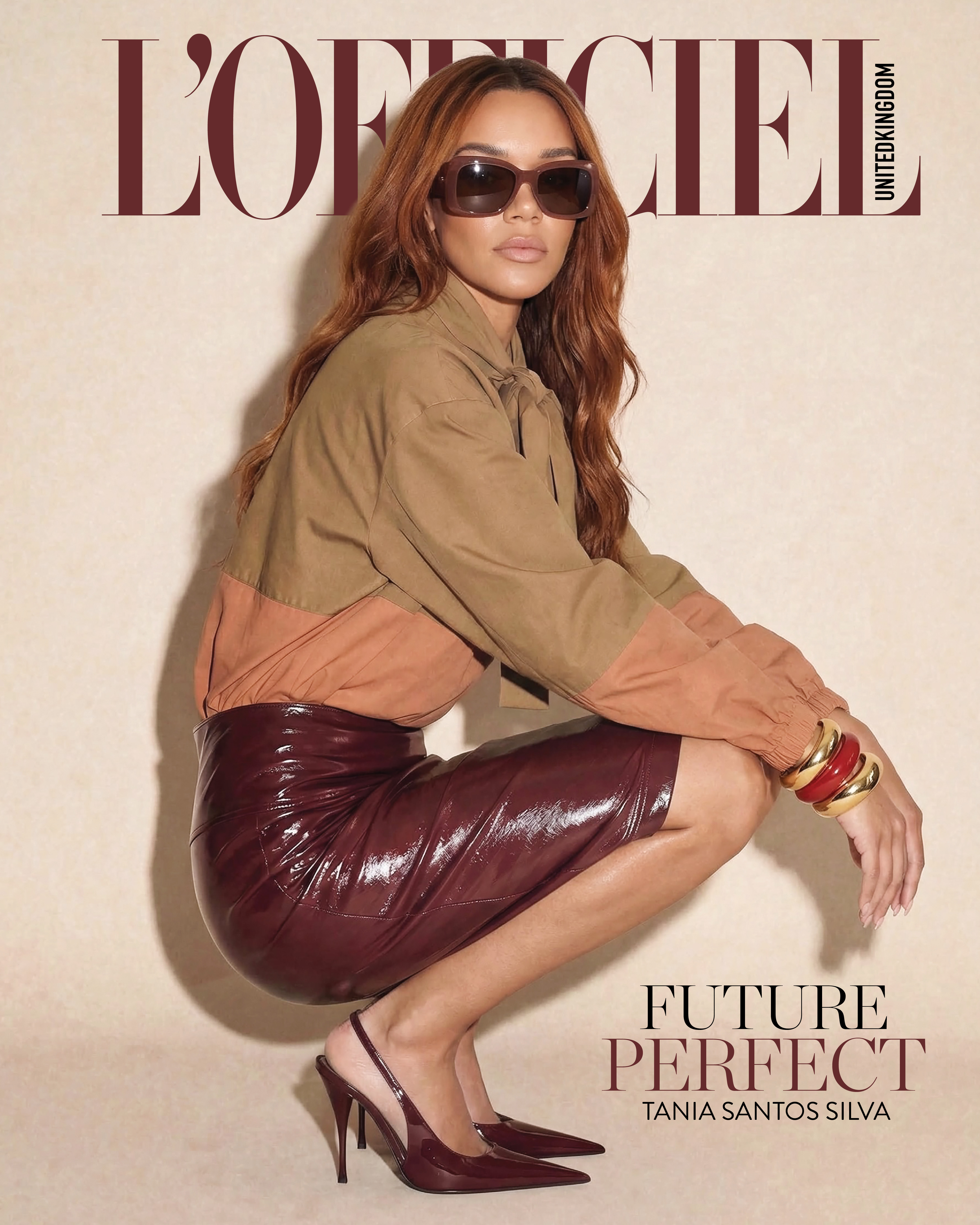
‘I see AI as another creative language rather than a replacement for traditional craftsmanship.’
As artificial intelligence reshapes the language of image, influence and business, Tania Santos Silva is exploring what it means to lead creatively , using technology not to replace instinct, but to create more freedom, possibility and scale.
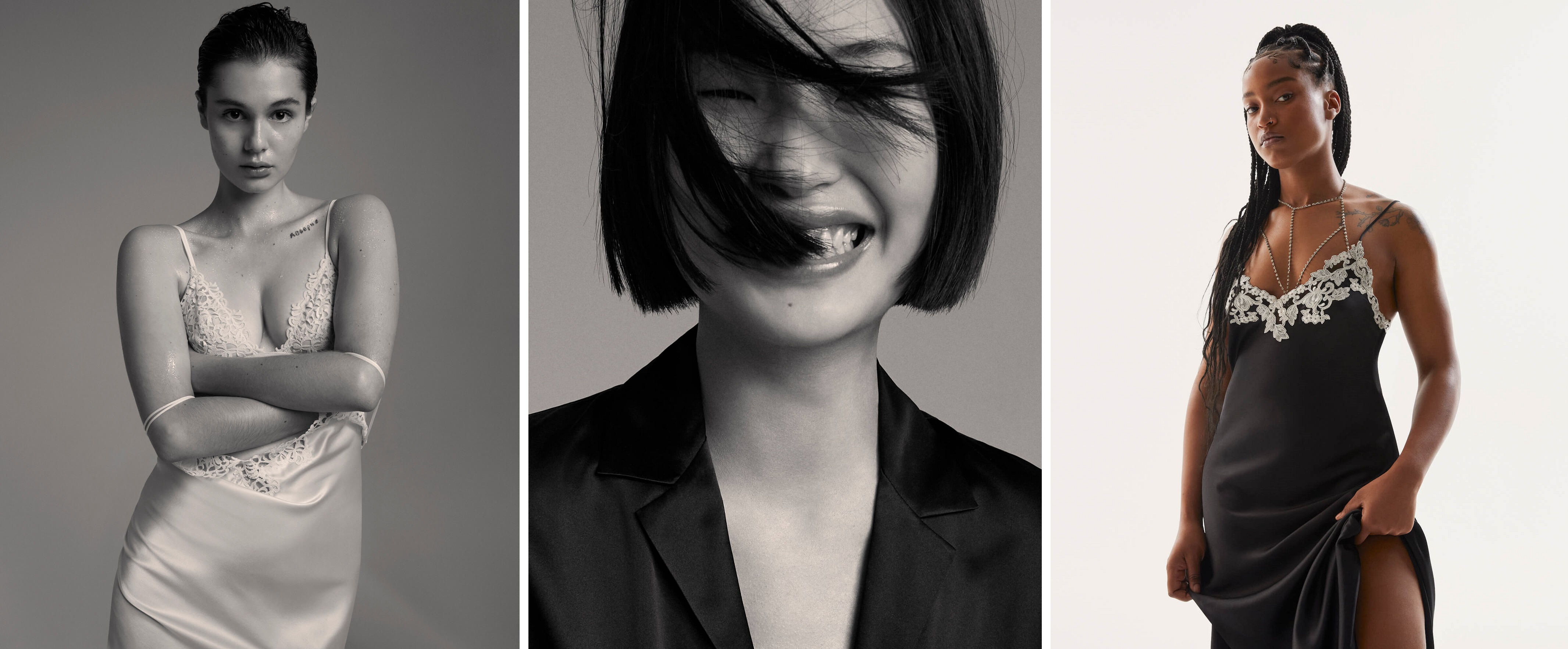
L'Officiel UK: You are using AI imagery as part of this new visual direction. What first drew you to the medium, and what possibilities did you immediately see that traditional image-making could not offer?
Tania Santos Silva: I've always seen the finished vision before anyone else could. AI simply shortened the distance between imagination and execution. What captivated me wasn't the technology itself—it was the freedom. Freedom to test ideas, build entire worlds and explore creative directions without waiting for perfect conditions. As someone who has spent years building brands and shaping reputations, I see AI as another creative language rather than a replacement for traditional craftsmanship. Technology should not replace instinct — it should create more room for it.
There is often a fear that AI will make creativity less personal. From your perspective, how can it instead become a tool for sharpening a founder’s point of view and visual identity?
I believe it already does.AI doesn't create originality. It reveals it. Anyone can write a prompt. What makes the outcome unique is the person behind it—their experiences, judgement, taste and curiosity. Those are things no technology can replicate. The founders who will stand out aren't the ones using AI the most. They're the ones who know exactly who they are.
You work across strategy, influence, institutions and business. Where do you see AI creating the most meaningful value for founders today — beyond simply saving time?
People often describe AI as a productivity tool. I see it as a possibility tool. It allows founders to think at a scale that previously required much larger teams. It creates space to prototype, challenge assumptions and move from idea to execution with remarkable speed.
The greatest advantage isn't saving time. It's expanding what feels possible.
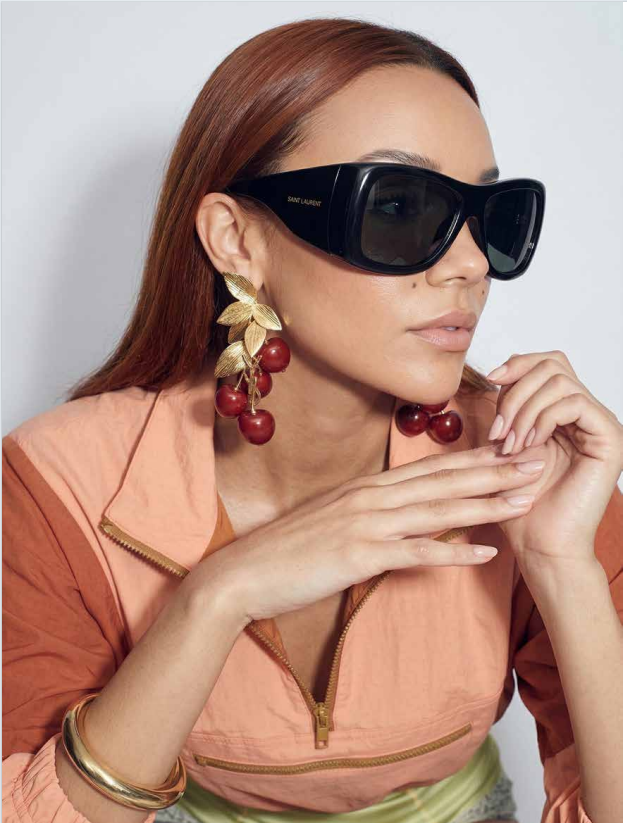
For women building businesses, time is often one of the greatest pressures. How has AI changed the way you think about capacity, freedom and where your energy is best spent?
For many women, time has always been our most valuable currency. I no longer measure success by how much I can fit into a day. I measure it by where my energy creates the greatest impact. AI has allowed me to protect that energy for strategy, relationships, leadership and creativity—the parts of my work that only I can do. Freedom is not doing more. It is knowing where your energy is most valuable.
AI can give a founder the ability to visualise an idea before it exists physically — whether that is a campaign, a brand world or a future version of a business. How powerful is that ability to see something before the market does?
Every meaningful business begins as something invisible. Being able to see an idea before the market does gives founders confidence to experiment, refine and dream bigger. AI allows us to explore possibilities before committing significant resources, making innovation far more accessible. Sometimes vision is the greatest competitive advantage.
Your work has always been grounded in reputation, discernment and precision. How do you ensure that technology supports those values rather than diluting them?
Technology has never replaced judgement. Everything I create still goes through the same filter: Is it authentic? Does it add value? Does it represent the standard I want my name associated with? AI accelerates execution, but discernment remains entirely human. AI may change the speed of business, but discernment will remain the real advantage.
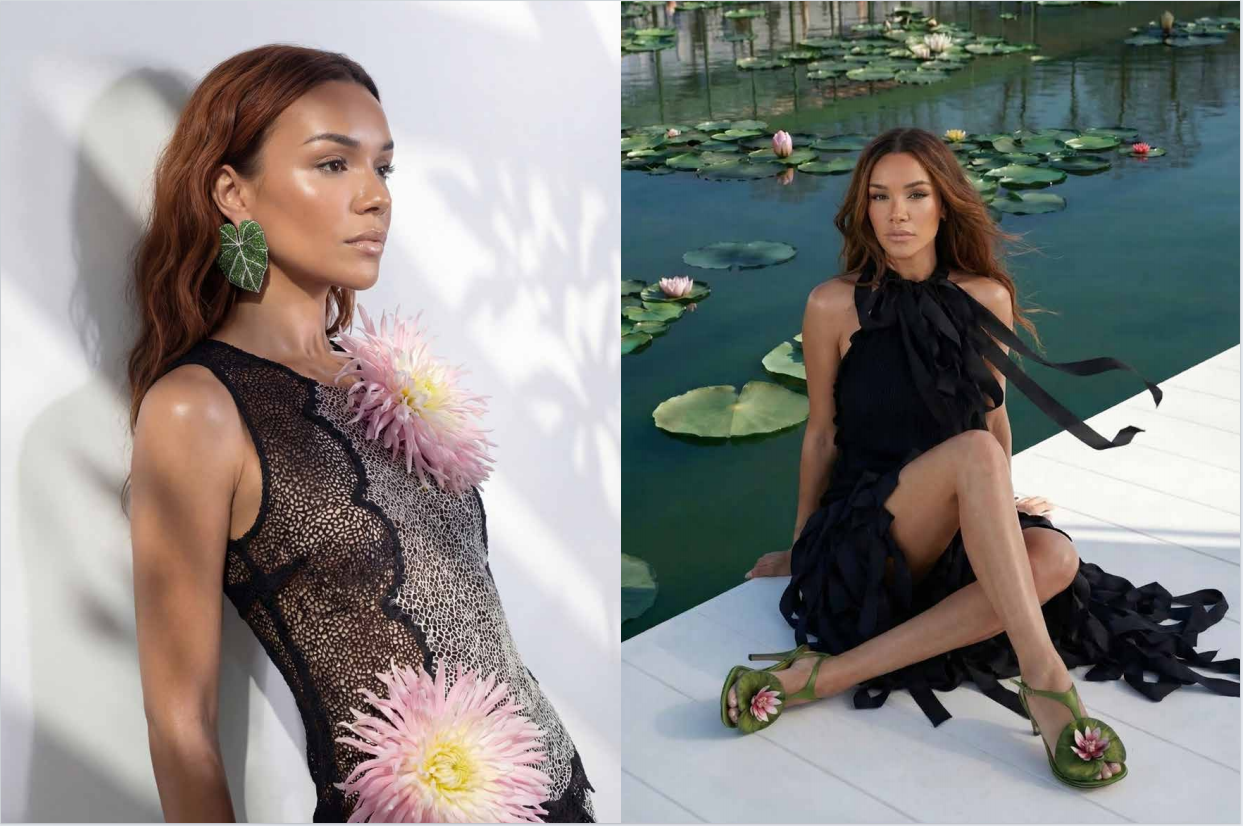
The landscape of being a businesswoman is changing quickly. Do you think AI will create a more level playing field for women with ambitious ideas, particularly those without large teams or traditional access?
Absolutely. For generations, access determined opportunity. Today, talent and vision can travel much further than resources alone. That excites me because it allows more women to build globally, think boldly and create businesses on their own terms.
There is a new kind of creative independence emerging, where founders can direct, build and test ideas with greater speed. What does that freedom mean to you personally?
Freedom has always been my definition of success. The freedom to choose my projects, protect my time and create with intention rather than obligation. AI didn't give me that freedom—it amplified it.
As AI makes content easier to create, discernment may become even more valuable. What will distinguish the founders and brands who use it well from those simply adding more noise?
Taste. We're entering an era where almost anyone can create content. What will become rare is discernment. The brands people remember will have clarity, consistency and emotional intelligence. They'll create less noise and far more meaning.
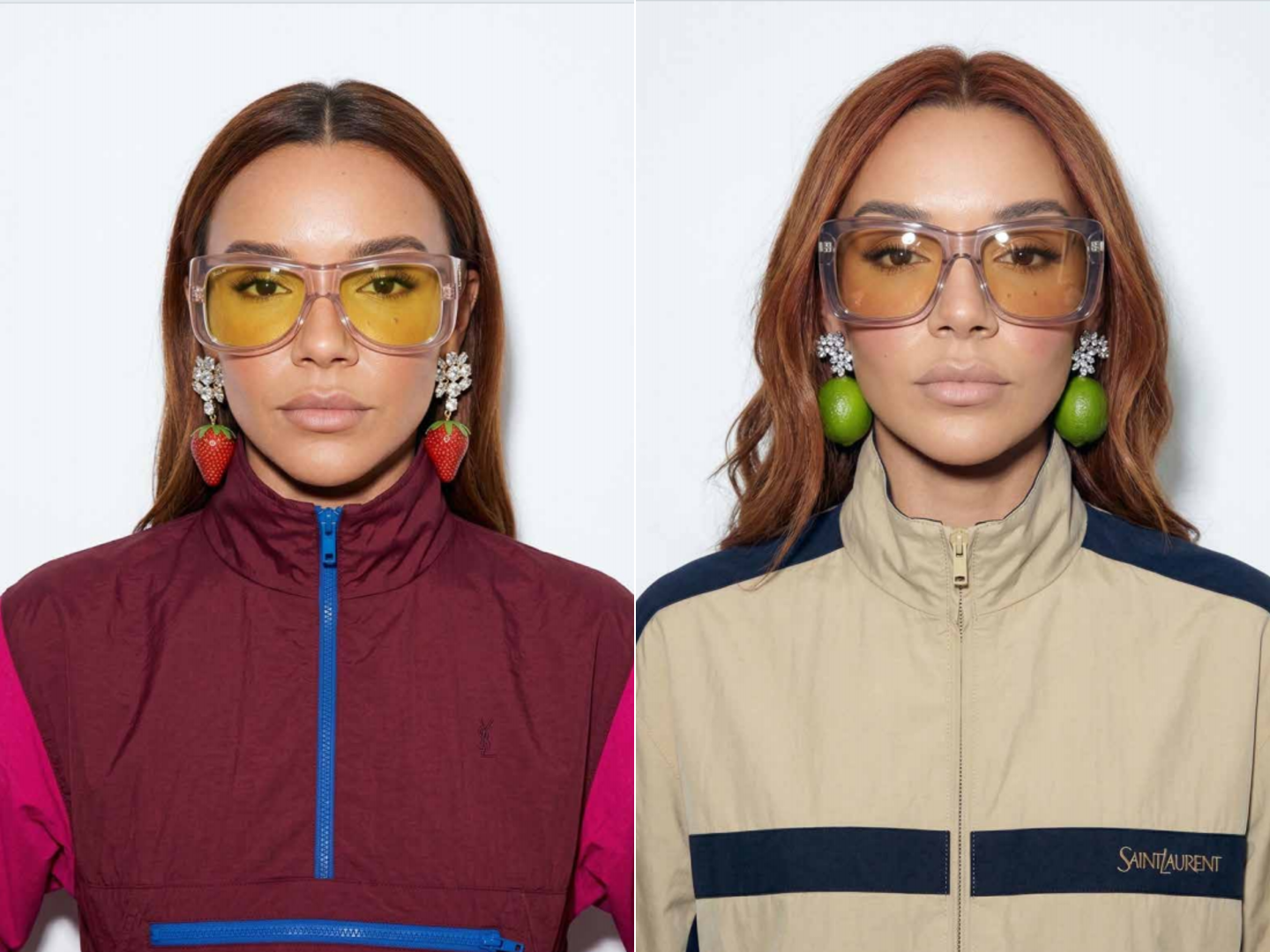
‘People often describe AI as a productivity tool. I see it as a possibility tool.’
You have spoken about leadership as something quiet, strategic and deeply human. In an increasingly automated world, which human qualities do you believe will become even more essential?
Empathy. Integrity. Curiosity. Character. Technology can process information, but it cannot build trust or inspire confidence. The future belongs to leaders who understand people as deeply as they understand innovation.
Do you see AI as a practical business tool, a creative collaborator, or something more transformative than either of those definitions?
It's a business tool, a creative collaborator and an extraordinary accelerator. But above all, it's an amplifier. It magnifies whatever already exists. If your thinking lacks depth, AI will expose it. If your vision is clear, it allows you to bring it to life faster.
Looking ahead, how do you hope to use technology to create more space — not only for growth and innovation, but for women to lead with greater clarity, confidence and freedom?
I hope technology gives women something increasingly rare: space. Space to think, to lead, to create, to raise families, to build companies and to live more intentionally. Real success isn't about becoming busier. It's about becoming freer. If AI helps us achieve that, then it will have done something truly transformative.