Ashdeen and the Art of Ancient Parsi Embroidery
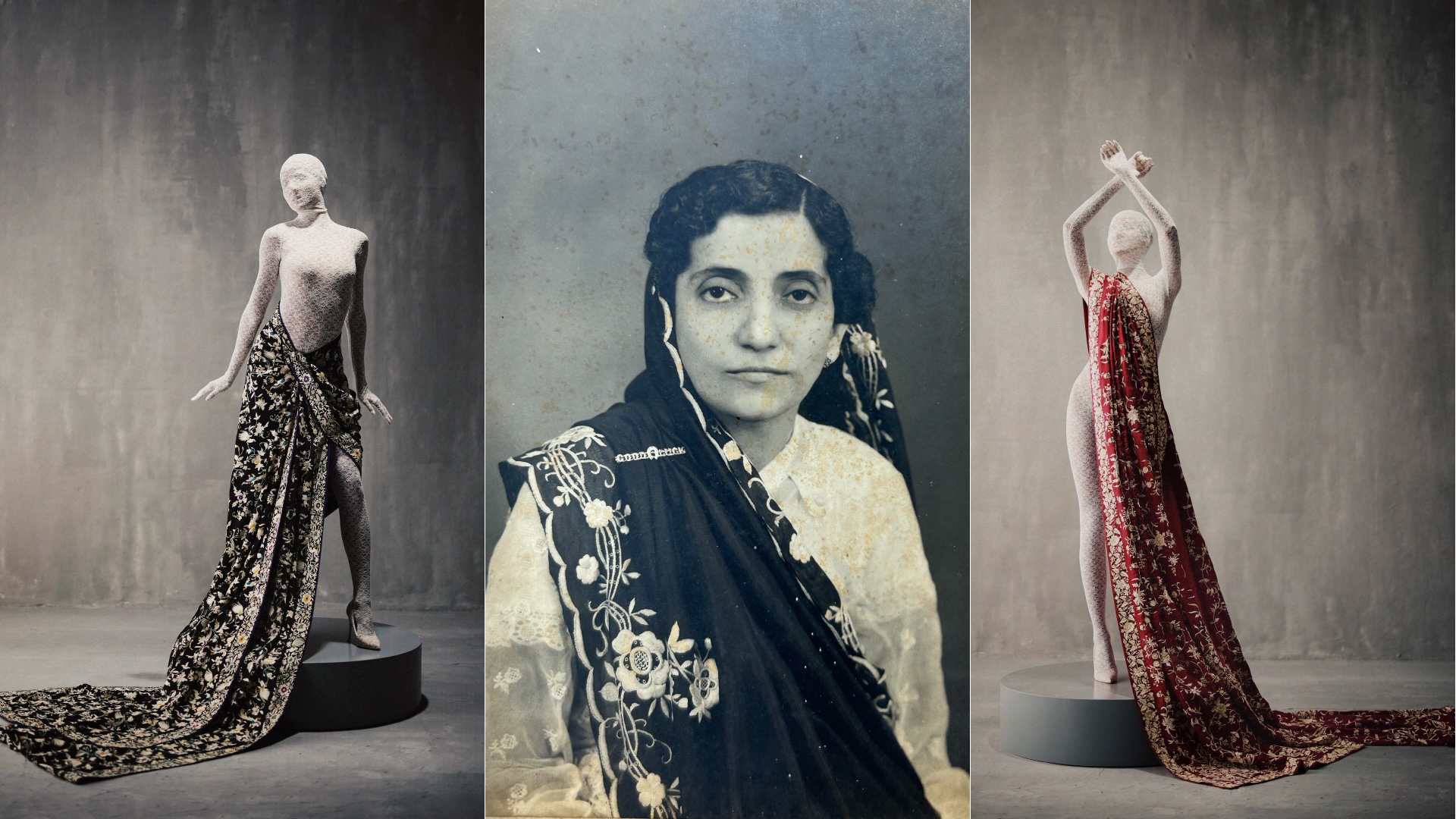
Ashdeen Lilaowala, himself of Parsi heritage, began his relationship with the gara in his early years, long before it became his life's work. Growing up in Mumbai, India, surrounded by Parsi women of elite fashion sense - his mother, sisters and aunts, the gara was part of every family occasion and celebration. But it was not until his years at the National Institute of Design in Ahmedabad, where he studied textile design and began his first serious research into the craft, that this familiarity became purpose.
What followed was a journey across China, Iran and India, commissioned by the Ministry of Textiles alongside UNESCO's Parzor Foundation, tracing the roots of the gara stitch by stitch, and culture by culture. That research culminated in his book Threads of Continuity: The Zoroastrian Craft of Kusti Weaving, published in 2013 - a seminal work on a vanishing tradition, and that book grew into a beloved label.
Founded in 2012, his eponymous label Ashdeen specialises in hand-embroidered sarees, garments and accessories crafted in the Parsi gara tradition. He has since collaborated with some of India's most respected luxury names. His collections have made their way to international red carpets and into celebrity wardrobes, and his conviction that this craft is worth saving as a living, breathing, wearable art form has only grown stronger with time.
Asheen speaks with Delna Mistry Anand of L'Officiel Arabia, who shares the same Parsi heritage.
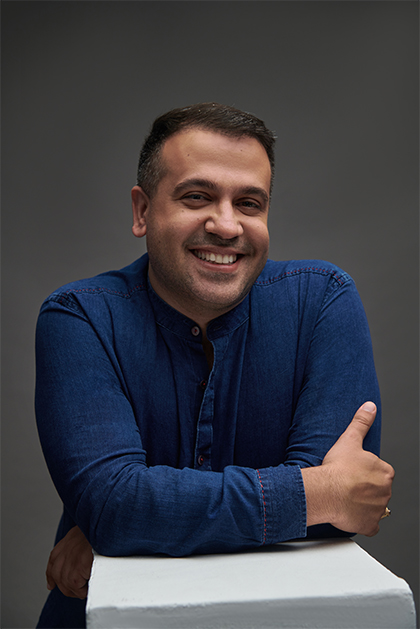
Delna Mistry Anand: You say that you are a keeper of stories first, and then a designer. What are the stories you are most devoted to keeping alive?
Ashdeen Lilaowala: I love telling and retelling stories of the generations of women who have made the Gara what it is, of the artisans who have breathed life into the craft and maintained such impeccable standards, the women who continue to wear the Gara in its myriad forms, treasure it, and pass it down, the families touched by the Gara. In short, I am interested in the stories of people. It's the people that make a craft.
DMA: The gara's journey feels so much like the story of the Parsis itself - migration, resilience and absorbing the best of every culture while firmly maintaining its own identity. As someone who has researched this across continents, what part of this journey has surprised you most?
AL: It is commonly believed that the Parsi Gara craft was something we Parsis as a community adopted from China and the Far East. I believed it too. However, the more I travelled for research, the more I realised the significant role we played in making it our own. And it's all thanks to the enterprising Parsi women who infused the craft with their own sensibility and taste informed by travels and Indian crafts and motifs.
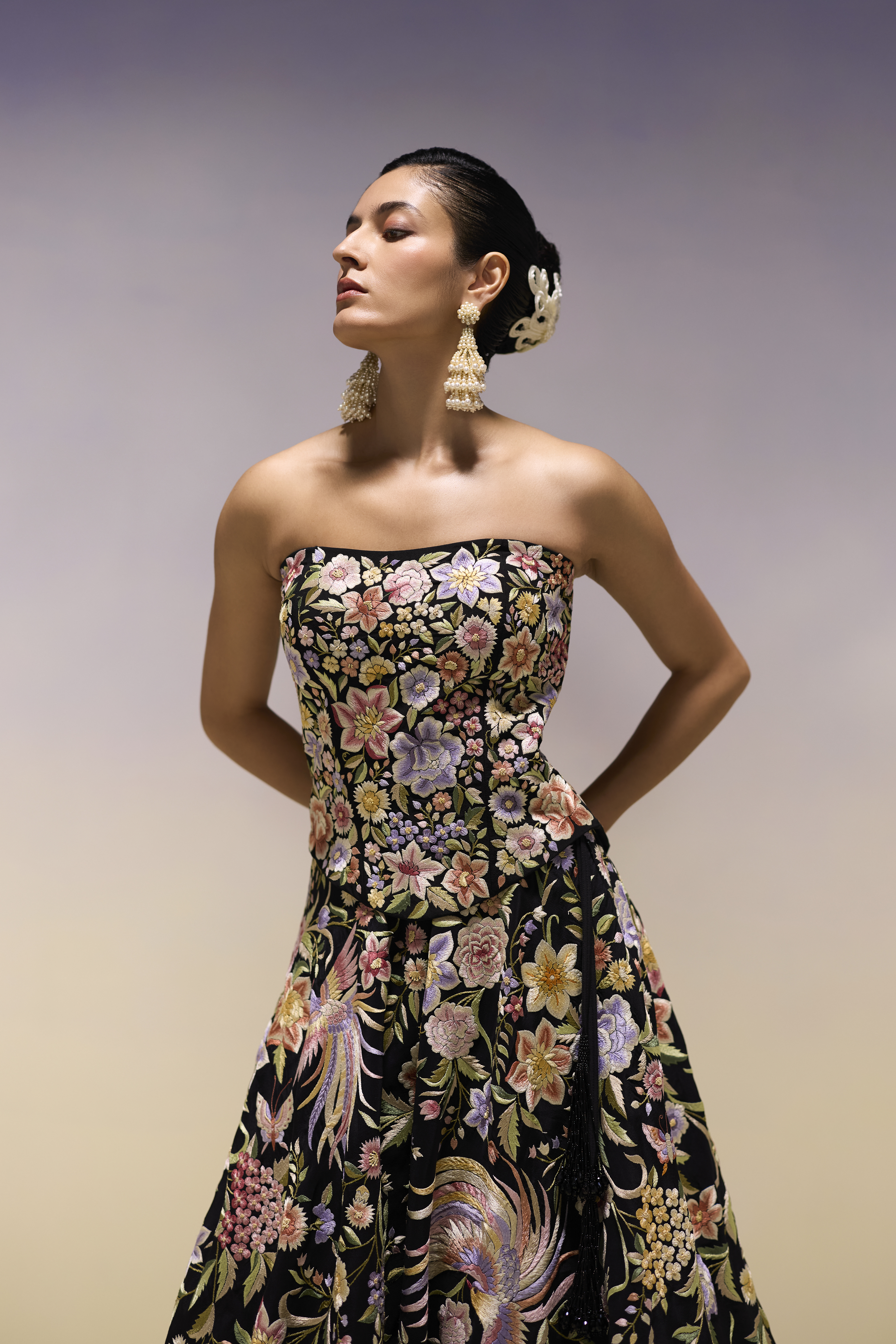
DMA: Very little has been written about the early artisans who actually created the gara. What can you tell us about them?
AL: When Parsi families travelled to Canton and Shameen for trade, they encountered studios where groups of craftspeople worked on textiles, from procuring raw materials and weaving to dyeing and embroidery. Later, some of these Chinese craftspeople travelled to India carrying trunks of samples and borders or kors as we call them. They were known as pherias among Parsi families who placed orders for embroidered textiles. They were the earliest spokespersons for this craft.
DMA: Global names like Oprah Winfrey, Nita Ambani, and recently Alia Bhatt, have all worn and looked absolutely stunning in the gara. What in your opinion, is it about this ancient, labour-intensive craft that remains relevant in high fashion today?

AL: The fact that it is timeless and classic yet endlessly adaptable is what makes the Gara relevant in high fashion. The finesse of execution ensures every piece is a valuable addition to one's wardrobe, something to be treasured and passed on as an heirloom. The Parsi Gara tradition is distinct from other forms of surface ornamentation in how it attempts to capture the essence of flora and fauna as they appear in nature. This realism realised through masterful hand-embroidery is what makes this art form unique and valuable.


DMA: Today's GCC fashion-forward consumer has a deeper understanding of heritage and luxury. Do you see a home for the gara here, and is the Middle East part of your vision?
AL: The well-travelled and fashion-forward GCC customer is very aware of the value of handcrafted pieces and I definitely see the Gara finding a home in this part of the world. In India, we've adapted the Gara embroidery by not just interpreting it through silhouettes like lehengas and kurtas but also infusing it with other textile crafts from the subcontinent, be it bandhani resist dyeing or kanjivaram weaves. Similarly in the Middle East too, we'd have to adapt the Gara through the lens of local silhouettes and crafts. That's the beauty of the Gara, it keeps amalgamating and evolving. We'd love to introduce the Gara to the GCC audience through exhibitions and shows.
www.ashdeen.com | @ashdeenl
related posts

.jpg)


(1).jpg)