The Antwerp Six: When Belgian Fashion Changed the Language of Ready-to-Wear
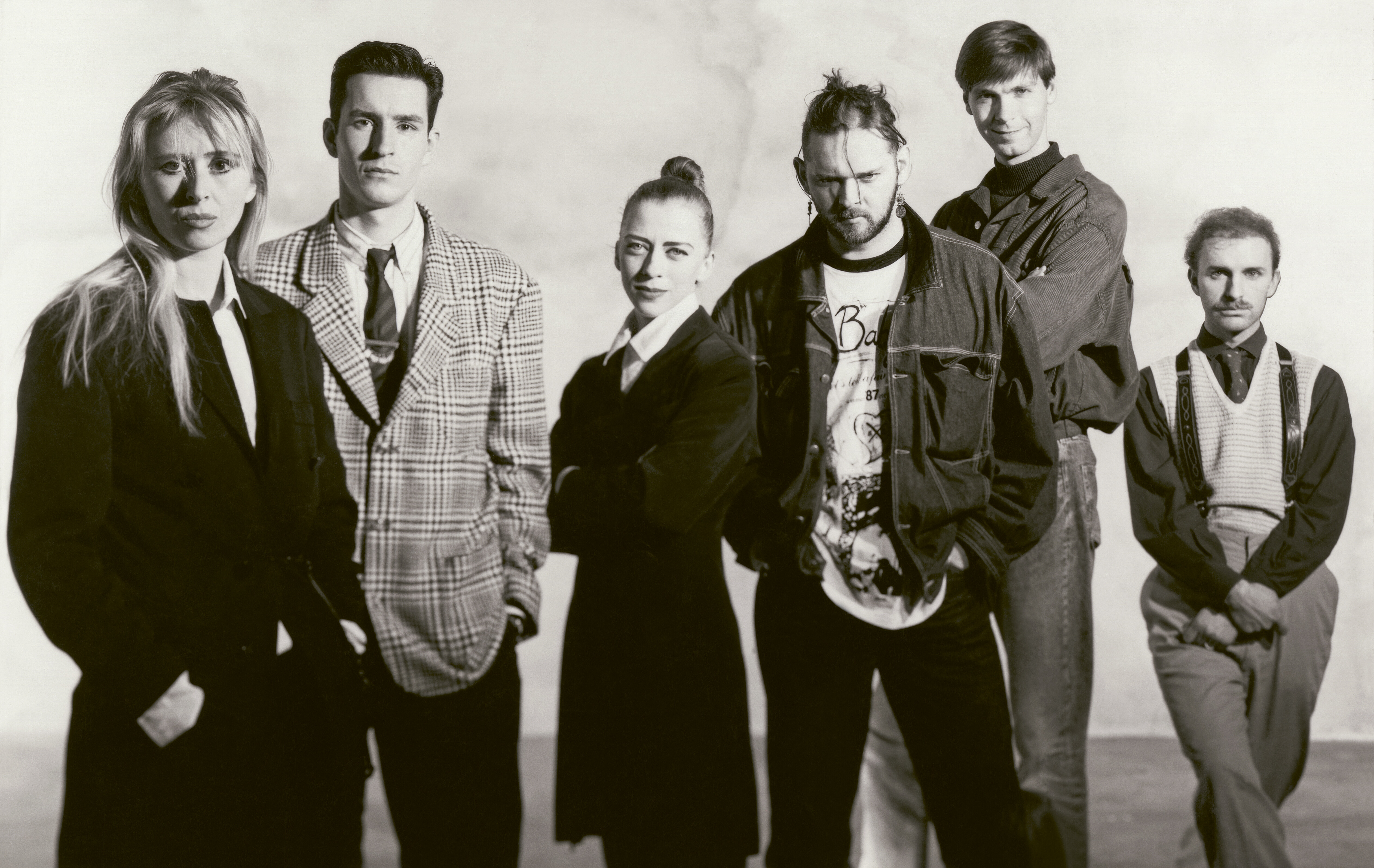
As a journalist covering fashion, I often find myself drawn to moments when the industry shifts its direction and begins to speak a new visual language. The exhibition dedicated to the Antwerp Six is one of those moments, not only as a historical overview but as a reminder of how profoundly Belgian fashion reshaped ready-to-wear and expanded what it could mean.
Reading through the press dossier, the exhibition notes, and the colophon, it becomes clear that the curatorial approach avoids simplifying the Antwerp Six into a single aesthetic or collective identity. Instead, it presents six radically individual designers whose paths crossed at a very specific and influential moment in fashion history.
The Antwerp Six are: Ann Demeulemeester, Dries Van Noten, Walter Van Beirendonck, Dirk Bikkembergs, Dirk Van Saene and Marina Yee. All of them studied at the Royal Academy of Fine Arts Antwerp, where they were shaped by a demanding and highly experimental education that would later influence generations of designers.
_hpr.jpg)
Co-curator Geert Bruloot explains this clearly: “What makes this exhibition unique is that it does not present the Antwerp Six as a unified style or movement, but as six radically individual practices that intersected at a specific moment. The Antwerp Six were never a traditional collective, and the exhibition respects that reality. Each designer is given their own space, logic and rhythm.”
That independence is exactly what made them so influential. Belgian fashion at that time brought a new spirit into ready-to-wear. It disrupted expectations, challenged established systems, and introduced a more intellectual, artistic and experimental approach to clothing. The Antwerp Six did not simply participate in fashion, they shook the industry and expanded its vocabulary.
I also know many of them personally, not only as designers but as professors at the Royal Academy of Fine Arts Antwerp, where they continue to shape new generations of talent. That proximity gives me a very specific perspective on their work. I have seen how their thinking translates into teaching, how discipline and experimentation exist side by side in their approach, and how consistently they push the idea of what fashion can be.
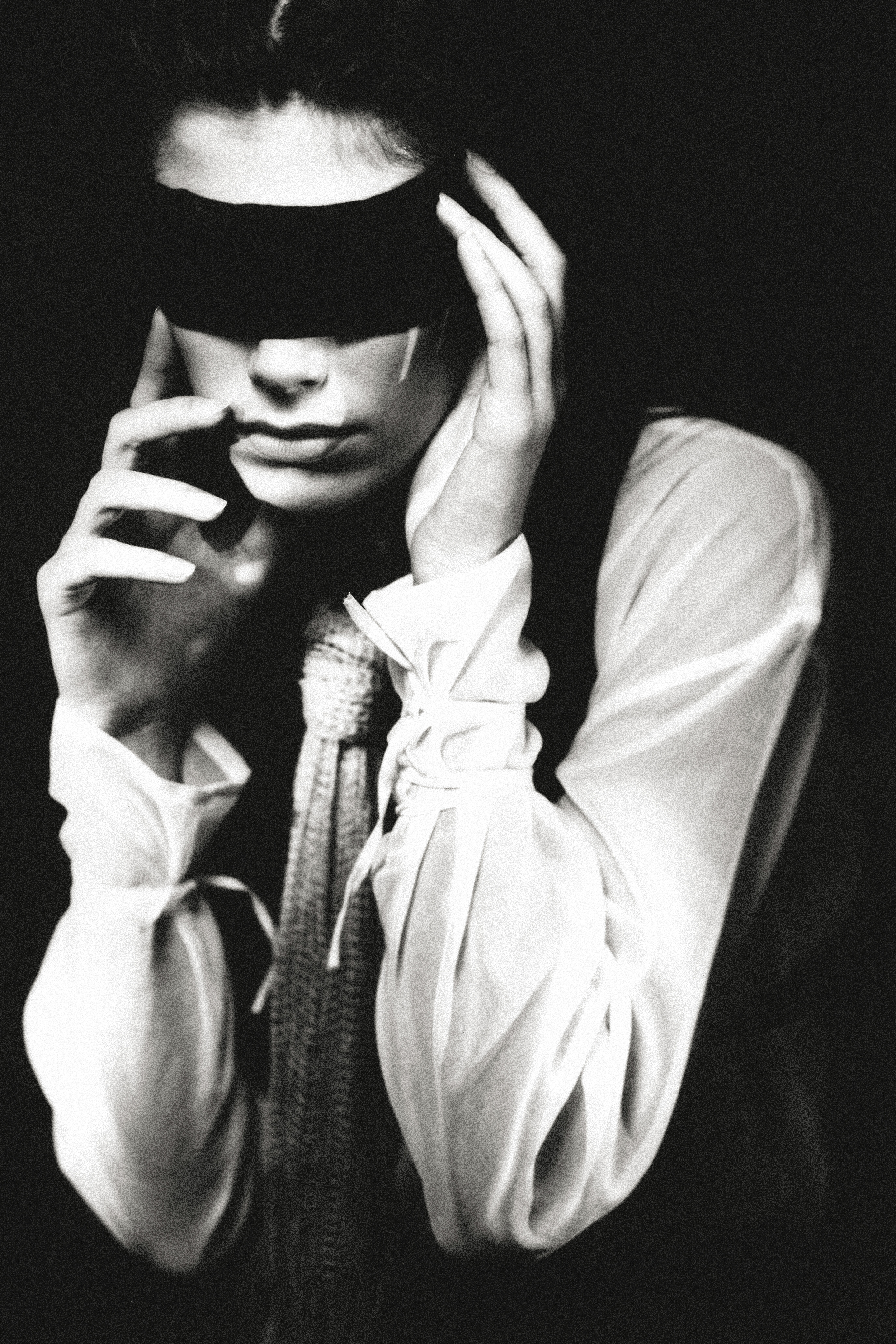
On a personal level, I feel fortunate to have witnessed the period when Belgian fashion reached a peak of international attention and creative recognition. I know many of the designers associated with the Antwerp Six, and at certain moments I even walked as a model in Paris shows, which gave me a direct, physical experience of that era. It was a time when fashion felt less like a closed system and more like an open space for exploration.
What remains striking, even today, is how artistic their approach is and has always been. Their work is extremely creative, different, and deeply conceptual. It carries a strong sense of authorship while remaining grounded in craftsmanship. This is precisely what fashion, at its best, should be.
As Kaat Debo, Director and Chief Curator of MoMu, notes: “Marking forty years is not about nostalgia. We use this exhibition as a lever to start a dialogue about talent. Forty years ago, the Antwerp Six were emerging talents. How do we nurture, support and challenge talent today, in a very different industry? Their story feels urgently relevant. Not as a look to replicate, but as a mindset: creative autonomy, attention to craftsmanship, and the courage to operate from the margins.”
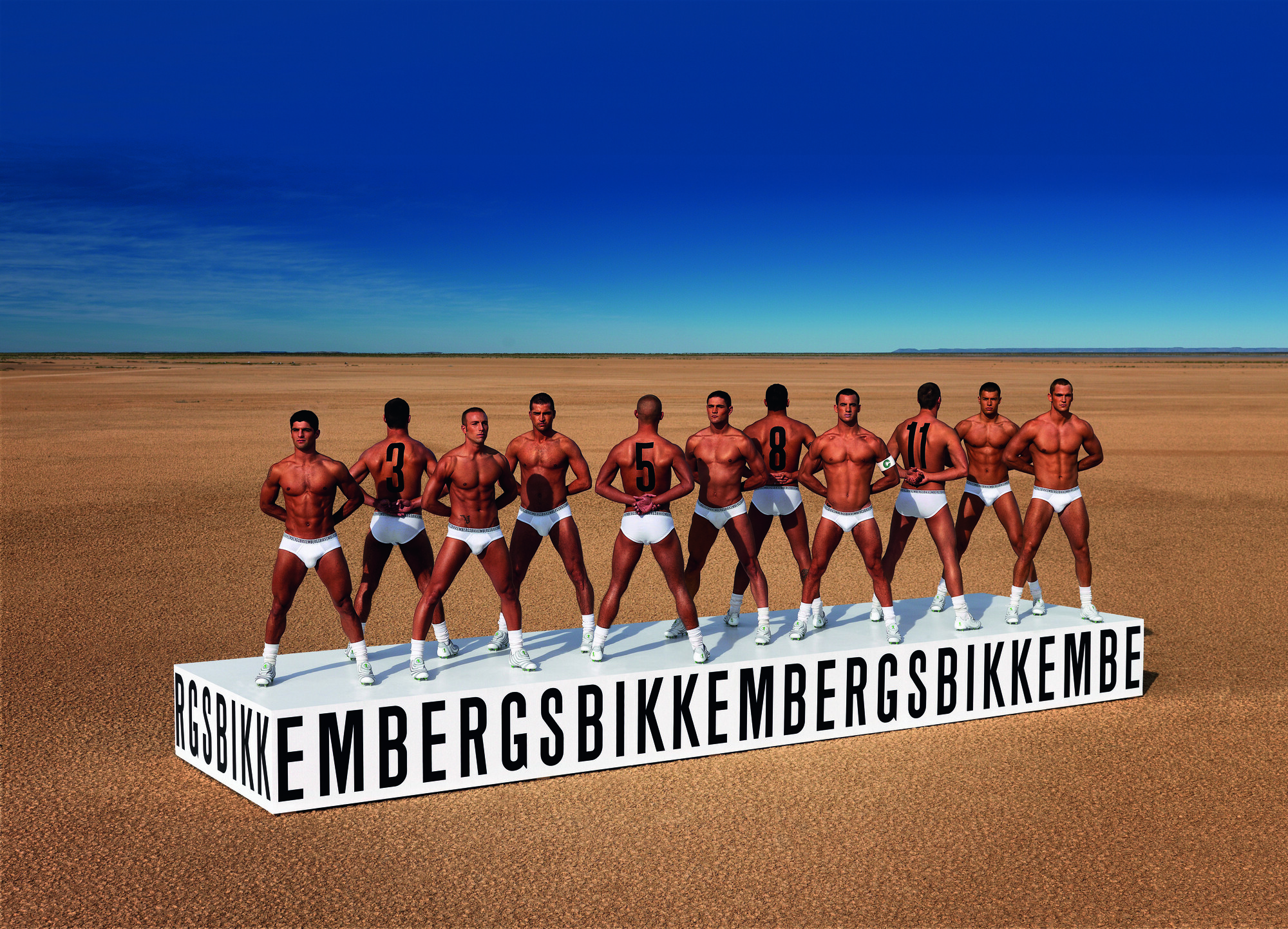
Seen from today’s perspective, the exhibition does not simply look back. It reopens a conversation about independence, education, and creative risk. The Antwerp Six remain a reminder of what becomes possible when designers are allowed to develop their own language without compromise, and when fashion is treated as both art and experiment.
The exhibition is presented at the ModeMuseum Antwerpen (MoMu) in Antwerp, Belgium, and runs until January 17, 2027.
Photos: Courtesy of the Mode Museum Antwerp