The Stories We Become: A New Chapter for a Visual Storyteller
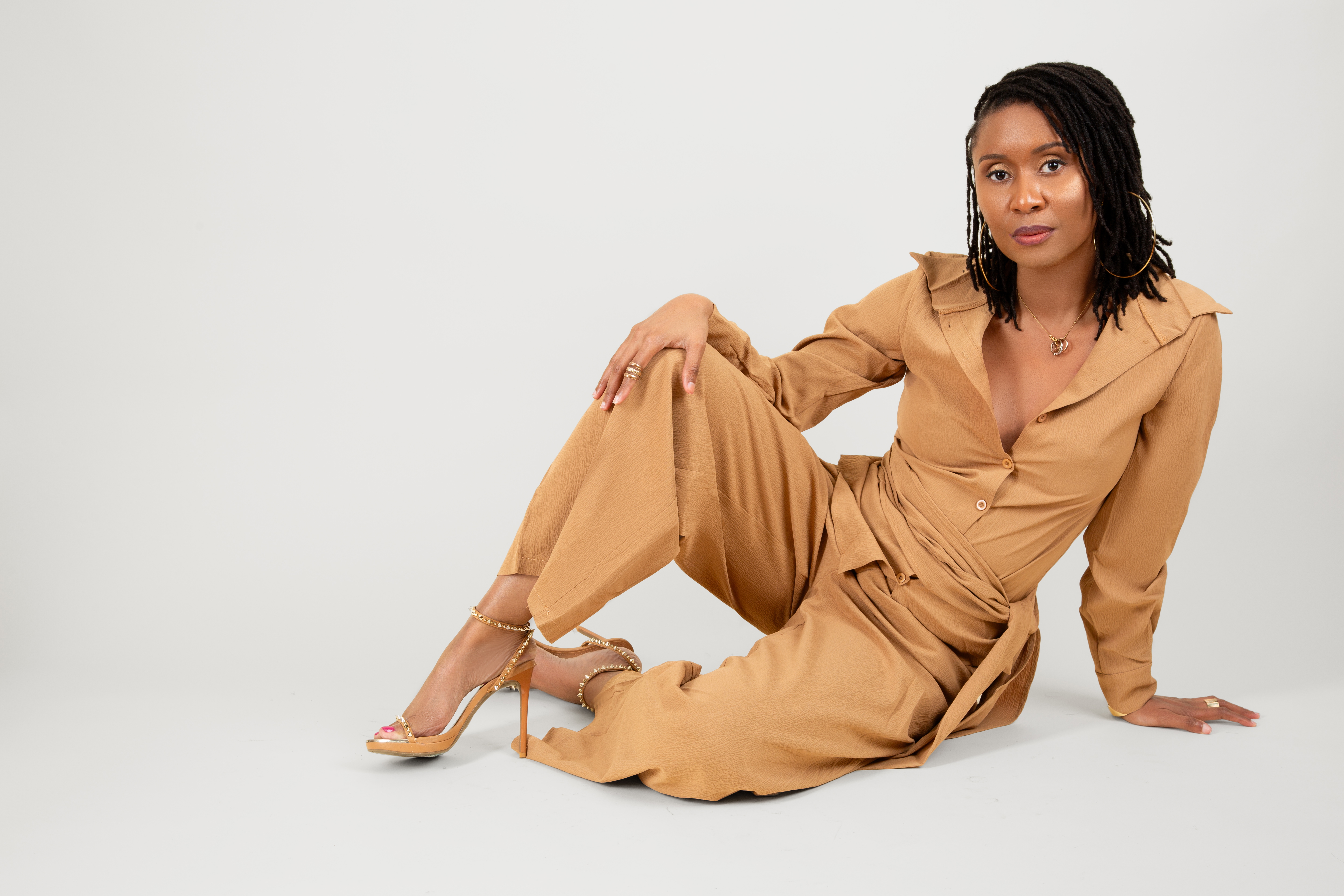
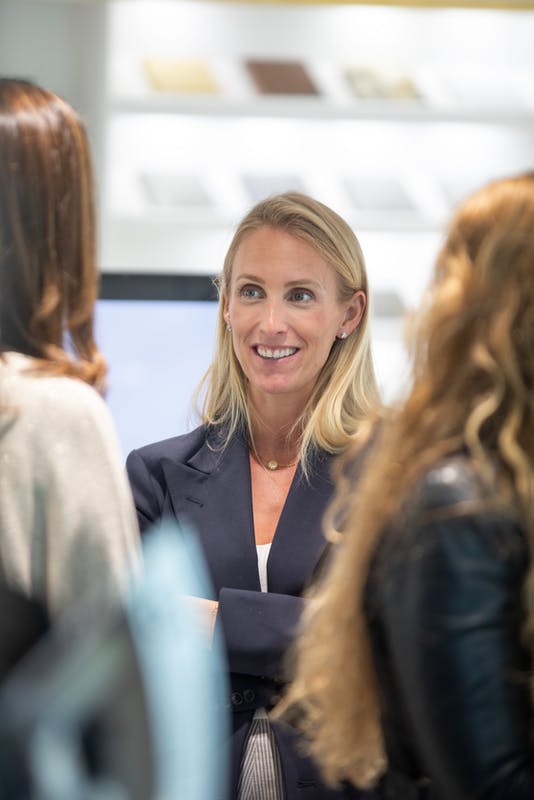

There are artists for whom storytelling remains inseparable from a particular medium. For Francesca Andre, the medium has changed, but the instinct to tell stories has remained constant. Once rooted primarily in photography and filmmaking, her creative practice has gradually expanded into children’s literature, public speaking and literacy advocacy, opening a new chapter in a body of work concerned with identity, representation, motherhood and the emotional experiences that shape us.
The transition was born from a deeply personal period. At the time of our earlier collaboration, she was navigating grief, motherhood and the question of how to preserve her identity as an artist while so much of her life had been transformed. Photography became a form of resistance, a way of holding on to her creative self when other parts of her world had shifted.
Writing eventually offered a different kind of space. “It allows me to document what I feel, to be vulnerable,” she explains, describing a process through which experiences of loss, patience, resilience and transformation could be explored without the boundaries of a camera frame. Becoming a children’s author also allowed her to revisit her own childhood imaginatively, creating the kinds of stories she wishes she had encountered growing up.
Her first book, I Am A Phenomenal Black Boy, emerged in 2020, a moment marked by profound social unrest and conversations around race, representation and belonging. At its centre was a message she wanted her son to carry with him: that his life matters, that his presence is not a threat and that he has the right to occupy space in the world. Years later, that message has not diminished. If anything, motherhood has made her more conscious of the importance of helping children develop an inner voice strong enough to withstand the noise around them.
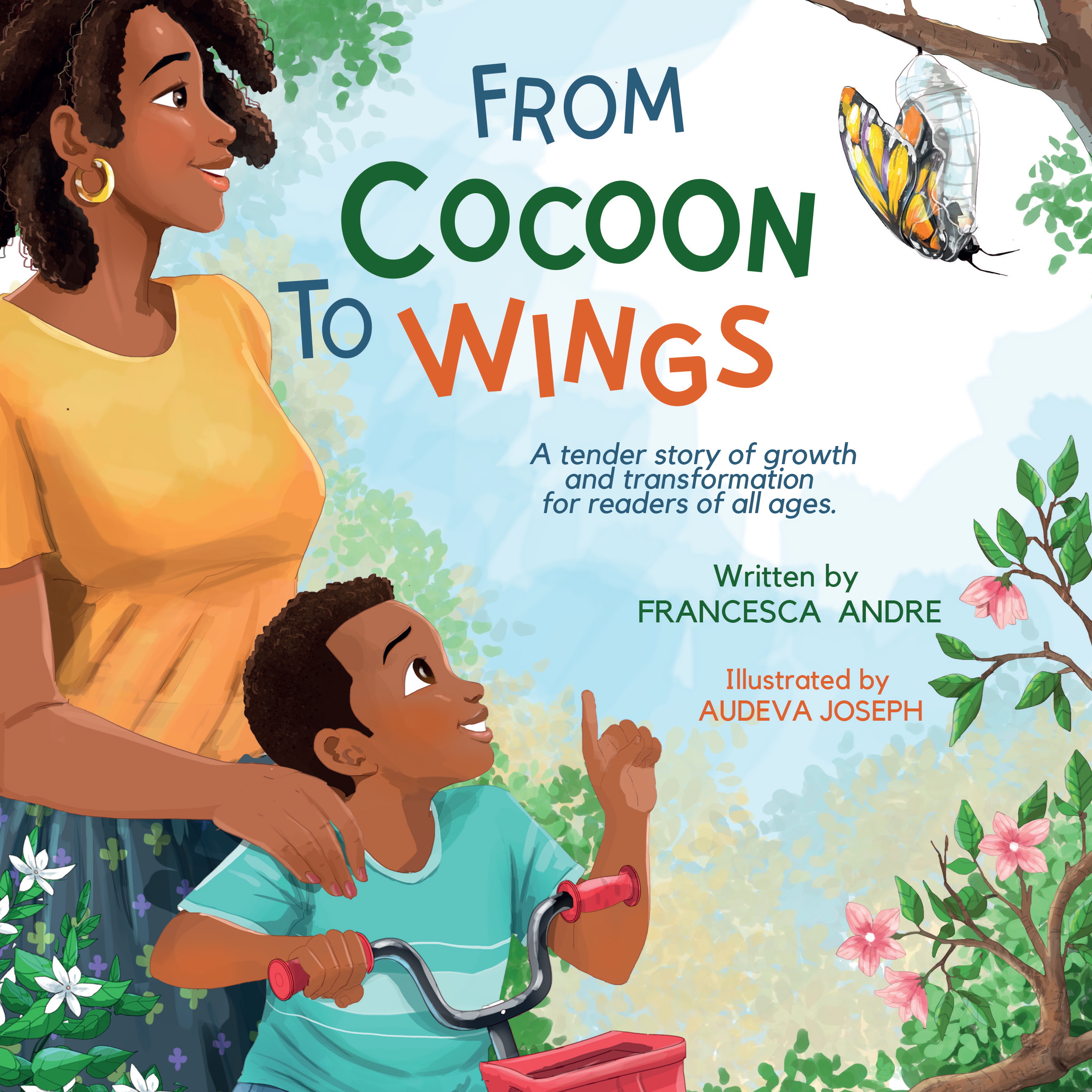
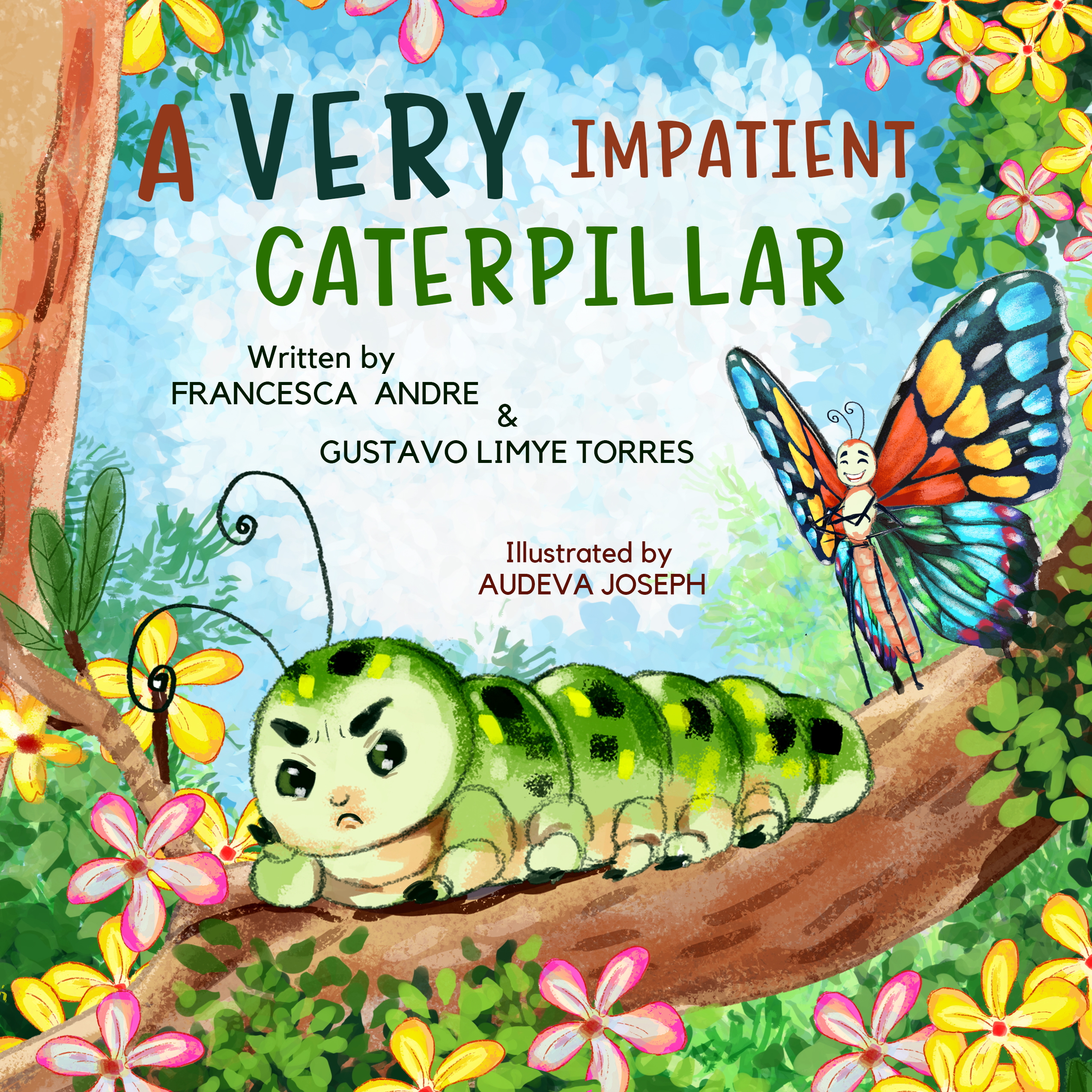
Her subsequent books, including From Cocoon to Wings and A Very Impatient Caterpillar, turn towards transformation. The butterfly is an obvious symbol, but in her hands the metaphor becomes personal. The cocoon represents grief and the long, uncertain period before change becomes visible. The caterpillar, meanwhile, captures the impatience that can accompany any difficult transition: the desire to move forward before we are ready.
“I want my wings now,” she admits. Yet her understanding of transformation has become more patient with time. From Cocoon to Wings follows a young boy learning to ride a bicycle while observing a caterpillar becoming a butterfly, connecting two very different forms of growth. The story reflects her belief that children need language for experiences they may not yet know how to articulate. Change, disappointment, grief and uncertainty can be difficult to explain, but a story can give those feelings a shape.
Her approach to writing remains deeply connected to her visual background. Yet when she begins a story, she says, it starts with a feeling rather than an image. She describes these feelings as almost sensory: something she can visualise, hear or smell before the story has found its final form. This instinct has remained from her years behind the camera, when a narrative could begin with a particular atmosphere or image.
There is also a growing distance between experience and storytelling. She has learned to return to an idea after its initial intensity has passed and ask whether it still feels true. That process has become particularly significant in writing about transformation, where lived experience provides the foundation but reflection gives it form.
This distinction is central to her work with children. She does not want to shield young readers from difficult subjects, but neither does she want those subjects to overwhelm childhood. Her own experience as a mother has taught her that children can encounter grief, absence, disappointment and questions of identity while still retaining their capacity for imagination, joy and wonder. The challenge is to create a space where both can exist.
That philosophy extends beyond her books through the Grow Into Our Wings Literacy Experience, which brings reading and storytelling into libraries and communities. Meeting children and families directly has reinforced her belief that children often understand far more emotionally than adults assume. What they may lack is the vocabulary to express it.
A familiar character or situation can provide that vocabulary. A child recognising something of their own experience in a story can discover that they are not alone, while a parent or teacher may find an opening for a conversation that might otherwise be difficult to begin. In this sense, books become a meeting point between imagination and emotional education.
For Francesca, the purpose of storytelling is ultimately connected to what children carry with them into adulthood. She recalls being around eleven or twelve and taking entrance examinations for several schools. Although she performed well at most of them, one unsuccessful result became, over the years, a story others used to suggest that she was not good enough. As an adult and a mother, she recognised how easily a single experience can become a fixed narrative about who we believe ourselves to be.
She has since used that memory to help her own son understand disappointment differently: as an experience from which something can be learned rather than a verdict on his worth.
It is perhaps here that her journey from visual artist to author becomes clearest. The camera once allowed her to preserve moments; writing now gives her a way to reshape the meaning we attach to them. Her stories are concerned with the space between who we are, what happens to us and who we are still becoming.
And that process, she suggests, is never finished. For the children reading her books, becoming is not a destination but an ongoing story; one in which difficult chapters can exist without determining the ending.
.jpg)