Baku Art Weekend: An Artful Encounter with the City
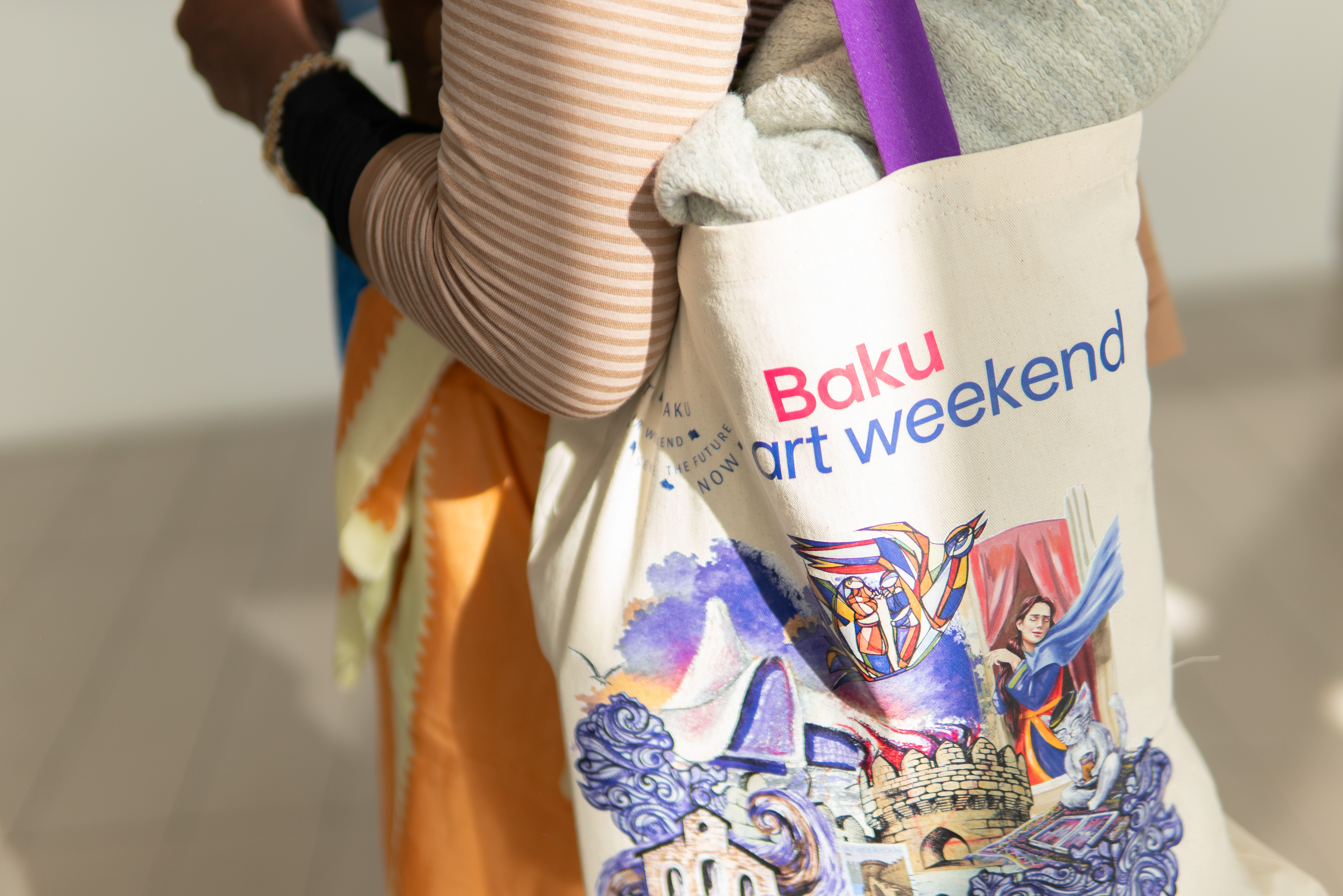
Baku is a city I am always happy to return to. Perhaps it is the combination of its long history, the Caspian Sea and the wind that sweeps through its streets, or the warmth of the people who give the city its particular character. Each visit reveals another layer. This time, I found myself looking at Baku through the eyes of its artists, with the second edition of Fly to Baku. Art Weekend. Sense the Future NOW, held from 30 October to 1 November 2026, providing the occasion. Founded in 2025 by Leyla Aliyeva, daughter of Azerbaijan’s President Ilham Aliyev and Vice-President of the Heydar Aliyev Foundation, the annual event brings together Azerbaijani and international artists, inviting visitors to experience the city through contemporary art.
Spread across museums, galleries, historic buildings and cultural spaces, the festival invited visitors to follow art through the city rather than remain within the walls of a single institution. Within Icherisheher, Baku’s UNESCO World Heritage-listed Old City, medieval walls, narrow lanes and former caravanserais formed an almost cinematic backdrop, and the centuries of Baku’s history had become the scenery for a new artistic chapter.
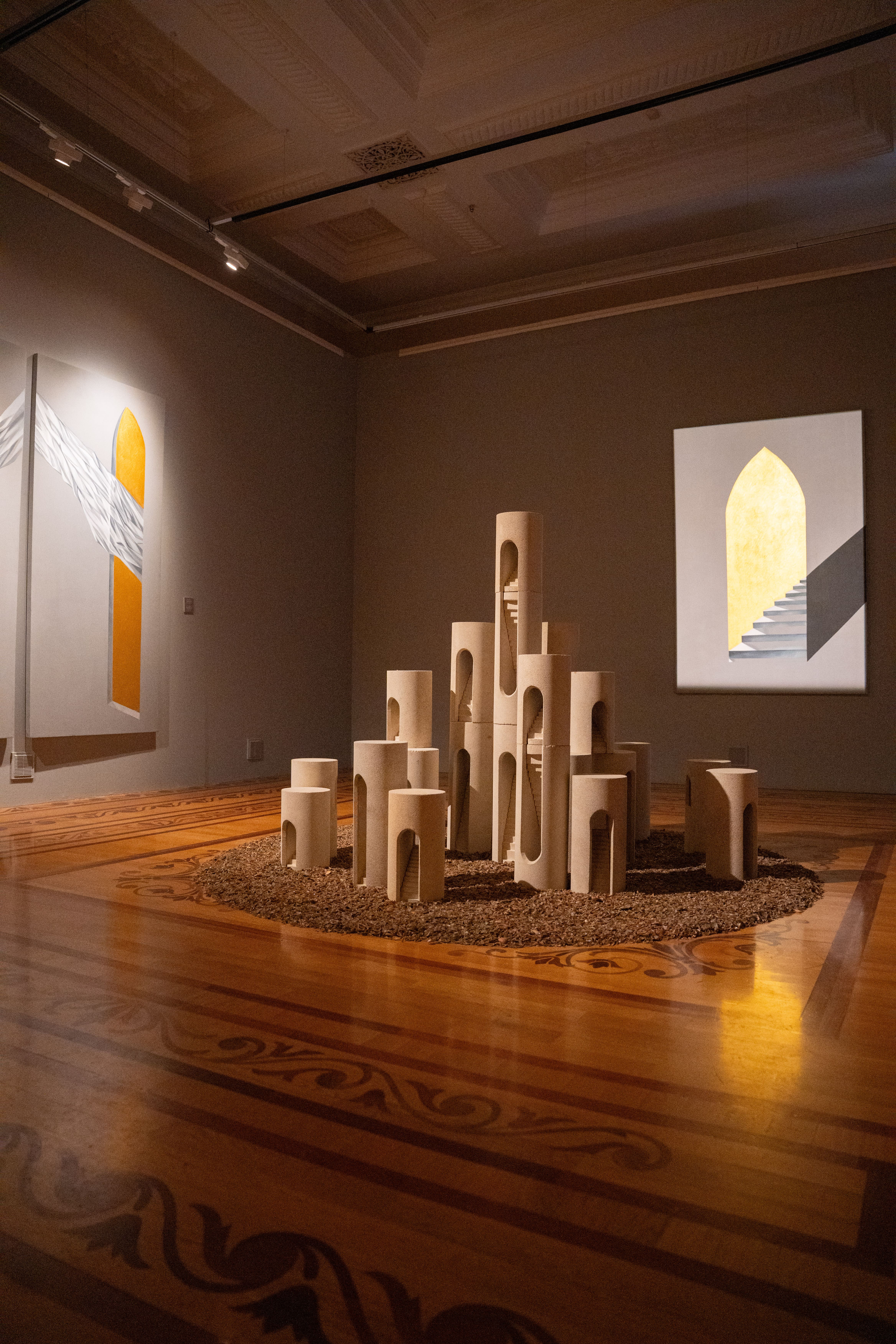
One of the festival’s most compelling connections with this history was Aidan Salakhova’s solo exhibition Maiden Tower, at the Azerbaijan National Museum of Art. Taking its inspiration from the legendary tower that has become one of Baku’s defining symbols, Salakhova revisited the familiar tale through sculpture and painting, questioning whether a story passed down through generations must always have the same ending.
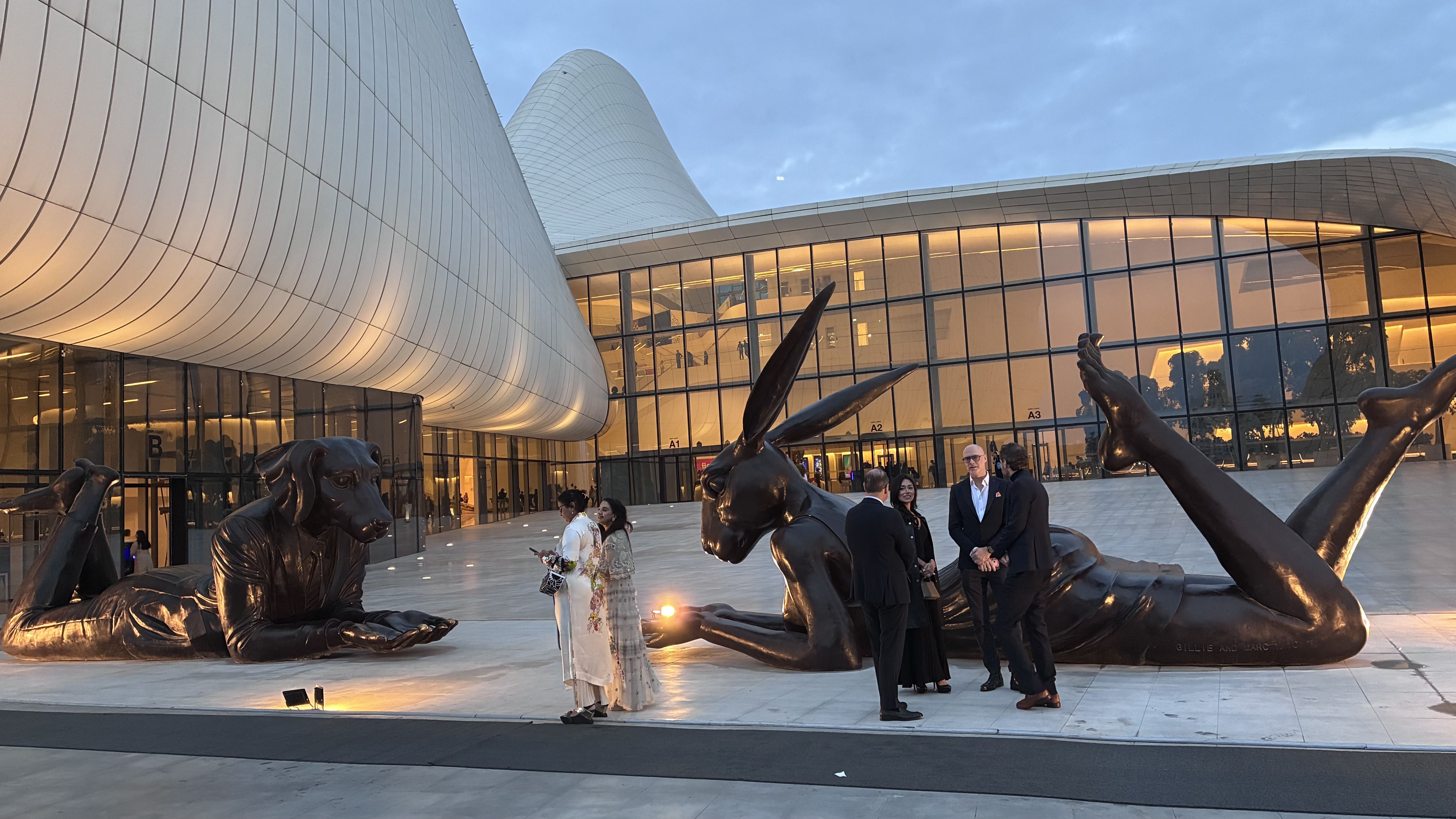
The international dimension of the programme was particularly striking. At the Heydar Aliyev Center, designed by Zaha Hadid, works by Judy Chicago, Michelangelo Pistoletto and Zhang Ji brought distinct artistic visions to Baku.
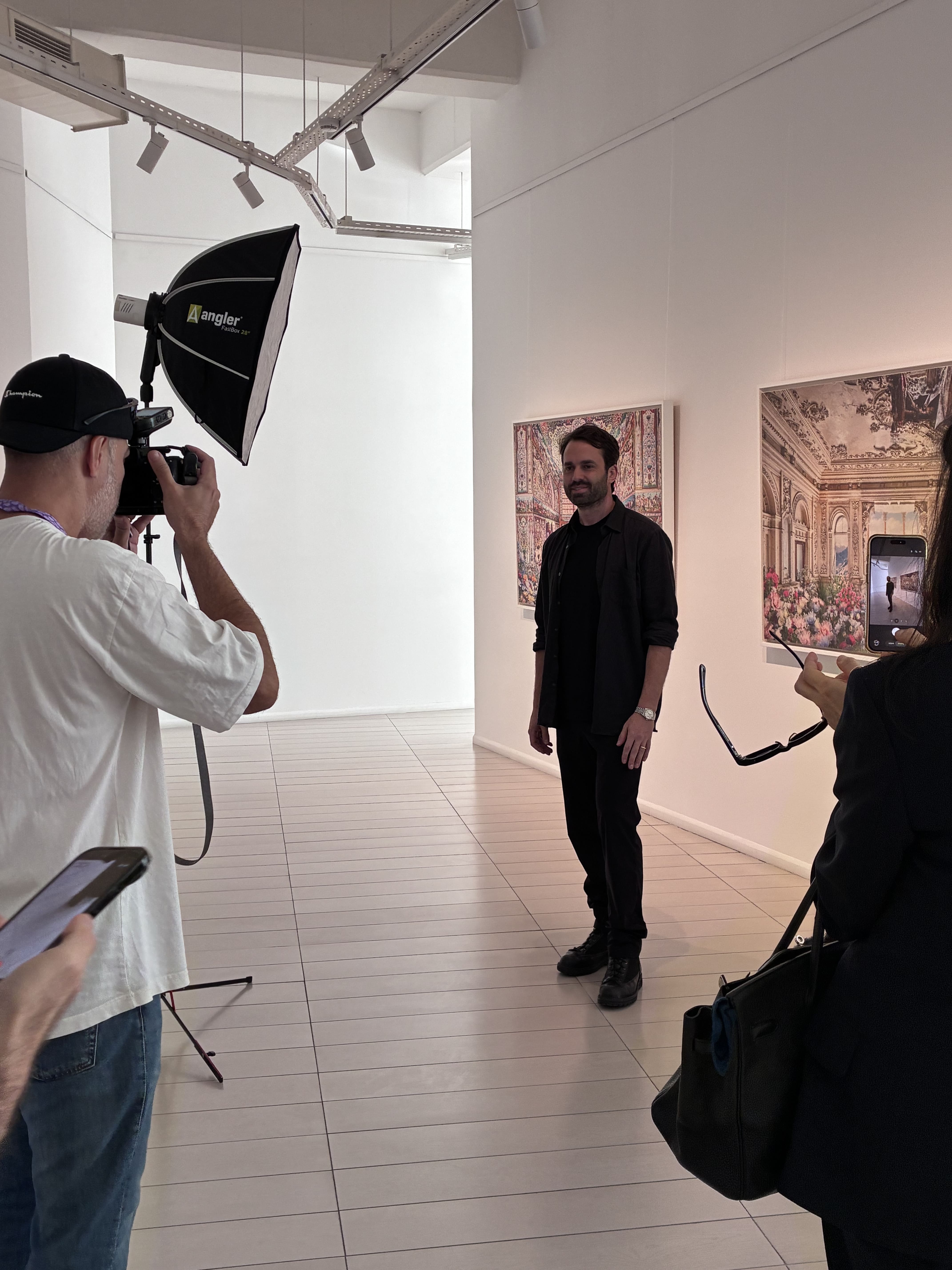
At the Museum of Modern Art, Two Perspectives on Transformation included The Wild Within, a collaboration between Ryan Koopmans and Alice Wexell, alongside Ori Gersht’s work. Koopmans and Wexell’s digitally transformed architectural spaces, with vegetation gradually taking possession of abandoned interiors, brought to mind a world in which nature reclaims places once shaped by human ambition. Digital art had a strong presence throughout the programme, opening up new ways of seeing and experiencing contemporary artistic practice.
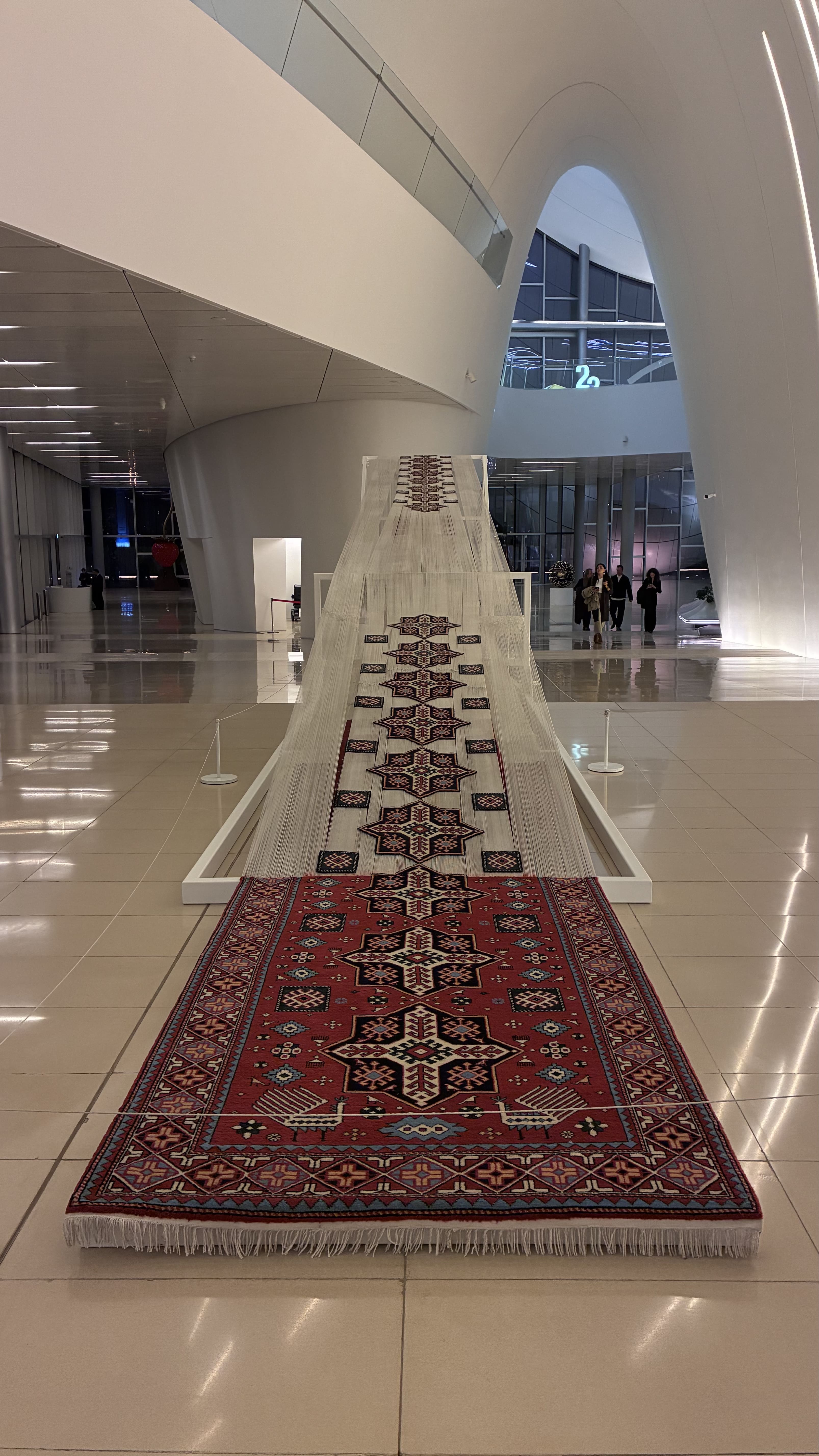
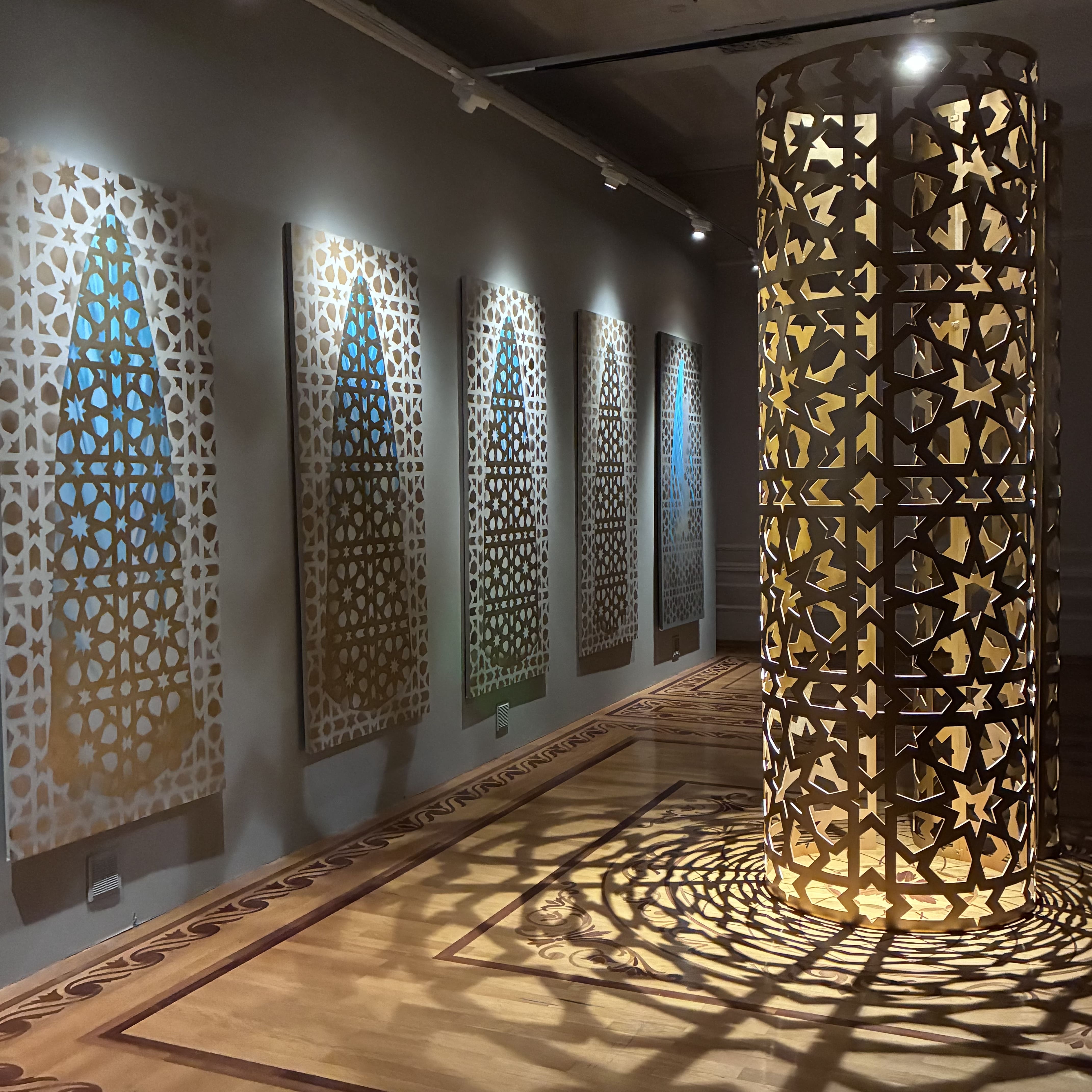
The work of Azerbaijani artists offered a different, equally absorbing perspective. At QGallery in the Old City, Beyond Memory, featuring Faig Ahmed and Farid Rasulov, explored questions of identity, memory and visual heritage. Ahmed’s inventive treatment of carpet patterns felt especially resonant in a country whose relationship with this craft reaches far beyond decoration.
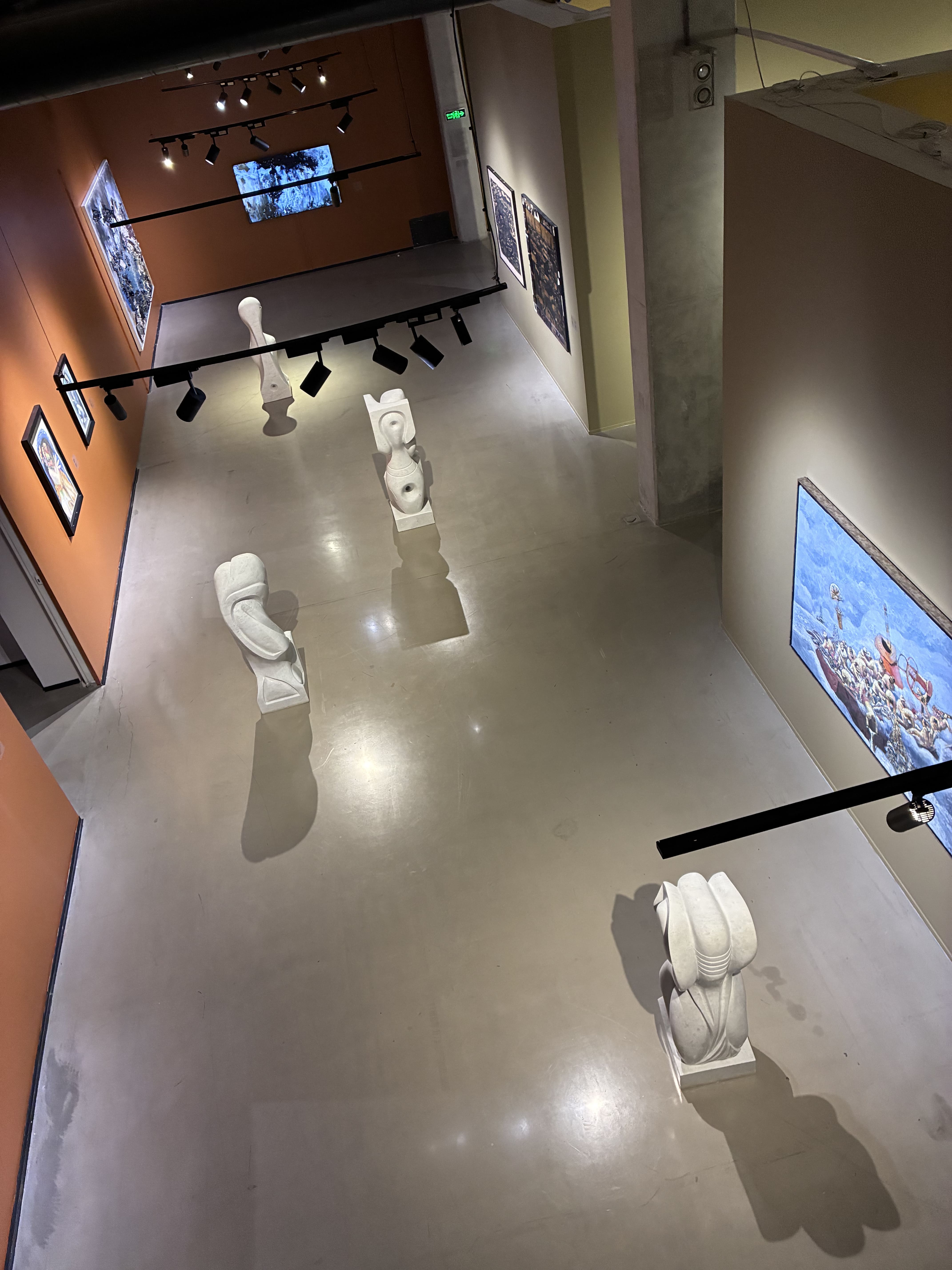
At the Stone Chronicle Museum, sculpture took centre stage, with works by Orkhan Nabizadeh and Elvin Nabizadeh exploring the relationship between material, history and contemporary artistic expression.
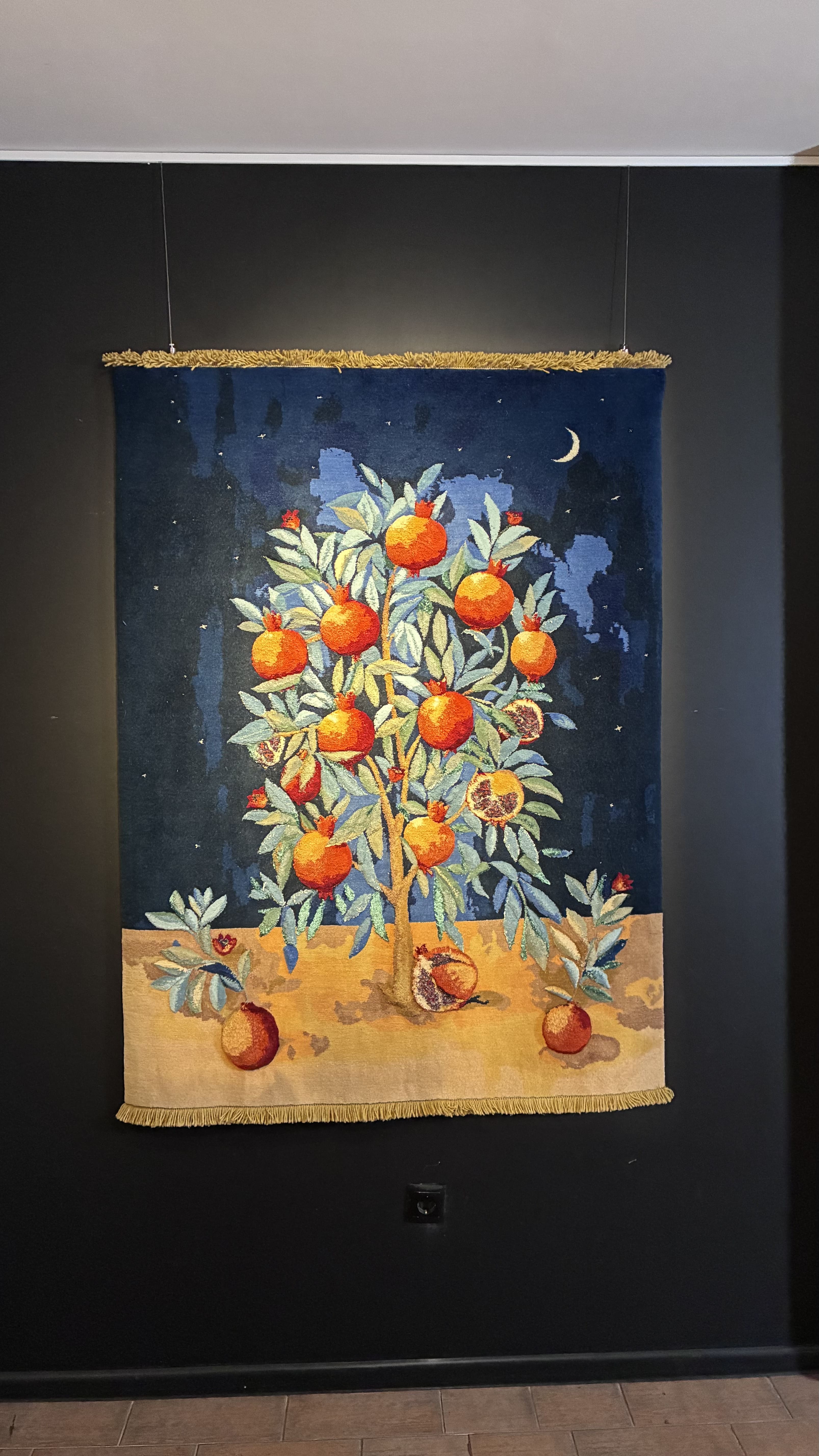
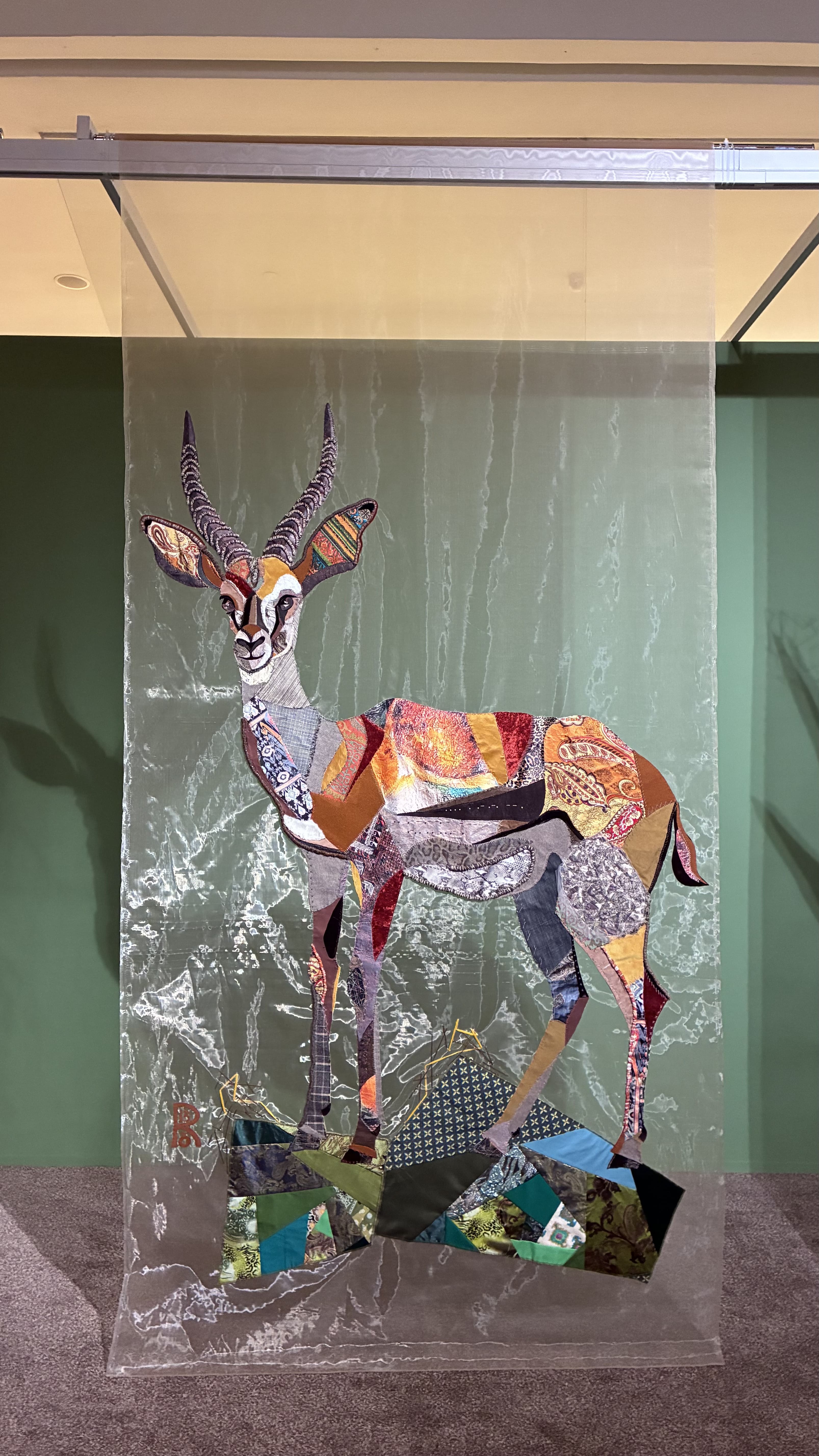
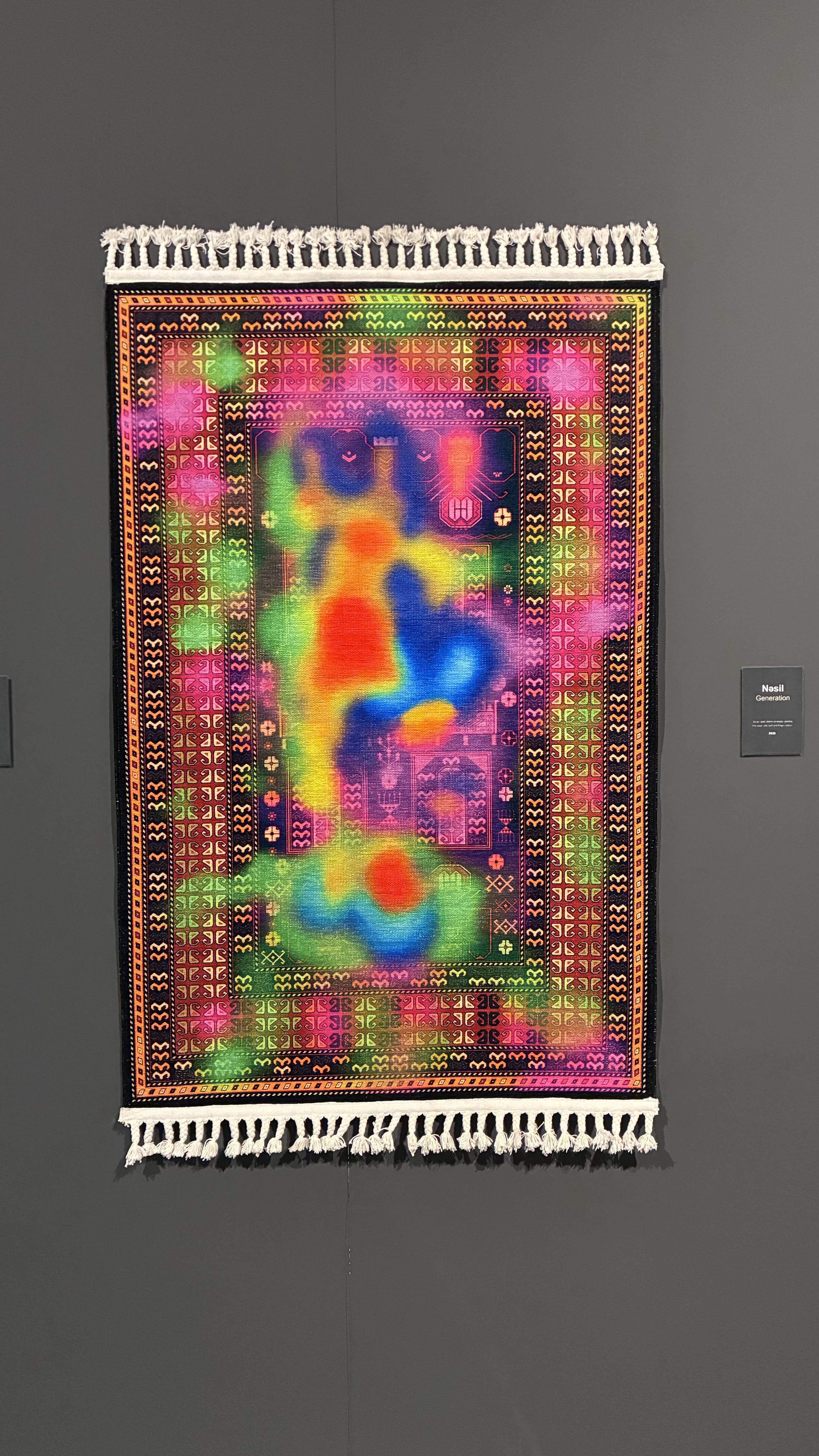
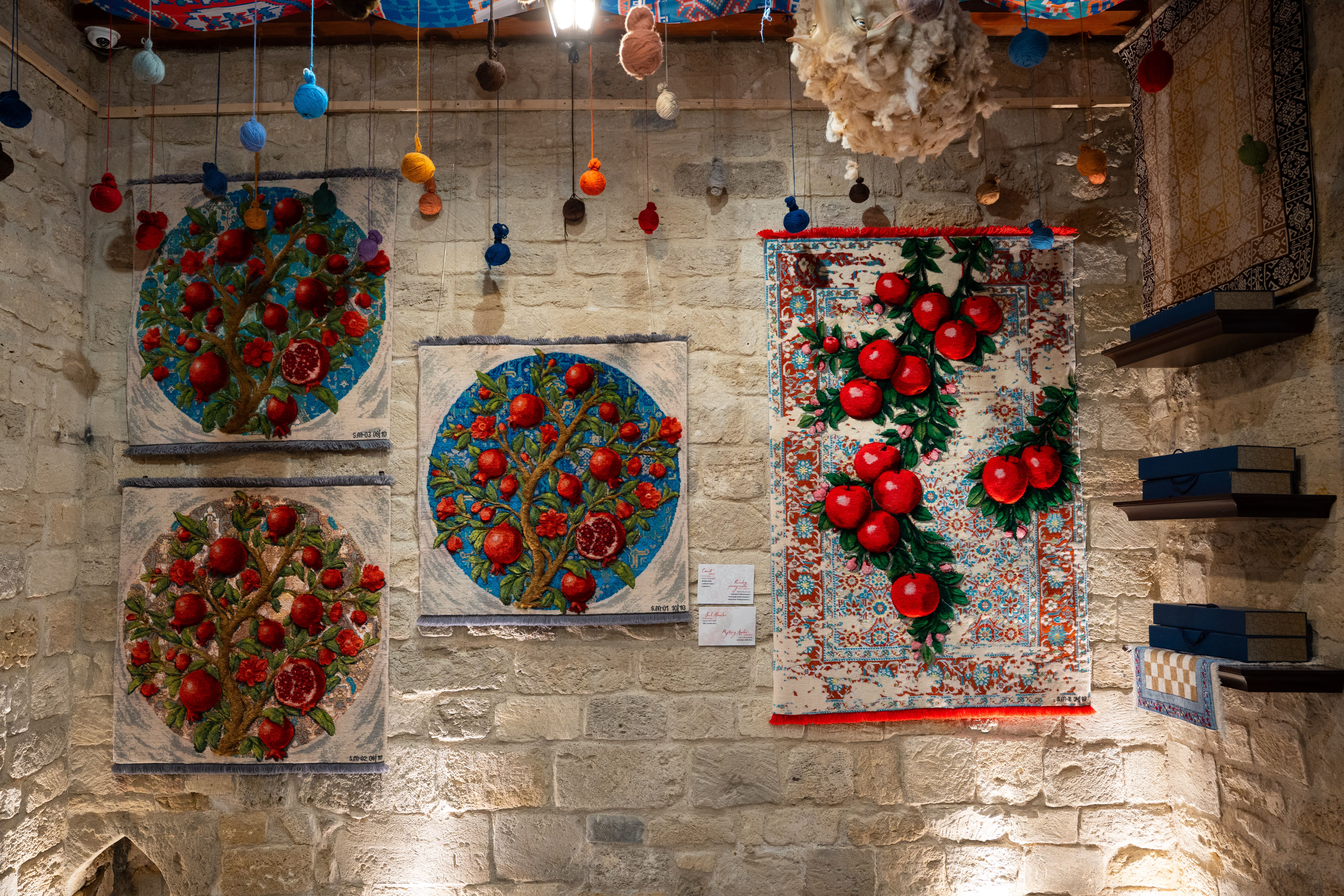
I visited the Azerbaijan National Carpet Museum, and on the third floor I was drawn to contemporary artists reinterpreting traditional Azerbaijani carpets through new techniques and artistic approaches. Looking at these works, I found myself thinking about how a cultural tradition can remain alive precisely because artists continue to question it, handle it differently and give it new forms.
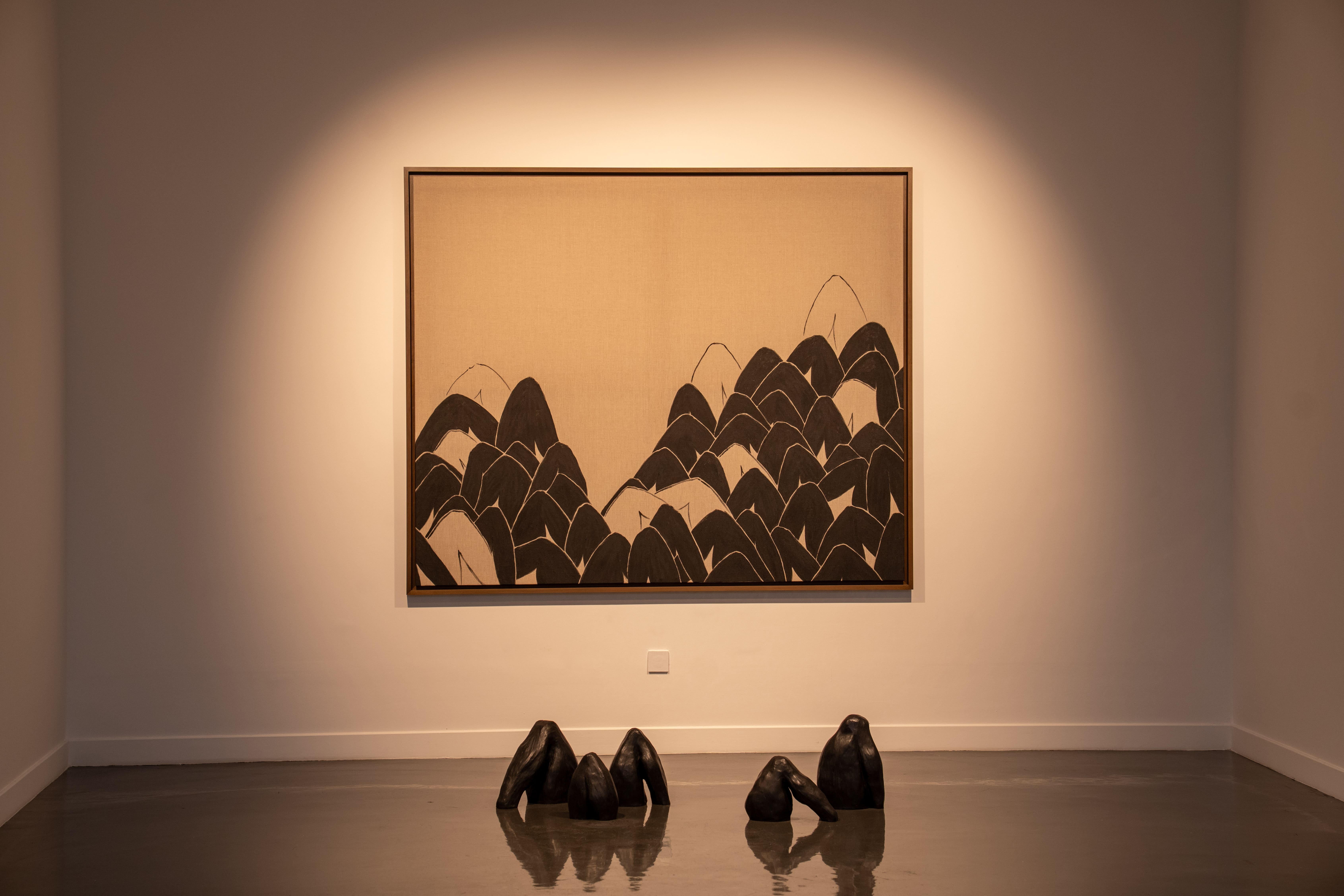
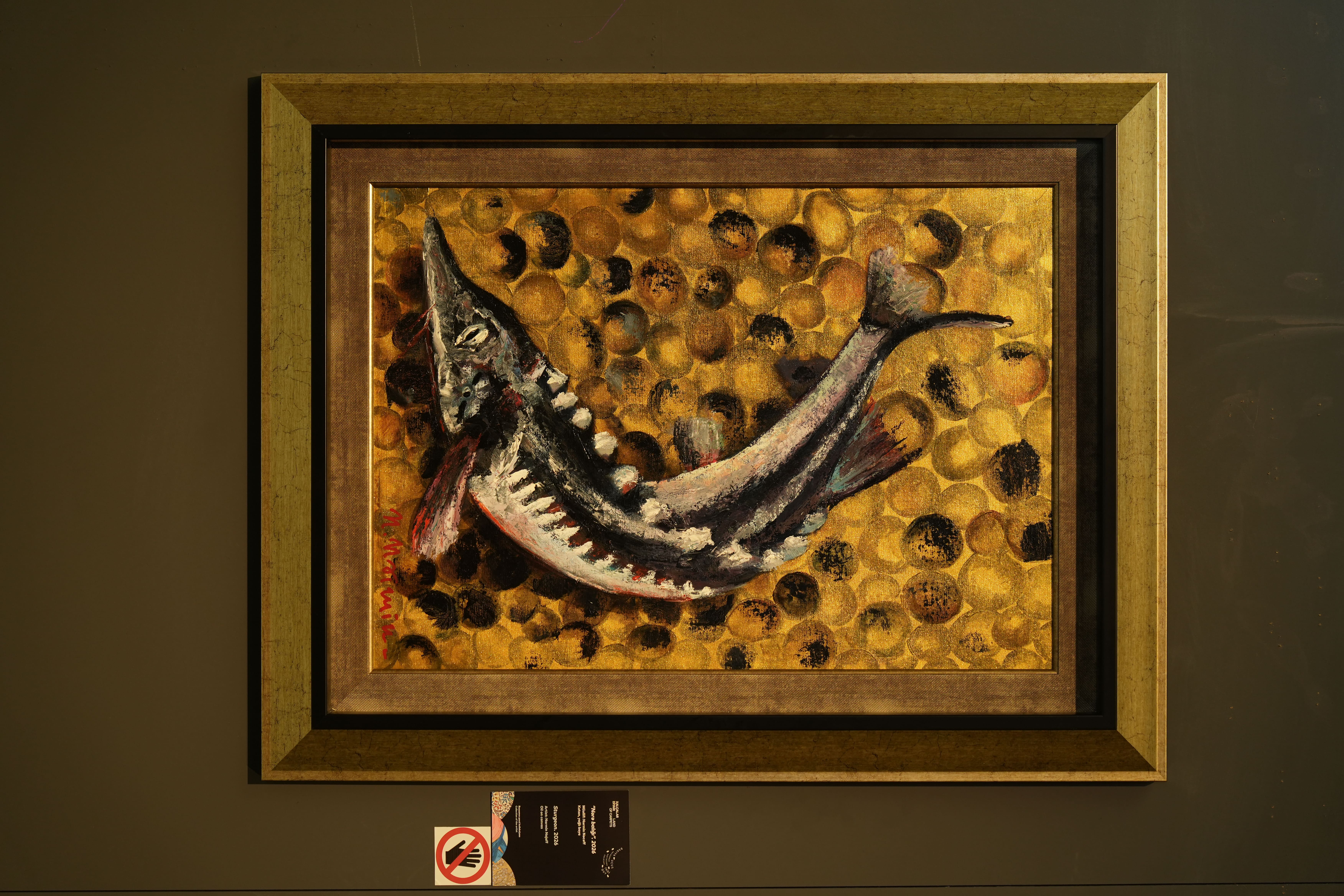
.jpg)
In my conversation with Emin Mammadov, I was curious about the journey that had brought the project back to Baku. Fly to Baku began as an initiative presenting Azerbaijani contemporary art to audiences abroad, travelling to different cities before returning to its place of origin. Following the first Baku edition in 2025, the intention is to make the Art Weekend an annual event, while continuing to take the project and its artists to international platforms. Mammadov spoke with enthusiasm about the response from local visitors. He also described how younger artists bring their own friends and followers into the programme, encouraging people to discover exhibitions they might not otherwise have encountered. The festival app offered visitors a practical way to explore the programme and plan their route between venues.
And then there is Baku itself, which is difficult to leave outside any account of the experience. Its young generation is very much in view: students, schoolchildren and young professionals, many with a distinct sense of personal style. Fashion is part of the city’s everyday visual language, while restaurants, music and a lively evening scene give its streets an energy that continues well after sunset.
In the Old City, the restaurant Kurban Said recalls Ali and Nino, the novel set in Baku between 1909 and 1920, first published in Vienna in 1937 under that pseudonym. A short walk away, the old caravanserais bring to mind the merchants who once passed through Baku along the historic routes connecting East and West. The Philharmonic, the Puppet Theatre and the International Mugham Center reveal other sides of the city’s cultural life, while the Caspian Sea and its winds are never far from the picture.
Baku Art Weekend gave me the opportunity to encounter a city I already feel drawn to through the eyes of artists, both local and international. I left thinking about the many ways a place can hold on to its past without standing still.
In Baku, centuries of history are part of the streets, the architecture and the everyday lives of its people, while contemporary art opens new perspectives and points the way towards the future.
related posts

Art & Culture
MATTERS OF MATERIAL: Supporting Art with a Conscience
, 1983 (Foto Vaclav Sedy).jpg)
 and Mette Degn-Christensen, Director of Downtown Design.jpg)