Changes of Creative Directors in Fashion: Renewal or Confusion?
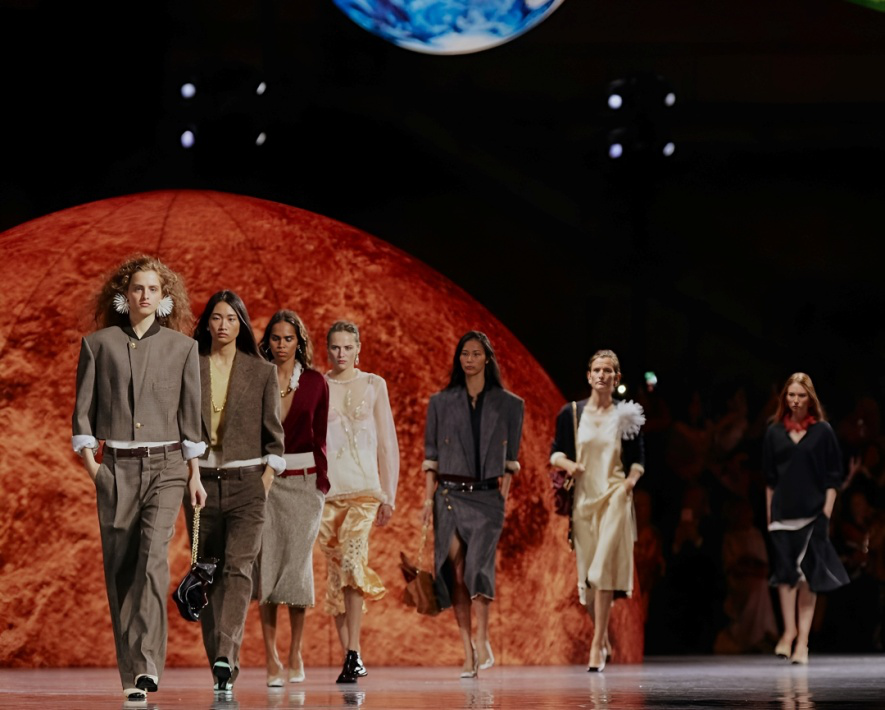
What is the job description of a creative director? What is on their daily to-do list? We have to tell you, it’s definitely a long one. Being responsible for defining a brand’s visual language, creative directors are the heart and the brains of a fashion house, sitting at the intersection of art, commerce and identity. Recently, however, fashion has witnessed an unprecedented wave of creative director shifts. Major luxury houses and emerging labels alike have seen rapid turnovers, surprise appointments and abrupt exits. This phenomenon raises a critical question: do these changes represent renewal and evolution or do they bring about confusion and instability within the industry?
The rise of creative director turnover
“Musical chairs” is a game the fashion industry did not use to play in the past. Fashion houses were defined by long creative tenures. Designers such as Karl Lagerfeld at Chanel built decades-long legacies that allowed for gradual evolution and deep brand coherence. Today, that model has largely dissolved. There were fifteen debuts only in spring-summer 2026 season alone. What a record that was! Creative directors are often given only a few seasons to prove their value before being replaced, sometimes without a clear narrative or transition.
Several factors have contributed to this acceleration. First, the fashion calendar itself has intensified. With multiple collections per year—ready-to-wear, pre-collections, capsules, collaborations—creative directors are under constant pressure to deliver novelty. Second, the influence of social media and instant feedback has shortened the patience of both consumers and executives. A single poorly received collection can trigger backlash and fuel calls for change.
Fresh vision and cultural relevance
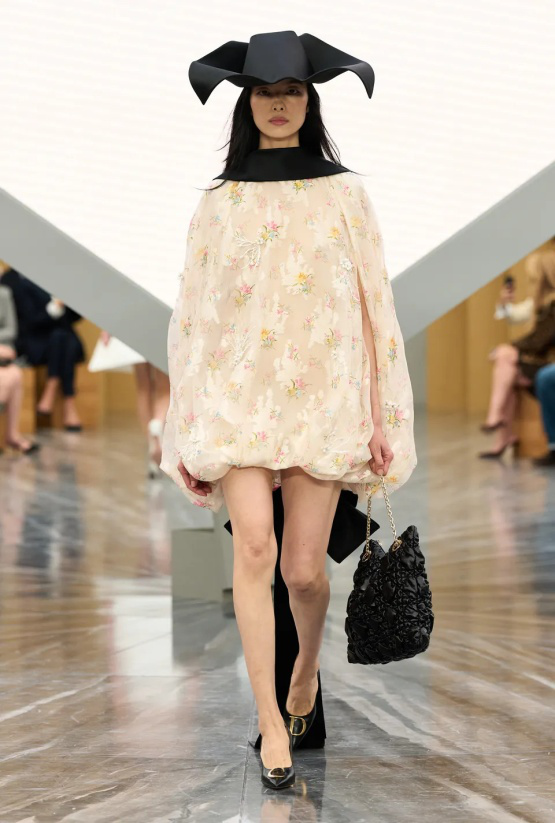
From an optimistic perspective, changing creative directors can be a powerful tool for renewal. Fashion is after all, by nature, reflective of its time. New leadership can inject fresh ideas, challenge outdated codes and reconnect a brand with contemporary culture.
A new creative director often brings a distinct view shaped by different backgrounds which can introduce brands to new audiences. For example, appointments of designers with strong streetwear, digital or multicultural influences have helped houses modernize their image and expand their global appeal. In these cases, change is not a rejection of heritage but a reinterpretation of it.
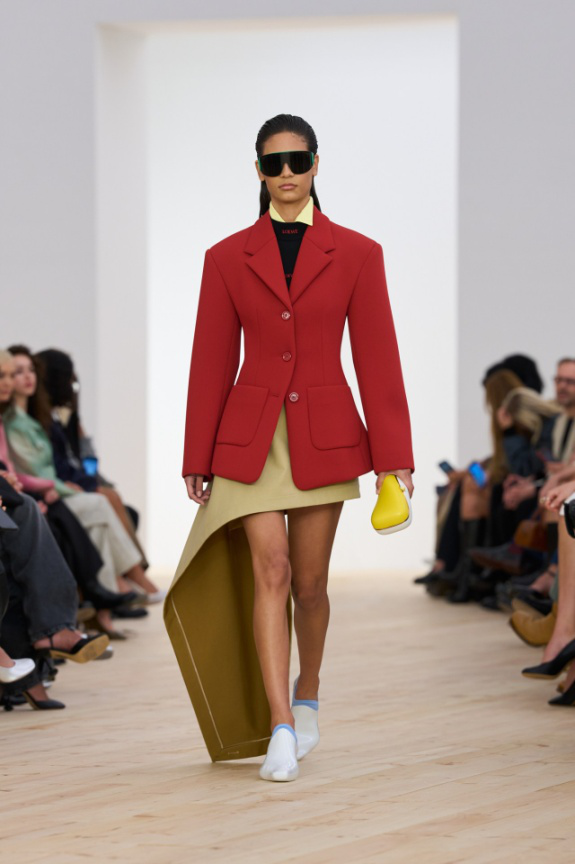
Moreover, renewal can be commercially effective. A highly anticipated debut collection can generate media attention, boost sales and reposition a brand in a crowded market. A change at the top can function as a strategic reset, signaling ambition and momentum to investors and consumers alike.
Confusion: Loss of identity
Yet, the downside of frequent creative director changes is equally evident. When turnover becomes too rapid brands risk losing their identity. Fashion thrives on storytelling and storytelling requires continuity. Abrupt shifts in aesthetic and values can leave consumers confused about what a brand stands for.
This confusion is especially damaging for heritage houses whose value lies in a recognizable DNA. If each new creative director radically redefines the brand without a clear thread connecting past and present, the result can feel disjointed rather than innovative. Collections may appear more like personal portfolios than chapters in a coherent brand story.
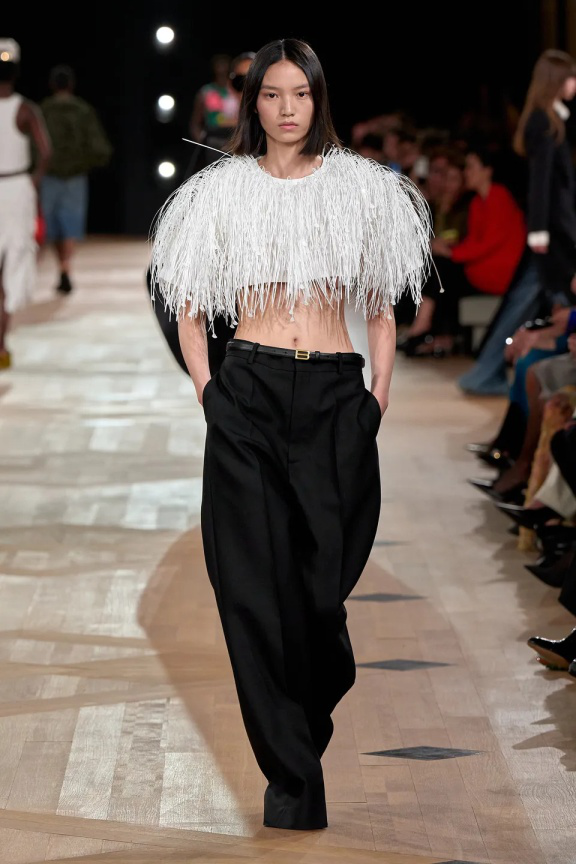
The financial pressure factor
Luxury fashion is increasingly driven by conglomerates, shareholders, and quarterly results. Creative directors are no longer judged solely on artistic merit, but on their ability to generate growth, virality, and cultural buzz. Therefore, if a designer’s vision does not translate quickly into sales or online engagement, leadership may opt for replacement rather than long-term investment. As a result, creative direction may end up being shaped more by market trends than a house’s philosophy.
Ironically, this short-term thinking can undermine the very success companies seek. Without time to mature, bold visions may never reach their full potential.
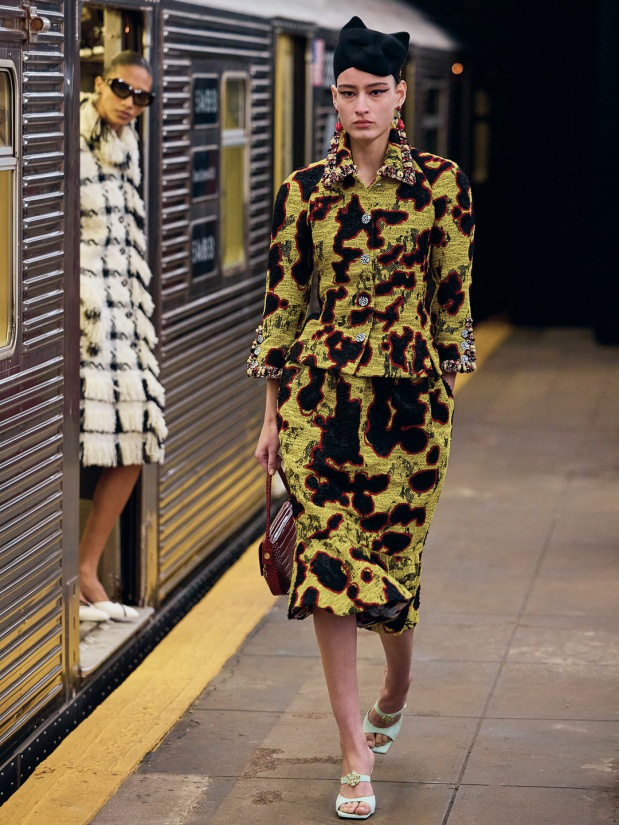
Designers as brands themselves
Another shift complicating the issue is the rise of the number of designers working for a major house and also managing their personal brands at the same time. Today’s creative directors often own established personal firms which can be advantageous; however, it can also blur the line between designer identity and brand identity. When a creative director’s personal aesthetic overshadows the house they lead, the latter risks its core values and relevance.
Finding balance
The question is not whether creative director changes are good or bad, but how they are managed. Renewal does not require erasure and evolution is not favored by constant disruption. The most successful transitions are those grounded in deep research, respect for heritage and a long-term vision. This balance enables innovation. Similarly, giving designers time fosters more meaningful and sustainable change.
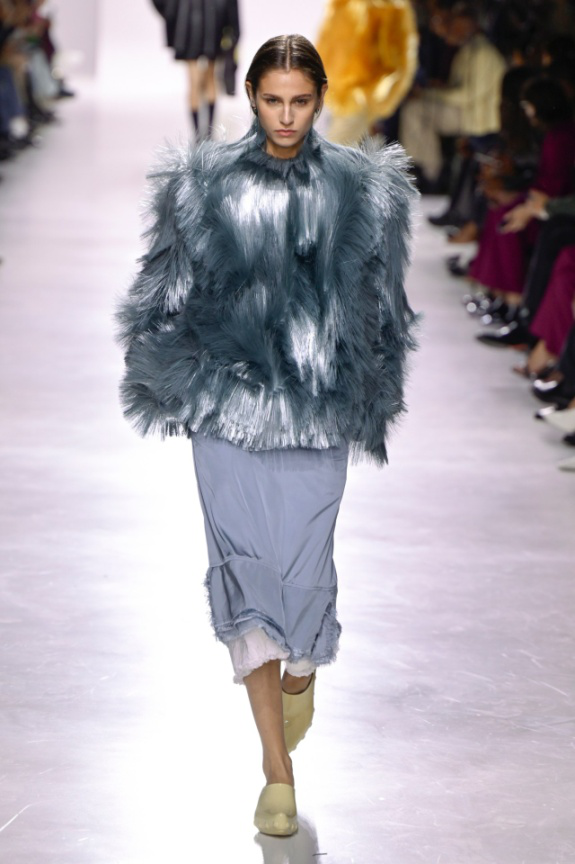
The frequent changes of creative directors in fashion reflect both the dynamics and the volatility of the industry today. At their best, these shifts can rejuvenate brands and amplify diverse voices. At their worst, they reveal uncertainty, impatience, and a lack of strategic clarity. The challenge for the industry though lies in transforming moments of change into opportunities for growth rather than symptoms of instability.
.png)