De-Signing Fashion: How Paris College of Art Is Rethinking the Role of Designers
.jpeg)
The MA in Critical Fashion Practices arrives at a moment when fashion’s authority feels fragile. Overproduction, rigid hierarchies, and exclusionary systems have made the industry feel distant from the realities of everyday life. Rather than responding with surface-level sustainability fixes, the program proposes something more radical: “de-sign.”
“The fashion industry is at a turning point, one that demands not just innovation, but critical reflection and radical rethinking,” says Lucas Maethger, Chair of the program. “We believe that it is time to start De-Signing.”
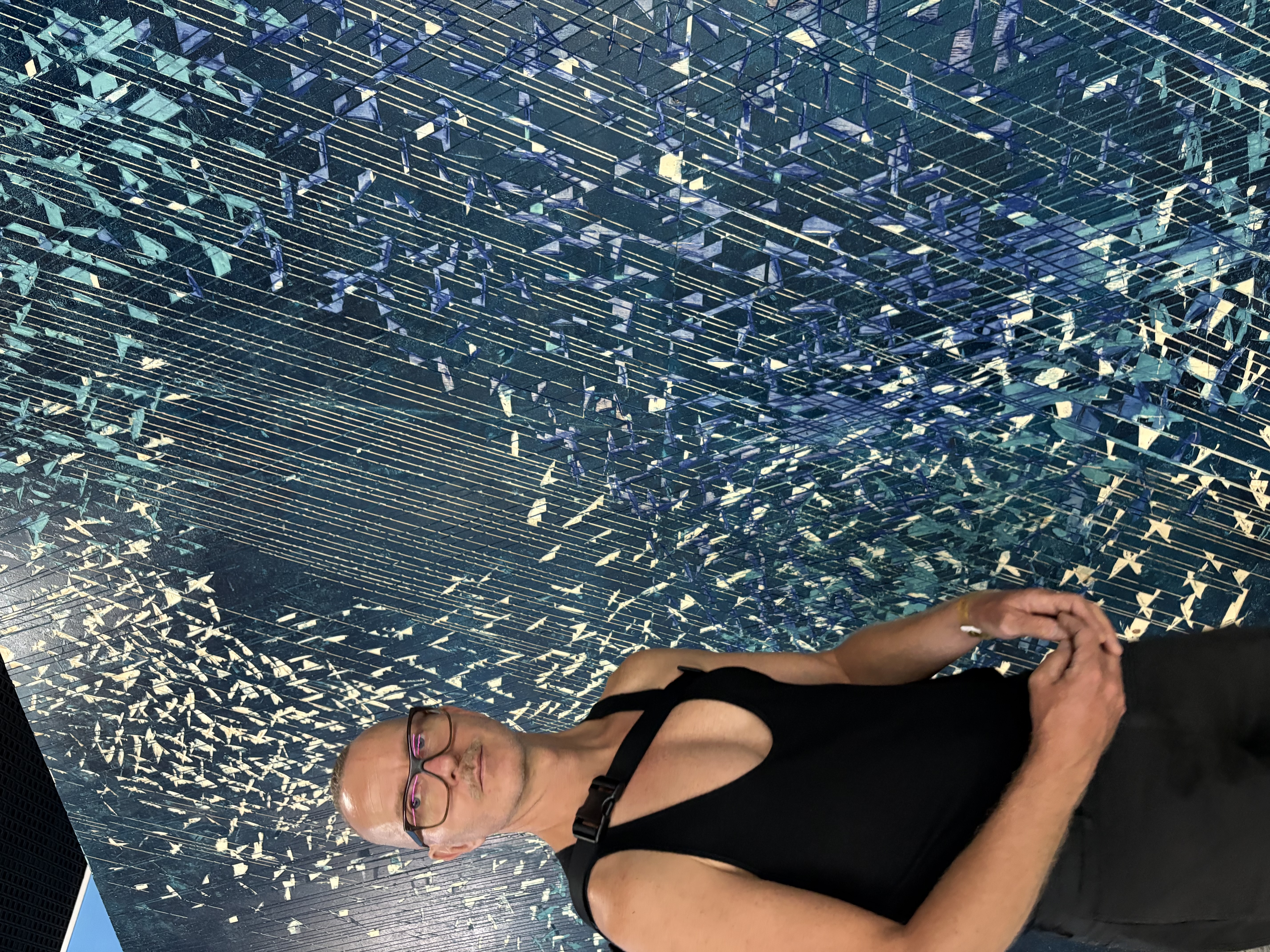
De-signing, as Maethger explains, borrows from the idea of deconstruction; not as an aesthetic gesture, but as a method. It means unmaking systems before remaking them. Questioning inherited rules before repeating them. And, crucially, reconsidering who fashion is for.
At the heart of the program is a belief that fashion can, and should be more accessible, democratic, and responsive to people’s real needs and lifestyles. Instead of treating garments as luxury objects detached from daily life, students are encouraged to explore fashion as a cultural language shaped by politics, identity, labor, and power. Design becomes less about spectacle and more about relevance.
This shift is reflected in how students engage with concepts like de-growth, decolonisation, and deconstruction; not as abstract theory, but as lived practice. “In practice, de-sign can take many forms,” explains Mariza Scotch, professor in the program. “Including slow design, open design, and speculative design. These approaches are not only about creating objects, but about provoking dialogue, fostering awareness, and imagining alternative futures.”
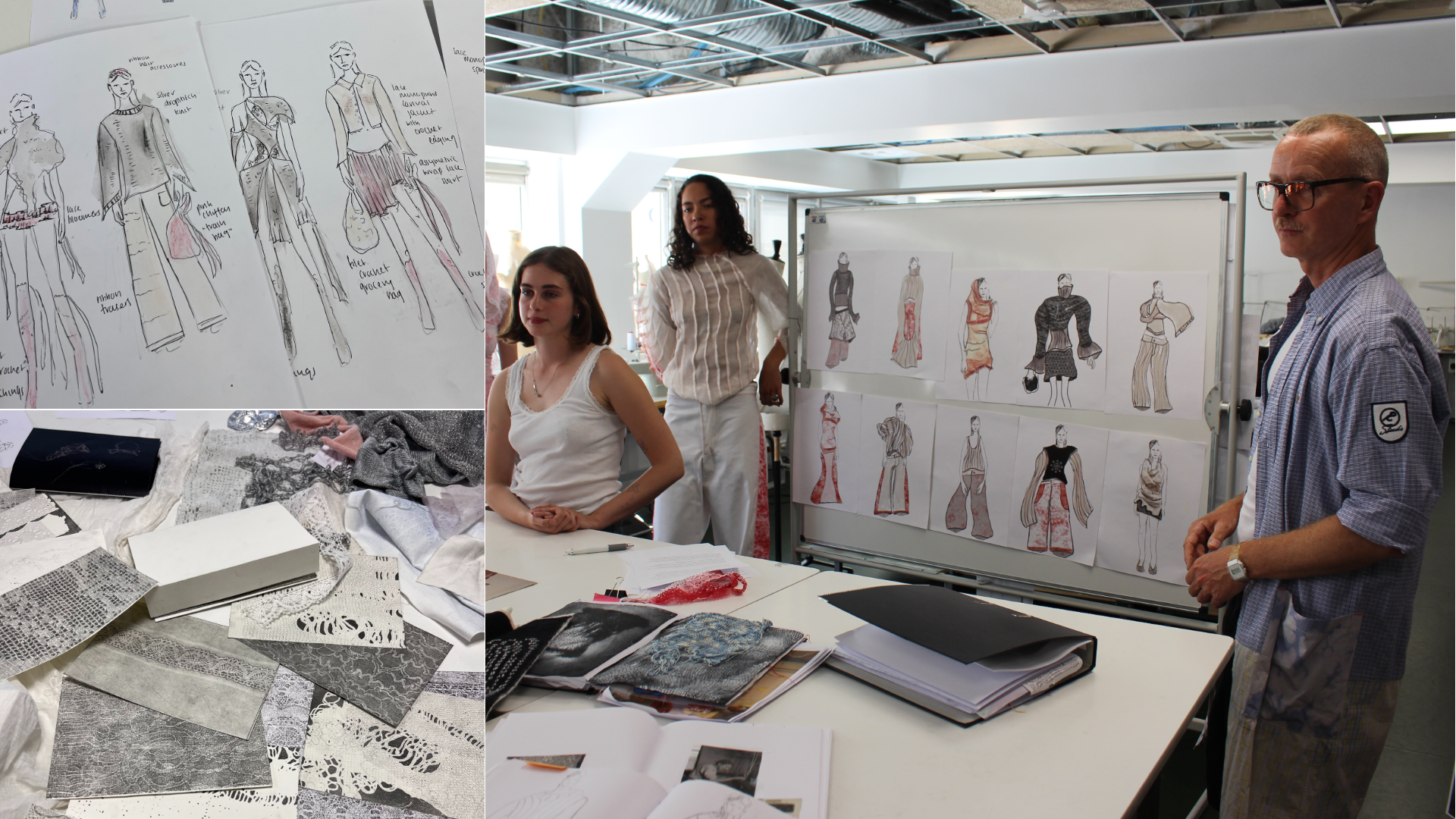
In other words, fashion is treated as a thinking tool. A medium for asking difficult questions rather than delivering polished answers. Students might work with unconventional materials, question authorship, or design systems instead of collections. The emphasis is on process over product; an intentional counterpoint to an industry driven by constant output.
The curriculum reflects this philosophy. Over the course of one year, students develop a thesis project guided by two central courses: Degree Project Concept and Design, where ideas are researched and articulated over two semesters, and Degree Project Studio, where those ideas are tested and materialised in three dimensions. These are supported by courses such as Critical Fashion Studies and Fashion Subcultures as Visual Language, grounding creative experimentation in cultural and social analysis.
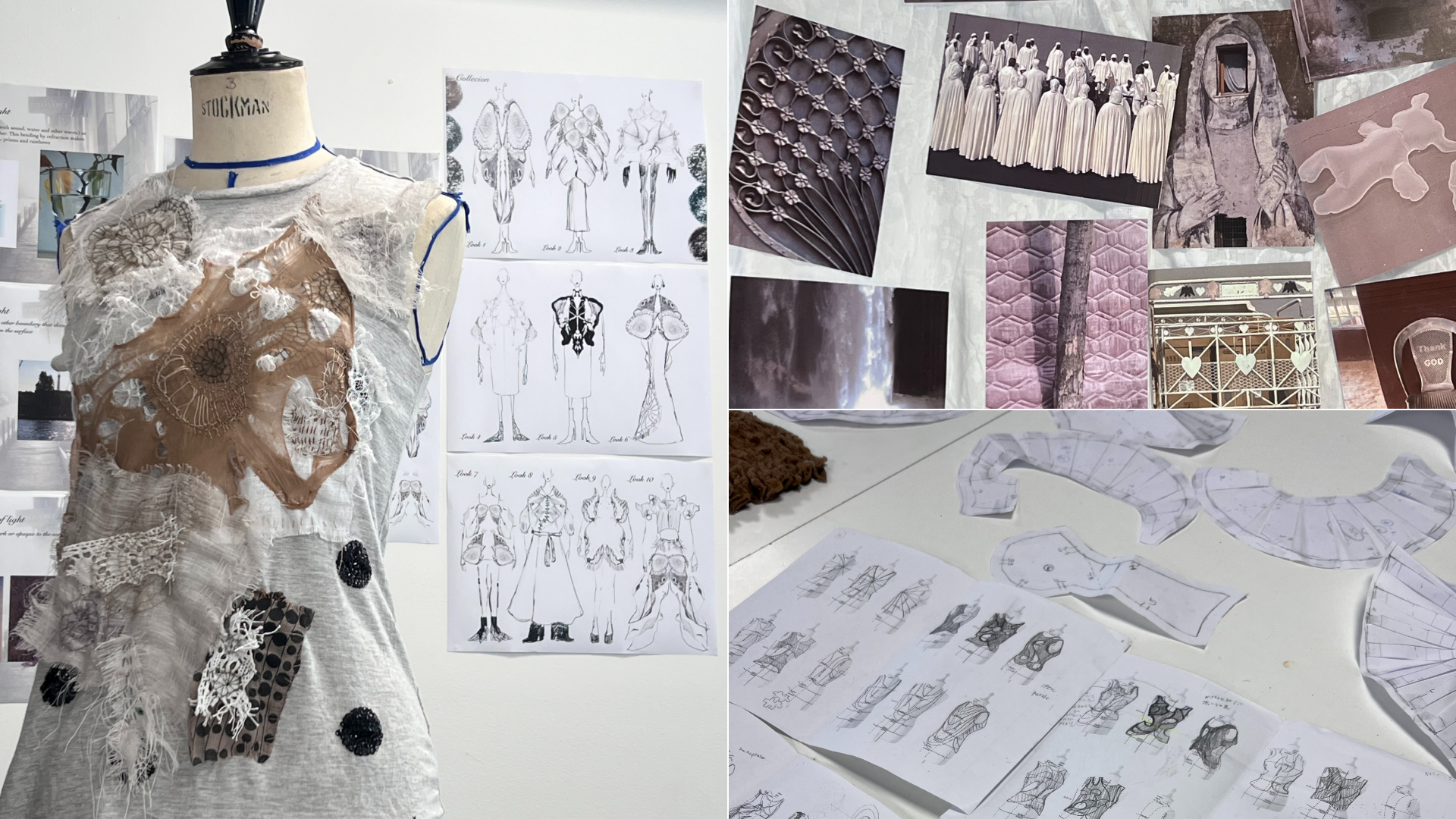
What emerges is a vision of fashion education that breaks away from traditional hierarchies. Designers are not positioned as trend forecasters or brand-builders, but as critical agents capable of reshaping systems. Fashion, here, is less about aspiration and more about connection; about designing smarter responses to how people actually live, move, and consume.
Preparing students to become change-makers, Maethger notes, starts long before graduation. “During their time at PCA, students are continuously challenged by faculty members, academics, and industry leaders,” he says. “Through critical questioning and dialogue, students are encouraged to develop innovative solutions and rethink existing systems within the fashion industry.”
That challenge extends beyond aesthetics. It includes confronting capitalism’s grip on fashion, addressing colonial legacies embedded in production and imagery, and redefining value beyond profit. In this context, creativity is not restricted; it is expanded. Rules are not broken for effect, but dismantled to open space for new, more responsible forms of practice.
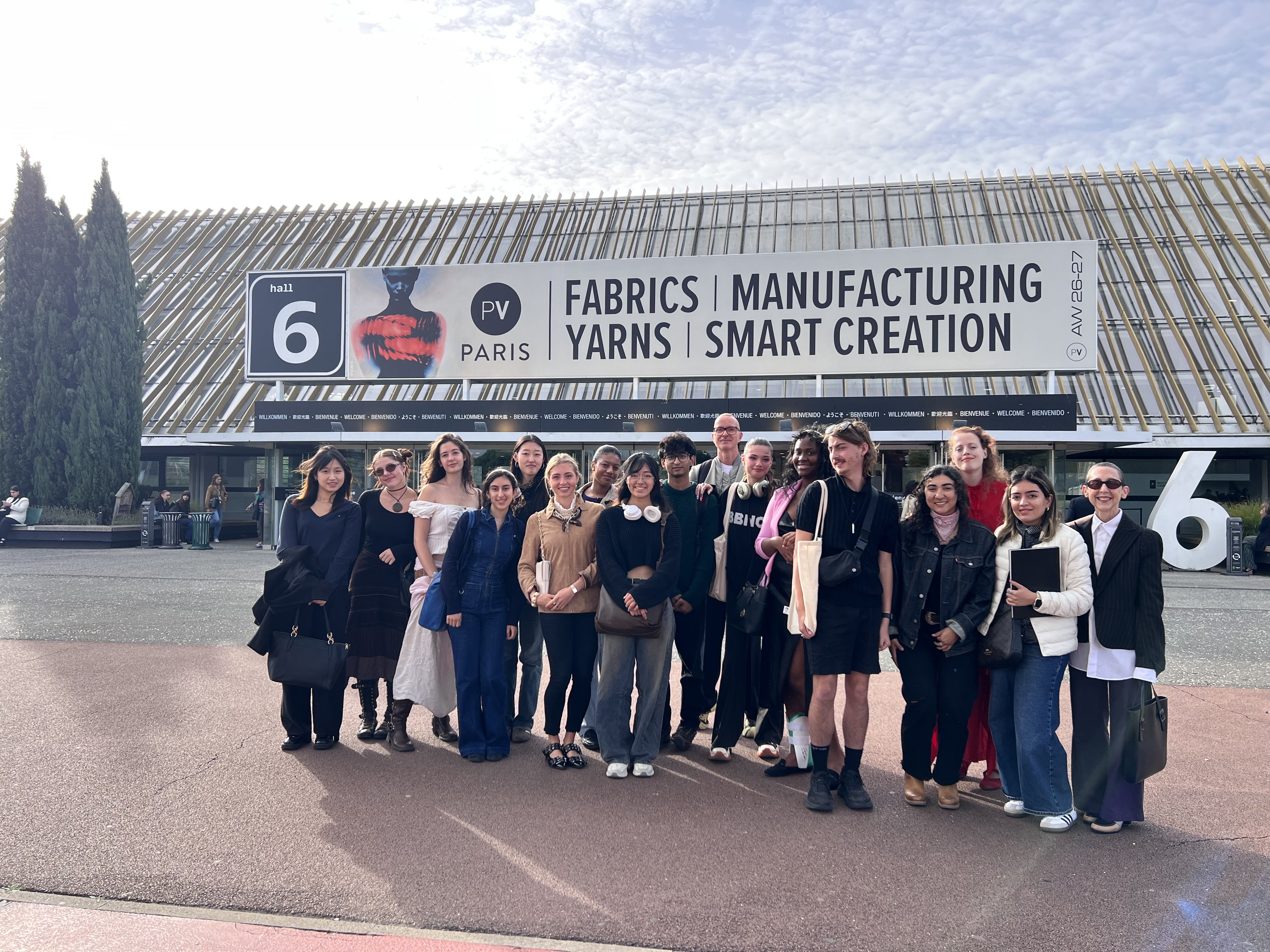
Located in Paris, a city long associated with fashion’s past, the program is firmly oriented toward its future. Drawing on PCA’s international and interdisciplinary environment, students engage with art, theory, and contemporary culture as much as with garments themselves. Fashion becomes a site of research, resistance, and imagination.
For those interested in exploring the MA in Critical Fashion Practices, full program details, curriculum information, and application requirements for the September 2026 intake are available on the Paris College of Art website. Applications are currently open.
*Information and applications:
https://www.paris.edu/programs/graduate/master-critical-fashion-practices/
.png)


.jpg)