Holding Steady in Uncertain Times

Moments of global uncertainty often ripple far beyond the places where events unfold. Even from afar, the flow of news, images and conversations can leave us feeling unsettled or emotionally drained. Our hearts and deepest thoughts are with those directly impacted. And yet, life tries to continue with its familiar rhythm. It isn’t business as usual, and the challenge often becomes learning how to stay informed without becoming consumed. Dr Jane Halsall, Chartered Counselling Psychologist at The Cornerstone Clinic Dubai, and Dr Vassiliki Simoglou, Psychologist at Almond Blossoms, share simple insights on how to remain grounded, regulate emotional responses and preserve a sense of balance during challenging global moments.
Create Boundaries with the News Cycle
Constant exposure to headlines and social media updates can keep the nervous system in a prolonged state of stress. Dr Jane Halsall recommends deciding in advance when and how often you will check the news, relying on trusted sources, and avoiding mindless scrolling. Dr Vassiliki Simoglou echoes this advice, encouraging people to limit exposure to distressing media and to check updates intentionally rather than continuously.
Acknowledge Emotions Without Letting Them Take Over
Feelings of fear, anger, sadness, guilt or helplessness during periods of conflict are normal human reactions. According to Dr Halsall, acknowledging these emotions rather than suppressing them helps reduce their intensity and allows us to understand what needs attention.
Focus on What Is Within Your Control
When global events feel chaotic, attention naturally drifts toward uncertainty. Both experts emphasise the importance of redirecting focus toward daily purpose, meaningful relationships and personal wellbeing. Establishing regular sleep patterns, planning meals, maintaining exercise and cultivating gratitude can help restore a sense of stability.
Use the Body to Calm the Mind
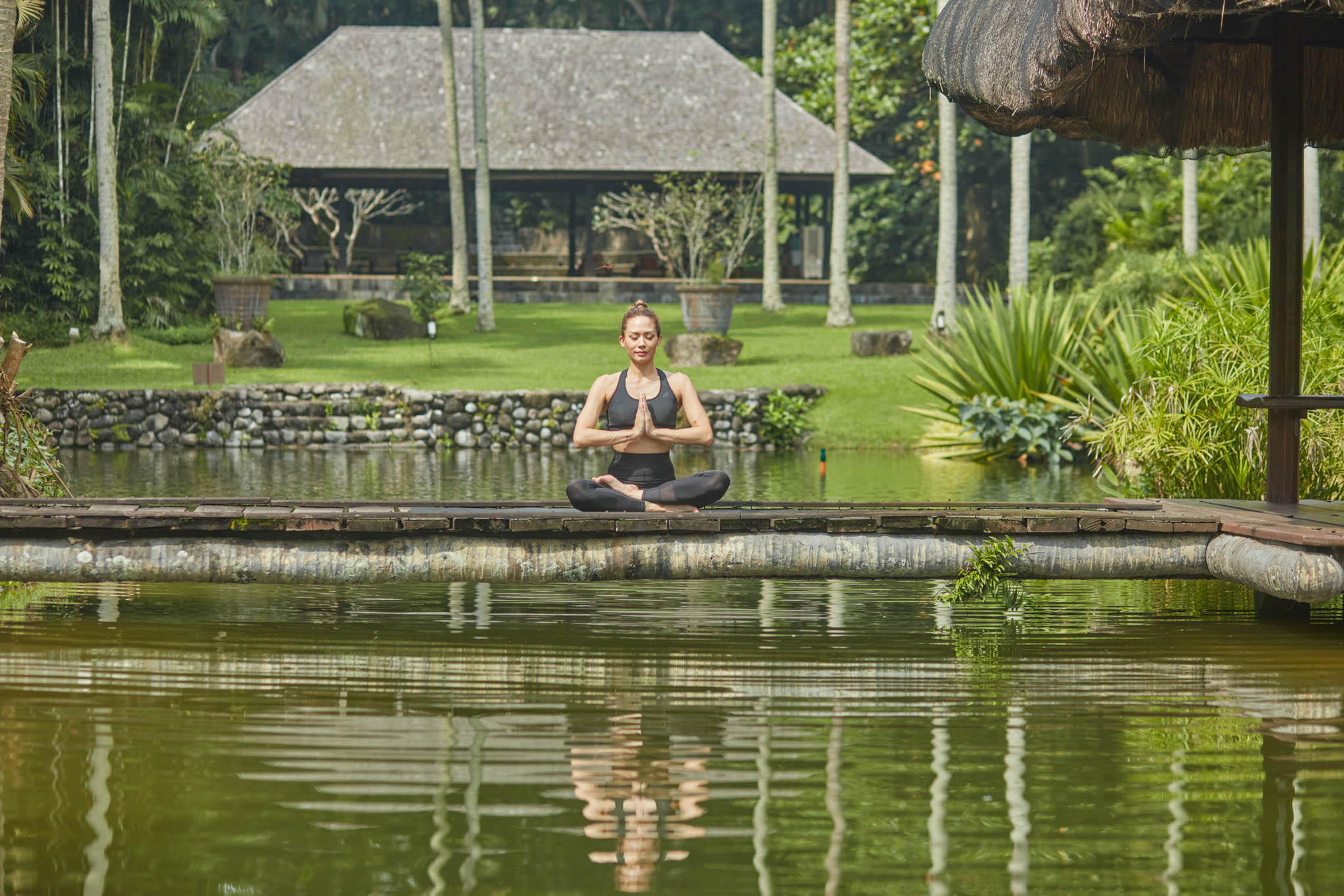
Mind-body practices can help regulate the nervous system during stressful periods. Dr Halsall suggests techniques such as controlled breathing, mindfulness meditation, yoga and gentle movement. Dr Simoglou adds that low-impact physical activity and stretching can significantly reduce stress hormones and support emotional balance.
Stay Connected and Seek Support
Human connection remains one of the most powerful buffers against stress. Speaking with trusted friends, family members or mental health professionals can help normalize emotional reactions and foster resilience. Acts of kindness or community support may also offer a sense of purpose during uncertain times.
Expert insights provided by Dr Jane Halsall, Chartered Counselling Psychologist at The Cornerstone Clinic Dubai, and Dr Vassiliki Simoglou, Psychologist at Almond Blossoms.
related posts





.jpg)