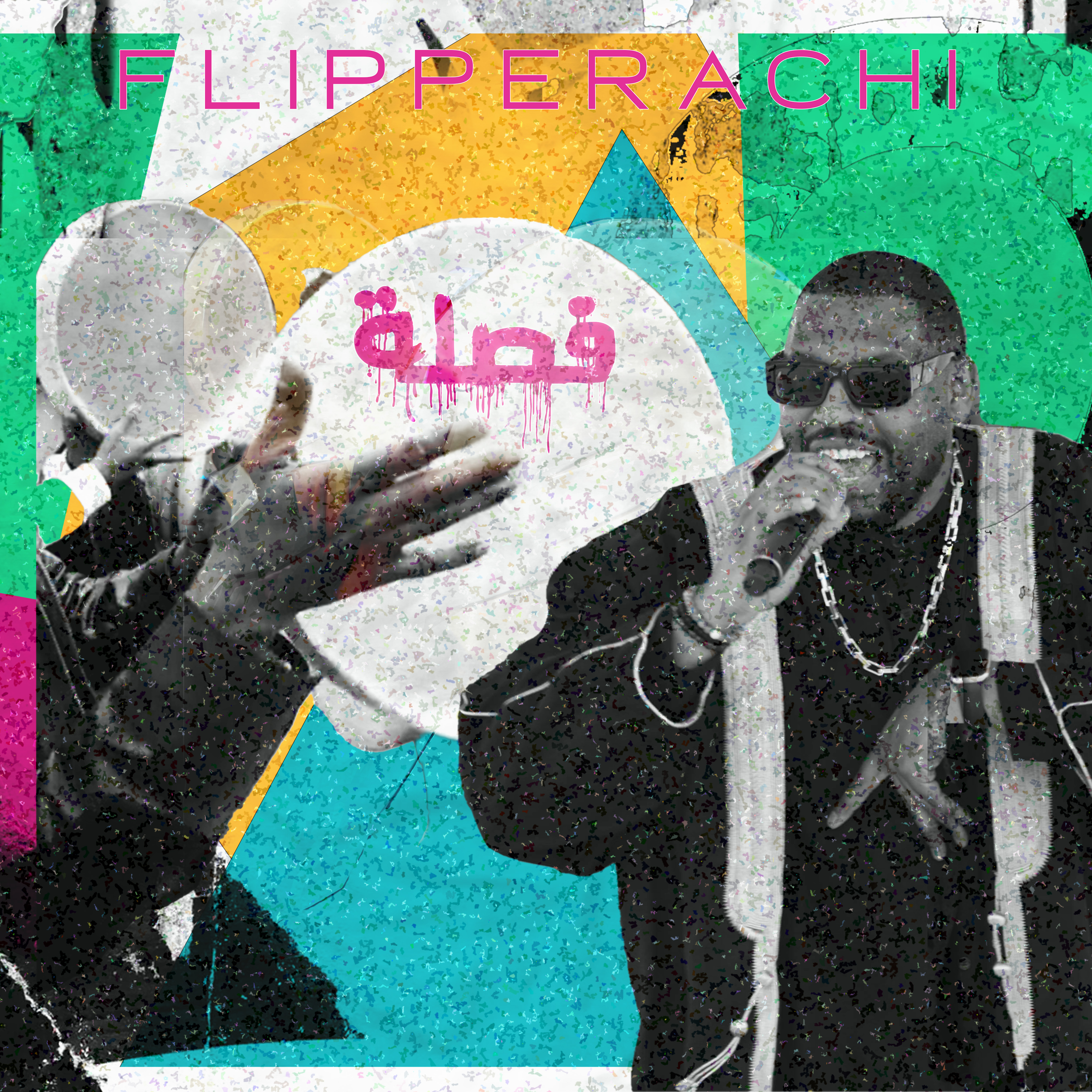
#INTERVIEW: The ‘Fa9la’ Phenomenon: Flipperachi’s New Global Anthem

What began as a high-octane Khaleeji-trap anthem has transformed into a cinematic phenomenon, serving as the quintessential "villain-entry" theme for Bollywood’s latest blockbuster, ‘Dhurandhar’. From the streets of Manama to every corner of India, the track’s infectious rhythm has bridged two worlds, proving that "viral" is only the beginning.
As Mark Abou Jaoude, Head of Music at Spotify MENAP, said: “Watching a Bahrain-born track break onto global charts is a reminder that Arabic music resonates far beyond where it begins. Fa9la proves that sounds rooted in local culture can move audiences worldwide. This moment isn’t just about streams, but about Arabic music claiming more space on the global stage, and we’re here to accelerate this growth,” says Mark Abou Jaoude, Head of Music at Spotify MENAP.
As the song continues to dominate global feeds, endorsed by the likes of Ranveer Singh and echoing through every high-end lounge from Dubai to Delhi, we chat to the man himself, Hussam Aseem (aka Flipperachi).

DMA: I have to start by asking about Fa9la, which has gone off to global mantra status. Did you ever imagine it becoming a classic Bollywood villain entry theme?
Flipperachi: Fa9la is actually all about having fun, letting loose and feeling the music. And I think the song did just that. The darkness in the track comes more from the subtle strings in the production, but the overall vibe of the song was always about the fun and creating something catchy that would resonate with people. The way everyone is vibing to it, the dances, the jams, remixes, etc…, it’s just amazing to see. The producers of the film selected Fa9la for the scene it appeared in and contacted my team about the placement, and the rest is history.
It’s crazy because the song went viral in Sri Lanka when it first came out, which was a pleasant surprise to me. But this time around, the level at which it caught on is massive, and I didn’t expect it to blow up to this extent. When I saw that first post by Ranveer (Singh), I knew it was going to spark something though! What’s even crazier is that the song also entered the Billboard Arabia charts this week at #1 on 4 different charts - Hot 100, 100 Artists, Top 50 Arabic Hip Hop, and Top 50 Khaleeji. It’s a huge achievement for myself and the team, and we’re super grateful for all the love that got us here.
DMA: What did you think of the way the song has been picturized with Akshaye Khanne and his “boujee” dance moves, as you call it? Does he embody the 'Fa9la' persona?
Flipperachi: In a way he did embody the core essence of the song, but he definitely gave it his own character which I loved to see.
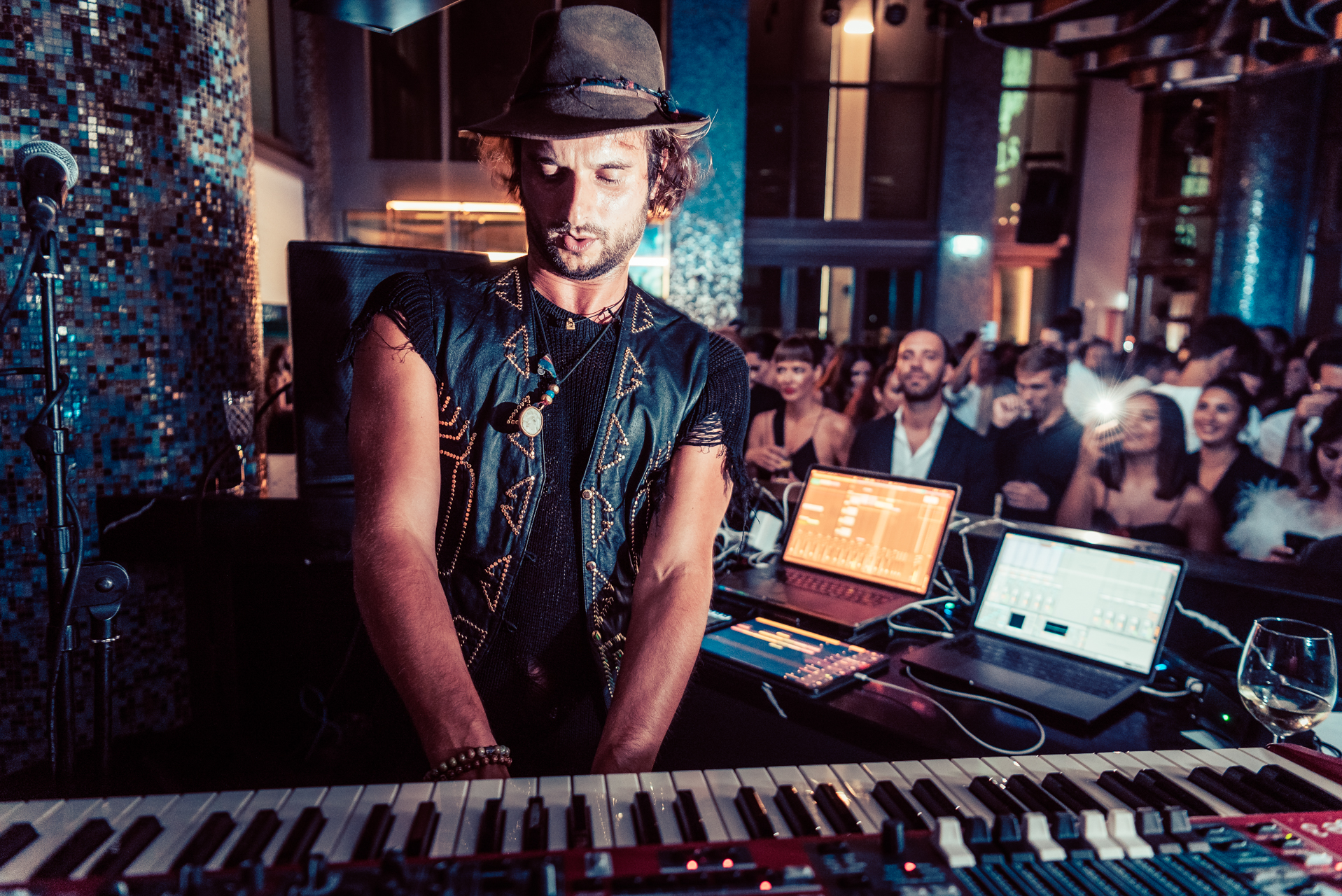
DMA: Tell us about the synergy between you and Outlaw Productions? How did the collaboration with DJ Outlaw on this track help push the Khaleeji-trap sound into this new, international territory?
Flipperachi: Outlaw Productions is my longtime label and management, and I wouldn’t be standing here without my team and the journey we’ve been through together. DJ Outlaw, the producer of Fa9la, is known for his signature style of fusion between Western and Arabic/Khaleeji music. You can hear that in any of our tracks despite differences in each track’s style. With this track, he created an Indian, Khaleeji, Hip Hop fusion which is very unique, and I think that’s a big part of why people are vibing to the song this much.
DMA: With 4 Billboard Arabia number ones simultaneously, its surely a historic first, and you've been making firsts in this region. Where do you take it from here?
Flipperachi: There’s a lot in the works being sorted right now including possibly a tour in India and a couple of collabs with Indian artists.
Yes, there are a lot of things I and my team have done over the years that were “firsts” in the region, as we’ve always created something new, taken risks and raised the bar, so this is another one of those but on a much bigger level. At the end of the day, the audience decides what they like, and I’m humbled that my music has really touched people and is opening the door for Khaleeji rap to go global.
This week, Fa9la achieved a historic milestone, claiming the #1 spot on four Billboard Arabia charts simultaneously; the first song in history to do so. It stands as the first Khaleeji track to ever top the Hot 100, while Flipperachi himself cements his legacy as the first Khaleeji artist to reach the 100 Artists chart.


.jpeg)