Munich, Reframed

There are hotels that provide a comfortable base for exploring a city, and there are those that become part of the journey itself. During my stay at Koenigshof, a Luxury Collection Hotel, Munich, I found the latter. Located on Karlsplatz, one of Munich's most recognisable central addresses, the hotel places the city immediately outside its doors, while its architecture, interiors, art and hospitality create a world of their own.
My visit came in 2026, a year in which Munich celebrated its 868th birthday. The city traces its documented history to 1158, when “Munichen” was first recorded, and this year's anniversary celebrations brought music, food, crafts and local traditions into the historic centre. It was an especially evocative time to discover a city that has always known how to preserve its history while continuing to evolve.
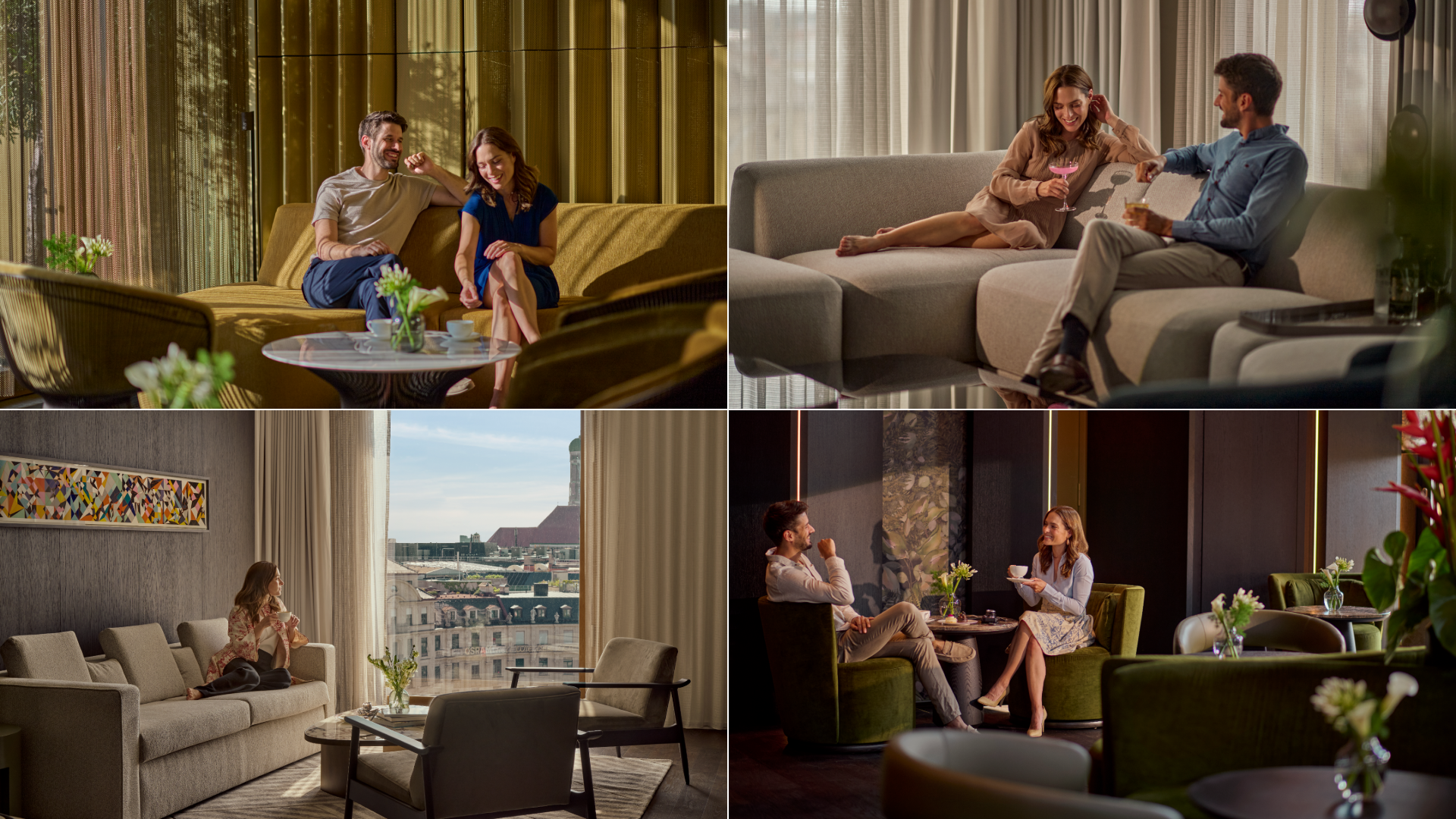
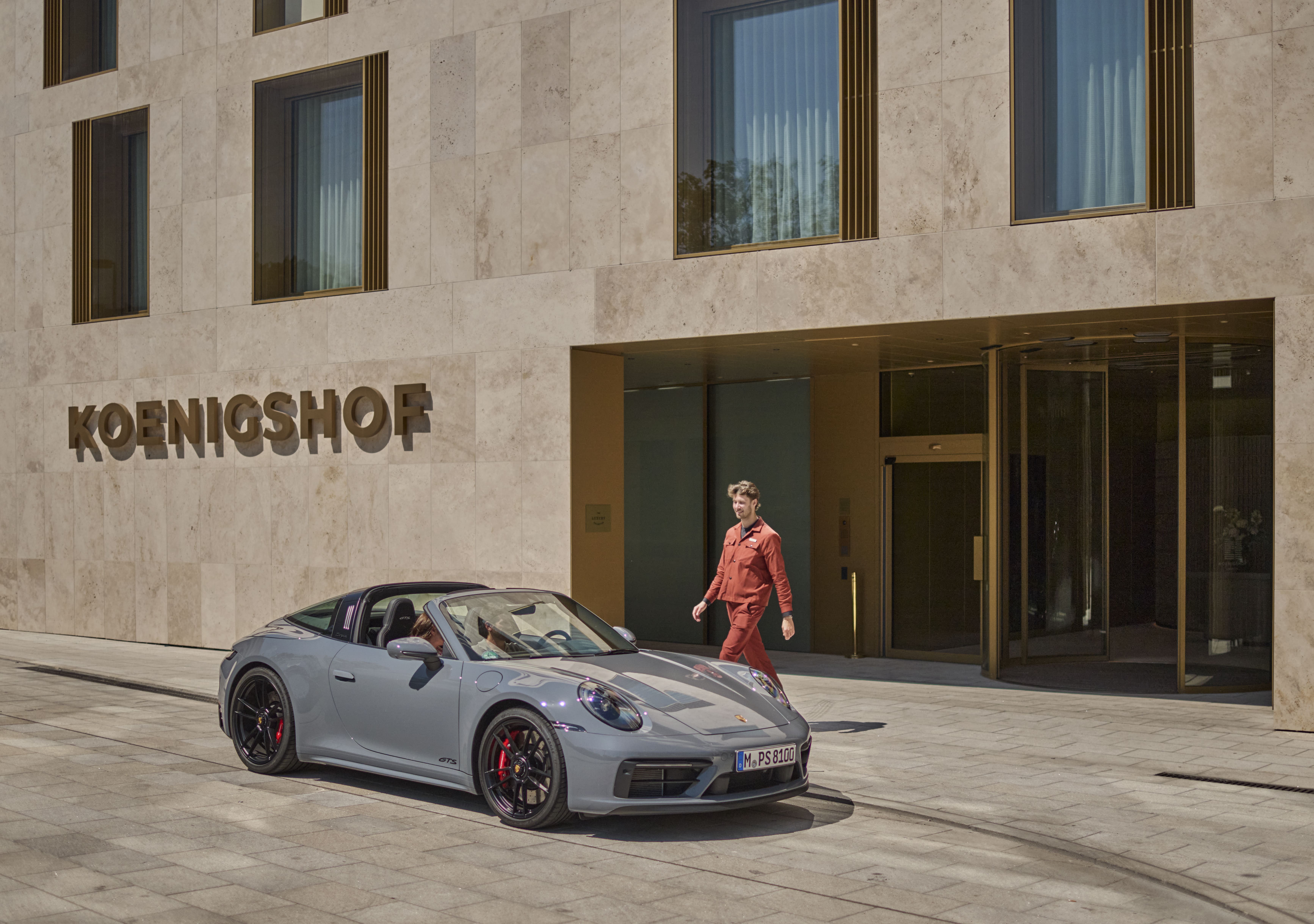
It also felt like an appropriate moment to experience Koenigshof, a hotel that is itself part of Munich's changing architectural story. The original property had stood on the site for decades before being replaced by the present building, which opened in 2024. Designed by Nieto Sobejano Arquitectos, the nine-storey structure introduces a striking contemporary silhouette to Karlsplatz, while its interiors by Landau + Kindelbacher and Yabu Pushelberg create a softer counterpoint to the architecture.
The first impression is dramatic. A soaring glass atrium brings daylight into the heart of the hotel, while metallic details, warm materials and sculptural forms give the public spaces a distinctly modern character. From the busy rhythm of Stachus, the transition into the hotel feels almost theatrical: Munich continues outside, while the pace changes indoors.
Art is an essential part of this experience. Rather than being concentrated in a single gallery, the collection is integrated throughout the property, appearing in corridors, guest rooms and public spaces. Works by artists including Joseph Beuys, Christo and Jeanne-Claude and David John Flynn form part of a collection conceived as a dialogue with the hotel's architecture and international outlook. Discovering these works gradually, almost as private encounters while moving through the hotel, became one of my favourite details of the stay.
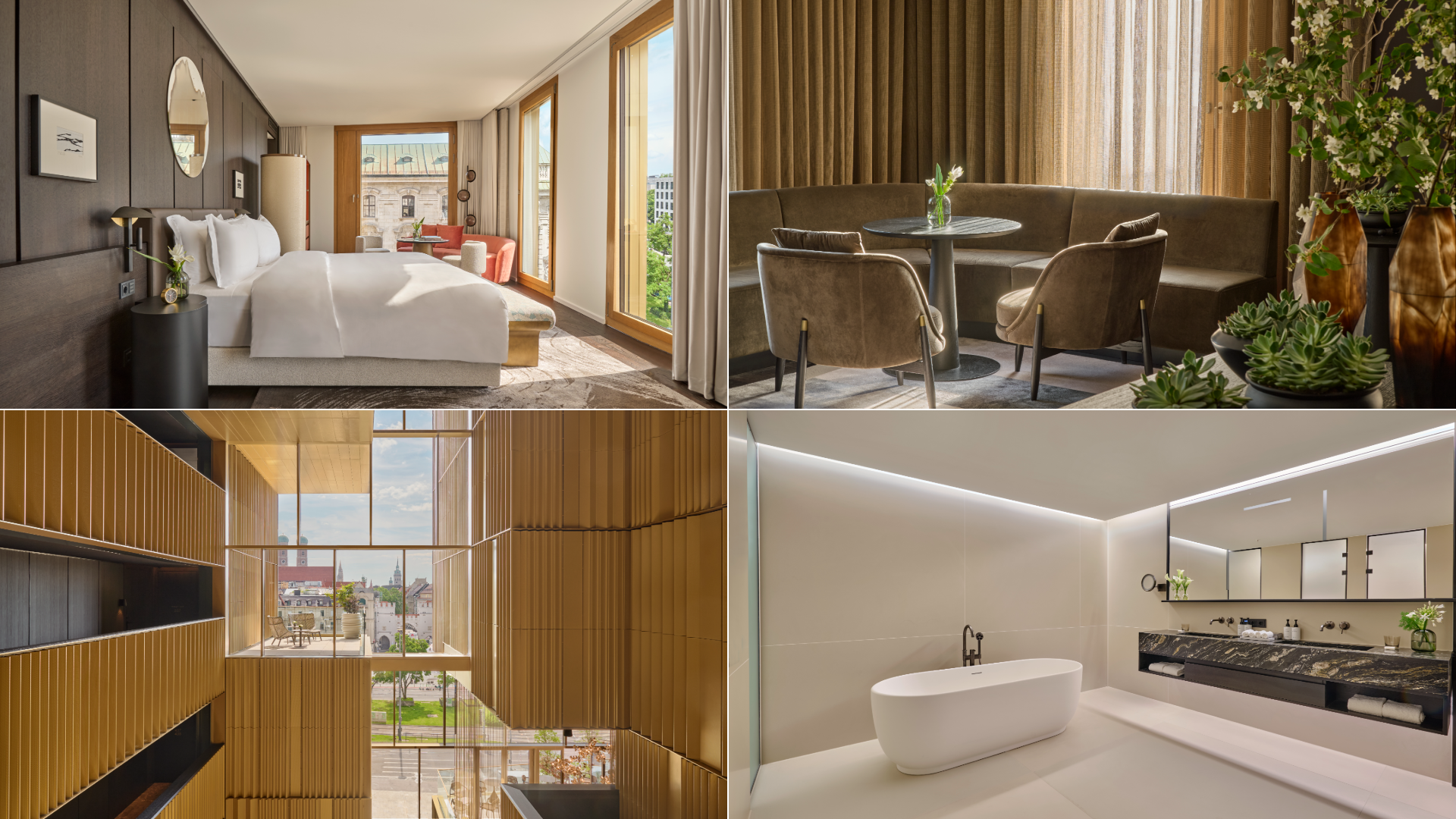
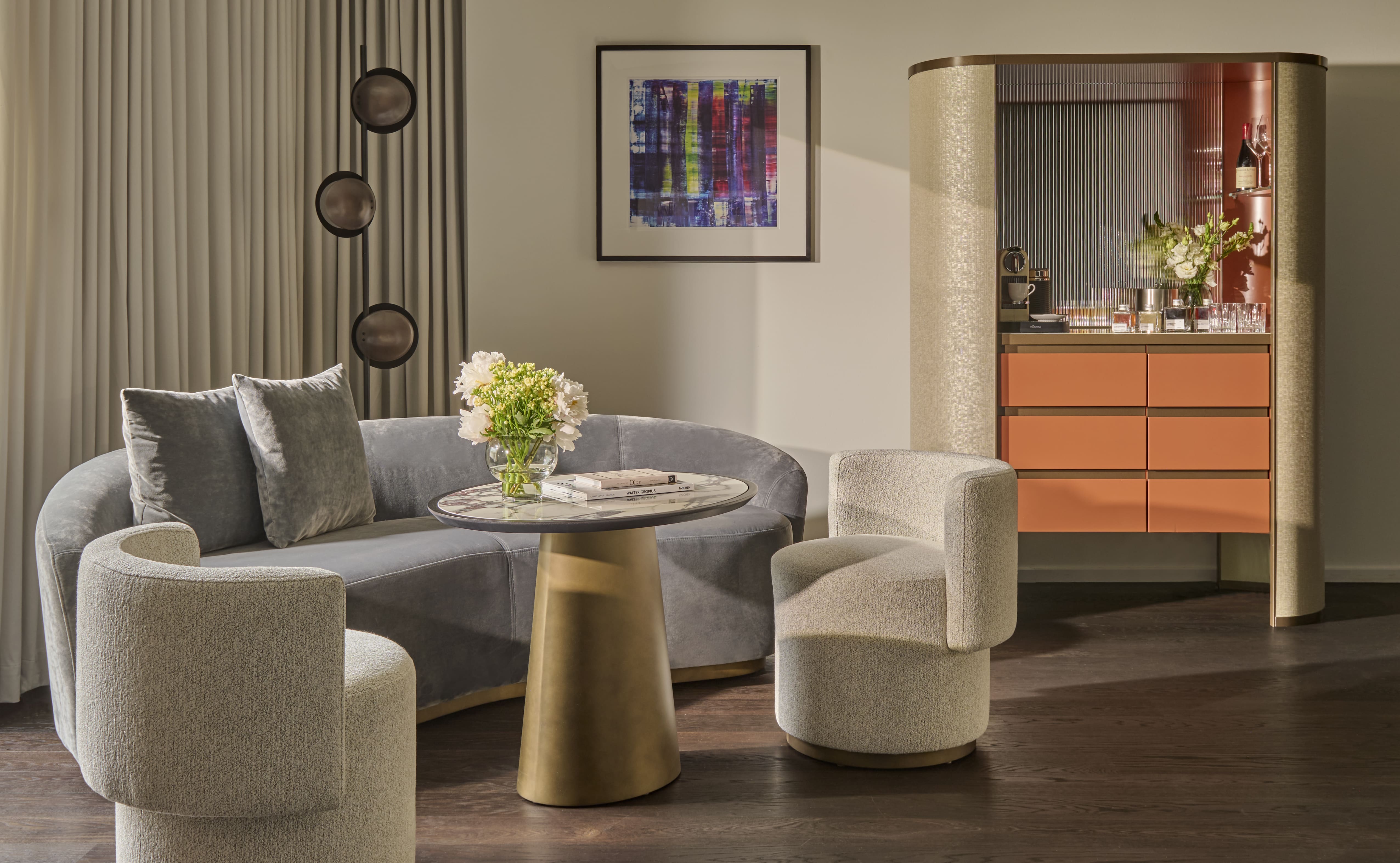

The guest rooms continue the same visual language. Contemporary furniture, tactile materials and carefully chosen objects create an atmosphere that feels residential rather than overly formal. There is a clear sense that every element has been considered, from the proportions of the rooms to the artwork and lighting. The attention to detail extends to the service, which is polished and highly personal. Staff are present when needed, while allowing the experience to retain a welcome sense of privacy.
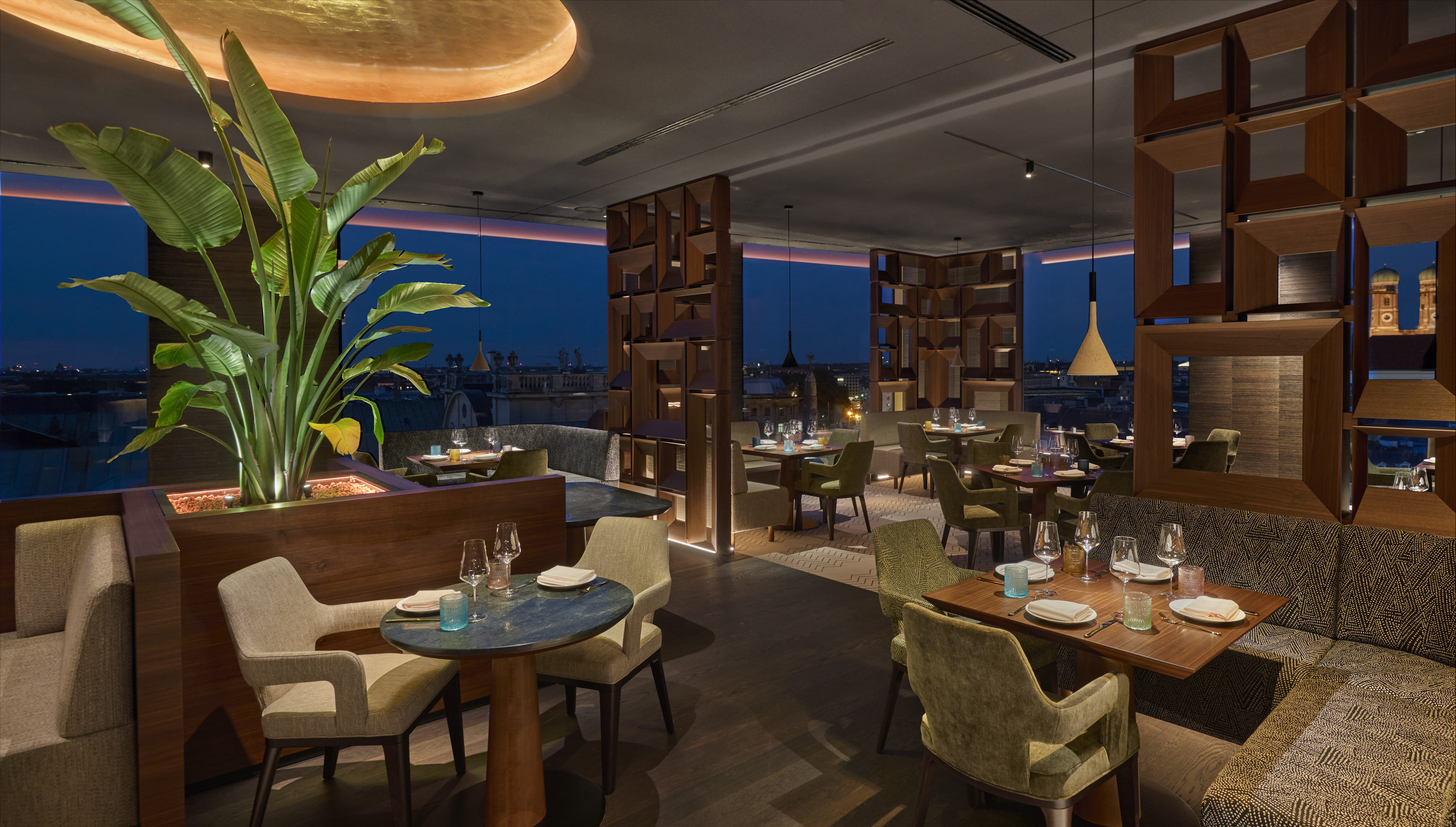

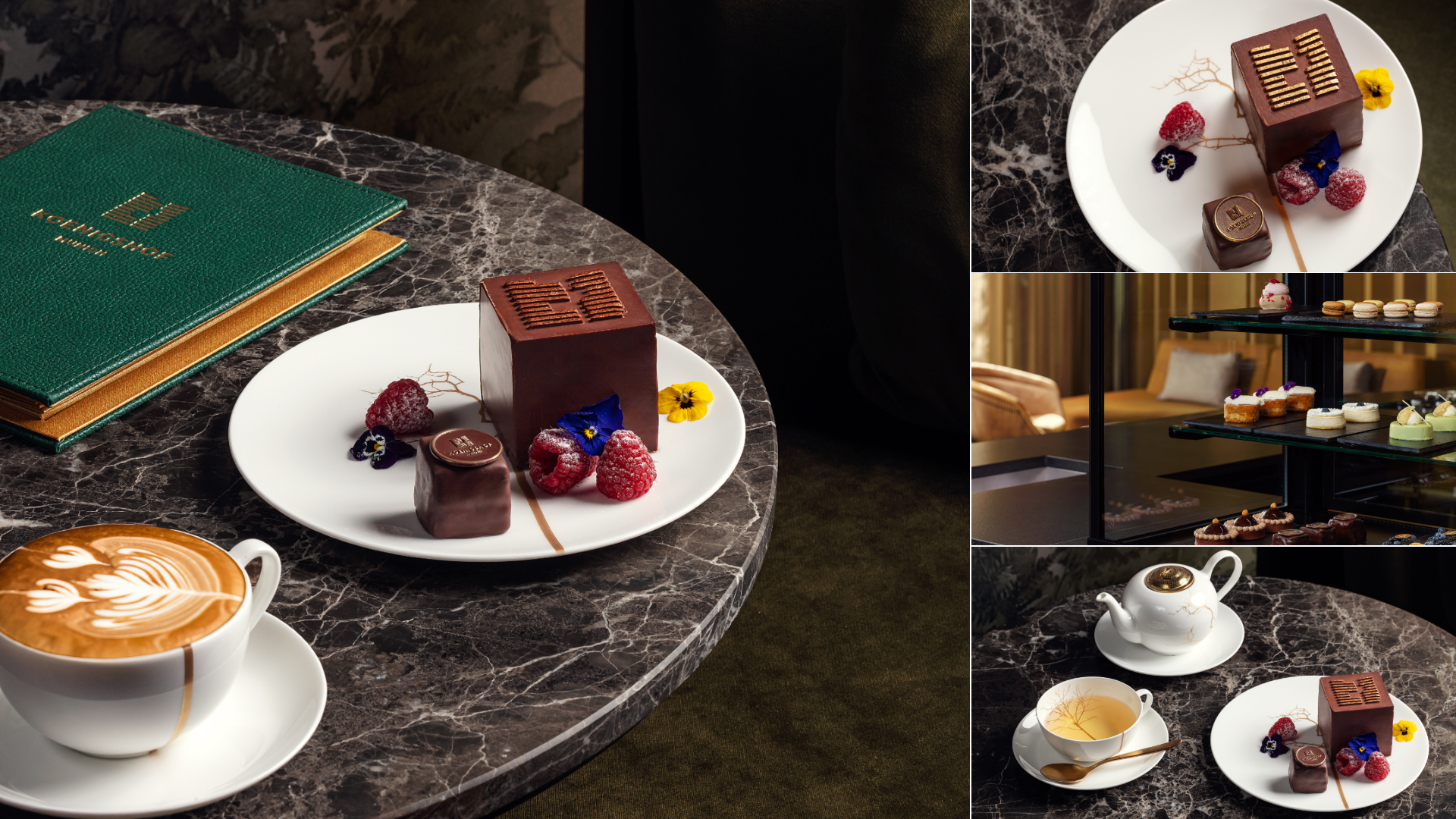
Dining became another part of my stay. GRETA OTO, the hotel's signature restaurant, takes inspiration from Amazonian cuisine and occupies the upper level of the building, with panoramic views across Munich. The restaurant brings an international culinary perspective to a city whose food culture is deeply rooted in Bavarian tradition. At The Green, the mood is quieter, with local delicacies, tea and the hotel's own cake offering a more relaxed pause during the day. The hotel's different dining spaces make it possible to shift between a long lunch, an evening occasion and an unhurried coffee without leaving the building.
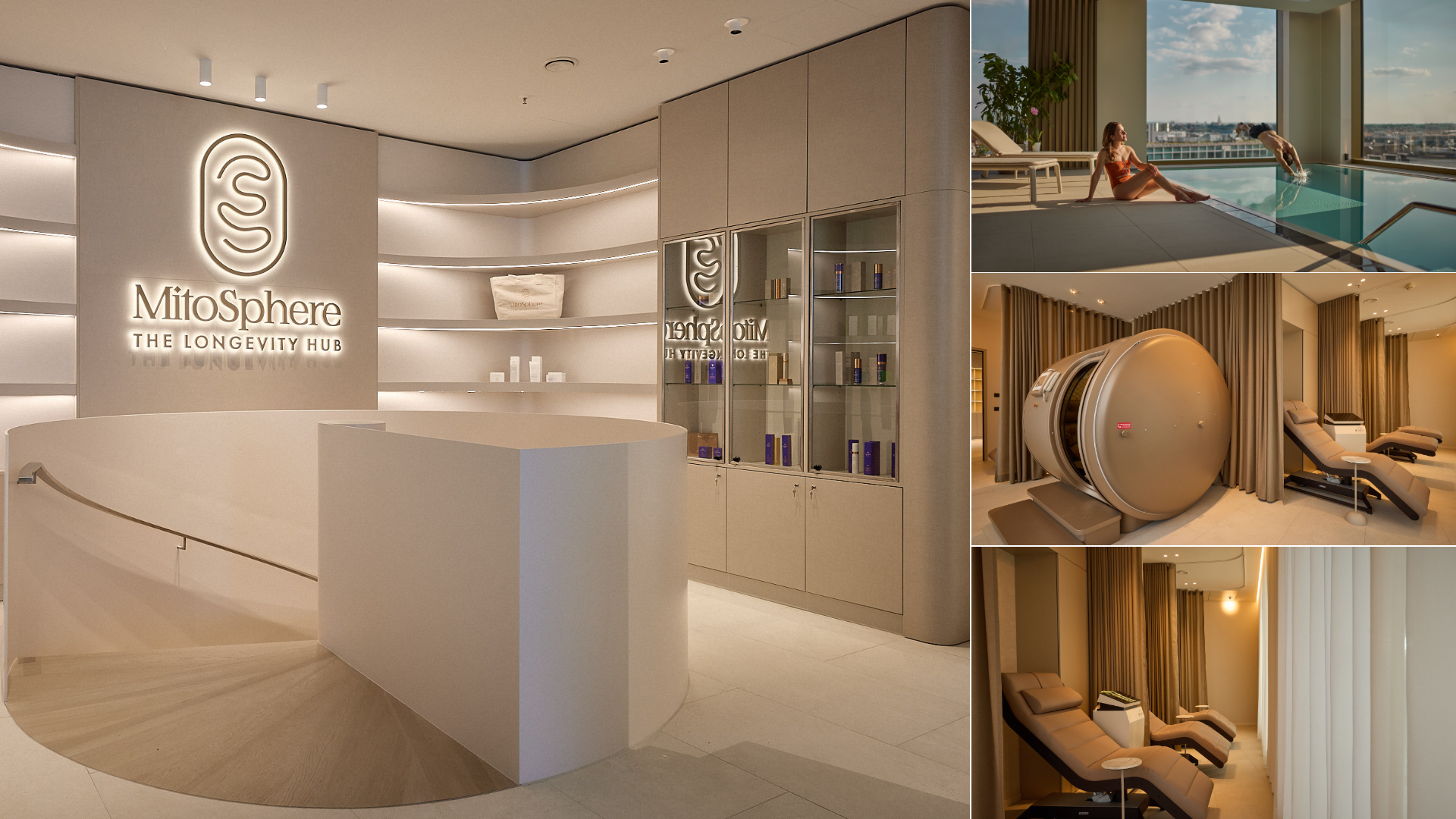
I also made time for the hotel's private spa. With a pool, sauna, experience shower and panoramic views across the rooftops, it offers a welcome change of rhythm after several hours of walking through Munich. The private format makes the space particularly peaceful, allowing the city to become a distant backdrop rather than the focus. Koenigshof has also expanded its wellness offering with MitoSphere, a longevity-focused concept combining diagnostics, technology, medical expertise and holistic treatments.
The hotel's position makes exploring Munich remarkably easy. From Karlsplatz, I could walk towards Marienplatz, the Frauenkirche and the Residenz, continue through the historic centre and reach some of the city's most important shopping streets without needing a car. Munich's pedestrian zone, stretching between Karlsplatz and Marienplatz, is one of the defining features of the city centre and has been a car-free area since the 1972 Olympic Games.
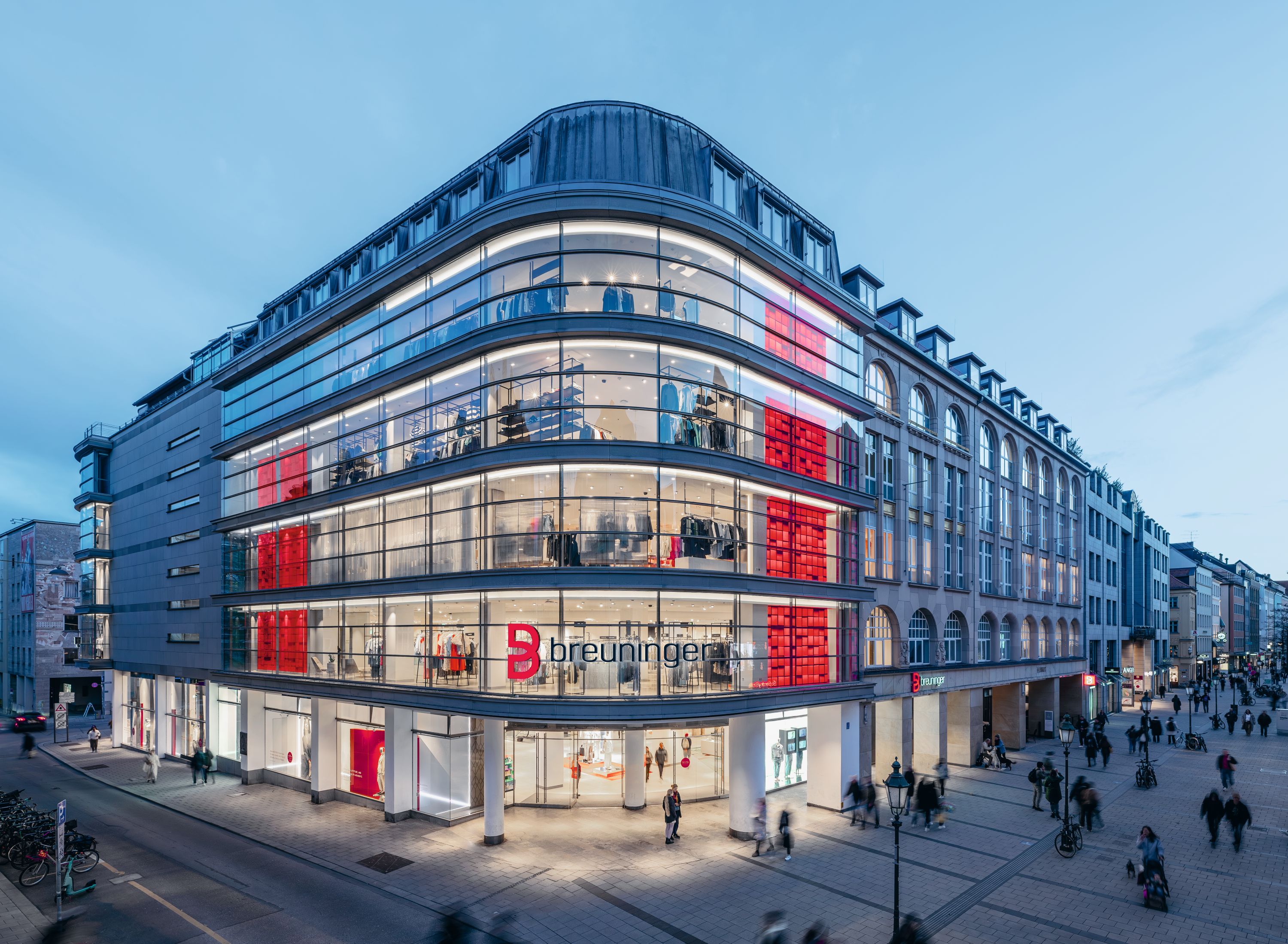
For a fashion editor, however, Munich demands a dedicated shopping stop, and Breuninger was high on my list. The department store has been associated with fashion, beauty and style since 1881 and today operates its Munich flagship in Sendlinger Straße, only a short walk from the historic centre. Spread across six floors, it brings together international designer names, contemporary labels, beauty and lifestyle collections in an environment designed around service as much as retail.
I particularly appreciated that the experience extends beyond browsing the collections. Personal shopping, an in-house alterations studio and specialist beauty services give the store the character of a destination rather than a conventional department store. The beauty floor includes brands such as La Mer, Charlotte Tilbury and Dior, while services range from skincare treatments to brow and beauty appointments. For anyone interested in fashion and contemporary luxury, a visit to Breuninger belongs naturally on a Munich itinerary.
From there, Munich opens into a different rhythm. The Residenz, former seat of the Bavarian rulers, reveals the city's courtly history through its grand rooms, collections and ceremonial spaces. The Englischer Garten offers a complete change of atmosphere, with extensive lawns, mature trees, waterways and paths that make the centre of the city feel unexpectedly green.
One of my most memorable visits was to Nymphenburg Palace. Built from 1664 as a summer residence for the Bavarian electors and later kings, the palace developed over generations into the magnificent complex seen today. Its vast park, ornamental gardens and smaller park palaces make it one of Munich's most rewarding places to spend an afternoon. Walking through the palace rooms and then continuing into the gardens offered a particularly beautiful contrast to the contemporary architecture of Koenigshof.
Munich's appeal lies partly in these contrasts. Baroque palaces sit alongside contemporary buildings; museums and galleries share the city with traditional beer gardens; and a few minutes' walk can take you from an intensely urban shopping street into a landscape of trees and water. Beyond the centre, lakes, forests and the Bavarian countryside provide an easy escape, while the Alps are within reach for those with more time.
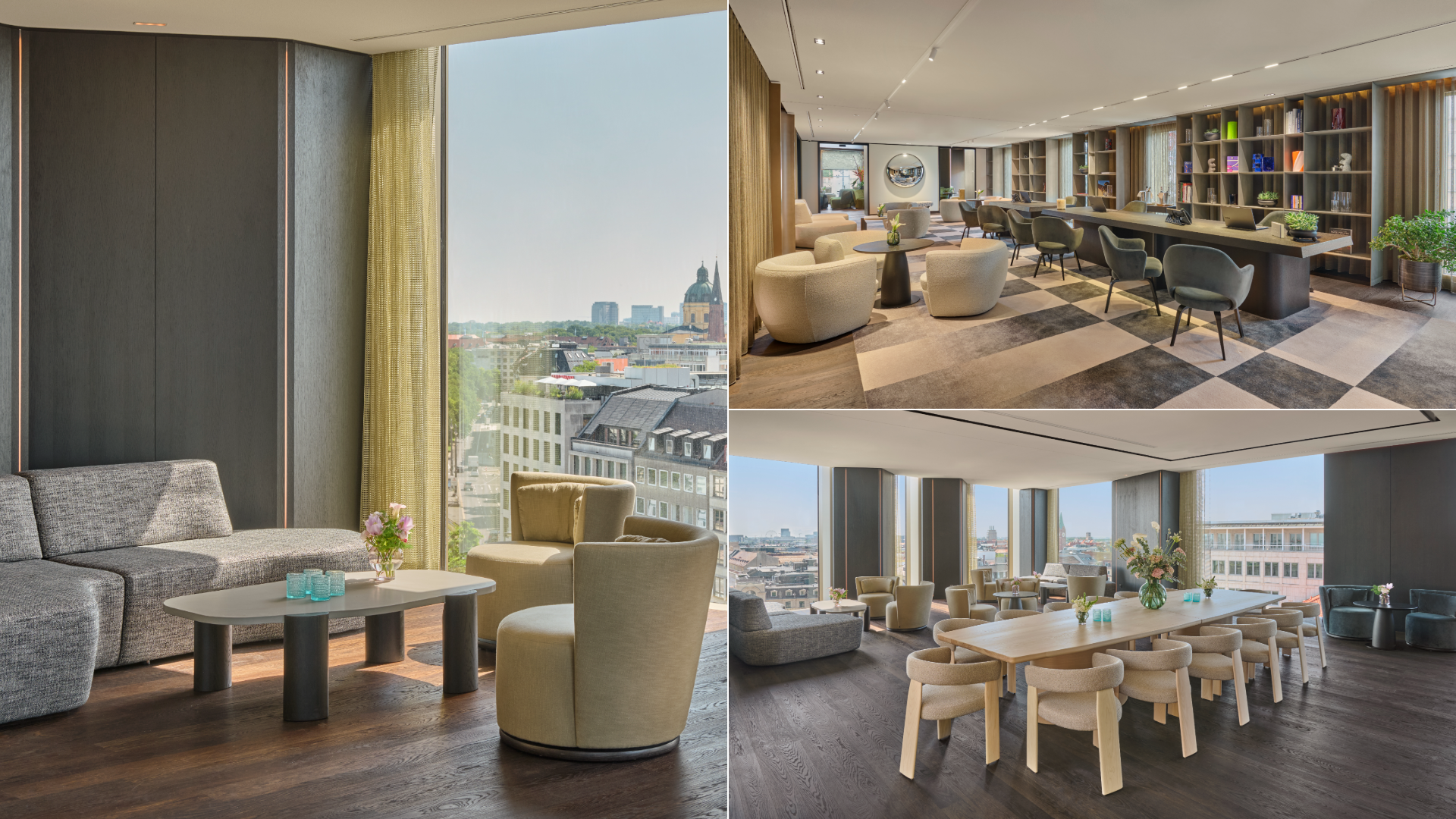
After a day spent moving through all these different versions of Munich, returning to Koenigshof feels like returning to the present. Its architecture reflects the city's contemporary face, its art connects the hotel to a wider cultural conversation, and its restaurants, wellness spaces and attentive service make it possible to pause between discoveries.
For me, that was the pleasure of the stay. Koenigshof does not attempt to compete with Munich's history. Instead, it gives the city a contemporary setting from which to experience it: the palace rooms of Nymphenburg, the gardens of the Englischer Garten, the grandeur of the Residenz, the energy of the shopping streets and the quieter rituals of an afternoon at Breuninger. The city remains the main character, but Koenigshof gives the journey its own distinctive rhythm.
related posts

.jpg)