Paris Meets Nolita: Jimmy Fairly’s New York State of Mind
There is something inherently romantic about a Parisian in New York. The myth has been written, filmed and photographed for decades, but Jimmy Fairly approaches it with a contemporary, street level sensibility. The French eyewear brand’s Nolita opening signals not just geographic expansion, but a deliberate immersion into the city’s rhythm.
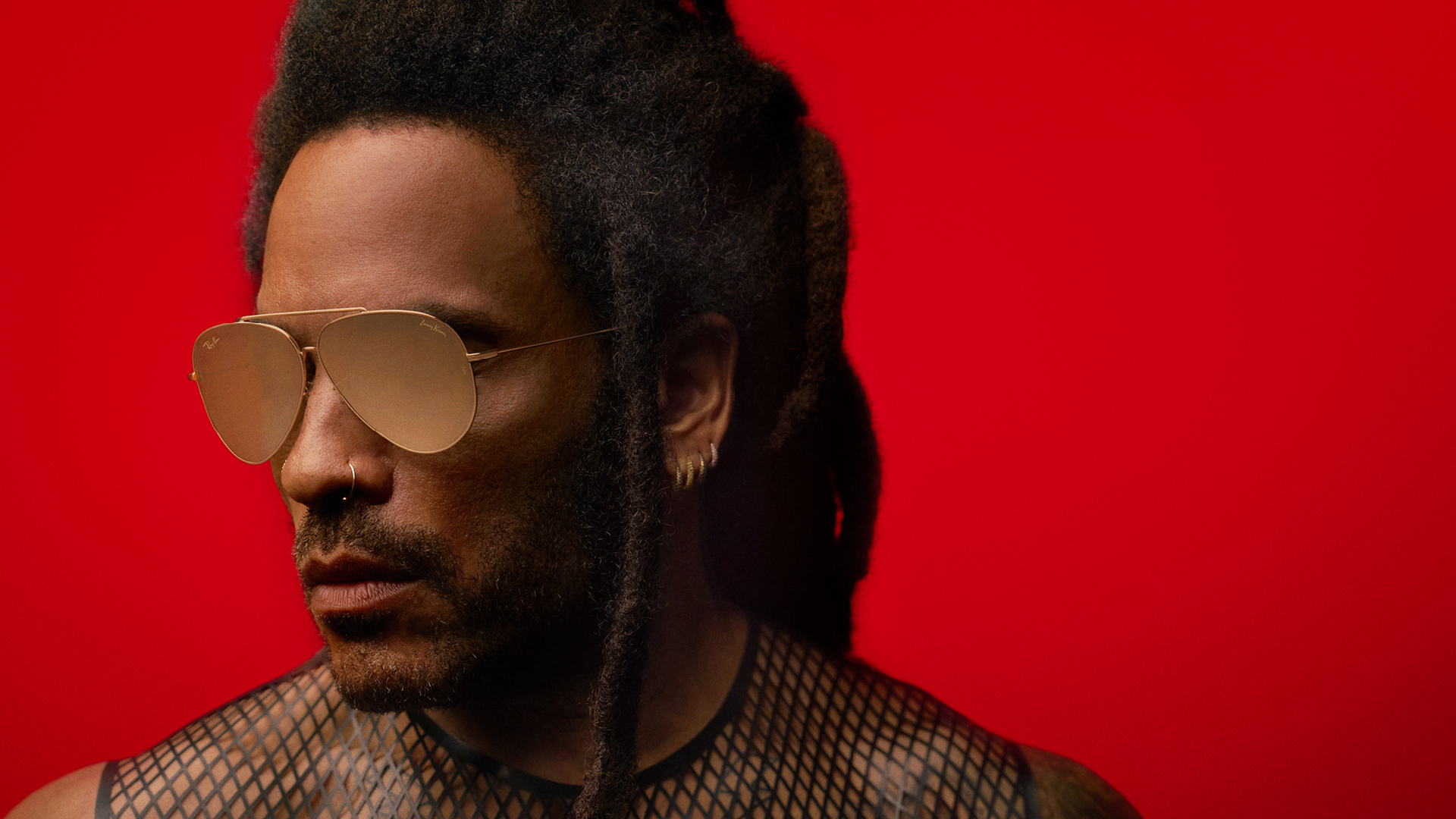
The campaign unfolds like a visual diary. Shot with film grain and raw, candid lighting, the imagery feels immediate and unfiltered, a sharp contrast to the polished gloss often associated with Parisian chic. The protagonist moves instinctively through legendary avenues and side streets alike, embodying a freedom that feels distinctly New York. This tension, refinement meeting spontaneity, shapes the January collection.
Jimmy Fairly has long positioned itself at the intersection of fashion and optics. Founded in Paris in 2010 by Antonin Chartier, the brand built its reputation on accessible design anchored in French savoir faire. In Nolita, that philosophy evolves. The frames feel bolder, more graphic and more urban, without losing their European restraint.

For women, the collection distills into three clear narratives. Arty Intellectual revisits preppy, slightly retro silhouettes, frames that evoke downtown bookstores and gallery openings where style is quiet but deliberate. Wall Street introduces sharper, structured lines with confident proportions. These are frames with presence, unapologetically graphic and modern. Meanwhile, Vintage Lover taps into nostalgia, reinterpreting classic shapes with a contemporary sensibility that feels more Lower East Side than Left Bank.
Iconic silhouettes such as aviator, oversized square and round are refreshed with an urban edge. The palette remains grounded in timeless black, brown and tortoiseshell, but the materials elevate the design. Marbled acetates and tactile finishes add depth and subtle dimension, ensuring that even minimalist frames carry personality.

For men, the narrative continues with a boyish, assertive spirit. The Preppy direction leans into chunky retro references, while Harlem explores lightness through frameless constructions that play with transparency and movement. Across the board, the silhouettes resist rigid gender lines. Many styles feel intentionally fluid, reflecting the shift toward confident, shared aesthetics.
What makes this launch compelling is its cultural layering. Subtle nods to figures like Fran Lebowitz and the city’s underground creative scene suggest a deeper engagement with New York’s intellectual and artistic DNA. At the same time, discreet French touches in proportion, finish and restraint anchor the brand in its origins.
Nolita, with its blend of independent boutiques and global names, feels like a fitting stage. Here, Jimmy Fairly does not simply transplant Parisian chic. It allows it to collide with American energy. The result is a collection that travels seamlessly from Saint Germain to SoHo without losing its identity.
In a fashion landscape saturated with spectacle, Jimmy Fairly’s New York chapter feels refreshingly narrative driven. It is not about reinvention, but reinterpretation, a reminder that style, like cities, thrives in dialogue.




.jpg)

.png)