Redefining Success Through Self-Respect: Dr Katherine Iscoe’s New Playbook for Modern Women

In a culture where success is often defined by visible achievements, Dr Katherine Iscoe shifts the focus inward. With a background as a tech CEO and her work as a motivational speaker, she presents a clear message. Self-respect forms the foundation of a sustainable and fulfilling life.
Her debut book, The Self-Respect Playbook for Overthinkers, Overdoers and Overgivers, speaks to women managing pressure, expectations and the quiet exhaustion that comes from trying to meet every demand.
In this conversation, Dr Katherine shares the personal experiences behind the book, her perspective on leadership and authenticity, and why self-respect shapes the way we live and work.
Tanja Beljanski: Your book blends personal experience with practical guidance. Was there a pivotal moment that made you realise self-respect, rather than external approval, was essential to your wellbeing?
Dr Katherine Iscoe: There was no single turning point. It was a gradual and sometimes uncomfortable realisation that continued to surface until I could not ignore it.
For a long time, my internal belief was simple. As long as others approved of me, I felt secure in myself. I pursued achievement, perfection and recognition as proof that I mattered. From the outside, it seemed successful. Internally, I felt exhausted and disconnected.
The shift began when I noticed patterns. Each time I presented a version of myself that was not authentic, I lost a sense of respect for who I was. Recognising that I was at the centre of these patterns was difficult, yet it was also empowering. It showed me that change was possible.
External approval can feel rewarding, but it is not stable. Self-respect provides that stability.

Your playbook speaks to women who give too much of themselves. What is the first step for someone who struggles to set boundaries without guilt?
The first step is to reconsider what a boundary means. Many women see boundaries as something that causes disappointment or conflict, which makes them difficult to maintain.
A boundary simply acknowledges that both people matter.
Before saying no, it is important to pause and ask a direct question. What do I actually want in this situation?
Self-honesty is where self-respect begins. The language follows after that. Guilt often appears because something new is being practised. It does not mean the decision is wrong.
You emphasise self-respect as essential for leadership and fulfilment. How is it different from confidence, and why does it have a deeper impact?
Confidence relates to how you feel about your abilities in certain situations. It often depends on performance and outcomes.
Self-respect is steadier. It reflects how you value yourself regardless of circumstances. It allows you to remain grounded even when things do not go as planned.
Confidence can influence what you choose to do. Self-respect influences how you make decisions, what you accept and how you present yourself in every aspect of life. That is where its impact becomes more lasting.

As a former tech CEO and board member, how did high-pressure environments influence your views on authenticity in leadership?
High-pressure environments reveal a great deal about how we relate to ourselves. They create situations where it becomes difficult to hide behind appearance or performance.
Leadership can look composed from the outside, yet internally it is easy to rely on perception instead of authenticity. I observed in myself and others that success does not remove self-doubt when self-worth depends on external views.
These experiences showed me that self-respect supports sustainable leadership. When it is present, there is less need to manage how one is perceived. This allows space for clarity, honesty and more effective decision-making.
You speak openly about depression, burnout and self-doubt. How can ambitious women pursue success while protecting their mental health?
Ambition and mental wellbeing can exist together, though they require a different foundation.
When success is driven by the need to prove worth, it can feel continuous and exhausting. There is always another goal to reach.
When ambition is guided by self-respect, the experience changes. There is still drive and purpose, though without the same pressure to constantly validate oneself.
In practice, this means checking in with your internal state as regularly as you review your responsibilities. It involves noticing discomfort and responding to it instead of ignoring it.
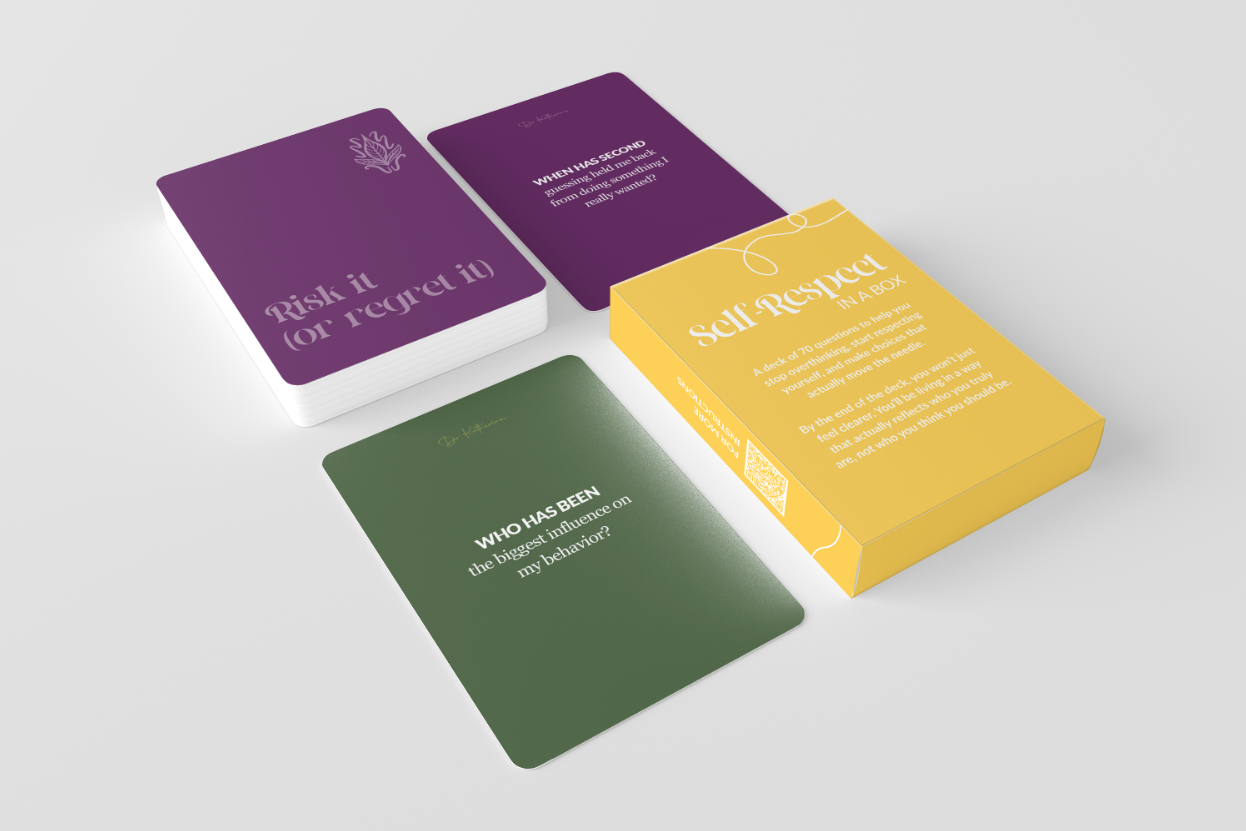
Your book explores turning setbacks into strength. What did reaching a low point teach you about reclaiming your voice?
Reaching a low point felt like being removed from familiar ground and forced to see what was truly stable. The beliefs and coping strategies I relied on were challenged, which made it clear what needed to change.
My instinct was to manage everything independently. What I learned was the difference between solving problems alone and allowing support.
There is strength in recognising when help is needed. Choosing to involve others creates a different path forward, one that allows for rebuilding with greater awareness and connection.
If readers could take one idea from your book, what would you want them to remember and how can they begin applying it?
Self-respect is not something that is earned. It is something that is practised.
It is expressed through everyday choices. Being honest, following through on personal commitments and recognising your own needs.
A simple way to begin is to ask one question. What would self-respect look like in this moment?
Then take a small step in that direction. Consistent, thoughtful actions create lasting change over time.







.jpg)