Sense of Loss | An Interview with Photographer Johnnie Shand Kydd
.jpeg)
In Ramsholt, British photographer Johnnie Shand Kydd turns his lens toward the East Suffolk landscape, creating a body of work that feels deeply personal yet historically resonant. Known for documenting the energy of the Young British Artists era, Shand Kydd now embraces a slower and more contemplative approach, one that lingers on memory and the subtle traces of lives once lived. Through evocative imagery and reflective writing, Ramsholt becomes both a meditation on place and an exploration of inner life, where fields and waterways carry echoes of centuries past.
In this conversation, the photographer reflects on intuition, melancholy, and the evolution of his practice, revealing how the passage of time, the fragility of nature, and the idea of home continue to shape his artistic vision in an increasingly uncertain world.
Tanja Beljanski: Ramsholt feels like both a personal diary and a historical document. How did you navigate the balance between memory and observation when photographing such an intimate landscape?
Johnnie Shand Kydd: I rarely have a set plan in place when I take a photograph. It's more a simple case of seeing something that sparks my interest, taking the photograph and then leaving the results alone for months, sometimes years. When I revisit the work and start thinking about the edit, my subconscious kicks in and starts telling a story I was totally unaware of when I originally took the photograph.
In the case of Ramsholt, writing the text turned out to be a revelation as it helped explain to me why I took the photographs in the first place. I recently read Jan Morris's Trieste and the Meaning of Nowhere. In the final chapter she describes how the book is both a study of the city and an autobiography. I see my photographs in Ramsholt as being a sort of autobiography too. Not a literal one, but one that reveals something of my soul.

Your work often captures the passage of time in subtle, almost poetic ways. In Ramsholt, how did you translate centuries of history into a single, recurring fifty-minute walk?

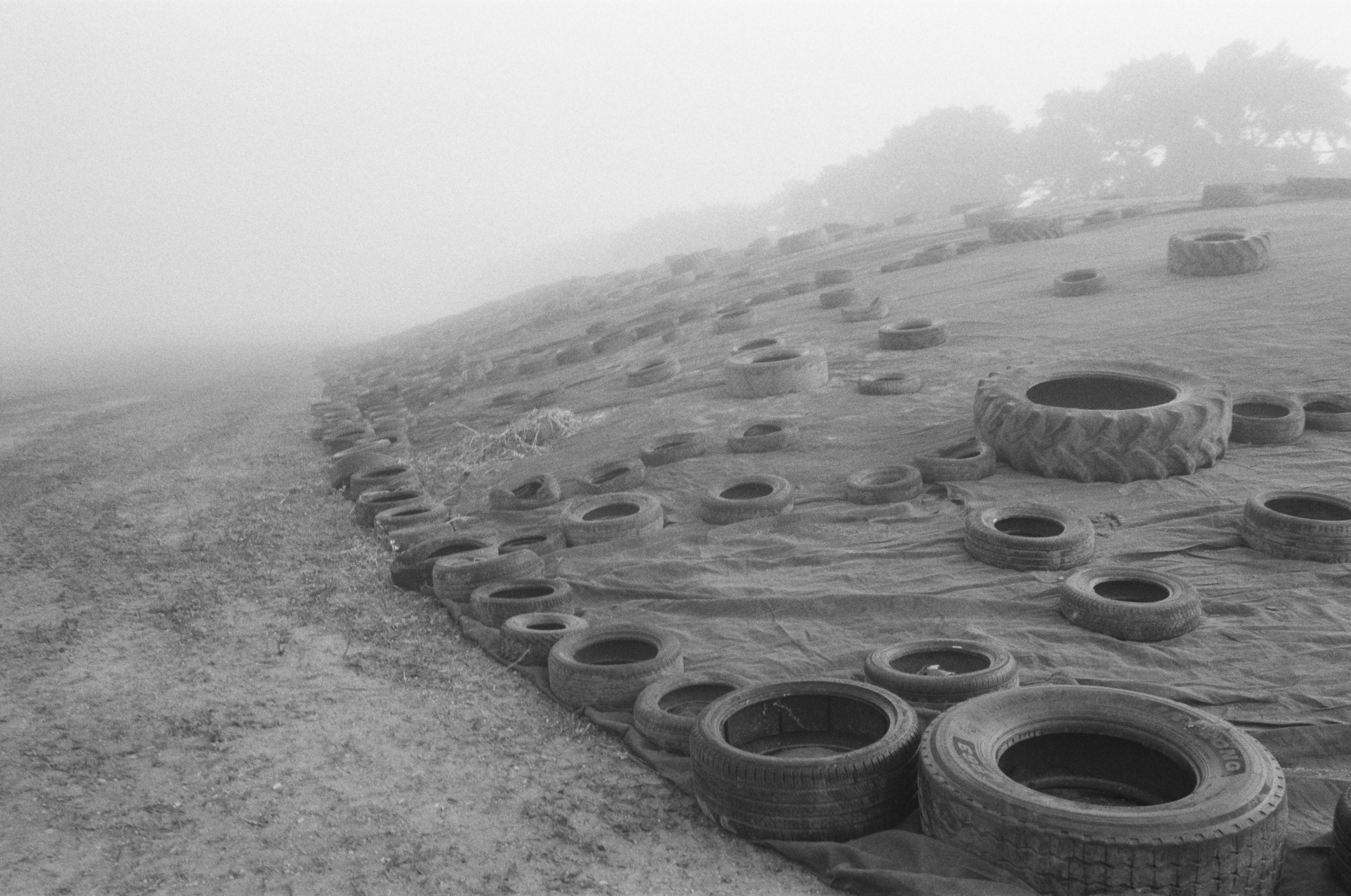
The film director John Maybury said that the images in Ramsholt reminded him of crime scenes, which of course I loved. The photographs of empty fields and woodland appear devoid of human intervention but I have a strong sense of actors having just left the stage leaving something of their previous presence lingering in the ether. I have no idea how I evoke this but John's observation suggests that I've successfully managed to do so.
Having documented the early days of the YBA movement alongside artists like Damien Hirst and Tracey Emin, how has your approach to storytelling evolved when turning the lens toward something as personal as home?

My YBA work tended to be very spontaneous and instinctive. My Ramsholt work is much more considered. There is so much emphasis today on making things faster and easier, but sometimes it's more interesting to do the very opposite. I used an unwieldy 5x4 camera for much of the current work as I wanted it to be as difficult and drawn out as possible. I perversely wanted to eradicate all sense of spontaneity, which is something most photographers strive for.
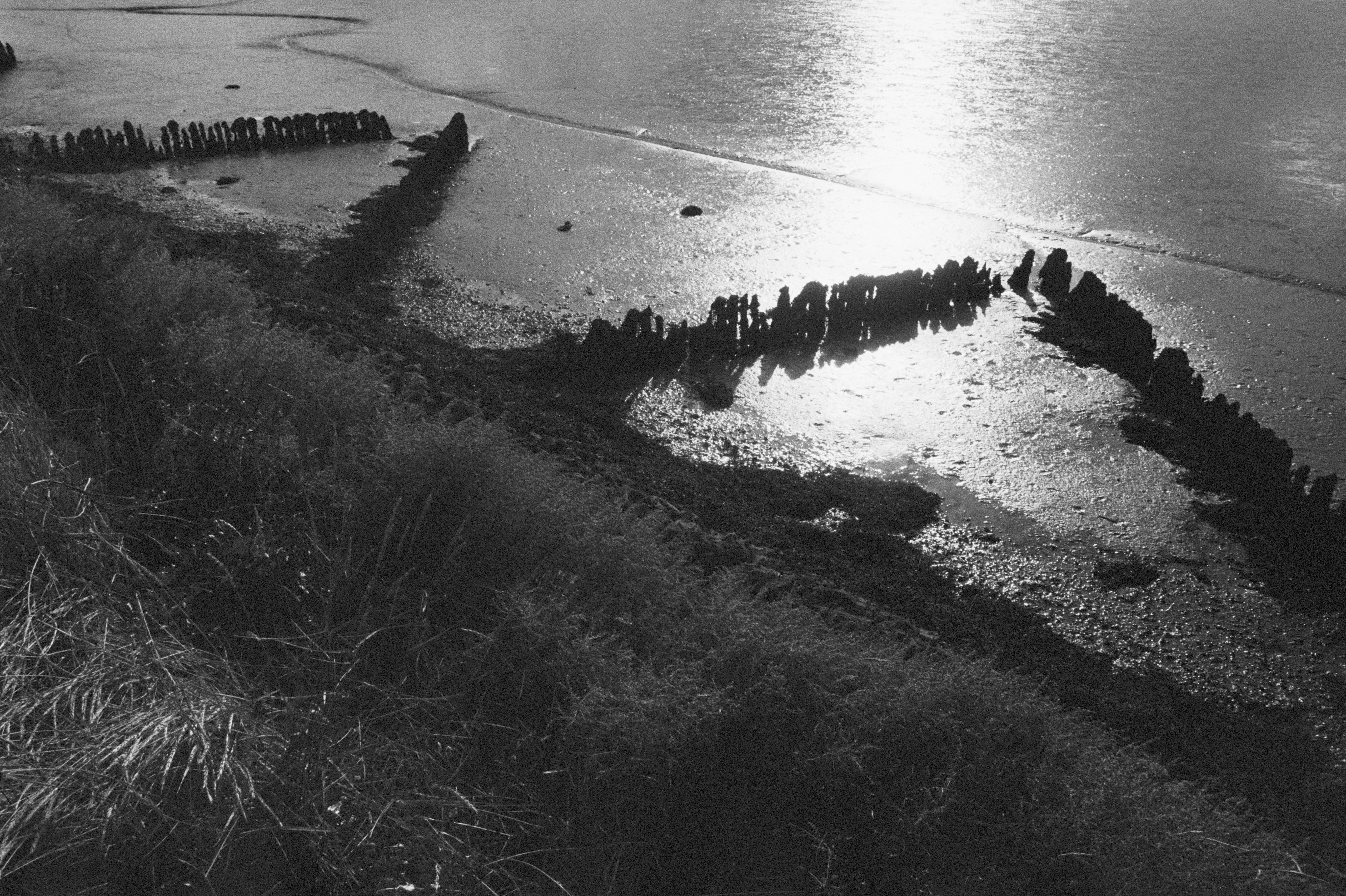
Nature in Ramsholt appears both present and ghostly: otters, barn owls, even vanished nightingales. How do you photograph what is no longer there, but still deeply felt?
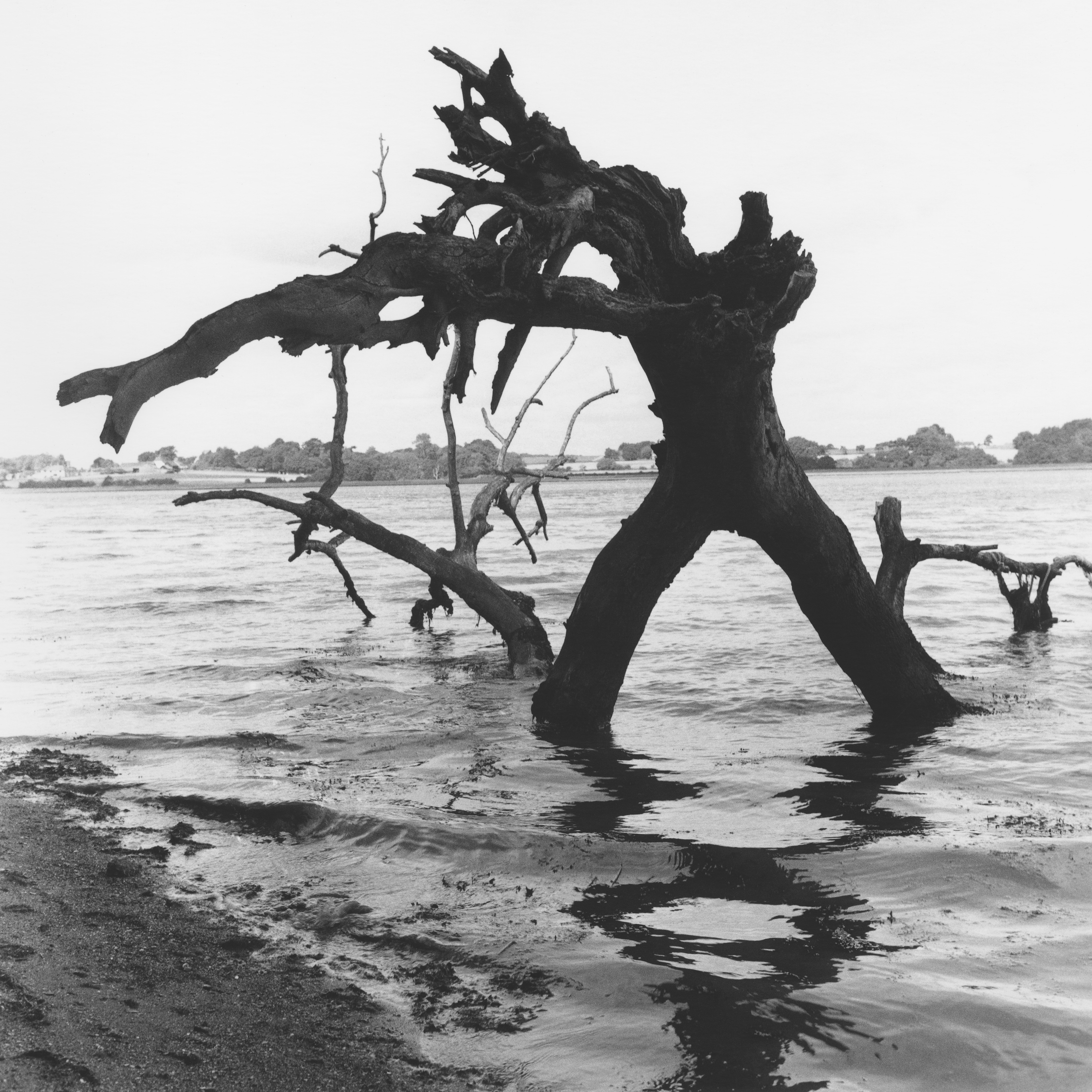
I have no idea, but somehow a heartbreaking sense of loss does permeate the work. I'm sure it won't come as a surprise to anyone who has looked at my work that I am profoundly attracted to the melancholic.
Your earlier projects, such as Siren City, explored the intensity of urban life in Naples. What drew you back to the quiet rhythms of Suffolk, and how did this shift in environment influence your visual language?

I think many artists, be they directors, musicians or painters, tend to pare back as they get older, to strip away the superfluous in search of something essential. The chaos and excitement of Naples appealed to a younger me. The world has never felt more terrifying than it does today, so the logic and serenity of nature is something I naturally turn to for solace and nourishment when world leaders behave in such an illogical and insane way.
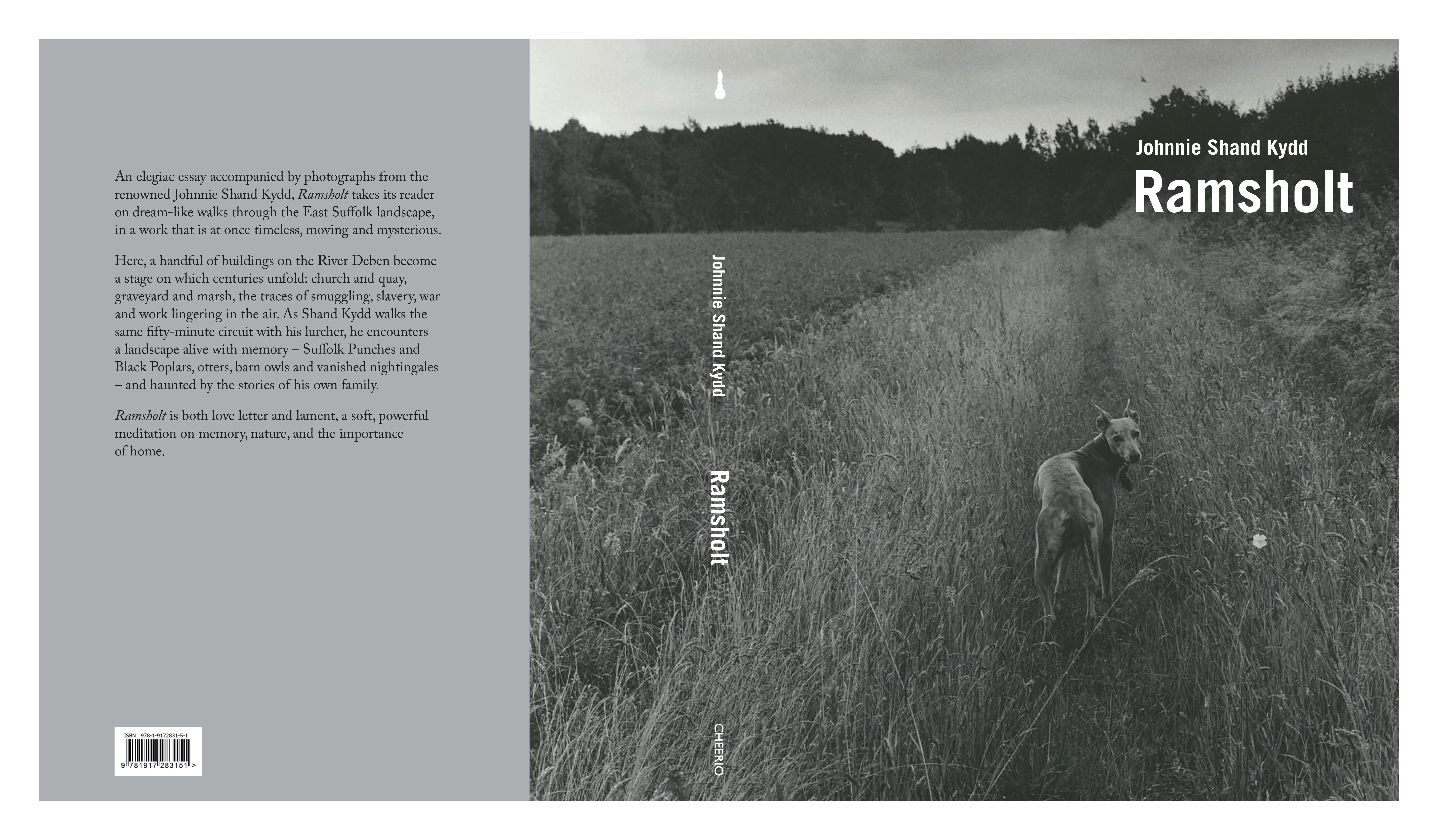
Ramsholt reads as both a love letter and a lament. Do you see photography as a way of preserving what is at risk of disappearing, or as a means of coming to terms with that loss?
Ramsholt could disappear in an instant. Its fragility is something I think about a lot. Hopefully, the book will make people realise how magical such places are and how important it is that they are allowed to survive. Development or tourism could easily tip the scales and the landscape I know and love so much will be gone forever. Let's hope this never happens.
related posts










.jpg)