TISSA FONTANEDA Marks 15 Years with a Collection Focused on Craft, Texture and Renewal

Fifteen years after launching her namesake label in Madrid, TISSA FONTANEDA is entering a new phase; one that treats heritage not as something static, but as material to be reshaped for a different moment in fashion. The brand’s Spring/Summer 2026 presentation, titled “The Revival Collection,” revisits the silhouettes and textures that built its identity while positioning the house for a broader international future.
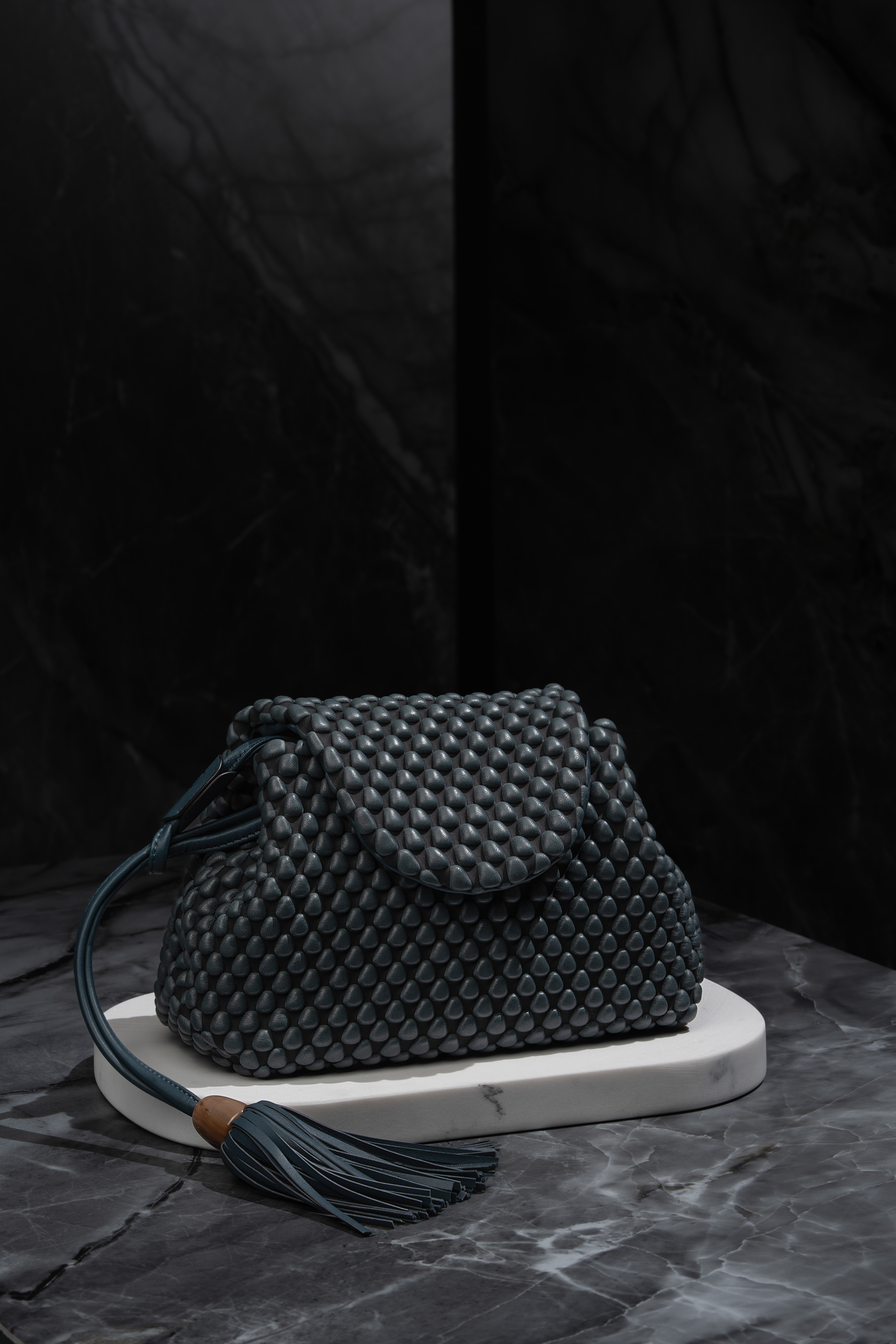
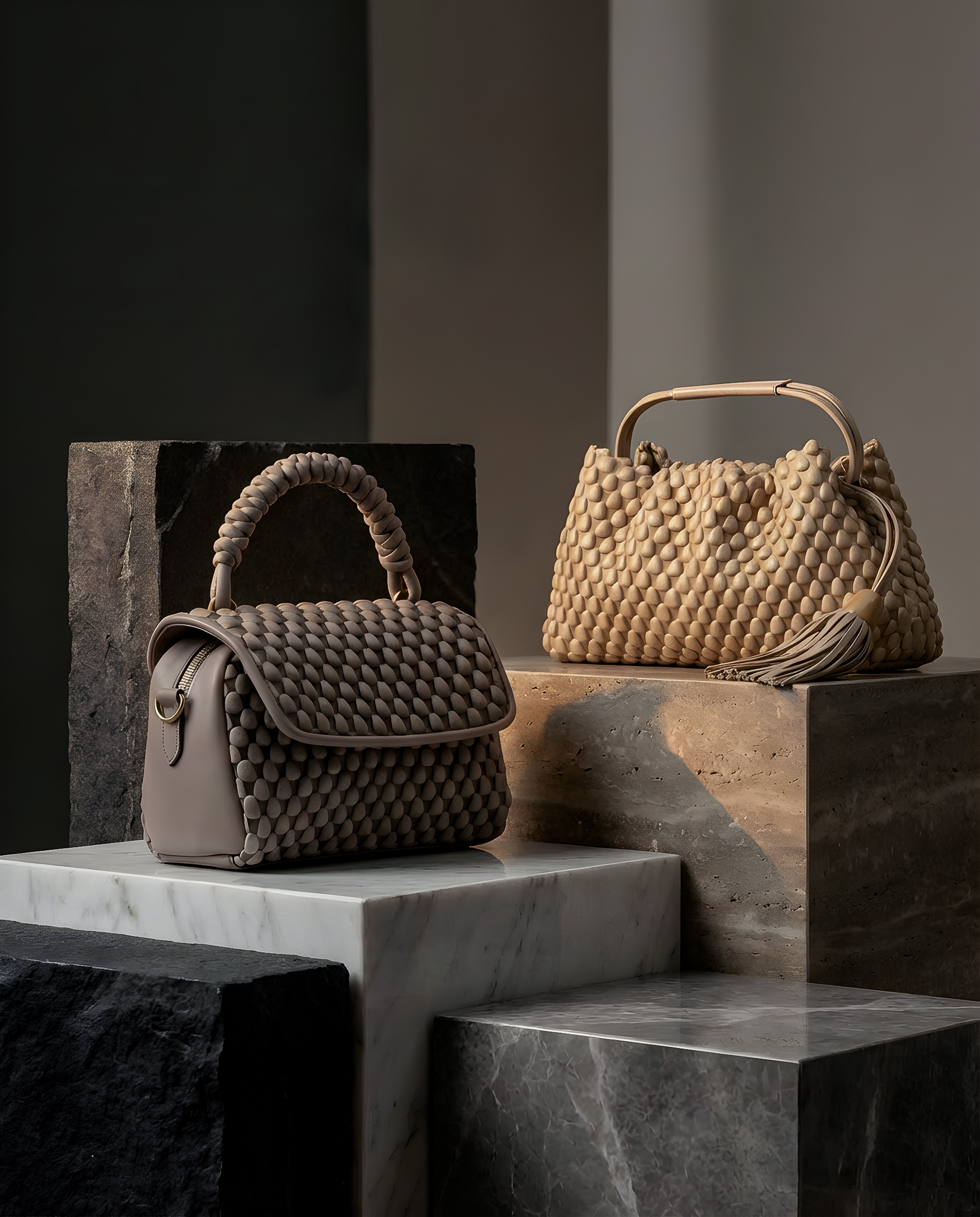
Known for its bubble-textured lambskin bags crafted by Spanish artisans, TISSA FONTANEDA has long occupied a particular corner of the luxury market: one driven less by visible logos and seasonal hype, and more by tactile design, craftsmanship, and the emotional appeal of objects made slowly and by hand. At a time when fashion continues to move toward quieter forms of luxury and longevity-focused consumption, the label’s anniversary collection feels aligned with the wider mood of the industry.
Rather than producing a retrospective, founder Tissa Fontaneda returns to some of the house’s most recognisable pieces, including the Tango, Gizmo, Surprise Shopper, and Figaro, and subtly reworks them through softer proportions, sculptural volume, and light-reflecting finishes. The collection introduces nacre-inspired treatments that give the leather a pearlescent glow, shifting depending on movement and light.

The colour palette moves through muted rose, faded gold, sage green, and washed lilac tones, balancing nostalgia with a more contemporary minimalism. Among the new additions, the Babushka bag stands out: a retro-inspired flap silhouette finished with a hand-braided lambskin handle that highlights the artisanal techniques behind the collection.
That same sense of fluidity carries into ready-to-wear. The Leslie Dress and Joelle Blouse return in lightweight silk variations designed around movement rather than structure, with fabrics intended to catch light softly instead of commanding attention through exaggerated shapes.
Beyond the collection itself, however, the biggest shift for the company may be happening behind the scenes. For the first time since founding the brand in 2010, TISSA FONTANEDA is opening itself to external investment. Daniel Codes Llamas joins the business as both investor and Chief Executive Officer, marking a strategic turning point as the house looks to scale internationally.
The company’s next stage will focus on strengthening e-commerce, expanding wholesale partnerships, and increasing visibility across North America, Japan, the Middle East, and the DACH region. For many independent luxury brands, growth has become one of the industry’s most delicate balancing acts: how to reach larger audiences without losing the craftsmanship and identity that made them distinctive in the first place.

Fontaneda’s own background helps explain why the brand continues to place such emphasis on artisanal production. Before launching her label, the Munich-born designer worked with houses including Loewe, Cartier, and Louis Vuitton, developing expertise in leather craftsmanship through years spent inside Spanish workshops and European luxury manufacturing.
That experience still defines the label today. While many contemporary brands compete through speed and constant reinvention, TISSA FONTANEDA continues to build its world around texture, touch, and the visible presence of the maker behind the object.
“The Revival Collection” ultimately feels less like an anniversary exercise and more like a recalibration; a way of adapting the house’s original language to a fashion landscape increasingly interested in authenticity, materiality, and pieces designed to outlast seasonal momentum.




related posts


Accessories
Versace Eyewear Spring-Summer 20 Collection