The Night Owls Are Winning - And There's Data to Prove It

Dubai has earned its reputation as the city that never sleeps, this you can see for yourself. Peer out of your Dubai Marina window at 11pm and the city is nowhere near done: cars moving, cafes buzzing with conversation, people walking the promenade as if the evening has only just begun. The malls are still open, the restaurants are filling and the skyline is lit up like it knows that Dubai does not wind down. It simply keeps going, and so, it turns out, do the people who live here. However, according to ŌURA's State of Sleep 2026 report, it is also where some of the world's best sleep happens.
UAE residents average just 6.85 hours of sleep per night, below the global norm of 7.1 hours, and technically under the 7-9 hours experts recommend for adults. But sleep, as ŌURA's data makes clear, is not simply a matter of counting hours. It is a matter of what those hours actually do. And on that measure, the UAE is doing something pretty remarkable.
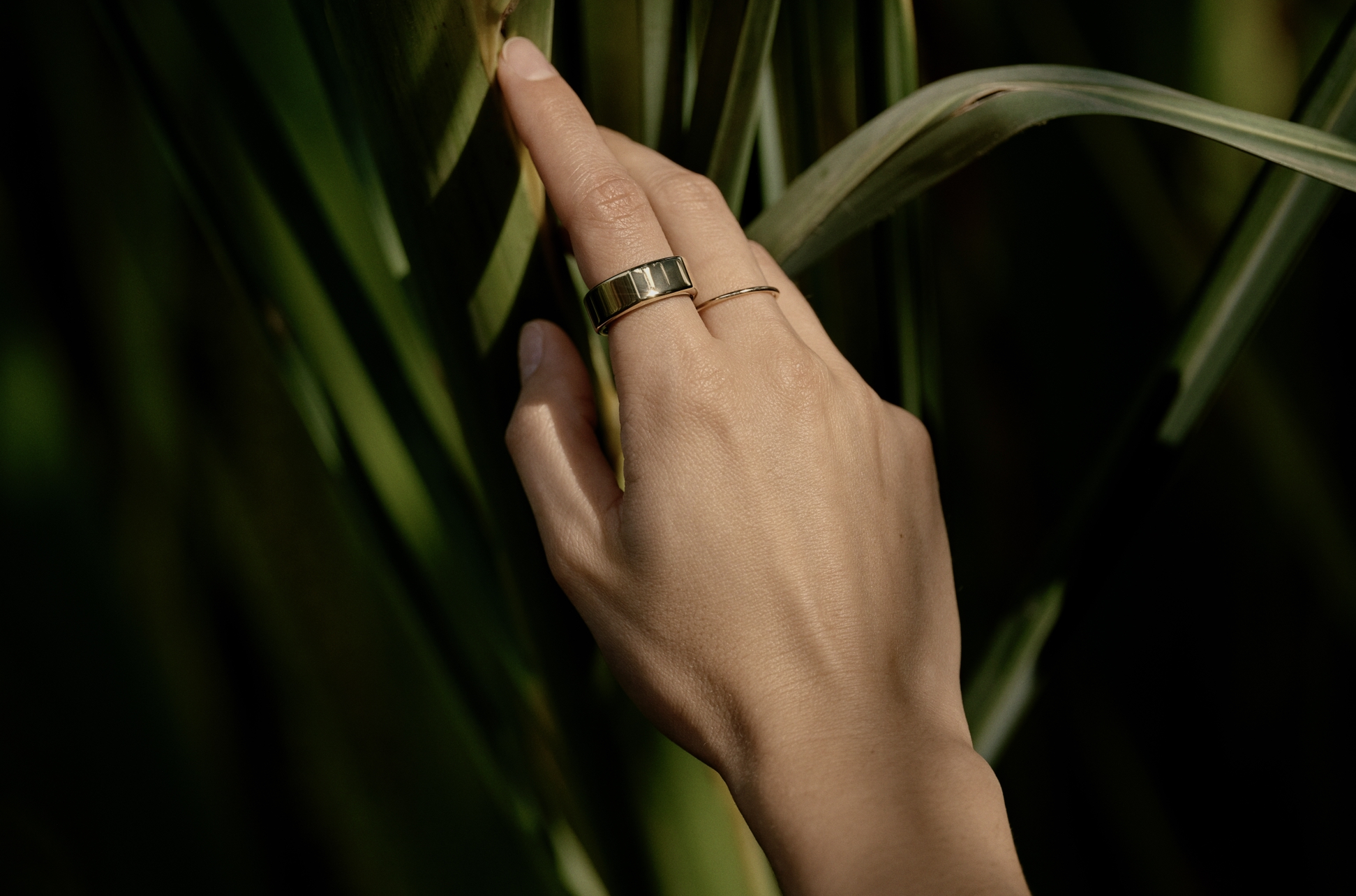
Despite sleeping less, UAE Oura Members rank among the world's most efficient sleepers, achieving a sleep efficiency score of 85.8%. Deep sleep averages 74.6 minutes per night, ranking fourth globally. Awake time during the night sits at 70.4 minutes, lower than the global average of 73.1 minutes. Countries that sleep significantly longer, such as Finland, the United States, the United Kingdom, do not consistently match the UAE on these quality measures. In short, though sleep is short here, it works harder!
The explanation lies in chronotype: your body's natural, biologically driven preference for when to sleep and when to wake. The UAE has the highest share of late-evening chronotypes in the world at 6.67%, compared to a global average of just 3%. The average UAE sleeper goes to bed at 12:06 AM and wakes at 7:57 AM. Scientists link what they call circadian misalignment (sleeping at times that conflict with your body's natural rhythm) to higher disease risk and poorer health outcomes. The UAE, it seems, is largely spared from this. Not because people here sleep more, but because they sleep in sync with who they actually are.

There are, of course, forces working against that alignment. Arabic coffee culture is woven into the social fabric of the UAE; you’d see cafes in Dubai and Abu Dhabi staying open long after sunset, serving as hang outs and meeting points. ŌURA data shows the cost: on days when members tag caffeine, they average 49 minutes less sleep, 9.2 minutes less deep sleep, and an 8.2-point drop in their Sleep Score. Caffeine's five-hour half-life means an afternoon coffee is still silently disrupting the body long after the cup is empty.
Then there’s the frequent travel that adds another layer of complexity. With Dubai International ranked as the world's busiest airport for international travel, jet lag is a near-constant companion for many UAE residents. ŌURA's research with the National University of Singapore, analysing 1.5 million nights of sleep across 65,000 long-distance trips, found that while total sleep duration recovers within two days of travel, sleep timing and architecture can remain misaligned for up to 15 days, particularly after long eastward trips.
The good news is that the UAE adapts, and thrives! Weekend recovery patterns emerge naturally residents sleep noticeably longer on Sundays, averaging 7.08 hours. Sleep improves slightly in summer, influenced by later sunrises and seasonal lifestyle shifts. The data reveals a population that is not necessarily fighting its sleep. It is however, negotiating with it and finding quality within the constraints of a lifestyle that keeps pulsing.
"When we can make sleep a priority and improve our overall sleep health," says sleep researcher Rebecca Robbins, PhD, "it is remarkable how so many other aspects of health and wellbeing fall into place."
The gender findings add one more compelling layer. Women in the UAE average 7.07 hours of sleep per night, nearly 30 minutes more than men, who average 6.59 hours. Women also show stronger sleep efficiency and more consistent REM patterns, the sleep stage most associated with emotional processing, memory, and cognitive restoration. In a region where women are increasingly prioritising their health with intention, these numbers are definitely an encouraging signal.
So, though the UAE goes to bed late, wakes up late; it still sleeps better than most of the world. And the night owls, it turns out, have always known something the rest of us are only beginning to understand.
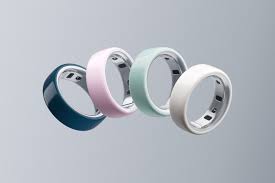
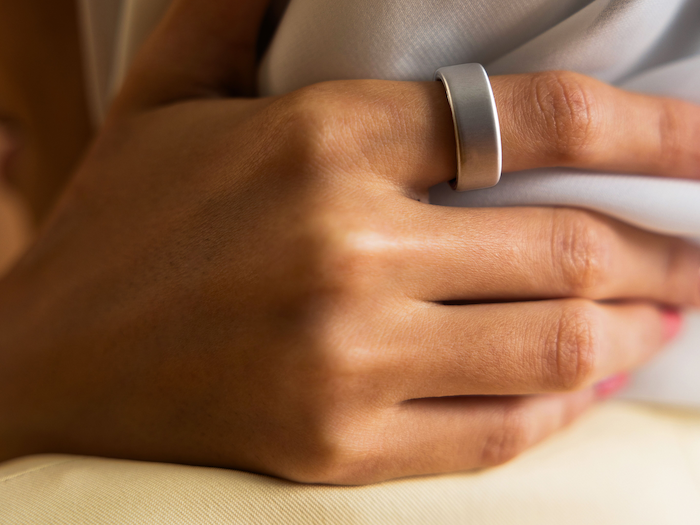
ŌURA Ring 4 is available in the UAE at ouraring.com, Amazon.ae, Virgin Megastores, and Dubai Duty Free.
related posts
.jpg)