With Light As Architecture
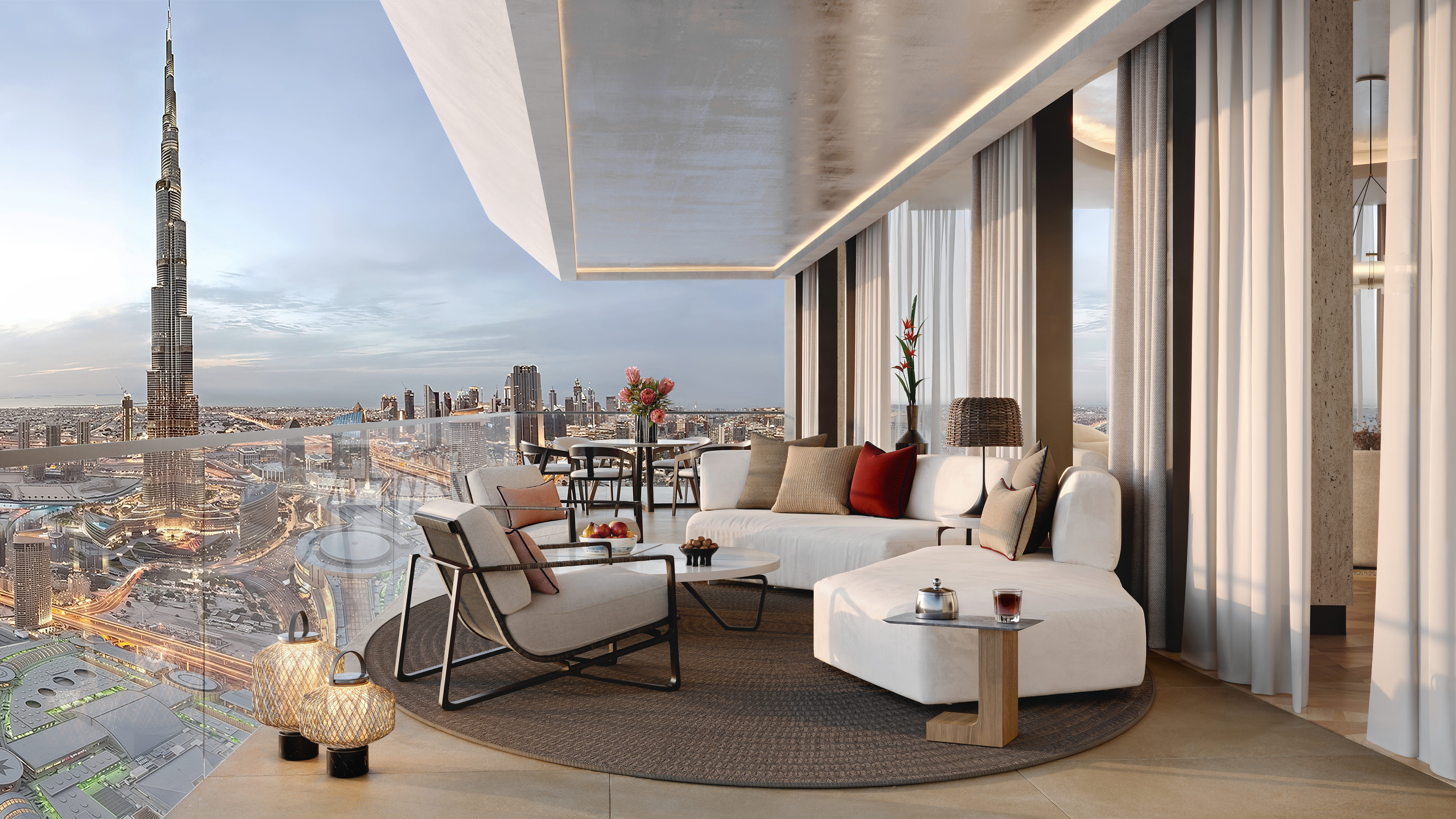
Baccarat has spent 260 years turning crystal into light, that’s caught, refracted and transformed. That sensibility now has an address in Downtown Dubai and Daniel Libeskind, founder of Studio Libeskind, has been appointed with the task of translating it into forty-plus floors of steel and glass. "Architecture begins where light becomes emotion," Libeskind says. "At Baccarat Hotel & Residences Dubai, we imagined a prism in the desert - a living form that captures the sun and transforms space into crystal. It is not simply a building within the skyline, but a dialogue of geometry and luminosity, where transparency, reflection and wonder dissolve the boundary between the material and the immaterial."
L’Officiel Arabia speaks to Daniel Libeskind to understand how a 260-year-old crystal house becomes a building, and what it means to design for a city that has seen it all.
On translating Baccarat's 260-year legacy into architecture:
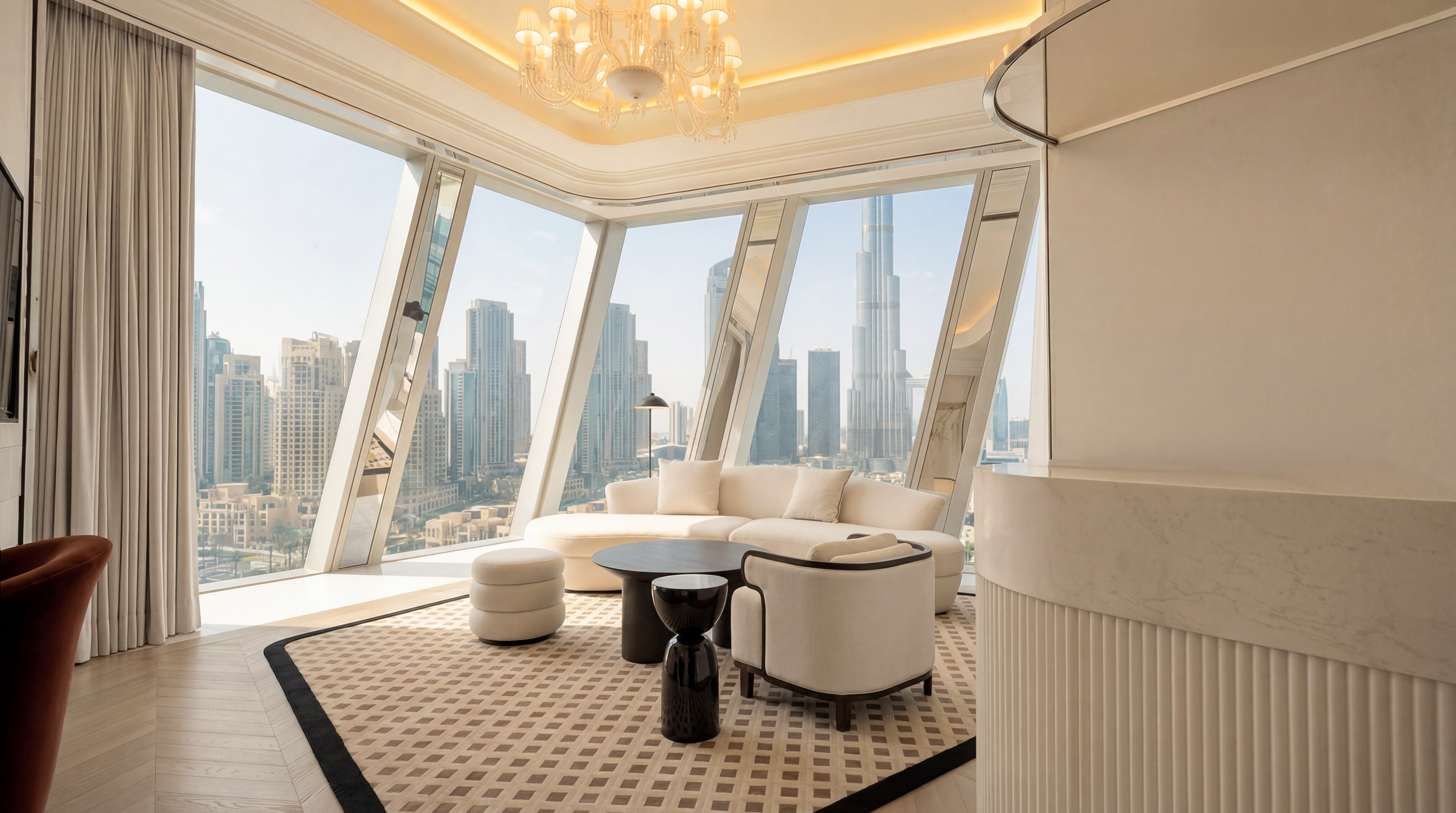
Baccarat's extraordinary 260-year legacy of crystal craftsmanship is fundamentally about light: how it is captured, refracted, and transformed into something almost immaterial.
That principle became central to our architectural approach. We were not interested in a literal translation of crystal, but in translating the spirit of Baccarat into architecture through geometry, transparency, reflection and atmosphere.
From the earliest conversations with Shamal, there was a shared ambition to create something that would endure beyond the conventions of branded luxury. As a diversified investment firm, Shamal's perspective was rooted in long-term value, careful stewardship and the creation of assets with lasting relevance. That aligned very naturally with Baccarat's own legacy, where refinement is measured by precision, permanence and pure craft.
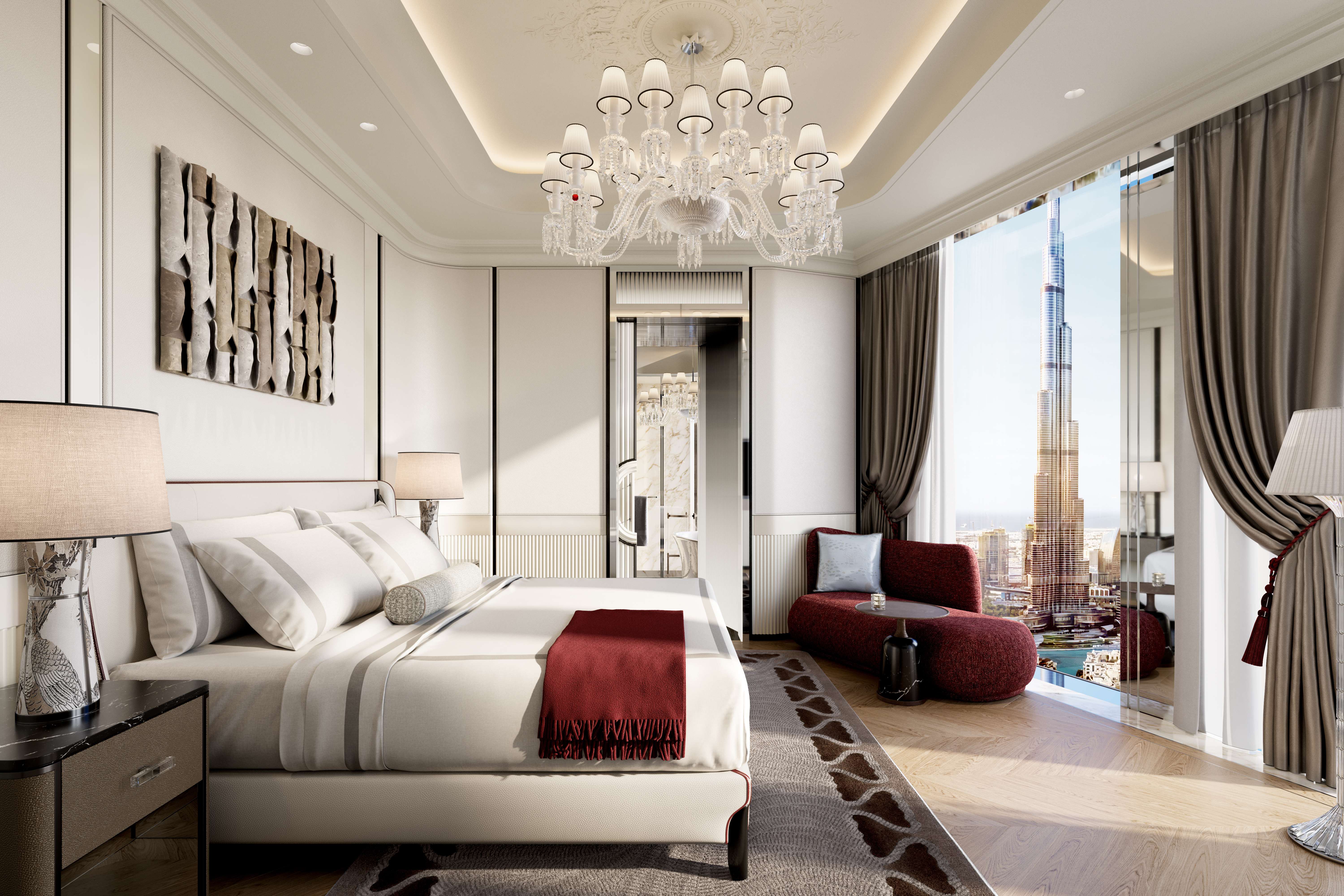
The façades are designed as luminous, layered surfaces, carefully articulated to respond to the intensity and movement of the desert sun. The architecture shifts throughout the day, dissolving and reappearing with light. In that sense, the building carries the spirit of Baccarat's craft without replicating its form.
On the defining creative intention, and how it evolved:
The defining creative intention behind Baccarat Hotel & Residences Dubai was not to compete through height alone, but to establish a strong architectural identity: one that is bold, refined, and meaningful in equal measure.
Dubai is a city of extraordinary ambition, but this project required a different kind of statement. The vision, shaped with Shamal from the outset, was to create a landmark that contributes to the city's next chapter through architectural clarity, cultural confidence, and long-term value. Shamal's role as steward of the investment was important in that regard. Their approach was not to deliver yet another luxury address, but to instead curate an asset that would strengthen its location, and enhance the city's already rich urban narrative.
Architecturally, the project is defined by a clear geometric language, expressed through two interrelated forms that engage in dialogue rather than forming a singular gesture. This allows the building to read as a composition rather than an isolated icon: recognisable, dynamic and thoughtfully integrated within the skyline.
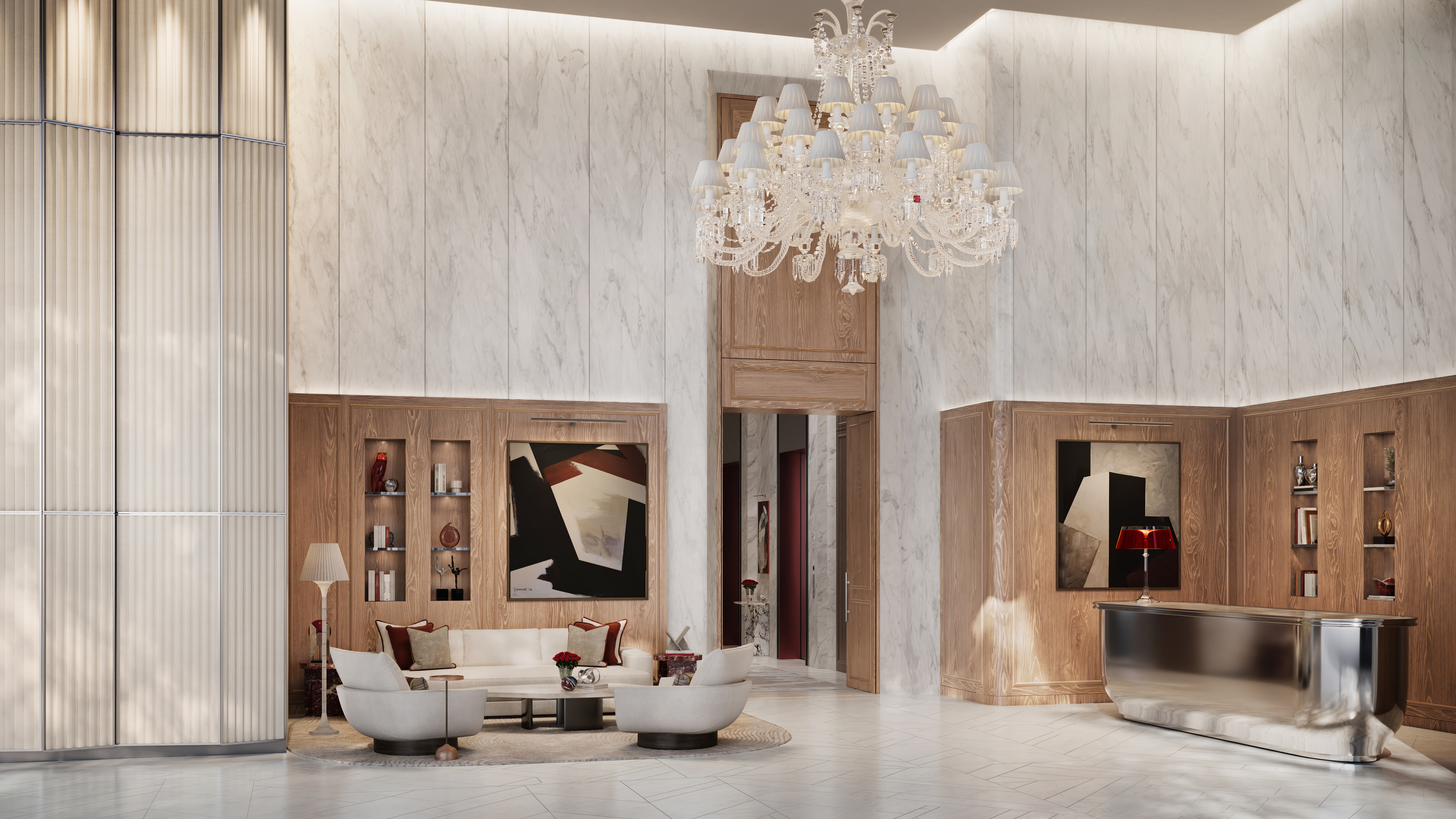
The collaboration with the Baccarat House further refined this vision. There is a strong commitment to excellence, precision and restraint, and every element, from the building's urban presence to the interior experience, had to feel true to the spirit of Baccarat.
On the creative partners:
The project brought together Studio Libeskind, 1508 London, and Starwood, with Shamal leading as strategic and creative steward, ensuring each partner's distinct discipline served a single, coherent vision. Shamal's role went beyond oversight; it was about holding the long-term perspective on the customer experience and curating the creative ambition that defines this project. Their contribution was not only financial or developmental; it was about setting the ambition for the project and ensuring that every decision supported a meaningful and enduring outcome.
Studio Libeskind defined the architectural direction through a bold and expressive language of form, geometry, and skyline presence. 1508 London crafted the interiors with a refined contemporary approach, focused on detail, materiality, and the quality of lived spaces. Starwood brought its global hospitality expertise, ensuring a seamless, world-class residential and service experience aligned with the Baccarat brand.
The strength of the process came from the fact that these disciplines did not operate in silos. Architecture, interiors, hospitality, brand, and investment strategy evolved in continuous dialogue.
The project brought together distinct areas of passion and expertise: the architect's drive for expression, the hospitality team's focus on seamless guest experience, the brand's pursuit of refinement, and Shamal's responsibility to ensure long-term value and coherence. Each perspective challenged the others, helping push the boundaries of the final outcome. The breakthrough was that these perspectives ultimately sharpened the project, leading to clearer decisions, more resolved spaces, and a stronger architectural identity.
On what makes this stand apart from everything else:
Baccarat Hotel & Residences Dubai is not simply another luxury tower competing on height, amenities, or branding. What distinguishes the project is its ambition to create an experience rooted in artistry, craftsmanship, and emotional atmosphere, qualities long associated with the Baccarat name and reinterpreted architecturally by Studio Libeskind.
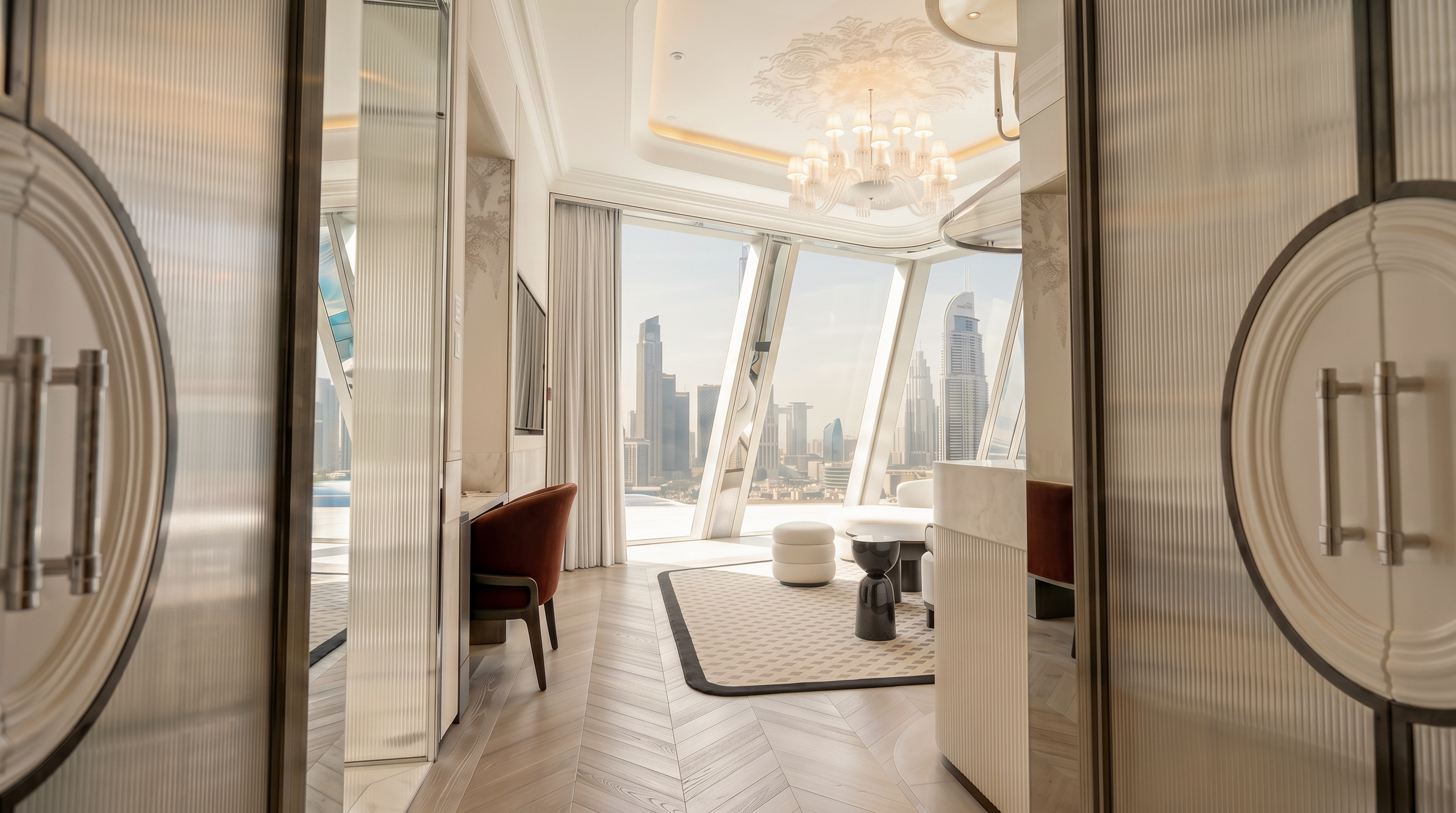
Baccarat Hotel & Residences Dubai introduces a different kind of luxury: one grounded in detail, materiality, light, and cultural sophistication. The architecture is conceived less as an isolated object and more as a sculptural composition shaped by the desert light and the energy of Downtown Dubai. The crystalline geometry of the towers draws inspiration from the precision and brilliance of Baccarat crystal itself.
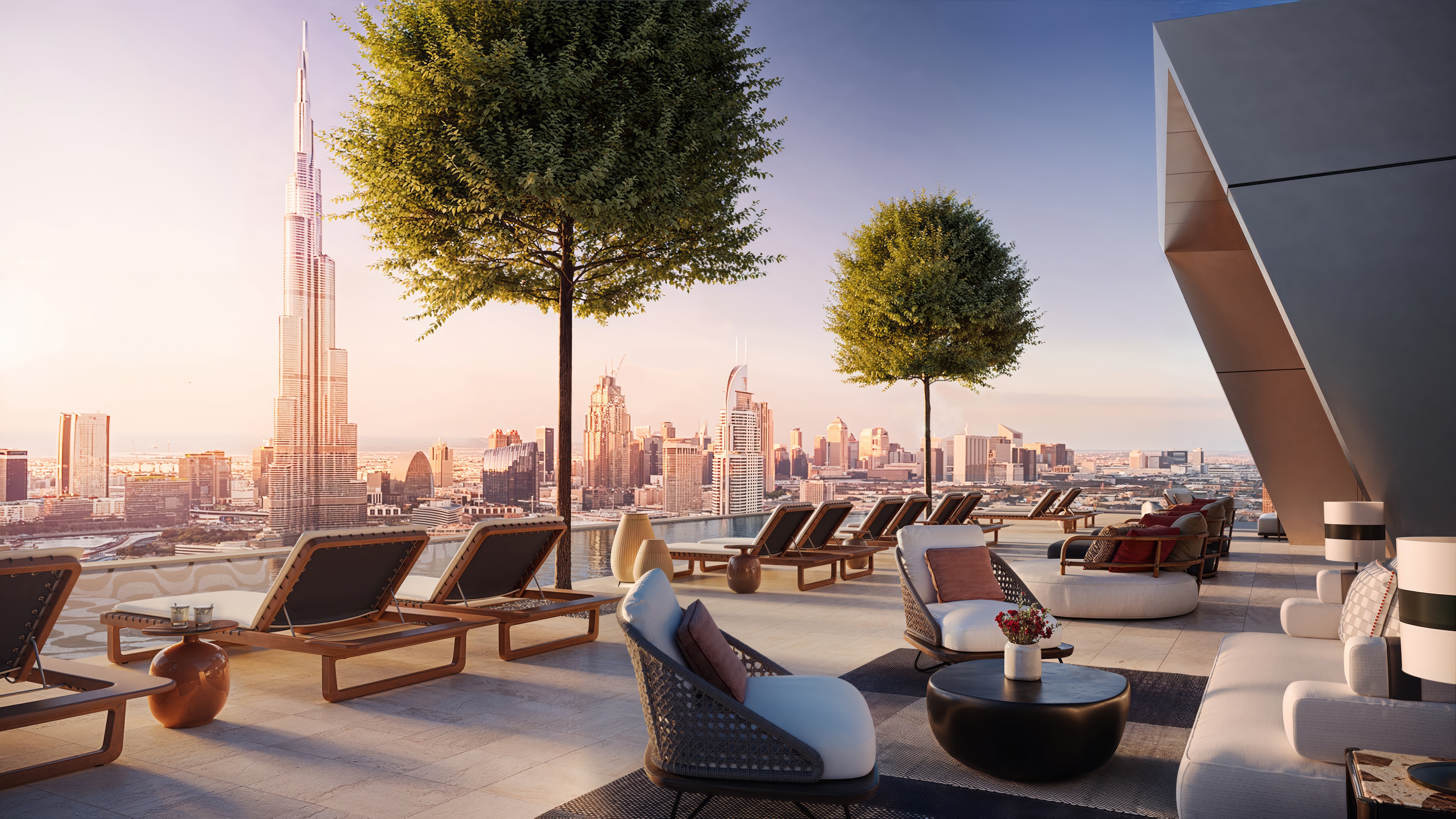
Equally important is the project's emphasis on privacy, proportion and livability. The residences are designed as much more than a prestigious addresses, but as iconic homes with panoramic views and a sense of intimacy rarely achieved at this scale. The integration of hospitality, wellness, dining, and residential life creates a holistic environment rather than a conventional branded development.
related posts
Travel & Living
A Luxurious Cultural Escape to Doha, Qatar

.jpg)